La Piedra Movediza
El monumento más icónico de Tandil, una roca de granito, desafió la gravedad. Sin embargo, su caída en 1912 desató un misterio local que aún perdura.
La historia completa se desbloquea en el tour
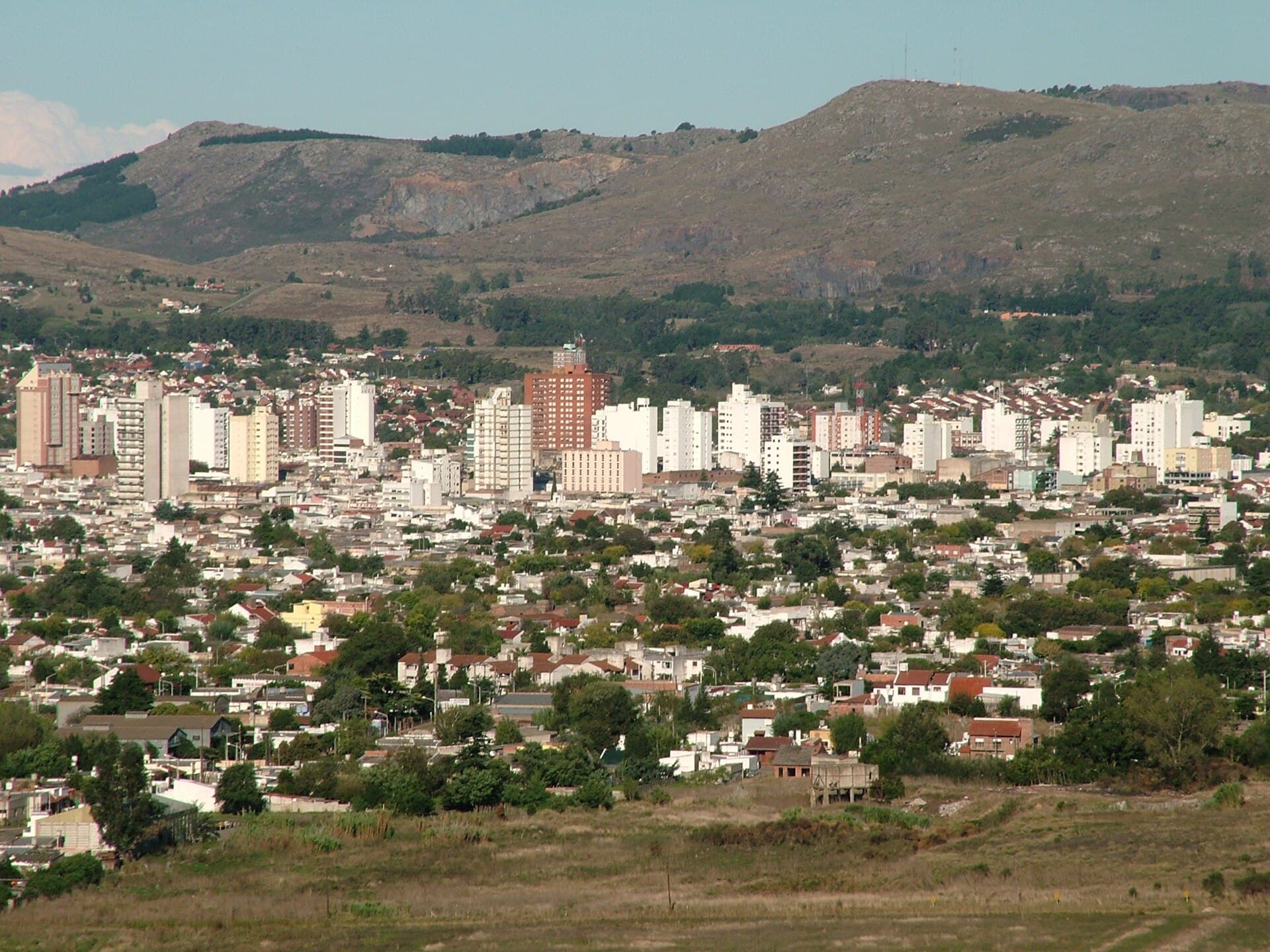 No machine-readable author provided. Emmanuelmaggiori assumed (based on copyright claims). / CC BY 2.5, via Wikimedia Commons
Tour de audio autoguiado de Tandil — ruta GPS a pie, reproducción offline, narración en 32 idiomas.
“Donde las antiguas sierras se encuentran con sabores artesanales y un pasado legendario.”
No las postales. Las historias que ni los locales conocen — al oído, justo donde ocurrieron.
El monumento más icónico de Tandil, una roca de granito, desafió la gravedad. Sin embargo, su caída en 1912 desató un misterio local que aún perdura.
La ciudad es famosa por sus embutidos y lácteos, pero sus sabores únicos se remontan a una ola específica de inmigración europea.
Estas no son solo colinas; guardan un secreto geológico que dio forma a las propias calles de la capital argentina.
Descubre todos los secretos de Tandil
Cada dirección, cada revelación al completo — a tu oído, justo donde ocurrió.
Eliges tus paradas. Caminas. La voz te revela lo que los demás ignoran.

Tu tour de audioguía por Tandil te espera — elige tus lugares, tu idioma y empieza al llegar.
ComprarLume incluye una guía de realidad aumentada. Levanta el móvil y su cámara muestra la calle que tienes delante, con una flecha luminosa sobre la imagen real que siempre apunta a tu próxima parada — sin mapas que descifrar, sin giros equivocados. Como todo en Lume, funciona completamente sin conexión.
Situada en el sudeste de la Provincia de Buenos Aires, Tandil ofrece un refrescante escape de la extensa llanura pampeana. La ciudad se define por sus antiguas sierras de granito, parte del sistema de Tandilia, que se elevan inesperadamente desde las llanuras circundantes. Esta geografía única proporciona un telón de fondo para actividades al aire libre, desde senderismo y escalada hasta la exploración de miradores panorámicos.
Tandil es una ciudad que equilibra su belleza natural con una profunda identidad cultural, fuertemente influenciada por olas de inmigración europea. Es un lugar donde el aire se siente diferente —más seco y claro que en la capital— y donde el ritmo de vida invita a saborear las delicias locales. Los viajeros que buscan una mezcla de aventura, sabores artesanales y una atmósfera acogedora encontrarán en Tandil un destino cautivador.
La historia de Tandil comienza el 4 de abril de 1823, con el establecimiento del Fuerte Independencia por el Brigadier General Martín Rodríguez. Este puesto militar sirvió como un bastión crucial contra los ataques indígenas, sentando las bases para el futuro asentamiento. Se cree que el nombre de la ciudad deriva de una lengua indígena, posiblemente significando 'piedra que cae' o 'corazón que late', en alusión a las prominentes características geológicas de la región.
La transformación de un fuerte militar a una ciudad próspera fue significativamente moldeada por una diversa afluencia de inmigrantes europeos en la segunda mitad del siglo XIX. Colonos de Italia, España, Dinamarca y Yugoslavia trajeron sus tradiciones y habilidades, influyendo profundamente en el paisaje cultural y económico de Tandil. La comunidad danesa, en particular, desempeñó un papel fundamental en el desarrollo de la industria láctea de la región, estableciendo un legado por el cual Tandil sigue siendo celebrada hoy.
Inicialmente, la economía de Tandil se basaba en la ganadería, beneficiándose de los fértiles pastizales locales. Sin embargo, la extracción y procesamiento de granito de sus sierras pronto se convirtió en una industria vital, con la piedra de Tandil utilizada para pavimentar calles en muchas ciudades argentinas, incluida Buenos Aires. La llegada del ferrocarril en 1883 impulsó aún más el comercio y la conectividad con la capital, acelerando el crecimiento de la ciudad. Tandil obtuvo oficialmente el estatus de ciudad en 1895. Un momento definitorio en la historia de Tandil ocurrió en 1912 cuando la famosa Piedra Movediza, una roca natural única en equilibrio y símbolo de la región, cayó y se rompió, un evento que sigue siendo un enigma local.
Comienza tu exploración en el Cerro La Movediza, donde una réplica de la famosa Piedra Movediza se alza, ofreciendo amplias vistas de la ciudad y fragmentos de la roca original. Para vistas aún más panorámicas, asciende al Cerro El Centinela, de fácil acceso y popular entre las familias, o al mirador del Parque Independencia.
El Lago del Fuerte es el corazón social de la ciudad, un pintoresco lago ideal para caminar, andar en bicicleta, hacer kayak o simplemente disfrutar de un picnic. Durante Semana Santa, el Monte Calvario se convierte en un punto focal para los peregrinos, con 14 grupos escultóricos que representan las Estaciones de la Cruz. Los amantes de la naturaleza pueden explorar la Reserva Natural Sierra del Tigre para practicar senderismo y observar la fauna. No pierdas la oportunidad de probar los renombrados productos artesanales de Tandil; visita tiendas locales como "Época de Quesos" para degustar el famoso salame y el queso de banquete.
El clima más favorable para visitar Tandil y disfrutar de actividades de clima cálido es de mediados de noviembre a finales de marzo, con un pico en la tercera semana de enero. Durante estos meses, las temperaturas diarias promedio oscilan entre 20°C y 29°C (68°F a 84°F), ideales para la exploración al aire libre. Si bien la precipitación se distribuye a lo largo del año, noviembre y diciembre pueden tener un número ligeramente mayor de días lluviosos. Para aquellos que prefieren condiciones más frescas y suaves y menos multitudes, las temporadas intermedias de marzo a abril y de septiembre a noviembre ofrecen un buen equilibrio.
Tandil se encuentra aproximadamente a 360 kilómetros (224 millas) al suroeste de Buenos Aires. Puedes llegar a Tandil en autobús desde Buenos Aires, un viaje que dura entre 4.5 y 5 horas. Alquilar un coche también es una opción conveniente, especialmente para explorar las sierras circundantes y las atracciones fuera del centro de la ciudad. Dentro de la ciudad, hay taxis y servicios de transporte disponibles, y el centro compacto es bastante transitable a pie. Tandil es conocida por sus amables habitantes, quienes a menudo están encantados de ofrecer consejos o indicaciones. Al cenar, asegúrate de probar una tradicional picada argentina, una tabla de quesos, salames y embutidos locales.
Tandil en coreano, en chino o en hebreo — y 29 idiomas más, cada parada narrada por una voz nativa. La mayor variedad de idiomas de cualquier audioguía autoguiada.
Disponible en: