Torre del Homenaje del Castillo de Sanabria, 'El Macho'
Dentro de las imponentes murallas del castillo de Puebla de Sanabria se alza una torre con un apodo bastante masculino.
La historia completa se desbloquea en el tour
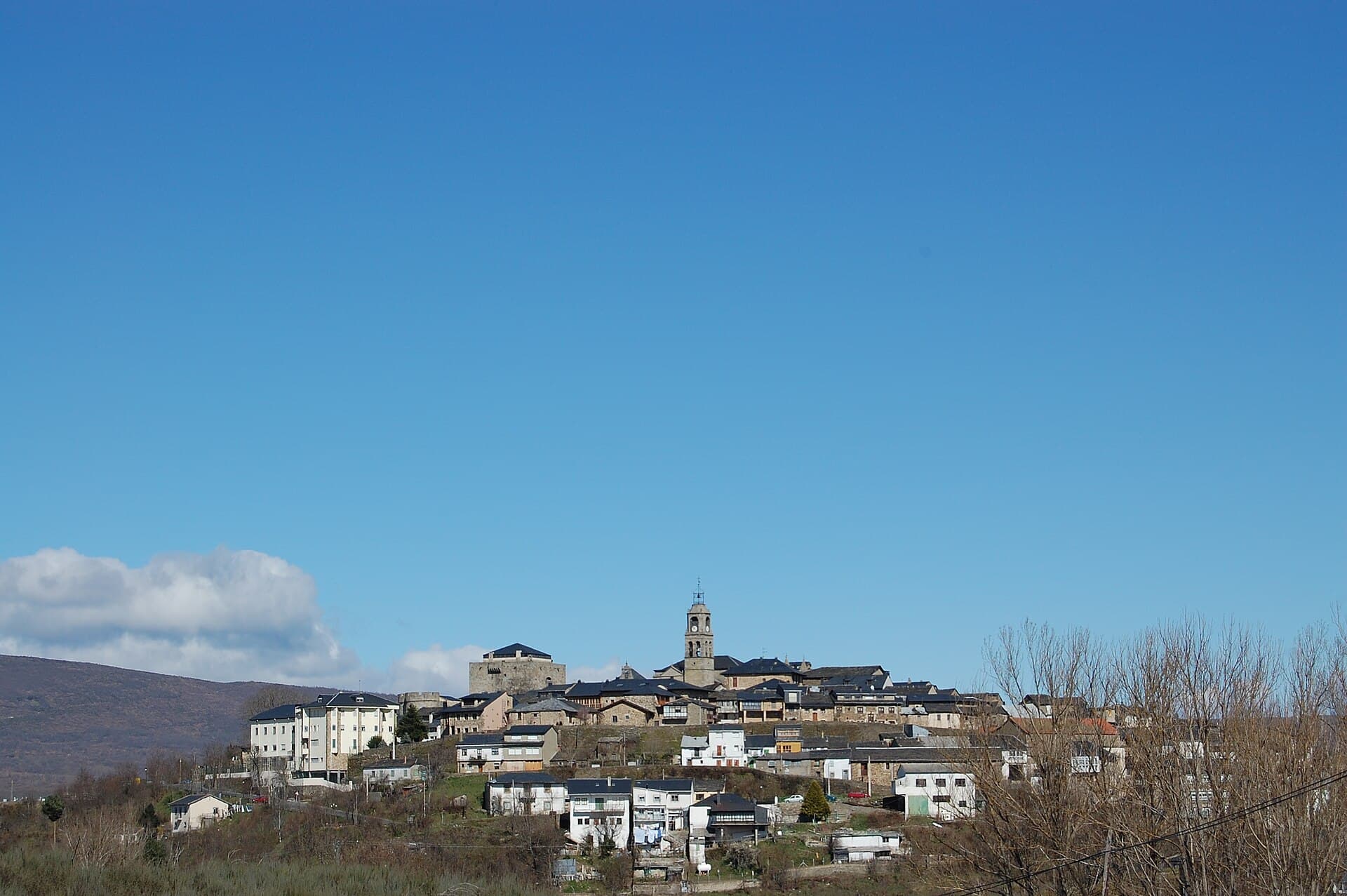 User:Dantadd / cc by-sa 2.5, via Wikimedia Commons
Tour de audio autoguiado de Puebla de Sanabria — ruta GPS a pie, reproducción offline, narración en 32 idiomas.
“Donde las piedras antiguas susurran historias y la naturaleza se despliega.”
No las postales. Las historias que ni los locales conocen — al oído, justo donde ocurrieron.
Dentro de las imponentes murallas del castillo de Puebla de Sanabria se alza una torre con un apodo bastante masculino.
Observe de cerca los antiguos capiteles románicos que adornan el pórtico de la iglesia principal del pueblo.
El histórico edificio administrativo del pueblo guarda un secreto sobre sus materiales de construcción.
Descubre todos los secretos de Puebla de Sanabria
Cada dirección, cada revelación al completo — a tu oído, justo donde ocurrió.
Eliges tus paradas. Caminas. La voz te revela lo que los demás ignoran.
Tu tour de audioguía por Puebla de Sanabria te espera — elige tus lugares, tu idioma y empieza al llegar.
ComprarLume incluye una guía de realidad aumentada. Levanta el móvil y su cámara muestra la calle que tienes delante, con una flecha luminosa sobre la imagen real que siempre apunta a tu próxima parada — sin mapas que descifrar, sin giros equivocados. Como todo en Lume, funciona completamente sin conexión.
Puebla de Sanabria, declarada Conjunto Histórico-Artístico, es una cautivadora ciudad medieval en el noroeste de la provincia de Zamora, España. Estratégicamente situada en un meandro protegido por la confluencia de los ríos Tera y Castro, la historia de la ciudad está profundamente entrelazada con su ubicación defensiva. Su trazado medieval bien conservado, caracterizado por calles estrechas, casas solariegas ancestrales y robustas murallas defensivas, invita a los visitantes a retroceder en el tiempo.
La ciudad sirve como centro económico y político de la comarca de Sanabria, que da nombre a la ruta de peregrinación del Camino Sanabrés. Más allá de su arquitectura histórica, Puebla de Sanabria es celebrada por su privilegiado entorno natural, particularmente su proximidad al Parque Natural del Lago de Sanabria, el lago glaciar más grande de España. Esta mezcla de patrimonio duradero y belleza natural virgen la convierte en un destino atractivo para quienes buscan tanto la inmersión cultural como la exploración al aire libre.
Las raíces de Puebla de Sanabria se remontan a la antigüedad, con algunos registros que sugieren su existencia alrededor del año 509 d.C., aunque estas menciones tempranas podrían haberse referido a la región en general. Documentación más precisa del siglo X la menciona como "urbe Senabrie", indicando su papel como centro organizativo para el área circundante. Su posición geográfica, en lo alto de un meandro donde se unen los ríos Tera y Castro, la convirtió en un punto estratégico vital y un lugar frecuente de conflicto a lo largo de la historia.
La característica definitoria de la ciudad, el Castillo de Sanabria, se levanta sobre el sitio de una estructura anterior del siglo XIII. La construcción del actual castillo-palacio comenzó en 1455 bajo Rodrigo Alonso Pimentel, el IV Conde de Benavente, y su esposa, María Pacheco. Las obras se interrumpieron debido a disputas financieras y hereditarias, pero se reanudaron en 1480 y se completaron en gran parte en 1499. El castillo, con su planta rectangular y su prominente torre del homenaje central conocida como 'El Macho', fue principalmente una residencia noble, aunque también sirvió como prisión para la nobleza. La Reina Juana de Castilla y su esposo, Felipe I, incluso se alojaron en el castillo en 1506.
Dada su proximidad a la frontera portuguesa, Puebla de Sanabria y su castillo sufrieron el embate de numerosas batallas durante el siglo XVII, incluida la Guerra de Restauración portuguesa. En 1647, la fortaleza fue declarada en ruinas. Durante la Guerra de Sucesión Española (1701–1715), tropas anglo-portuguesas atacaron la zona, y el castillo fue capturado por fuerzas portuguesas en 1710, manteniéndolo hasta 1716. Ingenieros elaboraron más tarde planes para adaptaciones militares en el siglo XVIII, y se llevaron a cabo más obras durante las Guerras Carlistas del siglo XIX. La propiedad del castillo se transfirió al ayuntamiento en 1887, y se emprendieron importantes esfuerzos de restauración a finales del siglo XX. En 2022, fue declarado oficialmente Bien de Interés Cultural por la Junta de Castilla y León.
Puebla de Sanabria desempeñó un papel en la Guerra de la Independencia (1808–1814), sirviendo como puesto defensivo para las fuerzas españolas y experimentando la ocupación francesa. Hoy en día, el castillo, completamente restaurado, funciona como un centro cultural y turístico, albergando un centro de visitantes, un ecomuseo y la oficina municipal de turismo. La ciudad misma fue reconocida como Conjunto Histórico-Artístico en 1940, la primera designación de este tipo en España, reconociendo su carácter medieval bien conservado y su importancia histórica.
Puebla de Sanabria ofrece una concentrada variedad de atracciones históricas y naturales. El imponente Castillo de Sanabria, una fortaleza del siglo XV, domina el horizonte. Los visitantes pueden explorar sus diversas salas, que ahora albergan un Centro de Interpretación de las Fortificaciones, una biblioteca municipal y espacios de exposición. Desde sus murallas, se despliegan amplias vistas de la comarca de Sanabria, incluyendo el río Tera y las montañas cercanas.
Junto al castillo, en la Plaza Mayor, se encuentra la Iglesia de Santa María del Azogue. Esta iglesia románica, que data del siglo XII, presenta añadidos góticos y una pila bautismal del siglo XIII con figuras talladas. También en la Plaza Mayor se encuentra el Ayuntamiento Isabelino, un edificio del siglo XVI notable por su distintivo estilo arquitectónico.
A poca distancia del castillo, la pequeña Ermita de San Cayetano barroca del siglo XVIII es una capilla llamativa. Más allá del entorno construido, el Parque Natural del Lago de Sanabria ofrece un escape tranquilo, con el lago glaciar más grande de España que brinda oportunidades para la relajación y actividades al aire libre.
Para disfrutar del clima más agradable y las actividades de clima cálido, la mejor época para visitar Puebla de Sanabria es desde finales de junio hasta principios de septiembre. Julio es típicamente el mes más cálido, con temperaturas máximas promedio durante el día alrededor de 26°C (79°F) y mínimas alrededor de 13°C (55°F). Este período también presenta los cielos más despejados y la menor cantidad de lluvia, lo que lo hace ideal para explorar la ciudad y sus alrededores naturales.
Puebla de Sanabria es una ciudad transitable a pie, especialmente su centro histórico con sus antiguas callejuelas. La Oficina Municipal de Turismo está convenientemente ubicada dentro del castillo, proporcionando información sobre la ciudad y sus alrededores. Aunque no hay albergues municipales, alojamientos privados como el Albergue Casa Luz ofrecen estancias económicas. Otras opciones incluyen Hostal San Francisco, Hostal La Trucha y Hotel La Casuca Sanabresa. La ciudad es una parada clave en el Camino Sanabrés, por lo que los servicios para peregrinos están disponibles. Conducir desde Madrid toma aproximadamente 3 horas y 30 minutos, cubriendo unos 359 kilómetros. Es aconsejable consultar el sitio web oficial del ayuntamiento para conocer los horarios de apertura más actualizados de las atracciones, ya que algunos sitios más pequeños como la Ermita de San Cayetano pueden tener acceso limitado.
Puebla de Sanabria en coreano, en chino o en hebreo — y 29 idiomas más, cada parada narrada por una voz nativa. La mayor variedad de idiomas de cualquier audioguía autoguiada.
Disponible en: