Temple de Guanghua
Un ancien temple à Putian recèle un secret entre ses murs, un témoignage de siècles de résilience.
L'histoire complète se débloque dans le tour
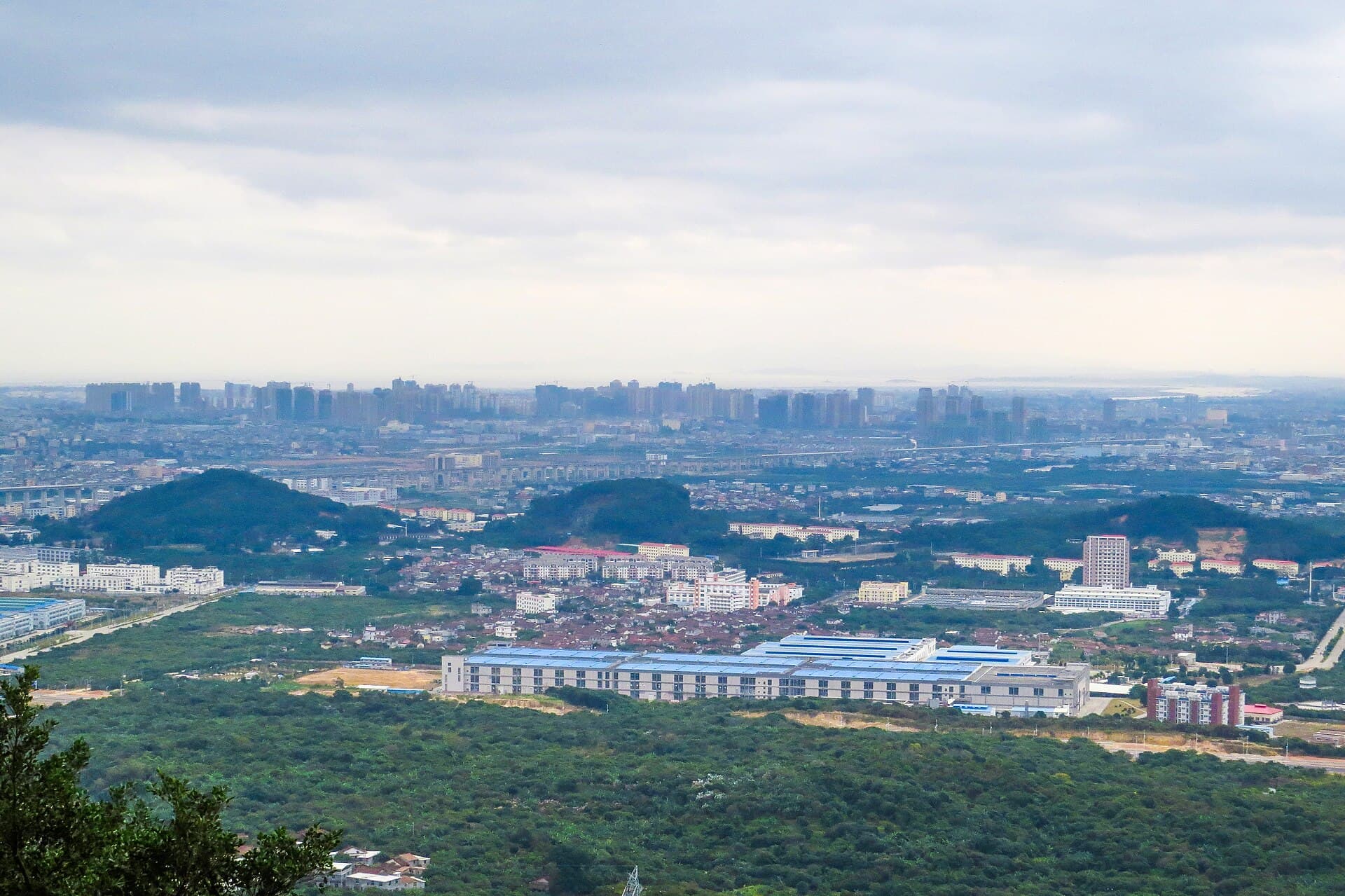 N509FZ / CC BY-SA 4.0, via Wikimedia Commons
Visite audio autoguidée de Putian — parcours GPS à pied, lecture hors ligne, narration en 32 langues.
“Là où les légendes ancestrales rencontrent les courants côtiers.”
Pas les cartes postales. Les histoires que même les habitants ignorent — soufflées à l'oreille, là où elles se sont passées.
Un ancien temple à Putian recèle un secret entre ses murs, un témoignage de siècles de résilience.
L'architecture traditionnelle de Putian raconte une histoire d'identité locale et de connexions mondiales.
The traditional architecture of Putian tells a story of both local identity and global connections.
Découvrez tous les secrets de Putian
Chaque adresse, chaque révélation en entier — dans ton oreille, là où elle s'est passée.
Tu choisis tes lieux. Tu marches. La voix te révèle ce que les autres ignorent.


Votre visite audioguidée de Putian vous attend — choisissez vos lieux, votre langue, et lancez-vous dès votre arrivée.
AcheterLume intègre un guide en réalité augmentée. Levez votre téléphone : sa caméra montre la rue devant vous, avec une flèche lumineuse posée sur l'image réelle qui pointe toujours vers votre prochain arrêt — aucune carte à déchiffrer, aucun mauvais virage. Comme tout dans Lume, ça fonctionne entièrement hors-ligne.
Putian, une ville côtière de la province du Fujian en Chine, offre un mélange captivant de traditions maritimes anciennes et d'un rythme moderne dynamique. Située entre les grandes villes de Fuzhou au nord et Quanzhou au sud, avec le détroit de Taiwan à l'est, Putian est un centre culturel et économique important. L'identité de la ville est profondément liée à la mer, comme en témoignent son littoral déchiqueté pittoresque, ses baies tranquilles et ses îles verdoyantes. Avec une population de plus de 3,1 millions d'habitants, Putian conserve l'atmosphère d'une région côtière accueillante tout en contribuant de manière significative à l'économie provinciale.
Au-delà de sa signification spirituelle en tant que lieu de naissance de la déesse de la mer Mazu, Putian surprend les visiteurs par ses diverses offres. La région est réputée pour ses vastes vergers, cultivant des variétés uniques de litchis et de pomelos qui sont distribuées dans toute la Chine et exportées. Des temples anciens et de l'opéra traditionnel aux quartiers industriels animés, Putian offre un aperçu authentique d'une ville où les légendes prennent vie au son du ressac.
L'histoire documentée de Putian remonte à plus de 1 400 ans, avec ses origines en tant que zone administrative établie en 568 de notre ère en tant que comté pendant la dynastie des Chen du Sud. Initialement nommé « Putian » (signifiant « champs de roseaux ») d'après une prairie marécageuse dans la vallée de la rivière Mulan, les premières tentatives de gouvernance furent intermittentes. Cependant, son statut fut solidifié sous la dynastie Tang en 622 après J.-C., ouvrant la voie à son développement ultérieur.
Pendant la dynastie Song (960-1279), Putian connut un âge d'or, fleurissant en tant que centre d'éducation et de culture. La région fut élevée au rang d'armée de Xinghua en 980 après J.-C., une décision qui reflétait les efforts impériaux pour consolider le contrôle et favoriser la croissance locale. Cette époque vit également la construction du barrage de Mulan en 959 après J.-C., un projet d'irrigation vital qui soutint l'expansion agricole dans la plaine de Putian. La ville gagna les titres de « Terre de culture et de littérature » et de « Zou Lu du bord de mer » en raison de son grand nombre d'érudits ayant réussi les examens impériaux.
Un moment charnière de l'histoire de Putian fut la naissance du culte de Mazu, la déesse de la mer, sur l'île de Meizhou. Cela transforma Putian en un centre de pèlerinage mondial, attirant des adeptes et renforçant son influence culturelle le long de la côte et parmi les diasporas chinoises du monde entier. La croyance et les coutumes de Mazu furent même inscrites sur la Liste représentative du patrimoine culturel immatériel de l'humanité par l'UNESCO en 2009.
Plus récemment, la ville de Putian fut officiellement établie en 1983. Aujourd'hui, elle continue d'évoluer, équilibrant ses profondes racines historiques avec une modernisation rapide. La ville est également connue comme l'un des plus grands centres mondiaux de production de chaussures de sport, ce qui lui vaut le surnom officieux de « capitale chinoise de la chaussure », de grandes marques de sport y ayant établi des installations de production depuis les années 1980.
L'île de Meizhou est une attraction majeure, reconnue comme le lieu de naissance de Mazu, la déesse vénérée de la mer. Le temple ancestral de Mazu sur l'île est un site de pèlerinage important, souvent appelé le « Palais du Potala de la mer », et abrite une statue de Mazu vieille de mille ans sculptée dans du bois de camphre. Les visiteurs peuvent assister à la cérémonie de « Culte matinal de Mazu et chant de sutras pour les bénédictions », qui a lieu tous les jours à 6h36, bien qu'une réservation préalable soit requise. L'île offre également des plages pittoresques comme la plage de Hongbiwei et des formations rocheuses uniques.
Le temple de Guanghua, situé au pied du mont Fenghuang (Phénix), est un autre monument historique de plus de 1 400 ans d'histoire. Il est considéré comme l'un des quatre grands monastères bouddhistes du Fujian et abrite la pagode Sakyamuni, réputée pour ses sculptures complexes. Le temple de Shaolin du Sud, initialement connu sous le nom de temple de Linquan, est reconnu comme un lieu de naissance du Kung Fu Shaolin du Sud et combine l'héritage bouddhiste avec les traditions des arts martiaux.
Pour la beauté naturelle, le lac Jiuli, à environ 31 kilomètres du comté de Xianyou, est réputé pour ses lacs naturels, ses grottes, ses piscines et les cascades de Jiuji, l'une des « Trois merveilles de la province du Fujian ». La zone historique et culturelle de Xinghuafu, dans le centre-ville de Putian, offre un aperçu du passé avec des rues bien conservées, d'anciens bâtiments des dynasties Ming et Qing, et une rue du patrimoine culturel immatériel où les traditions et l'artisanat locaux sont exposés.
Putian connaît un climat de mousson océanique subtropical, caractérisé par des hivers doux et courts et des étés longs, chauds et humides. Les périodes les plus agréables pour visiter sont le printemps (mars à mai) et l'automne (octobre à novembre). Pendant ces périodes, le temps est ensoleillé et sec avec des températures agréables, idéales pour les activités de plein air comme les excursions en bateau vers l'île de Meizhou et les randonnées côtières. L'été, de mai à septembre, voit des températures dépassant souvent les 30°C avec une forte humidité et la saison des pluies. L'hiver, de décembre à février, est doux avec des températures moyennes d'environ 12°C, ce qui le rend propice aux visites touristiques sans grandes foules.
Putian est desservie par les aéroports voisins tels que Fuzhou Changle et Xiamen Gaoqi, avec des trains à grande vitesse offrant des liaisons pratiques vers la gare de Putian depuis ces villes et d'autres comme Shanghai et Guangzhou. Dans la ville, les taxis sont facilement disponibles, et l'installation de l'application Didi peut simplifier le transport. Les transports en commun sont une option, ou envisagez de louer un vélo pour explorer. Lors de la visite de temples et de sites religieux, des vêtements modestes couvrant les épaules et les genoux sont recommandés. La monnaie locale est le Yuan chinois (CNY), et il est conseillé d'avoir de l'argent liquide car tous les établissements n'acceptent pas les cartes de crédit. L'hébergement va des auberges aux hôtels de luxe, et il est recommandé de réserver à l'avance, surtout pendant les hautes saisons.
Putian en coréen, en chinois ou en hébreu — et dans 29 autres langues, chaque étape narrée par une voix native. La plus large gamme de langues de tous les audioguides autoguidés.
Disponible en :