Casa de Julieta (Casa di Giulietta)
Llegas para admirar el famoso balcón, pero ¿sabías que su presencia es una adición relativamente reciente?
La historia completa se desbloquea en el tour
 Photo: Maksym Harbar / Unsplash
Tour de audio autoguiado de Romeo & Juliet in Verona — ruta GPS a pie, reproducción offline, narración en 32 idiomas.
“Donde las piedras antiguas susurran secretos de amantes desdichados.”
No las postales. Las historias que ni los locales conocen — al oído, justo donde ocurrieron.
Llegas para admirar el famoso balcón, pero ¿sabías que su presencia es una adición relativamente reciente?
Mientras la casa de Julieta abraza su notoriedad, el hogar ancestral de Romeo mantiene una conexión histórica más tranquila, pero posiblemente más auténtica.
Este antiguo anfiteatro romano esconde un secreto que explica la significativa ausencia de su estructura original.
Descubre todos los secretos de Romeo & Juliet in Verona
Cada dirección, cada revelación al completo — a tu oído, justo donde ocurrió.
Eliges tus paradas. Caminas. La voz te revela lo que los demás ignoran.
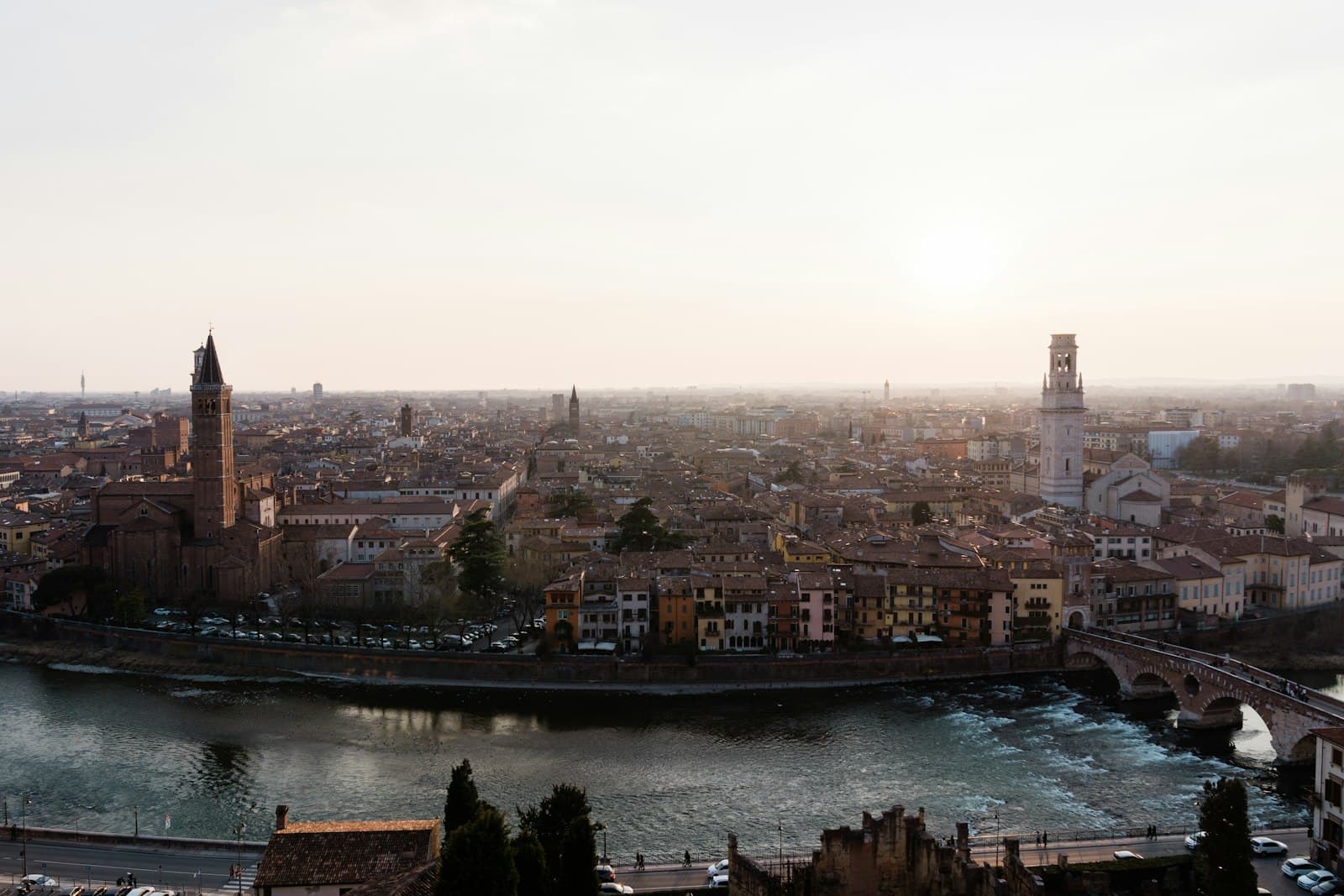
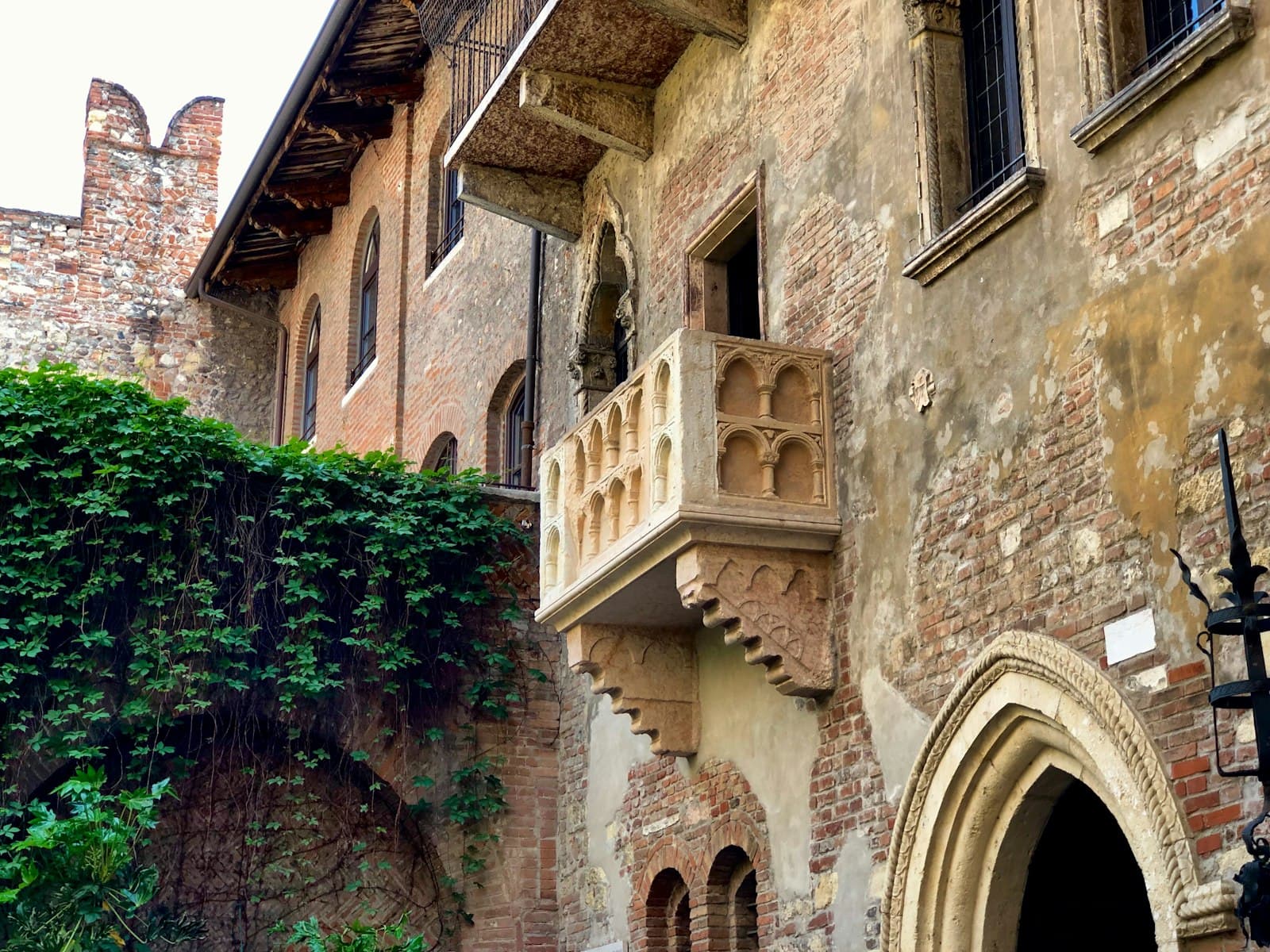
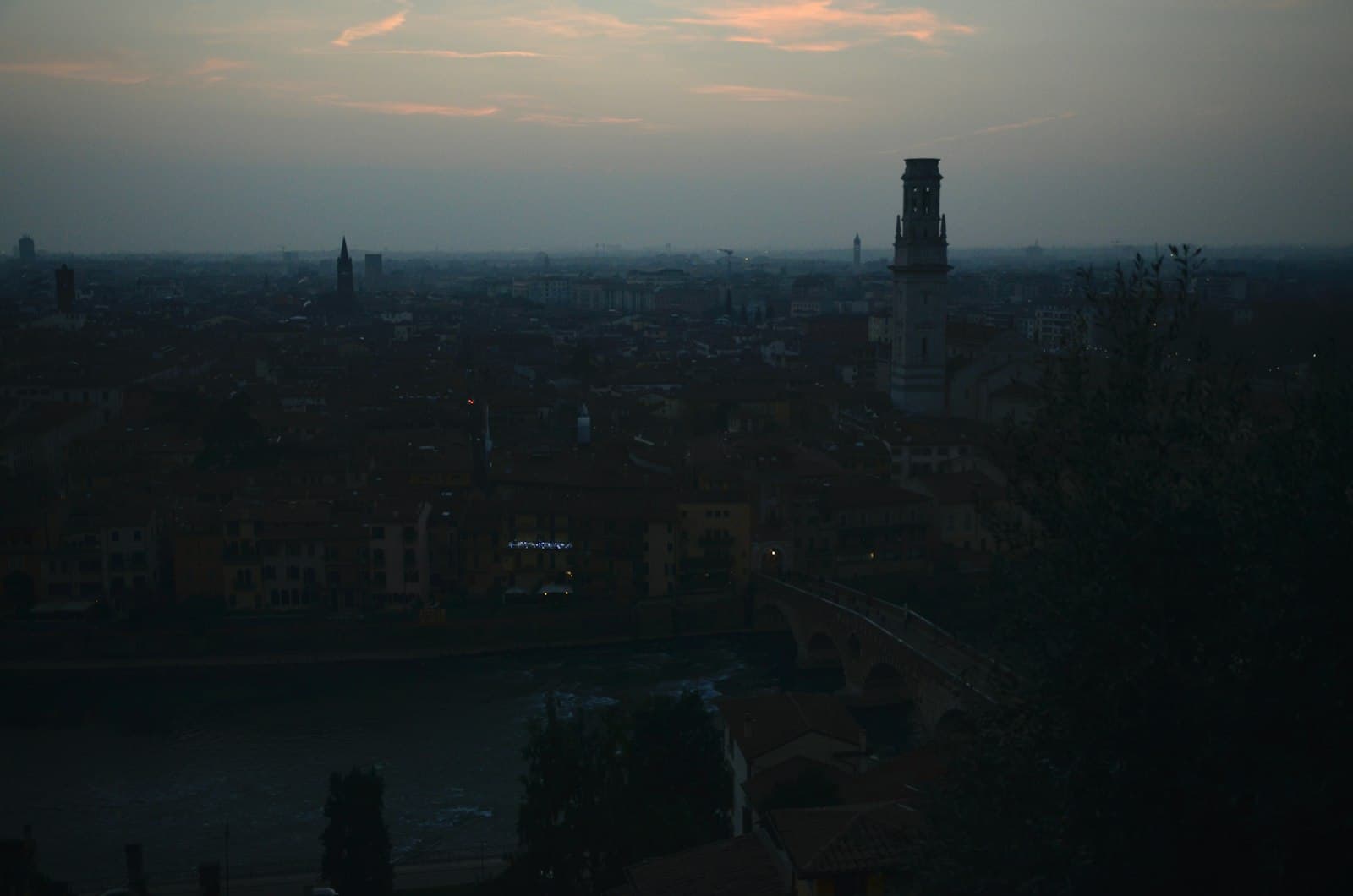
Tu tour de audioguía por Romeo & Juliet in Verona te espera — elige tus lugares, tu idioma y empieza al llegar.
ComprarAdéntrate en el corazón de Verona, una ciudad eternamente entrelazada con el conmovedor romance de Romeo y Julieta de Shakespeare. Este recorrido de audio autoguiado te invita a seguir los pasos de los amantes desdichados, explorando las mismas avenidas, patios y monumentos antiguos que inspiraron una de las historias de amor más perdurables del mundo. Aunque Shakespeare probablemente nunca pisó Verona, se basó magistralmente en novelas italianas y el entorno histórico de la ciudad para crear un mundo tan vívido que ha cautivado la imaginación durante siglos.
La narrativa de Verona se remonta a sus inicios como colonia romana en el siglo I a.C., prosperando en la intersección de las rutas comerciales del norte. La importancia estratégica de la ciudad resultó en una rica superposición de estilos arquitectónicos, desde cimientos romanos hasta castillos medievales y palacios renacentistas. Esta convergencia de épocas es precisamente lo que le confiere a Verona su carácter distintivo y proporciona el escenario ideal para una historia de antiguas rivalidades y afecto apasionado. El centro histórico es ahora Patrimonio de la Humanidad por la UNESCO, reconocido por su excepcional preservación de estructuras romanas, medievales y renacentistas.
Durante la Edad Media, Verona fue gobernada por influyentes familias como los Scaligeri, quienes dejaron una huella indeleble en la arquitectura y el paisaje político de la ciudad. Los señores Scaligeri fortificaron la ciudad, construyendo impresionantes puentes, altas murallas y palacios que continúan definiendo el paisaje urbano de Verona hoy en día. Fue este período de clanes nobles en contienda y dinámicas de poder cambiantes lo que proporcionó el contexto histórico para las familias enemistadas en la obra de Shakespeare. Los nombres Montecchi y Cappelletti, que inspiraron a los Montagues y Capuletos, eran de hecho familias veronesas reales, aunque su conflicto directo tal como se representa en la obra es un embellecimiento literario.
Romeo y Julieta de Shakespeare, escrita alrededor de 1594-1596, no fue una creación original, sino que se basó en tradiciones de novelas italianas anteriores. Estas fuentes, como la Historia de Luigi da Porto de 1531, ya habían situado la trágica historia de amor en Verona. El genio del Bardo transformó estas narrativas existentes en una tragedia inmortal, consolidando para siempre la reputación de Verona como la ciudad del amor. Incluso el "Príncipe de Verona" en la obra, "Escalus", se hace eco sutilmente de los históricos gobernantes Scaligeri.
Este recorrido te guía por los lugares más evocadores de Verona conectados con la leyenda de Romeo y Julieta. Comenzarás en la Casa de Julieta (Casa di Giulietta), donde podrás entrar al patio y contemplar el famoso balcón, imaginando las declaraciones de amor susurradas. A continuación, te encontrarás con el exterior de la Casa de Romeo (Casa di Romeo), un palacio medieval que se cree que perteneció a la familia Montecchi, ofreciendo un vistazo al hogar rival.
El viaje continúa hasta la Tumba de Julieta, un conmovedor sitio dentro de un antiguo convento franciscano, invitando a la contemplación sobre el trágico final de los amantes. Luego explorarás la Piazza delle Erbe, el antiguo foro romano y una animada plaza de mercado, donde la bulliciosa vida de la Verona medieval se habría desarrollado. Cerca, te espera la Piazza dei Signori, una elegante plaza enmarcada por palacios históricos que alguna vez sirvieron como el corazón político de la ciudad, con una prominente estatua de Dante. Finalmente, te encontrarás con la majestuosa Arena Romana, un colosal anfiteatro que se erige como testimonio del pasado antiguo de Verona y continúa albergando grandes espectáculos hoy en día. Una parada final en Castelvecchio, una formidable fortaleza medieval, completa tu exploración de la dramática historia de Verona.
Verona ofrece sus encantos durante todo el año, pero para este recorrido a pie, considera visitarla en primavera (abril-mayo) o principios de otoño (septiembre-octubre) para disfrutar de un clima agradable y menos multitudes. El verano (junio-agosto) puede ser bastante cálido, especialmente en plazas abiertas como Piazza Bra y la Arena, y el número de turistas alcanza su punto máximo. Si visitas en verano, intenta ir por las mañanas temprano o las tardes para evitar el sol del mediodía. Los museos suelen estar cerrados los lunes por la mañana, y las iglesias pueden tener acceso restringido durante los servicios dominicales por la mañana u otras ceremonias.
Este recorrido está diseñado para realizarse íntegramente a pie, ya que el centro histórico de Verona es compacto y apto para peatones. Usa zapatos cómodos, ya que caminarás por calles pavimentadas. El recorrido incluye paradas al aire libre, así que consulta el pronóstico del tiempo y vístete apropiadamente. Considera llevar una botella de agua reutilizable, especialmente durante los meses más cálidos. Si bien el recorrido se centra en exteriores y espacios públicos, algunos sitios como la Casa de Julieta y la Tumba de Julieta tienen tarifas de entrada si deseas acceder. Para una experiencia narrativa más inmersiva, se recomienda encarecidamente el uso de auriculares. Permanece atento a tus pertenencias, especialmente en zonas concurridas.
Romeo & Juliet in Verona en coreano, en chino o en hebreo — y 29 idiomas más, cada parada narrada por una voz nativa. La mayor variedad de idiomas de cualquier audioguía autoguiada.
Disponible en: