El Mercado Central
Este edificio del mercado, aparentemente ordinario, guarda un secreto en su construcción que desafió las probabilidades.
La historia completa se desbloquea en el tour
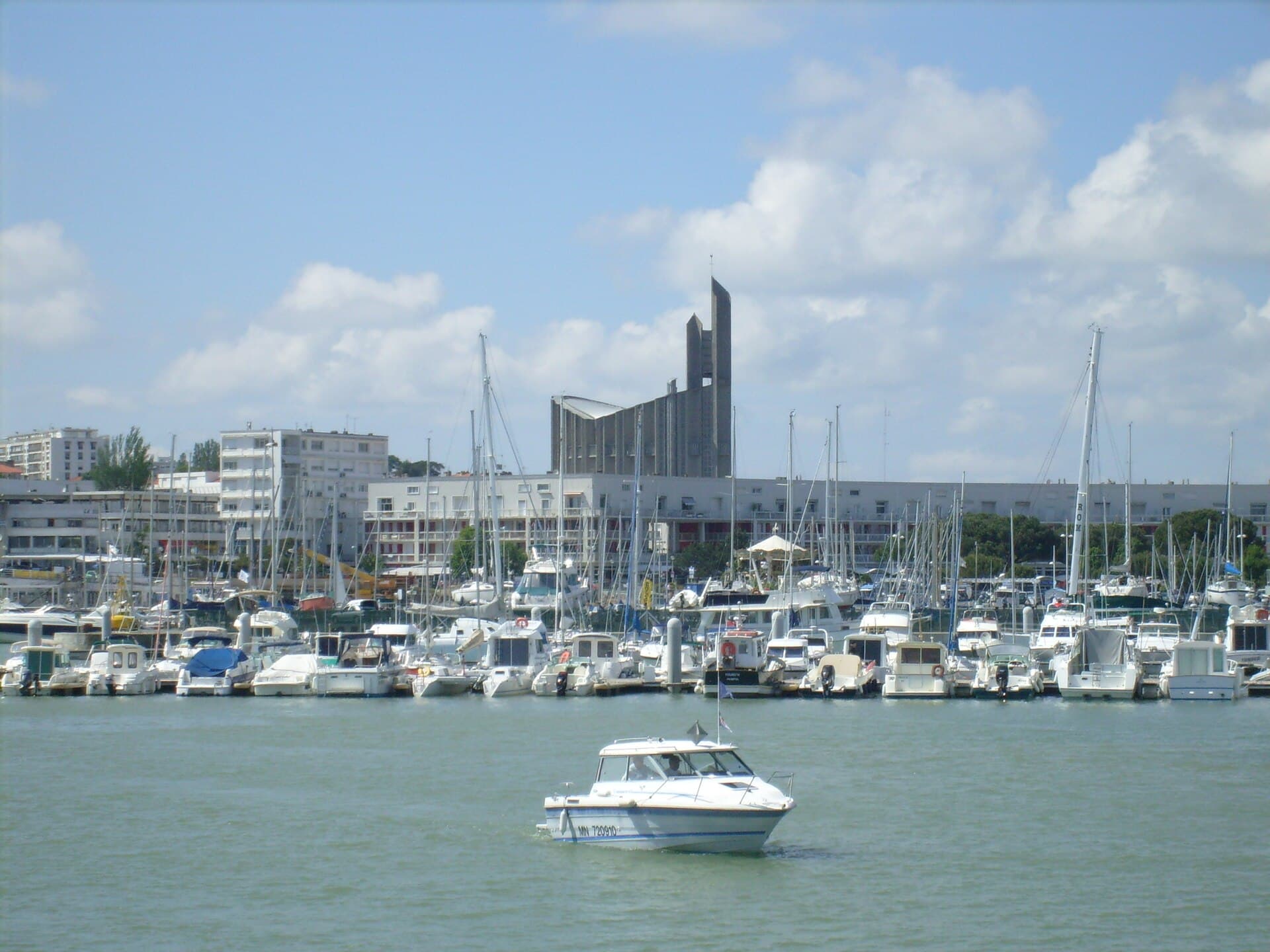 Cobber17 / CC BY-SA 3.0, via Wikimedia Commons
Tour de audio autoguiado de Royan — ruta GPS a pie, reproducción offline, narración en 32 idiomas.
“Donde la gracia de la Belle Époque se encuentra con la audacia modernista.”
No las postales. Las historias que ni los locales conocen — al oído, justo donde ocurrieron.
Este edificio del mercado, aparentemente ordinario, guarda un secreto en su construcción que desafió las probabilidades.
Una de las playas más frecuentadas de Royan fue una vez hogar de un casino con una existencia sorprendentemente efímera.
El distintivo estilo modernista de la ciudad no fue solo una elección de diseño local; se inspiró en una fuente inesperada y distante.
Descubre todos los secretos de Royan
Cada dirección, cada revelación al completo — a tu oído, justo donde ocurrió.
Eliges tus paradas. Caminas. La voz te revela lo que los demás ignoran.


Tu tour de audioguía por Royan te espera — elige tus lugares, tu idioma y empieza al llegar.
ComprarLume incluye una guía de realidad aumentada. Levanta el móvil y su cámara muestra la calle que tienes delante, con una flecha luminosa sobre la imagen real que siempre apunta a tu próxima parada — sin mapas que descifrar, sin giros equivocados. Como todo en Lume, funciona completamente sin conexión.
Royan, una cautivadora ciudad costera en la costa atlántica de Francia, ofrece una mezcla única de historia, audacia arquitectónica y belleza costera. Situada en la desembocadura del estuario de la Gironda, la ciudad es conocida por sus cinco playas de arena y su activo puerto deportivo. Lo que realmente distingue a Royan es su llamativa arquitectura modernista de la década de 1950, un testimonio de su dramática reconstrucción posterior a la Segunda Guerra Mundial.
Antaño un balneario favorito de la Belle Époque, Royan fue casi completamente destruida por los bombardeos aliados en 1945. De estas cenizas, surgió un "laboratorio de urbanismo", donde audaces ideas arquitectónicas, influenciadas por el modernismo brasileño, transformaron la ciudad en un escaparate del diseño de mediados del siglo XX. Hoy, Royan entrelaza a la perfección las villas del siglo XIX que sobrevivieron con las líneas limpias de su reconstrucción de hormigón y vidrio, creando una ciudad de contrastes intrigantes.
La historia de Royan se remonta a la antigüedad, con evidencia arqueológica que sugiere habitación ya en el Neolítico. Evolucionó hasta convertirse en un asentamiento organizado durante la era galorromana, probablemente tomando su nombre de un terrateniente romano. A principios de la Edad Media, era un punto fortificado en la costa atlántica.
Durante la Guerra de los Cien Años, Royan cayó bajo control inglés después del matrimonio de Leonor de Aquitania con Enrique Plantagenet, quien se convirtió en el rey Enrique II de Inglaterra. Los ingleses reforzaron las defensas de la ciudad. Royan finalmente regresó al dominio francés en 1451. En el siglo XVII, se convirtió en un bastión protestante, lo que llevó a su asedio y destrucción por las tropas reales del rey Luis XIII en 1622.
El siglo XIX marcó la transformación de Royan en un balneario de moda. Los baños de mar organizados comenzaron en 1819, y la ciudad vio una activa construcción de casinos y grandes hoteles para alojar a una clientela aristocrática. La llegada del ferrocarril en 1875 consolidó aún más su estatus como un destino popular, atrayendo a turistas de París y más allá. Este período de la Belle Époque vio un florecimiento de estilos arquitectónicos eclécticos, con villas caprichosas que presentaban torretas, balcones tallados y fachadas variadas.
Sin embargo, esta era de prosperidad fue trágicamente interrumpida durante la Segunda Guerra Mundial. Royan, una fortaleza alemana que defendía el estuario de la Gironda, fue sometida a devastadores bombardeos aliados a finales de 1944 y principios de 1945, dejando la ciudad casi completamente destruida. Posteriormente, Royan fue designada como "laboratorio de urbanismo" y se sometió a un importante esfuerzo de reconstrucción liderado por arquitectos como Claude Ferret y Guillaume Gillet. Este ambicioso proyecto, completado en casi dos décadas, adoptó principios modernistas, lo que resultó en el paisaje arquitectónico único de la década de 1950 que se ve hoy. En reconocimiento a este patrimonio distintivo, Royan recibió el estatus de "Ciudad de Arte e Historia" en 2010.
El singular paisaje arquitectónico de Royan es un atractivo principal. La Iglesia de Notre-Dame de Royan, una obra maestra de la arquitectura moderna de hormigón completada en 1958, es particularmente notable por su audaz diseño que se asemeja a la proa de un barco. El Mercado Central, con su distintiva cúpula en forma de paracaídas, es otra estructura icónica de la década de 1950 y un lugar animado para productos locales. Pasee por el paseo marítimo para observar el sorprendente contraste entre las villas de la Belle Époque que sobrevivieron y los edificios modernistas.
Más allá de la arquitectura, Royan ofrece cinco playas de arena, conocidas localmente como conches, ideales para la relajación y los deportes acuáticos. La Grande Conche es la más conocida, extendiéndose por más de 2 kilómetros. Para aquellos que buscan aventura, se recomiendan encarecidamente los viajes en barco al Faro de Cordouan, un sitio del Patrimonio Mundial de la UNESCO a menudo llamado la 'Versalles del Mar'. El propio estuario de la Gironda ofrece oportunidades para excursiones y exploración. Cerca, el distrito de Pontaillac cuenta con una playa popular y un casino.
La mejor época para visitar Royan para actividades de clima cálido es de mediados de junio a mediados de septiembre. Durante julio y agosto, las temperaturas promedian entre 21 y 26 °C (70 y 79 °F), con mínimas precipitaciones, lo que lo hace ideal para vacaciones en la playa. La primavera y el otoño ofrecen temperaturas agradables y moderadas con menos multitudes, aunque prepárese para un clima más cambiante y mayores precipitaciones en comparación con el verano. Los inviernos son suaves y húmedos, con temperaturas diurnas de alrededor de 8 a 12 °C (46 a 54 °F), y aunque las heladas severas son raras, de noviembre a enero son los días más nublados y lluviosos.
Royan está bien conectada y es fácil de navegar. La ciudad tiene una estación de tren que conecta con Saintes, Angoulême y Niort, con enlaces TGV de alta velocidad a Burdeos y París. El viaje desde París en tren, incluyendo un transbordo, suele durar entre 3,5 y 4,5 horas. La red local Cara'Bus opera nueve líneas de autobús regulares, con servicios frecuentes que conectan las principales instalaciones y centros urbanos. Durante el verano, líneas especiales atienden a los turistas. Para explorar las áreas circundantes, un coche proporciona flexibilidad, con amplio aparcamiento disponible. Además, un servicio de alquiler de bicicletas de autoservicio, Cara'Vel, está disponible en el centro de Royan, con estaciones cerca de sitios populares como el puerto, el mercado y la playa de Pontaillac. Para cruzar el estuario de la Gironda, un servicio de ferry opera entre Royan y Le Verdon-sur-Mer.
Royan en coreano, en chino o en hebreo — y 29 idiomas más, cada parada narrada por una voz nativa. La mayor variedad de idiomas de cualquier audioguía autoguiada.
Disponible en: