Église Saint-Jean-Baptiste
Cette église romano-byzantine recèle un secret sur sa conception originale qui la distingue des autres églises de la région.
L'histoire complète se débloque dans le tour
 Père Igor / CC BY-SA 3.0, via Wikimedia Commons
Visite audio autoguidée de Saint-Jean-de-Côle — parcours GPS à pied, lecture hors ligne, narration en 32 langues.
“Là où les pierres médiévales rencontrent le doux murmure de la Côle.”
Pas les cartes postales. Les histoires que même les habitants ignorent — soufflées à l'oreille, là où elles se sont passées.
Cette église romano-byzantine recèle un secret sur sa conception originale qui la distingue des autres églises de la région.
La paisible rivière Côle, qui donne son nom au village, abrite un indicateur surprenant de sa qualité immaculée.
L'ancien pont de pierre enjambant la Côle présente un détail de construction qui témoigne de l'ingéniosité locale.
Découvrez tous les secrets de Saint-Jean-de-Côle
Chaque adresse, chaque révélation en entier — dans ton oreille, là où elle s'est passée.
Tu choisis tes lieux. Tu marches. La voix te révèle ce que les autres ignorent.

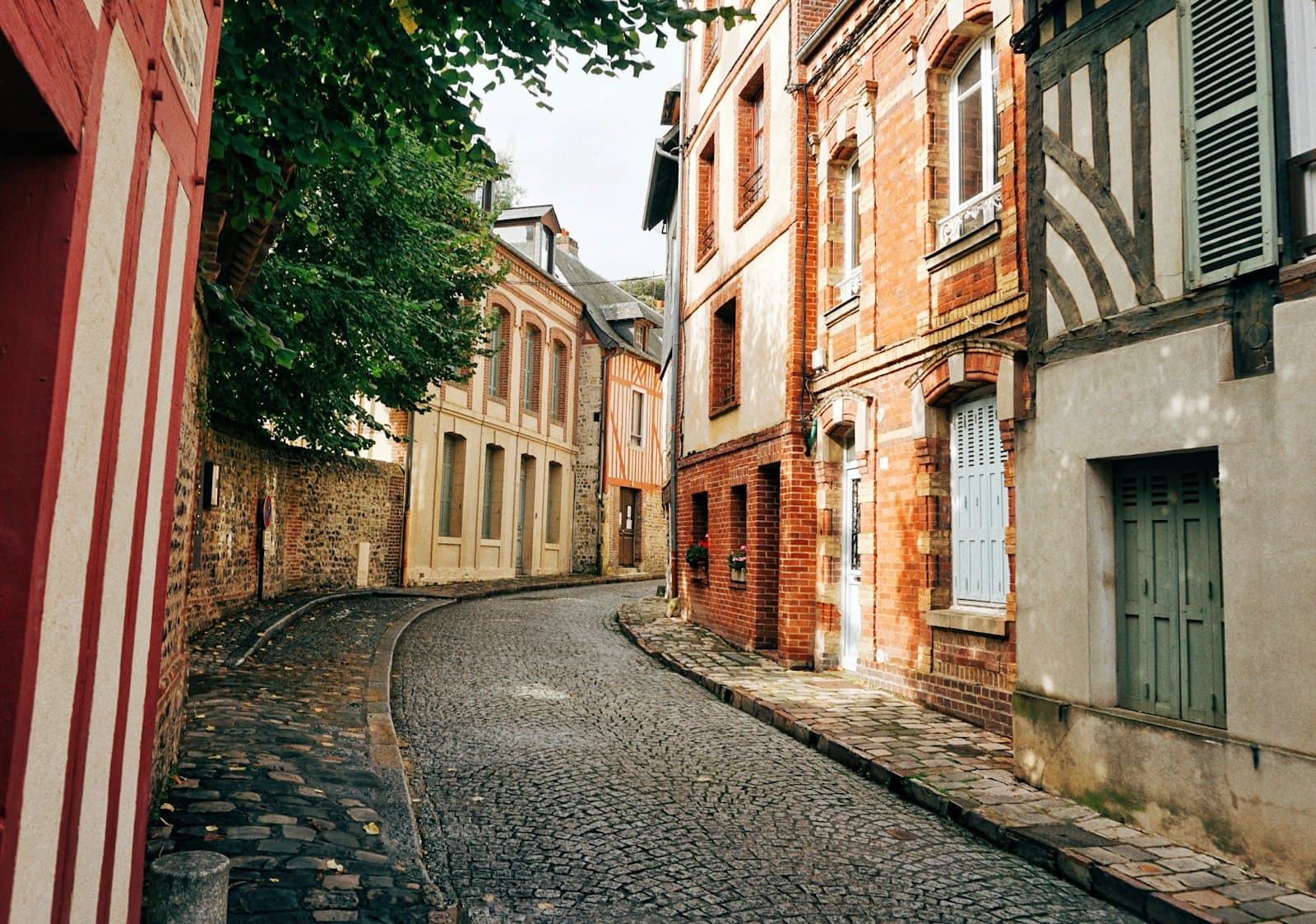

Votre visite audioguidée de Saint-Jean-de-Côle vous attend — choisissez vos lieux, votre langue, et lancez-vous dès votre arrivée.
AcheterLume intègre un guide en réalité augmentée. Levez votre téléphone : sa caméra montre la rue devant vous, avec une flèche lumineuse posée sur l'image réelle qui pointe toujours vers votre prochain arrêt — aucune carte à déchiffrer, aucun mauvais virage. Comme tout dans Lume, ça fonctionne entièrement hors-ligne.
Saint-Jean-de-Côle, un village du département de la Dordogne en Nouvelle-Aquitaine, figure parmi « Les Plus Beaux Villages de France ». Cette distinction témoigne de son caractère médiéval préservé, évident dans ses maisons de pierre ancestrales, les chemins usés de ses rues et un pont médiéval enjambant la Côle. Le patrimoine architectural du village, avec sa pierre ocre et ses toits de tuiles brunes, crée un tableau d'une profonde pittoresque.
La vie à Saint-Jean-de-Côle s'articule autour de sa place centrale, où le Château de la Marthonie, l'église Saint-Jean-Baptiste et son prieuré se dressent avec une dignité tranquille. Le village est compact et accueillant pour les piétons, ce qui le rend idéal pour des promenades sans hâte dans ses ruelles étroites. Les visiteurs peuvent observer les détails architecturaux des maisons à colombages et s'imprégner de l'atmosphère sereine qui règne sur les lieux.
L'histoire de Saint-Jean-de-Côle est intimement liée au Château de la Marthonie, une forteresse médiévale qui veille sur le village depuis le XIIe siècle. Le village tire son nom de Saint Jean-Baptiste, le saint patron de son église, et de la Côle. Le prieuré de Saint-Jean-de-Côle a été fondé entre 1081 et 1101 par Raynaud de Thiviers, alors évêque de Périgueux, et abritait initialement des chanoines augustins. En 1192, le prieuré avait amassé une richesse considérable et reçu la protection papale du pape Célestin III.
À la fin du XIVe et au début du XVe siècle, le prieuré et le village ont enduré la guerre de Cent Ans, subissant des invasions et des sièges anglais qui ont laissé les bâtiments monastiques en ruines et dispersé temporairement les chanoines. Le pape Eugène IV a encouragé la reconstruction du prieuré vers 1436. Le Château de la Marthonie, construit pour la première fois au XIIe siècle, a subi d'importants dommages pendant cette période et a été reconstruit aux XVe, XVIe et XVIIe siècles. Au XVIe siècle, les seigneurs locaux de La Marthonie sont devenus de fait propriétaires du prieuré. Le village a également été dévasté pendant les guerres de Religion.
Au XIXe siècle, Saint-Jean-de-Côle a connu une résurgence économique avec la construction d'une ligne de chemin de fer reliant Angoulême et Brive, qui traversait le village. Cela a entraîné une augmentation temporaire de la population, la commune atteignant jusqu'à 800 habitants. Cependant, le village a ensuite connu un déclin dû aux pertes de la Première Guerre mondiale et à l'exode rural, stabilisant sa population dans les années 1970 avec un afflux de résidents secondaires. En 2023, la population estimée de Saint-Jean-de-Côle est de 354 habitants. Aujourd'hui, le village prospère grâce au tourisme, attirant les visiteurs par son patrimoine architectural bien préservé et son charme tranquille.
Commencez votre exploration sur la place centrale, où se dresse le Château de la Marthonie. Bien que l'intérieur du château soit une propriété privée et généralement non ouvert au public, des visites guidées de son extérieur, de son grand escalier du XVIIe siècle et d'une grande salle restaurée sont proposées de juillet à mi-septembre. Adjacent au château se trouve l'église Saint-Jean-Baptiste, une structure romano-byzantine du XIIe siècle à l'architecture unique, comprenant 75 modillons (petites sculptures) sous les toits de ses chapelles. À l'extérieur de l'église, vous pouvez observer d'anciens sarcophages anthropomorphes.
Descendez jusqu'au pont gothique médiéval enjambant la Côle, un endroit tranquille pour admirer le village. Vous pouvez même tremper vos pieds dans l'eau fraîche de la rivière pendant les mois plus chauds. Les rues étroites et pavées du village sont bordées de maisons en pierre ocre et à colombages, souvent fleuries. Cherchez la Fontaine de l'Amour, une source dont on dit qu'elle accorde l'amour éternel à ceux qui en boivent avec leur bien-aimé. Pour une perspective différente, envisagez de marcher ou de faire du vélo le long de la Voie Verte, une ancienne ligne de chemin de fer près du village. L'ancienne gare de Saint-Jean-de-Côle est à environ un kilomètre et marque le début de ce sentier de 17 kilomètres.
Saint-Jean-de-Côle est une destination qui peut être appréciée tout au long de l'année. Le printemps, en particulier mai, offre une expérience animée car le village accueille les Floralies de Saint Jean, un spectaculaire festival floral le deuxième week-end du mois. Plus d'une centaine d'exposants présentent des plantes et des fleurs, transformant le village en un étalage de couleurs et de parfums. En été, le village est actif et vous pouvez assister à des concerts pendant le festival Musicôle en juin. Les mois plus chauds sont également idéaux pour des promenades tranquilles et pour prendre un café sur la place centrale.
Saint-Jean-de-Côle est un petit village piétonnier, il est donc recommandé de se garer à l'extérieur du village si vous arrivez en voiture. Un parking gratuit est disponible à l'entrée du village pour les voitures et les camping-cars. Le village est compact et facilement explorable à pied. Pour ceux qui souhaitent une compréhension plus approfondie de l'histoire du village, des visites guidées sont disponibles de juillet à mi-septembre. Des audioguides en français, anglais et espagnol sont également proposés. L'office de tourisme du village peut fournir des détails sur les visites et autres attractions locales. Saint-Jean-de-Côle est situé à environ 20 minutes de Brantôme et à 7 km de Thiviers.
Saint-Jean-de-Côle en coréen, en chinois ou en hébreu — et dans 29 autres langues, chaque étape narrée par une voix native. La plus large gamme de langues de tous les audioguides autoguidés.
Disponible en :