Château de Talmont
Avant son état actuel, le Château de Talmont a enduré une rébellion enflammée, laissant une marque indélébile sur ses vieilles pierres.
L'histoire complète se débloque dans le tour
 Cj73 / CC BY-SA 4.0, via Wikimedia Commons
Visite audio autoguidée de Talmont-Saint-Hilaire — parcours GPS à pied, lecture hors ligne, narration en 32 langues.
“Là où les échos médiévaux rencontrent la brise atlantique.”
Pas les cartes postales. Les histoires que même les habitants ignorent — soufflées à l'oreille, là où elles se sont passées.
Avant son état actuel, le Château de Talmont a enduré une rébellion enflammée, laissant une marque indélébile sur ses vieilles pierres.
Cet estuaire serein, aujourd'hui un havre de nature, jouait autrefois un rôle stratégique dans les défenses du château.
Sous le sable doré de la Plage du Veillon se cache un secret préhistorique, vieux de millions d'années.
Découvrez tous les secrets de Talmont-Saint-Hilaire
Chaque adresse, chaque révélation en entier — dans ton oreille, là où elle s'est passée.
Tu choisis tes lieux. Tu marches. La voix te révèle ce que les autres ignorent.
Votre visite audioguidée de Talmont-Saint-Hilaire vous attend — choisissez vos lieux, votre langue, et lancez-vous dès votre arrivée.
AcheterLume intègre un guide en réalité augmentée. Levez votre téléphone : sa caméra montre la rue devant vous, avec une flèche lumineuse posée sur l'image réelle qui pointe toujours vers votre prochain arrêt — aucune carte à déchiffrer, aucun mauvais virage. Comme tout dans Lume, ça fonctionne entièrement hors-ligne.
Talmont-Saint-Hilaire, commune côtière de Vendée, offre un mélange d'histoire médiévale et de beauté naturelle. Située à environ 30 km au sud-ouest de La Roche-sur-Yon et à 15 km des Sables-d'Olonne, le développement de la ville a longtemps été lié à son impressionnant château et à sa position côtière. Avec 16 kilomètres de plages, un port de plaisance et des paysages naturels diversifiés allant des forêts aux marais salants, Talmont-Saint-Hilaire offre une expérience multiple aux visiteurs.
La ville a évolué d'un centre agricole et commercial maritime à une station balnéaire et de vacances réputée, son patrimoine et ses plages étant les moteurs de son développement économique. Au-delà de ses sites historiques, la région est célébrée pour sa richesse écologique, en particulier l'estuaire du Payré, classé Espace Naturel Sensible en raison de sa remarquable biodiversité. Que ce soit pour explorer d'anciennes forteresses, pratiquer des sports nautiques ou découvrir l'ostréiculture locale, Talmont-Saint-Hilaire se présente comme une destination captivante sur la Côte de Lumière.
Les origines de Talmont-Saint-Hilaire remontent au XIe siècle, lorsque Guillaume le Chauve, vassal du duc d'Aquitaine, ordonna la construction d'une forteresse. Vers 1020, les premières constructions en pierre du Château de Talmont commencèrent, avec une tour édifiée sur un éperon rocheux entouré d'eau, stratégiquement bordé par les rivières Sauvagère et Payré. Cet emplacement unique signifiait que le château était isolé deux fois par jour par les marées hautes, une défense naturelle à une époque où la plupart des châteaux étaient en bois.
Le fils de Guillaume le Chauve, Guillaume le Jeune, continua à développer la place forte, transformant le clocher-porche en un imposant donjon. La domination du château sur l'estuaire du Payré et un port important, l'un des plus grands entre Nantes et Bordeaux, favorisa une croissance urbaine rapide au nord. La ville prospéra grâce au commerce maritime, avec de grandes halles accueillant des foires où se rassemblaient producteurs de vin et de sel. Guillaume le Chauve fonda également l'Abbaye de Sainte-Croix, renforçant ainsi l'importance de la région.
Au fil des siècles, le château fut le théâtre de nombreux conflits et changements de propriétaires. En 1138, le château et l'abbaye furent incendiés lorsque le seigneur local refusa de rendre hommage au roi Louis VII. Plus tard, en 1169, Richard Cœur de Lion, fils d'Aliénor d'Aquitaine, hérita du Comté de Poitou et renforça considérablement les défenses du château avec de nouvelles murailles, tours et machines de guerre. Le château passa finalement aux Vicomtes de Thouars, puis à la famille de La Trémoille au XVe siècle. Le début du XVIe siècle vit Talmont devenir un bastion protestant, entraînant de nouveaux conflits. Au XVIIe siècle, pendant les Guerres de Religion, le Cardinal de Richelieu ordonna le démantèlement de la forteresse pour empêcher les Anglais de s'implanter dans la région, une décision qui marqua la fin de sa prééminence militaire.
Malgré sa destruction partielle, le château fut acquis par la commune au début du XXe siècle et classé monument historique en 2009. D'importantes campagnes de restauration et de fouilles archéologiques ont eu lieu depuis, mettant en lumière son riche passé. Aujourd'hui, Talmont-Saint-Hilaire embrasse son patrimoine, le château servant d'attraction centrale, accueillant des ateliers médiévaux, des spectacles et des événements, attirant des milliers de visiteurs chaque année.
Commencez votre exploration au Château de Talmont, une forteresse médiévale datant de 1020. Ce monument historique, renforcé par Richard Cœur de Lion, propose des visites libres et guidées, des ateliers médiévaux et des spectacles saisonniers, incluant des démonstrations de fauconnerie et de chevalerie.
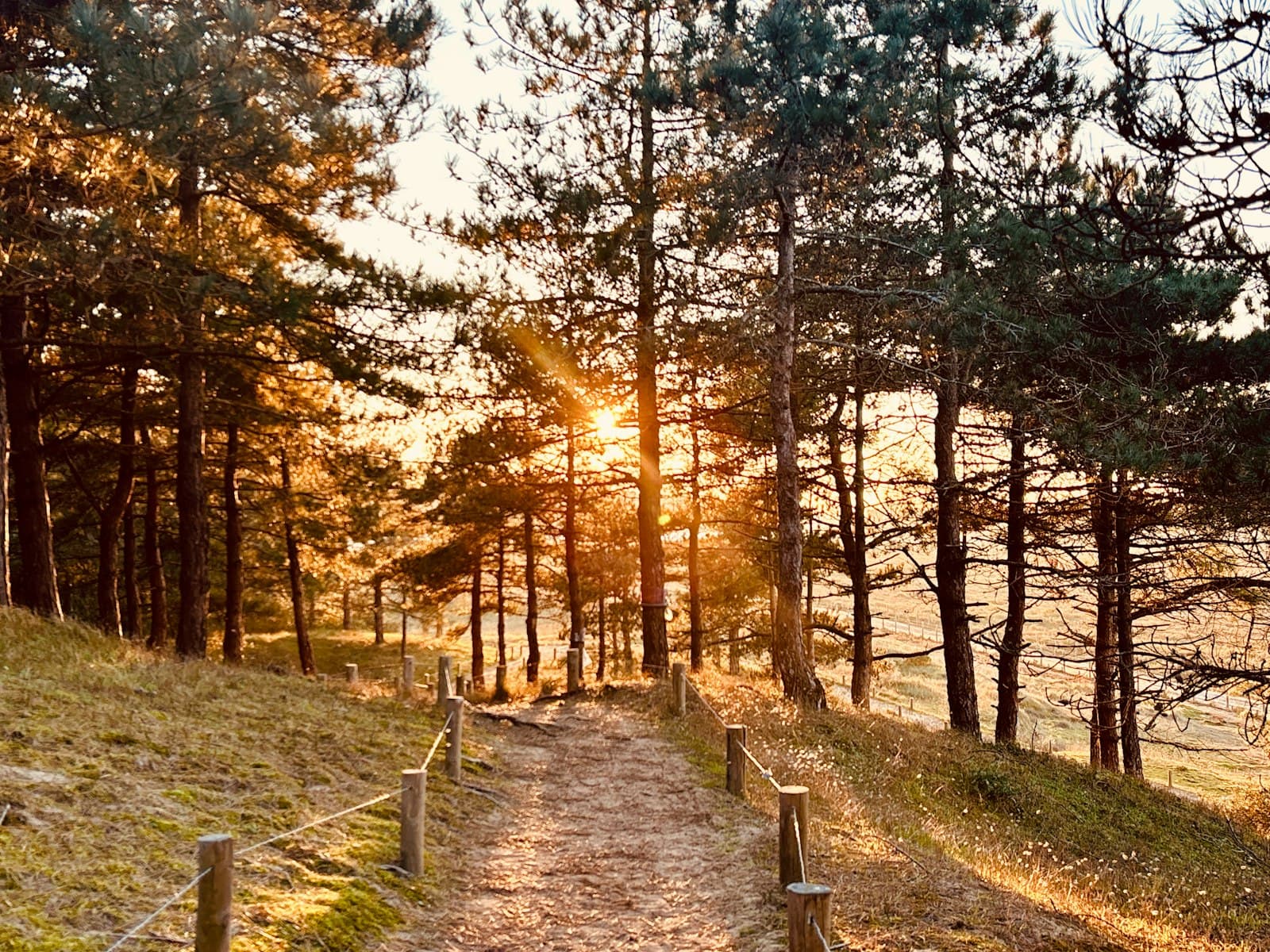
Les amoureux de la nature trouveront leur bonheur à l'Estuaire du Payré, un Espace Naturel Sensible classé. Explorez sa riche biodiversité à travers des sentiers balisés, des forêts côtières, et observez les oiseaux migrateurs. Adjacente à l'estuaire se trouve la Plage du Veillon, un "Grand Site de France" réputé pour ses 16 km de littoral préservé, son sable doré et ses opportunités de surf. La plage recèle également un secret unique : des empreintes de dinosaures fossilisées.
Pour une expérience maritime, visitez Port Bourgenay, un charmant port de plaisance où vous pourrez flâner parmi les bateaux amarrés, prendre un verre ou participer à des activités nautiques comme des excursions en mer et du jet-ski. À proximité, le Port de la Guittière est un site ostréicole emblématique où vous pourrez en apprendre davantage sur la culture des huîtres et profiter de dégustations fraîches.
Parmi les autres attractions, citons le Musée de l'Automobile de Vendée, présentant une collection de plus de 200 voitures de 1885 à nos jours. L'Église Saint-Hilaire et l'Église Saint-Pierre méritent également une visite pour leur intérêt architectural. Pour des activités en famille, pensez au Château des Aventuriers ou à l'Aquarium de Vendée.
La meilleure période pour visiter Talmont-Saint-Hilaire et profiter des activités par temps chaud s'étend de fin juin à mi-septembre. Durant ces mois, les températures maximales moyennes sont supérieures à 20°C, août étant le mois le plus chaud, avec une moyenne de 23°C. Juillet est le mois le plus clair et le plus ensoleillé, offrant environ 9,1 heures d'ensoleillement quotidien. La période d'avril à octobre offre généralement des températures agréables pour l'exploration. Bien qu'août compte le moins de jours de pluie, septembre et octobre peuvent être plus pluvieux. De nombreux événements et spectacles au Château de Talmont, y compris la fauconnerie et les joutes, ont lieu en juillet et août.
Talmont-Saint-Hilaire est située dans le département de la Vendée, en région Pays-de-la-Loire. La monnaie locale est l'Euro (EUR). La langue officielle est le français. La ville est à environ 30 km au sud-ouest de La Roche-sur-Yon et à environ 15 km des Sables-d'Olonne. Les options de transport en commun dans la zone immédiate peuvent être limitées, il peut donc être avantageux d'avoir une voiture pour explorer la région. Le vélo est un moyen populaire de parcourir les sentiers côtiers et les sites naturels. L'hébergement va des campings aux locations de vacances. Les marchés locaux, tels que ceux du centre-ville les mardis, jeudis et vendredis, et à Port Bourgenay les mercredis, proposent des produits frais et des spécialités locales. En cas d'urgence, composez le 112 pour tous les services (police, pompiers, ambulance). La mairie locale peut être contactée au 02 51 90 60 42.
Talmont-Saint-Hilaire en coréen, en chinois ou en hébreu — et dans 29 autres langues, chaque étape narrée par une voix native. La plus large gamme de langues de tous les audioguides autoguidés.
Disponible en :