Nombre de Tekirdağ
El nombre actual de la ciudad, Tekirdağ, tiene una traducción sorprendente, casi caprichosa.
La historia completa se desbloquea en el tour
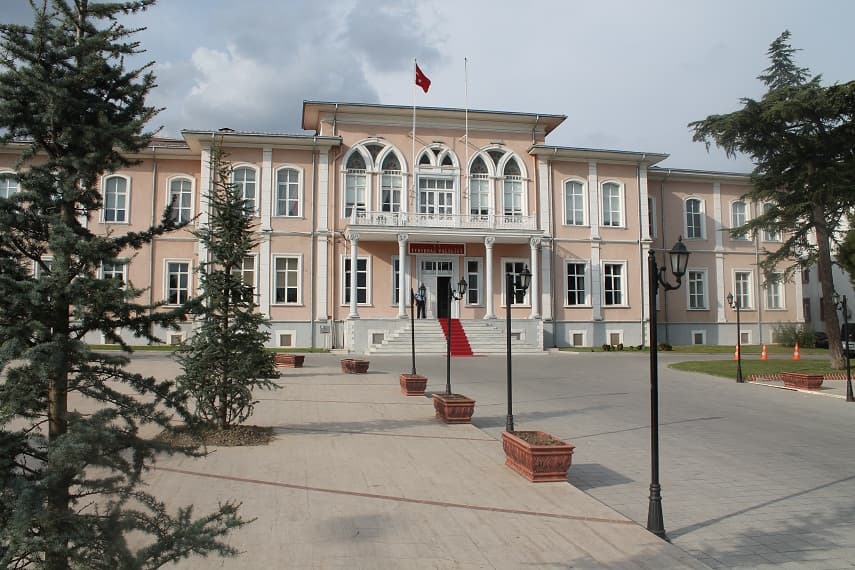 Ollios / CC BY-SA 3.0, via Wikimedia Commons
Tour de audio autoguiado de Tekirdağ — ruta GPS a pie, reproducción offline, narración en 32 idiomas.
“Donde los ecos de la antigua Tracia se encuentran con el suave ritmo del Mármara.”
No las postales. Las historias que ni los locales conocen — al oído, justo donde ocurrieron.
El nombre actual de la ciudad, Tekirdağ, tiene una traducción sorprendente, casi caprichosa.
Uno de los arquitectos más célebres del Imperio Otomano dejó su huella en Tekirdağ, pero no con su obra más famosa.
Tekirdağ experimentó un cambio demográfico significativo a principios del siglo XX que transformó su tejido cultural.
Descubre todos los secretos de Tekirdağ
Cada dirección, cada revelación al completo — a tu oído, justo donde ocurrió.
Eliges tus paradas. Caminas. La voz te revela lo que los demás ignoran.


Tu tour de audioguía por Tekirdağ te espera — elige tus lugares, tu idioma y empieza al llegar.
ComprarTekirdağ, una ciudad costera en la Turquía europea, ofrece una atractiva mezcla de historia antigua y vida moderna a lo largo del Mar de Mármara. Con un pasado que se remonta aproximadamente al 4000 a.C., esta ciudad ha sido testigo del ascenso y la caída de numerosos imperios, dejando una presencia cultural estratificada.
Hoy en día, Tekirdağ sirve como un importante puerto comercial y centro agrícola, reconocido por su fértil interior tracio. Su cercanía a Estambul la convierte en un destino favorito para aquellos que buscan un retiro que combine la exploración histórica con el encanto costero y los sabores locales.
Los orígenes de Tekirdağ se remontan a alrededor del 4000 a.C., con el primer asentamiento registrado, Bisanthe, establecido por colonos griegos de Samos en el siglo VII a.C. Esta antigua ciudad también era conocida como Rhaedestus en la antigüedad clásica e incluso fue mencionada en la Anábasis de Jenofonte como parte del reino del rey tracio Seutes. Los bizantinos mantuvieron el control de Rhaedestus, fortificándola bajo el emperador Justiniano I en el siglo VI d.C., aunque sufrió saqueos por parte de los búlgaros en 813 y 1206.
En el siglo XIV, la ciudad cayó en manos de los otomanos, quienes la rebautizaron como Rodosçuk. Para el siglo XVIII, era conocida como Tekfurdağı, un nombre derivado de la palabra turca 'tekfur', que significa 'señor bizantino'. Este nombre finalmente evolucionó al moderno turco 'Tekirdağ', que se traduce como 'montaña atigrada'.
La ubicación estratégica de Tekirdağ en la costa norte del Mar de Mármara la convirtió en un importante puerto y centro comercial a lo largo de su historia, conectando los mares Egeo y Negro. Sirvió como un depósito crucial para los productos agrícolas de la provincia de Edirne durante siglos. Sin embargo, su prominencia como puerto disminuyó a finales del siglo XIX con la construcción de una terminal ferroviaria en Alexandroupolis.
Los siglos XIX y principios del XX trajeron más cambios, incluyendo dos ocupaciones por el ejército ruso durante las Guerras Ruso-Turcas y posteriores ocupaciones por fuerzas búlgaras y griegas durante conflictos regionales. Un cambio demográfico importante ocurrió en 1923 con el intercambio de población entre Grecia y Turquía, que vio la partida de la población cristiana griega de Tekirdağ y la llegada de turcos musulmanes de Grecia. A pesar de estas transformaciones, Tekirdağ ha conservado su patrimonio cultural, evidente en sus sitios históricos y las historias de figuras como el héroe nacional húngaro Ferenc II Rákóczi y el poeta turco Namık Kemal, quienes encontraron un hogar en la ciudad.
Hoy en día, Tekirdağ sigue prosperando como centro industrial y agrícola. Su puerto está experimentando una expansión para acomodar una nueva conexión ferroviaria, solidificando aún más su papel en el comercio regional. La proximidad de la ciudad a Estambul también la ha convertido en un retiro favorito de fin de semana, atrayendo a visitantes por su atractivo costero y sus ofertas culturales.
Comience su exploración en el Museo de Arqueología y Etnografía de Tekirdağ, ubicado en un hermoso edificio de estilo neootomano de principios del siglo XX. Aquí, podrá adentrarse en el profundo pasado de la región, con artefactos que abarcan desde la Edad del Bronce Temprana hasta la era otomana.
A poca distancia, descubra el Museo Rákóczi, una casa otomana tradicional donde el héroe nacional húngaro Príncipe Ferenc II Rákóczi vivió en el exilio de 1720 a 1735. El museo ofrece una visión de su vida y los fuertes lazos históricos entre Turquía y Hungría.
Otra parada cultural significativa es el Museo Casa Namık Kemal, una réplica de una antigua casa de Tekirdağ dedicada al influyente poeta nacionalista y reformador social turco. La Mezquita Rüstem Paşa, una obra maestra del siglo XVI atribuida al renombrado arquitecto otomano Mimar Sinan, es un testimonio del patrimonio otomano de la ciudad.
Más allá de los museos y las estructuras históricas, dé un paseo por la Costa de Tekirdağ, un largo y ancho paseo marítimo que es animado en verano y ofrece agradables paseos durante todo el año. Para los entusiastas de la naturaleza, las Montañas Ganos, que se extienden entre Tekirdağ y Şarköy, ofrecen vistas expansivas donde el mar y la montaña se encuentran, ideales para caminatas por la naturaleza y descansos escénicos. Los pueblos cercanos de Şarköy, Mürefte y Kumbağ son populares por sus playas y ofrecen un ambiente más de resort, especialmente durante el verano.
Los momentos ideales para visitar Tekirdağ son durante la primavera (abril a junio) y el otoño (septiembre a noviembre). En primavera, la ciudad se adorna con flores en flor y las temperaturas son suaves, oscilando entre 10°C y 18°C. El otoño ofrece un clima agradable con menos humedad y cielos despejados, y el mar permanece cálido y tranquilo. Los veranos (julio y agosto) son cálidos y secos, con temperaturas diurnas promedio que alcanzan los 30°C, lo que lo hace adecuado para actividades de playa y el Festival Anual de la Cereza en junio. Los inviernos (diciembre a marzo) son frescos a fríos, con lluvias frecuentes y nevadas ocasionales.
Tekirdağ es fácilmente accesible, especialmente desde Estambul. Muchas líneas de autobús ofrecen servicios frecuentes desde la estación de Esenler de Estambul, con un tiempo de viaje de aproximadamente dos horas. El aeropuerto de Estambul (IST) es la puerta de entrada internacional más conveniente, con servicios directos de autobús a Tekirdağ. Para los viajeros nacionales, el aeropuerto de Tekirdağ Çorlu (TEQ) está más cerca pero tiene menos opciones de vuelo.
Dentro de la ciudad, el centro es apto para peatones, y caminar es una excelente manera de explorar. El transporte público opera desde la madrugada hasta la medianoche, y los taxis están disponibles para las horas posteriores. Para el alojamiento, el centro de la ciudad, particularmente el distrito de Süleymanpaşa, ofrece un acceso conveniente a los sitios culturales y restaurantes. A lo largo del paseo marítimo (Kordon), los hoteles a menudo ofrecen vistas al mar. Es aconsejable llevar algo de efectivo en liras turcas para los mercados al aire libre y los vendedores ambulantes, aunque las tarjetas de crédito son ampliamente aceptadas en los establecimientos más grandes.
No se vaya sin probar Tekirdağ Köftesi, las famosas albóndigas de la ciudad, a menudo servidas con una pasta de chile especial y ayran. La región también es reconocida por su rakı de alta calidad y sus vinos tracios locales.
Tekirdağ en coreano, en chino o en hebreo — y 29 idiomas más, cada parada narrada por una voz nativa. La mayor variedad de idiomas de cualquier audioguía autoguiada.
Disponible en: