Château des Ducs de La Trémoïlle
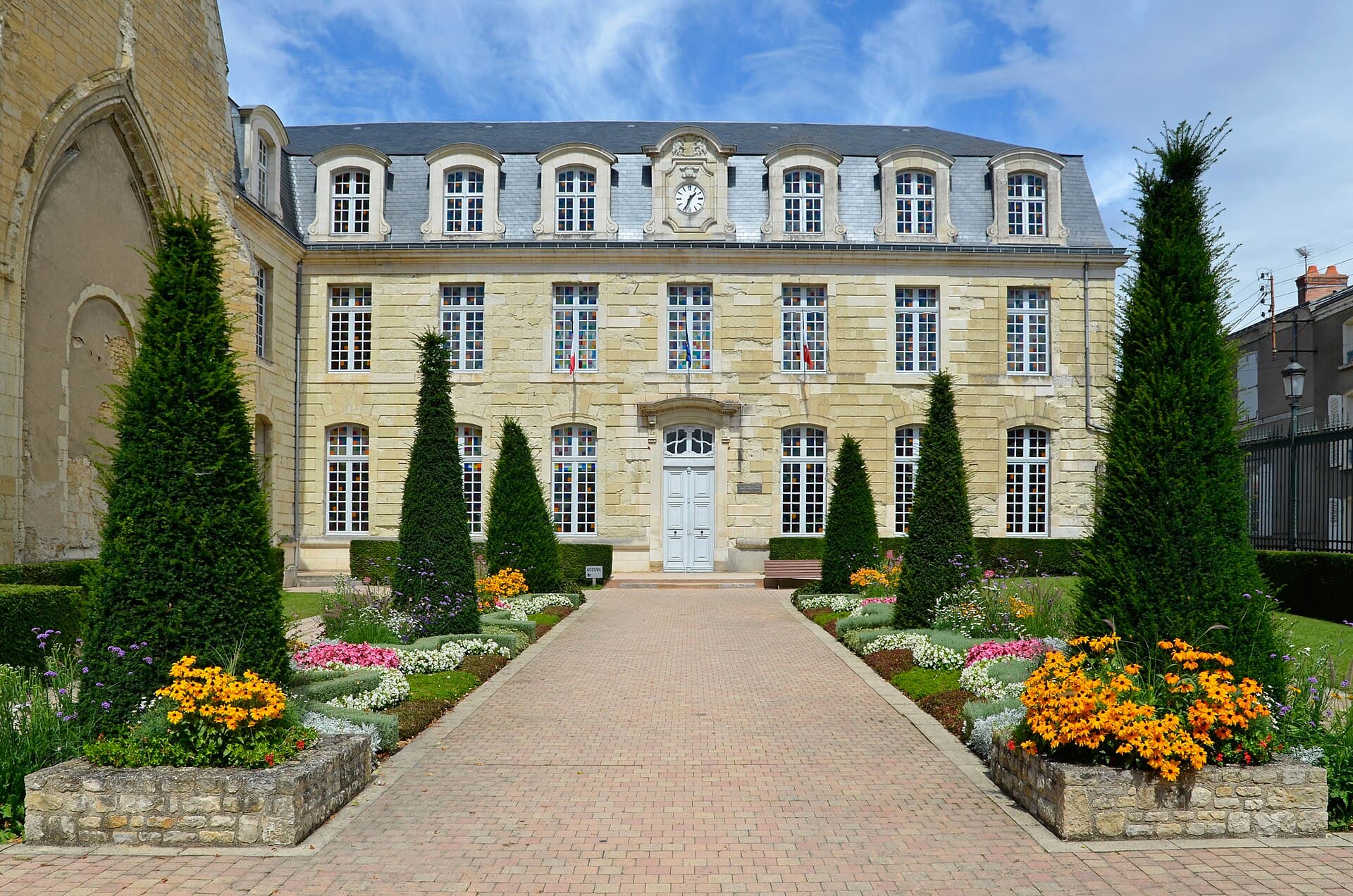
This imposing 17th-century ducal castle now serves a surprising, everyday purpose.
Full story unlocks in the tour
 Selbymay / CC BY-SA 3.0, via Wikimedia Commons
Self-guided audio walking tour of Thouars — GPS route, offline playback, story-driven narration in 32 languages.
“Where medieval might meets quiet charm on the Thouet.”
Not the postcards. The stories even locals don't know — whispered in your ear, right where they happened.
This imposing 17th-century ducal castle now serves a surprising, everyday purpose.
A beautiful late 15th-century mansion once hosted French royalty, but its more recent past involved a different kind of discipline.
This medieval gate, once a crucial defensive point, played a pivotal role in Thouars's annexation to France.
Discover every secret of Thouars
Every address, every reveal in full — in your ear, right where it happened.
You pick your stops. You walk. The voice reveals what the others miss.
Your self-guided audio tour of Thouars is ready — pick your landmarks, choose your language, and start the moment you arrive.
BuyLume has a built-in augmented-reality guide. Hold your phone up and its camera shows the street ahead of you, with a glowing arrow laid over the real view that always points to your next stop — no map to puzzle over, no wrong turns. Like everything in Lume, it works fully offline.
Thouars, a 'City of Art and History' in the Deux-Sèvres department of western France, rises from a rocky promontory overlooking the winding Thouet River. This engaging town, built from local slate and tuffeau stone, offers a captivating journey through centuries of French heritage. From its earliest recorded habitation over 5,000 years ago, Thouars has been a coveted stronghold, evolving from a powerful medieval fortress to a significant economic center in the 19th century with the arrival of the railway.
Today, Thouars presents a delightful blend of impressive architecture and serene natural beauty. Its profound past is evident in the more than 20 listed or protected Historic Monuments that dot its landscape, inviting visitors to wander through medieval and Renaissance lanes. Beyond the historical core, the Thouet Valley provides a verdant backdrop, with opportunities for cycling, hiking, and exploring protected natural areas.
Thouars is a town that reveals its stories at a leisurely pace, where every street and building holds a narrative. It's a place where you can trace the footsteps of dukes and commoners, discover unique architectural details, and immerse yourself in a history that has left an indelible mark on the region.
## From Ancient Stronghold to Ducal Seat Thouars's history stretches back over 5,000 years, with evidence of early human habitation in the area. The town truly began to take shape in the 7th century, quickly establishing itself as a formidable fortress in Aquitaine. In 762, Pepin the Short, accompanied by his son, the future Charlemagne, besieged and destroyed the Gallo-Roman town and its castle, marking an early chapter of its strategic importance.
By the 9th century, a line of powerful viscounts took control, governing Thouars for over five centuries. This strategic location, situated at the southern edge of Anjou and bordering Aquitaine, made the Viscountcy of Thouars a wealthy and influential fiefdom. Aimery IV of Thouars even served as a commander in William the Conqueror's army at the Battle of Hastings.
Thouars endured English domination during the Hundred Years' War, eventually falling to Bertrand du Guesclin, chief of Charles V's armies, after a prolonged siege in 1372. This marked its definitive annexation to France. The town's medieval fortifications, including its extensive walls and numerous towers, stand as a testament to its contested past.
The 16th and 17th centuries saw the rise of the noble La Trémoïlle family, who brought significant prestige to Thouars. Louis de La Trémoïlle, a renowned medieval general, was born here. In 1635, Henri de La Trémoïlle's wife, Marie de la Tour d'Auvergne, commissioned the rebuilding of the impressive château that still dominates the Thouet Valley today, replacing an earlier Gothic fortress. Thouars also played a role in the tumultuous Vendée Wars during the French Revolution, witnessing clashes between royalists and republicans.
The late 19th century brought an economic revival with the arrival of the railway and the construction of the station and the Eiffel viaduct. Today, Thouars, with its 'City of Art and History' label, continues to preserve and celebrate its layered past.
Begin your exploration at the Château des Ducs de La Trémoïlle, a grand 17th-century structure that now houses a public middle school. While the interior is generally not open to the public, its impressive facade, chapel, stables, and orangery (which inspired Versailles's own) are worth admiring from the outside. Nearby, the Sainte-Chapelle Notre-Dame displays a magnificent Flamboyant Gothic façade with a Renaissance gallery.
Wander through the medieval center, starting around Place Saint-Médard, to discover charming half-timbered houses and the Église Saint-Médard. This 12th-century church is notable for its Poitevin Romanesque western façade and a unique north gate featuring a Mozarabic-influenced multilobed arch.
Do not overlook the remnants of Thouars's formidable medieval fortifications, including the Prince of Wales Tower, which once served as a prison for salt smugglers, and the Porte au Prévost, a 12th-century gate through which Bertrand du Guesclin's army entered in 1372.
The Hôtel Tyndo, a late 15th-century mansion, now hosts the Thouarsais Music and Dance Conservatory and is a fine example of Renaissance architecture. For a deeper dive into local history, visit the Henri Barré Museum, housed in a Neo-Gothic mansion, showcasing local archaeology, decorative arts, and historical documents. The Regional Center for Resistance & Liberty offers insights into the local Resistance movement during World War II.
The best time to visit Thouars for pleasant outdoor activities is from mid-June to mid-September, with a peak in the first week of August. During this period, you can expect comfortable temperatures, clearer skies, and less rain. Spring (March-May) and fall (September-October) are also excellent choices, offering mild temperatures and fewer crowds, making it ideal for exploring the town's historical sites and enjoying the natural beauty of the Thouet Valley.
Thouars is located in the Deux-Sèvres department, part of the Nouvelle-Aquitaine region. The historic center is best explored on foot, allowing you to fully appreciate its medieval character. Bicycles are also a great way to get around, with rental options available in and around Thouars, though be prepared for some slopes along the Thouet River valley. Parking for cars is readily available.
For dining, Thouars is known for its melons, and you can also find local wine and cheese. The town hosts weekly markets every Tuesday and Friday morning under the market halls, offering local products. Thouars is a stop on the Vélofrancette cycling route, connecting it to other engaging towns and natural areas. The nearest airports are in Nantes, Poitiers, and La Rochelle.
Thouars in Korean, in Chinese or in Hebrew — and 29 more languages, every stop narrated by a native voice. The widest language range of any self-guided audio tour.
Available in: