Las 'Iglesias-Barco' de Totma
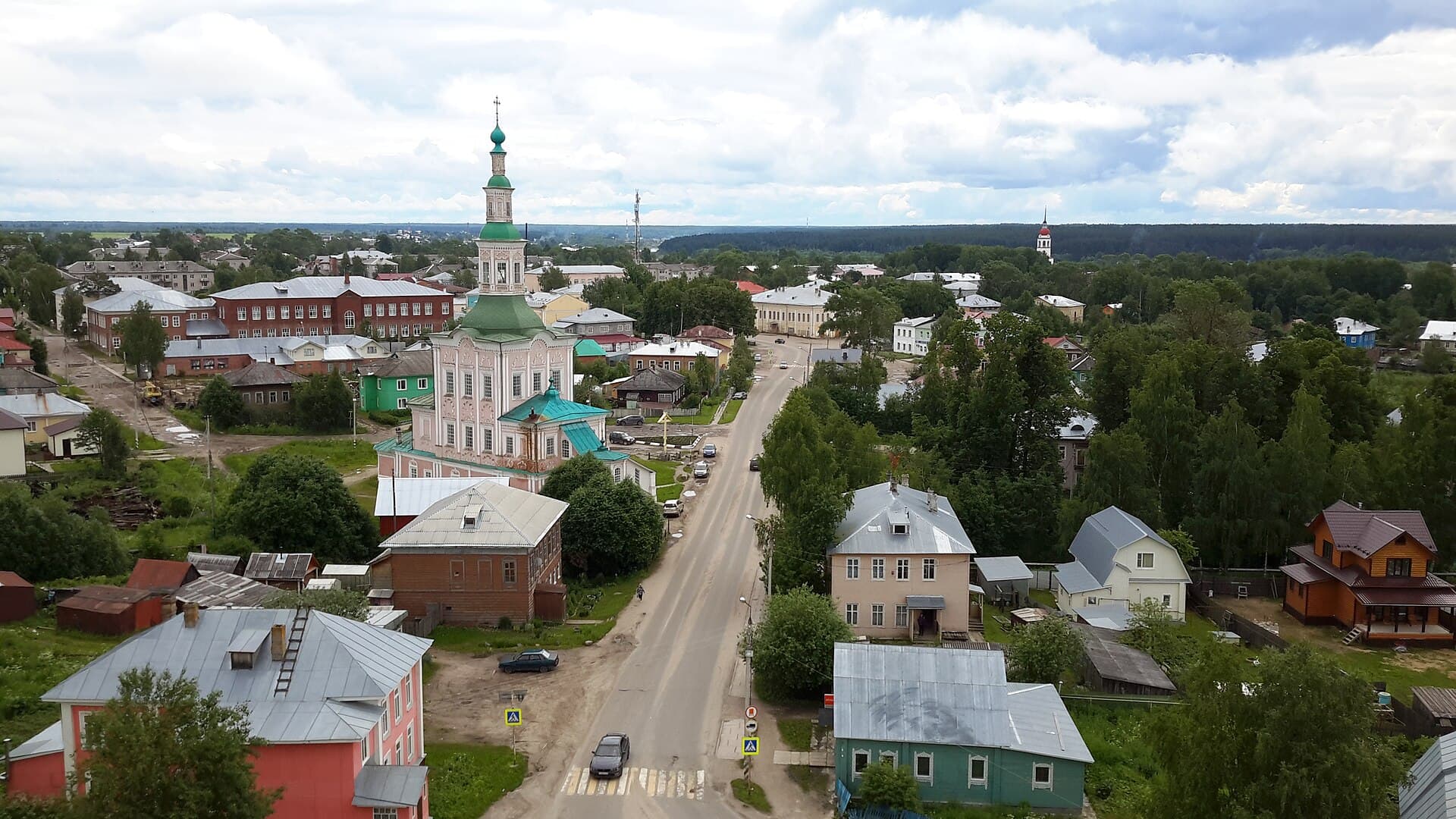
Observe de cerca las iglesias de Totma y podrá discernir una peculiaridad arquitectónica. Se distinguen de otras iglesias rusas.
La historia completa se desbloquea en el tour
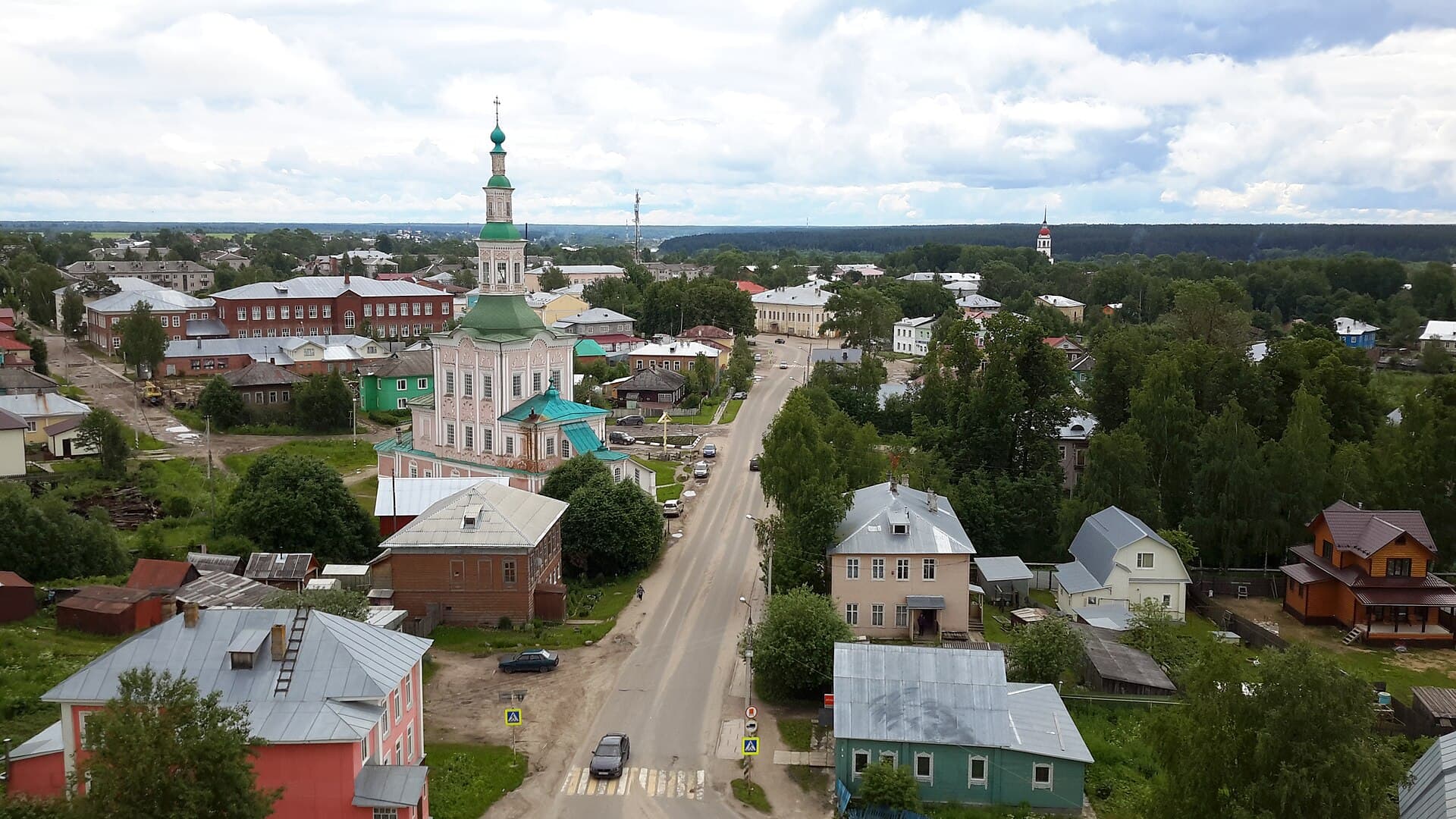 Sterlady88 / CC BY-SA 4.0, via Wikimedia Commons
Tour de audio autoguiado de Totma — ruta GPS a pie, reproducción offline, narración en 32 idiomas.
“Donde las iglesias barrocas rusas relatan aventuras en Alaska.”
No las postales. Las historias que ni los locales conocen — al oído, justo donde ocurrieron.
Observe de cerca las iglesias de Totma y podrá discernir una peculiaridad arquitectónica. Se distinguen de otras iglesias rusas.
El emblema de la ciudad presenta un animal inesperado, uno que quizás no esperaría encontrar en el norte de Rusia.
Uno de los hijos notables de Totma tiene una casa que forja un vínculo entre esta tranquila ciudad rusa y un distante puesto avanzado americano.
Descubre todos los secretos de Totma
Cada dirección, cada revelación al completo — a tu oído, justo donde ocurrió.
Eliges tus paradas. Caminas. La voz te revela lo que los demás ignoran.
Tu tour de audioguía por Totma te espera — elige tus lugares, tu idioma y empieza al llegar.
ComprarLume incluye una guía de realidad aumentada. Levanta el móvil y su cámara muestra la calle que tienes delante, con una flecha luminosa sobre la imagen real que siempre apunta a tu próxima parada — sin mapas que descifrar, sin giros equivocados. Como todo en Lume, funciona completamente sin conexión.
Totma, una ciudad a orillas del río Sukhona en el Óblast de Vólogda de Rusia, es un lugar donde la historia se siente palpable. Mencionada por primera vez en las crónicas en 1137, se cree que su nombre es de origen fino-úgrico, posiblemente significando 'tierra húmeda' o 'lugar bajo'. Esta pequeña ciudad, con una población estimada de alrededor de 8.683 habitantes en 2026, ofrece una rara sensación de autenticidad, preservando meticulosamente su pasado a través de su arquitectura y tradiciones.
A menudo llamada la 'ciudad de los navegantes', el estilo arquitectónico único de Totma, conocido como Barroco de Totma, presenta iglesias que se asemejan a barcos, un testimonio de su herencia marítima y las atrevidas expediciones de sus comerciantes que se aventuraron tan lejos como Alaska y California. Paseando por sus acogedoras plazas y antiguas calles, descubrirá una mezcla de encanto provincial y el espíritu de grandes descubrimientos, lo que la convierte en un destino inspirador para quienes buscan un viaje tranquilo pero educativo por el norte de Rusia.
## De las Salineras a los Imperios Marítimos La historia de Totma comienza en el siglo XII, fundada por los novgorodenses que utilizaron el río Sukhona como una vía fluvial crucial hacia el Mar Blanco. La prosperidad temprana de la ciudad se basó en su pionera producción de sal, con residentes entre los primeros en Rusia en dominar la perforación profunda para obtener salmuera en el siglo XIII. Este 'oro blanco' se convirtió en el principal motor de la economía local, fomentando una próspera clase mercantil.
En 1539, Totma enfrentó un desafío significativo cuando fue saqueada por los tártaros de Kazán, lo que llevó a la construcción de una fortaleza para su protección. Poco después, en 1554, el Monasterio de la Transfiguración fue fundado por el monje Feodosy Sumorin, que se convirtió en una importante fortaleza espiritual y económica. Los siglos XVI y XVII marcaron a Totma como una de las ciudades más prósperas del norte de Rusia, prosperando tanto por el comercio de sal como por su posición estratégica como centro comercial en la ruta a Persia y entre Europa y Siberia.
El siglo XVIII marcó el comienzo de una nueva era para Totma, ya que se convirtió en un centro fundamental para la exploración y el comercio con Alaska. Este período vio a los comerciantes de Totma organizar numerosas expediciones a América del Norte, contribuyendo significativamente a lo que se conoció como América rusa. Iván Kuskov, nativo de Totma, incluso fundó Fort Ross en California en 1812, consolidando aún más las conexiones globales de la ciudad. Sin embargo, el siglo XIX trajo consigo un declive en la importancia económica de Totma a medida que las rutas comerciales se desplazaron de Arjánguelsk a San Petersburgo y el transporte fluvial fue reemplazado por los ferrocarriles, que pasaron de largo la ciudad.
A pesar de estos cambios, la importancia histórica de Totma ha sido reconocida; fue clasificada como ciudad histórica por el Ministerio de Cultura de la Federación Rusa, asegurando la preservación de su patrimonio único. Hoy, Totma se erige como un testimonio de su pasado, con sus distintivas 'iglesias-barco' y numerosos museos que sirven como una crónica de piedra de su legado marinero y salinero.
El atractivo de Totma reside en su centro histórico notablemente conservado y su arquitectura única. Los lugares de interés más llamativos son las 'iglesias-barco', construidas en el distintivo estilo Barroco de Totma, caracterizadas por sus formas alargadas y campanarios escalonados que evocan los veleros. Ejemplos notables incluyen la Iglesia de la Entrada en Jerusalén y la Iglesia de la Natividad. Muchas de estas iglesias presentan intrincados ornamentos de ladrillo figurado llamados cartelas.
Adéntrese en el pasado de la ciudad en sus numerosos museos. El Museo Regional de Totma, fundado en 1915, exhibe historia y arte local. El Museo de los Marineros relata vívidamente las historias de los exploradores de Totma que llegaron a Alaska y California. No se pierda la Casa de Iván Kuskov, dedicada al fundador de Fort Ross. Otros museos incluyen el Museo de Antigüedades Eclesiásticas y el Museo de Artefactos en el Monasterio Spaso-Sumorin. El propio Monasterio Spaso-Sumorin es un magnífico complejo arquitectónico y un importante lugar de peregrinación.
Para echar un vistazo a la industria original de la ciudad, visite el Complejo Cultural e Histórico Paisajístico 'Sal de Totma' y el museo 'Patio de Sal'. Pasee por el terraplén del río Sukhona para apreciar el pintoresco entorno de la ciudad y reflexionar sobre su pasado como una concurrida vía fluvial.
La mejor época para visitar Totma es durante los meses de verano, de junio a agosto. Las temperaturas son moderadamente cálidas, promediando alrededor de +17.7°C (64°F) en julio, con picos diurnos que alcanzan los +22.0°C (72°F), lo que lo hace ideal para explorar la ciudad y sus atracciones al aire libre. Aunque las precipitaciones ocurren con frecuencia, generalmente no son intensas. La primavera (mayo) y principios de otoño (septiembre) también ofrecen un clima agradable con menos multitudes, aunque las temperaturas pueden ser más variables.
Totma no tiene su propio aeropuerto ni estación de tren. El aeropuerto principal más cercano es el Aeropuerto de Vólogda (VGD), a aproximadamente 176 km de distancia. El viaje a Totma generalmente implica un traslado desde centros de transporte más grandes. El centro histórico de la ciudad es compacto y se explora mejor a pie. El transporte público es principalmente en autobús, aunque hay taxis disponibles a través de números de teléfono locales.
La moneda oficial es el Rublo Ruso (RUB). Aunque se aceptan tarjetas bancarias del sistema 'Mir', las Visa/Mastercard internacionales pueden tener dificultades, por lo que es aconsejable llevar algo de efectivo, especialmente para tiendas más pequeñas. Hay cajeros automáticos disponibles en la ciudad. El ruso es el idioma oficial. La propina es voluntaria, típicamente del 5-10% por un buen servicio.
Totma en coreano, en chino o en hebreo — y 29 idiomas más, cada parada narrada por una voz nativa. La mayor variedad de idiomas de cualquier audioguía autoguiada.
Disponible en: