Étang Ao Bà Om (Étang Carré)
Avant son nom commun, cette étendue d'eau paisible portait un nom différent, plus poignant, faisant allusion à une légende de dévotion et de désespoir.
L'histoire complète se débloque dans le tour
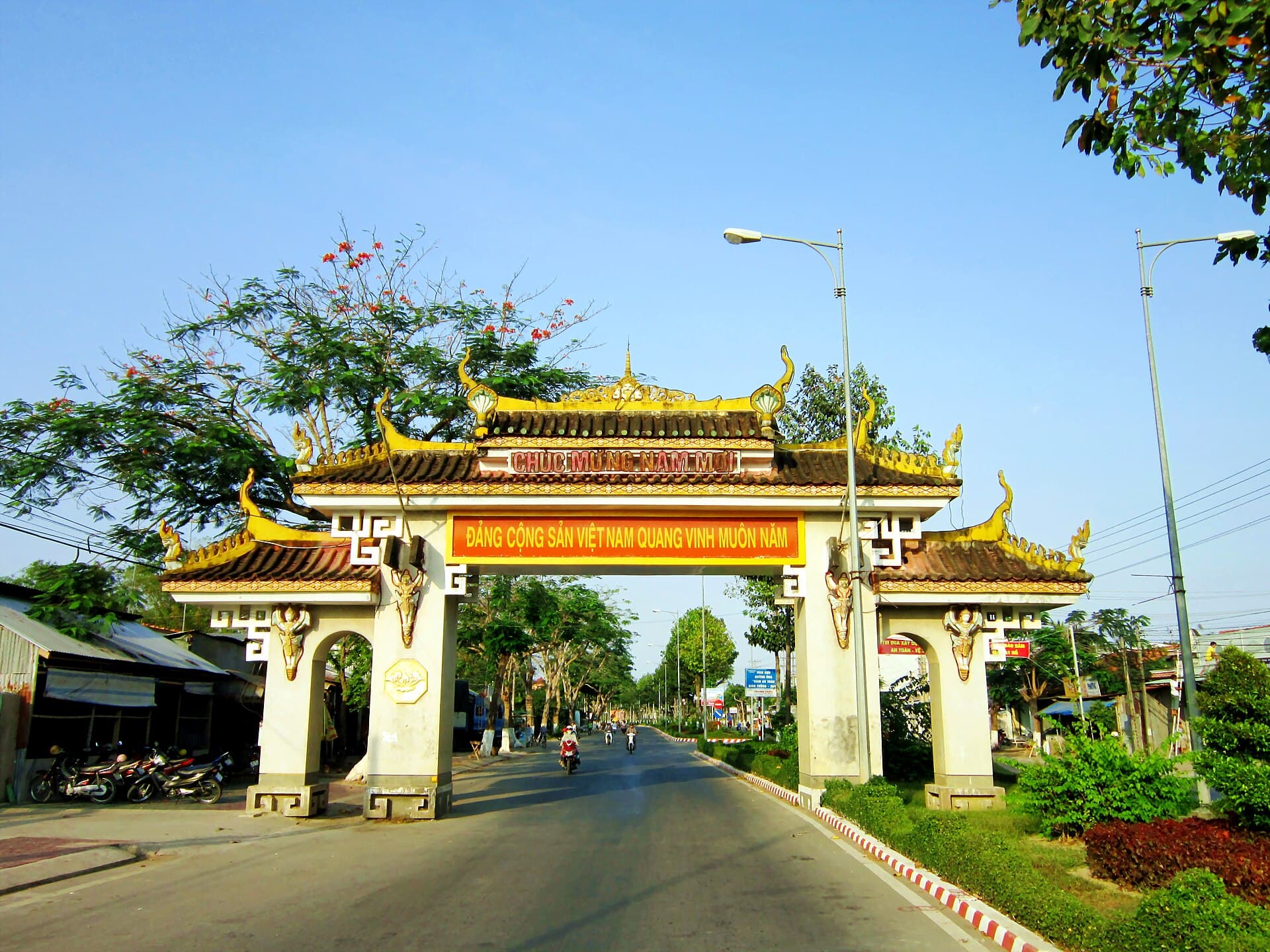 Bùi Thụy Đào Nguyên / CC BY-SA 3.0, via Wikimedia Commons
Visite audio autoguidée de Trà Vinh — parcours GPS à pied, lecture hors ligne, narration en 32 langues.
“Où les échos de l'ancien Khmer rencontrent le doux courant du Mékong.”
Pas les cartes postales. Les histoires que même les habitants ignorent — soufflées à l'oreille, là où elles se sont passées.
Avant son nom commun, cette étendue d'eau paisible portait un nom différent, plus poignant, faisant allusion à une légende de dévotion et de désespoir.
Parmi les formes sculptées et les stupas ascendants de cet ancien temple khmer, un passage est murmuré exister, menant à une découverte inattendue.
Cette pagode, sculptée dans une grotte naturelle, a un lien surprenant avec une créature rare et protégée, ce qui en fait plus qu'un lieu de dévotion tranquille.
Découvrez tous les secrets de Trà Vinh
Chaque adresse, chaque révélation en entier — dans ton oreille, là où elle s'est passée.
Tu choisis tes lieux. Tu marches. La voix te révèle ce que les autres ignorent.

Votre visite audioguidée de Trà Vinh vous attend — choisissez vos lieux, votre langue, et lancez-vous dès votre arrivée.
AcheterTrà Vinh, capitale provinciale du delta du Mékong, présente un mélange unique de cultures vietnamienne et khmère. Contrairement à certains de ses voisins plus animés, Trà Vinh conserve une atmosphère plus paisible et contemplative, invitant les visiteurs à ralentir leur rythme et à s'imprégner de son patrimoine singulier. La ville est particulièrement remarquable pour sa population khmère significative, qui a profondément façonné son architecture, ses traditions et son paysage spirituel.
Les environs plats et verdoyants de la ville sont traversés de canaux et parsemés d'un nombre impressionnant d'anciennes pagodes khmères, chacune témoignant de siècles d'histoire partagée. Au-delà de ces sites spirituels, Trà Vinh sert également de porte d'entrée pour découvrir les rythmes tranquilles de la vie du delta, avec ses terres fertiles produisant des fruits abondants et une scène culinaire qui reflète ses diverses influences culturelles. C'est un lieu où le passé est omniprésent, offrant un voyage calme mais profond dans un coin moins exploré du Vietnam.
## Une Confluence de Cultures L'histoire de Trà Vinh est profondément liée aux mouvements de divers groupes ethniques, principalement les Khmers et les Vietnamiens. Pendant des siècles, la région a fait partie de l'Empire khmer, et cet héritage est vivement préservé dans les nombreuses pagodes anciennes disséminées dans la province. Ces temples, avec leur architecture distinctive et leurs couleurs vives, ne sont pas seulement des sites religieux mais aussi des dépôts culturels, protégeant d'anciennes écritures, de l'art et des traditions.
## Présence Coloniale Française Comme une grande partie du Vietnam, Trà Vinh a connu l'administration coloniale française. Au cours de cette période, les Français ont établi des centres administratifs et introduit de nouvelles méthodes agricoles, en particulier la culture de la noix de coco et d'autres cultures commerciales. Si la période coloniale a apporté le développement des infrastructures, elle a également entraîné d'importantes transformations sociales et économiques, façonnant l'identité moderne de la région. Les avenues bordées d'arbres de Trà Vinh et certaines structures plus anciennes portent encore les marques subtiles de cette période.
## Endurance et Transformation Au XXe siècle, Trà Vinh a joué un rôle dans les luttes du Vietnam pour l'indépendance. La province, avec sa position stratégique dans le delta du Mékong, a été le théâtre de divers mouvements révolutionnaires et conflits. L'endurance de son peuple, en particulier de la communauté khmère, à maintenir son identité culturelle au milieu de ces changements historiques, est une caractéristique déterminante de Trà Vinh. Aujourd'hui, la ville est un témoignage tranquille de cet esprit durable, un lieu où diverses histoires ont convergé pour créer un récit riche et complexe.
Trà Vinh offre un éventail captivant de sites, principalement centrés sur son profond héritage khmer. L'Étang Ao Bà Om, également connu sous le nom d'Étang Carré, est un point fort serein, entouré d'anciens arbres dầu rái et d'éléments architecturaux khmers, idéal pour une promenade contemplative. À proximité, le Temple d'Angkor Borey (Chùa Âng) présente un design khmer complexe et se dresse comme l'une des plus anciennes pagodes de la région. Ne manquez pas la Pagode Hang (Chùa Hang), construite de manière unique dans une grotte naturelle et abritant une grande colonie de chauves-souris, offrant un mélange fascinant de nature et de spiritualité.
Pour une immersion plus profonde dans la culture locale, visitez le Centre des Arts et de la Culture Traditionnels Khmers, où vous pourrez découvrir l'artisanat, la musique et la danse traditionnels. Explorez le Marché de Trà Vinh animé pour une expérience sensorielle de la vie locale et des délices régionaux. Un court voyage à Con Cù Lao (Île de Cu Lao Long Tri) offre un aperçu de la vie rurale du delta et l'occasion de savourer des fruits frais et locaux. Enfin, cherchez la Pagode Ông Mẹt (Chùa Ông Mẹt), reconnue pour son architecture frappante et son ambiance paisible.
La meilleure période pour visiter Trà Vinh est pendant la saison sèche, de décembre à avril. Pendant ces mois, le temps est généralement ensoleillé et agréable, avec une humidité plus faible, ce qui est idéal pour explorer les pagodes et les attractions extérieures. La saison des pluies, de mai à novembre, peut apporter de fortes averses, ce qui pourrait affecter certains plans de voyage, bien que le paysage devienne luxuriant et vivant.
Trà Vinh est accessible en bus depuis Hô Chi Minh-Ville, un trajet d'environ 3 à 4 heures. Une fois en ville, les cyclos, les motos (location disponible) et les taxis sont pratiques pour se déplacer. Les options d'hébergement vont des maisons d'hôtes économiques aux hôtels de milieu de gamme, principalement situés dans le centre-ville. Bien que l'anglais ne soit pas largement parlé, les habitants sont généralement accueillants et serviables ; il est conseillé d'avoir une application de traduction ou un guide de conversation. Le Dong vietnamien (VND) est la monnaie locale, et des distributeurs automatiques de billets sont disponibles. N'oubliez pas de vous habiller respectueusement lorsque vous visitez les pagodes et d'enlever vos chaussures avant d'entrer.
Trà Vinh en coréen, en chinois ou en hébreu — et dans 29 autres langues, chaque étape narrée par une voix native. La plus large gamme de langues de tous les audioguides autoguidés.
Disponible en :