Nghinh Phong Tower
The twin towers of Nghinh Phong are more than a modern architectural statement; they are a narrative etched in stone.
Full story unlocks in the tour
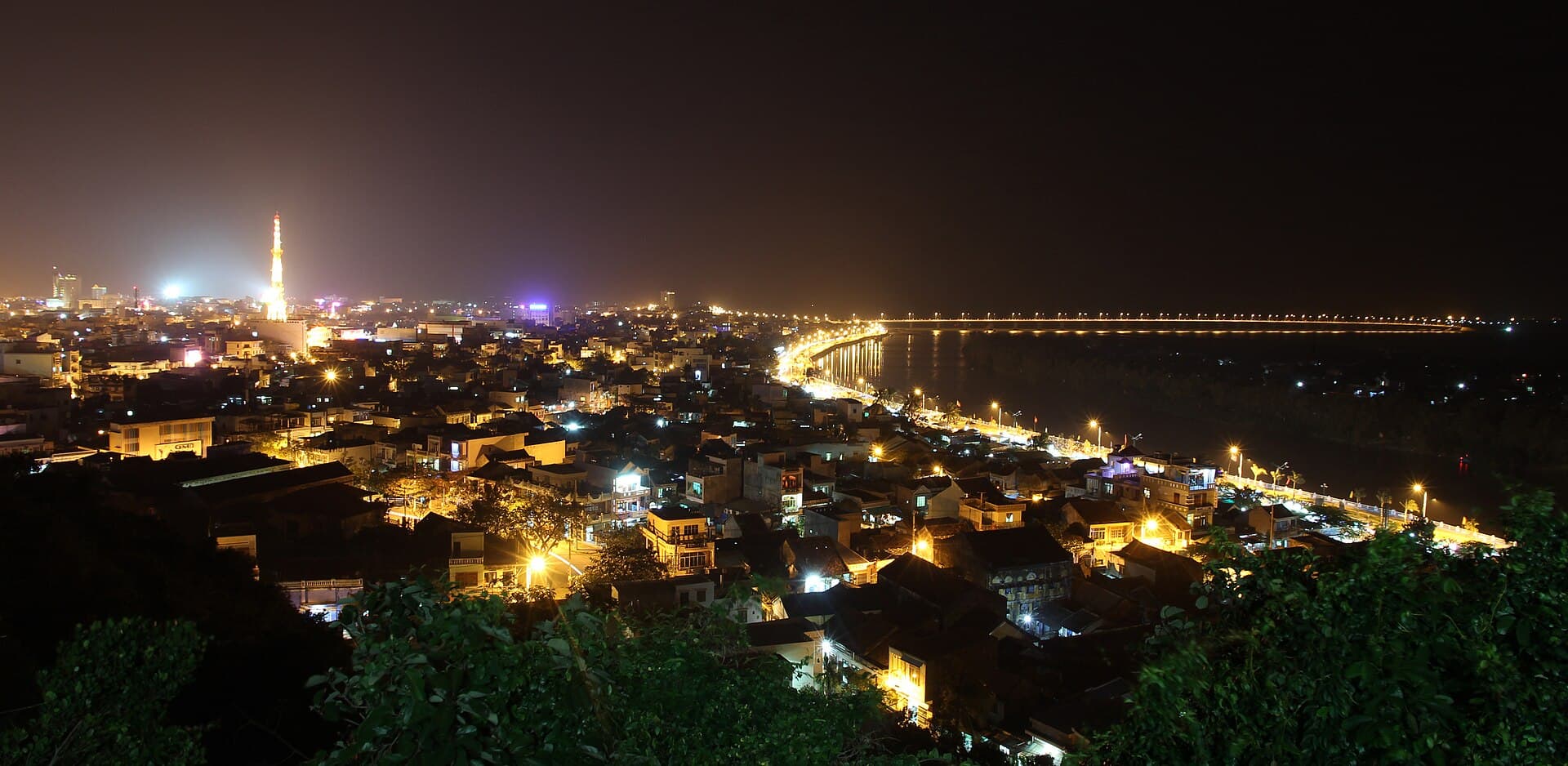 Huỳnh Lê Viễn Duy / cc by-sa 4.0, via Wikimedia Commons
Self-guided audio walking tour of Tuy Hòa — GPS route, offline playback, story-driven narration in 32 languages.
“Where mountains embrace the sea, and time yields to the rhythm of the waves.”
Not the postcards. The stories even locals don't know — whispered in your ear, right where they happened.
The twin towers of Nghinh Phong are more than a modern architectural statement; they are a narrative etched in stone.
At Mui Dien, it is not solely the sunrise that heralds a new day for Vietnam.
The hexagonal columns of Ghenh Da Dia appear sculpted by a colossal hand, but their formation is a chronicle of fire and immense pressure.
Discover every secret of Tuy Hòa
Every address, every reveal in full — in your ear, right where it happened.
You pick your stops. You walk. The voice reveals what the others miss.


Your self-guided audio tour of Tuy Hòa is ready — pick your landmarks, choose your language, and start the moment you arrive.
BuyLume has a built-in augmented-reality guide. Hold your phone up and its camera shows the street ahead of you, with a glowing arrow laid over the real view that always points to your next stop — no map to puzzle over, no wrong turns. Like everything in Lume, it works fully offline.
Tuy Hòa, the provincial capital of Phú Yên, is a coastal city in Central Vietnam that largely remains beyond the main tourist routes, offering a more genuine Vietnamese experience. With the Truong Son Mountains to its west and the East Sea to its east, the city presents a tableau of varied landscapes, from untouched beaches and lagoons to verdant mountains and intriguing rock formations. Life here unfolds at a measured pace, guided by the tides and the daily routines of its fishing communities.
The city itself provides a comfortable base for exploring the surrounding natural splendors, with a tranquil atmosphere and a developing culinary landscape centered on fresh seafood. While contemporary structures are gradually emerging, Tuy Hòa maintains a charm rooted in its natural allure and the warmth of its inhabitants. It is a destination for those seeking quietude, natural exploration, and a glimpse into local life away from crowded areas.
## Ancient Roots and Champa Influence Tuy Hòa and the broader Phú Yên province possess a past deeply interwoven with the ancient Champa Kingdom. For centuries, this area formed part of the Champa territories, a fact supported by vestiges of Cham culture and architecture discovered at various locations. The Champa people, celebrated for their maritime skills and distinct Hindu-influenced culture, left an enduring imprint on Vietnam's central coast.
## Vietnamese Expansion and Dynastic Rule As Đại Việt (ancient Vietnam) expanded southward, the Champa Kingdom gradually receded. Phú Yên became a Vietnamese territory in the 17th century during the Lê Dynasty. The region held strategic importance due to its coastal position and fertile lands. Under subsequent Nguyễn Dynasty rule, the area experienced further agricultural and fishing development, laying the groundwork for its present economy.
## French Colonial Era and Modern Development During French colonial administration, like much of Vietnam, Tuy Hòa underwent administrative alterations and some infrastructure development. Nevertheless, it remained a relatively quiet provincial capital compared to larger urban centers. In the contemporary era, particularly following the Vietnam War, Tuy Hòa has steadily progressed, concentrating on its agricultural strengths, especially rice and seafood, and gradually opening its doors to visitors. The creation of improved road networks and Tuy Hòa Airport has made the region more accessible, allowing its natural splendor to be discovered by a broader audience.
Begin your exploration at Nghinh Phong Tower, a striking contemporary landmark in the city center whose design echoes the basalt columns of the region. A brief drive south leads to Mui Dien Lighthouse (also known as Dai Lanh Cape), providing sweeping views of the coastline and an opportunity to witness an early sunrise. Continue to Ghenh Da Dia, a geological wonder where volcanic rock has formed a distinctive arrangement of hexagonal columns along the sea. For a taste of local life, visit the lively Tuy Hòa Market, where you can find fresh produce, seafood, and regional delicacies. Do not overlook O Loan Lagoon, a serene body of water renowned for its seafood and picturesque sunsets. Finally, for a peaceful escape, journey to Long Thuy Beach, a long expanse of golden sand ideal for repose.
The most favorable time to visit Tuy Hòa is during the dry season, spanning from January to August. Throughout these months, expect abundant sunshine, calm seas, and comfortable temperatures, perfect for beach activities and exploring outdoor sites. The rainy season, from September to December, may bring heavy downpours and occasional storms, which could affect travel plans.
Tuy Hòa is served by Tuy Hòa Airport (TBB), with domestic flights connecting from Ho Chi Minh City and Hanoi. The city is also reachable by train, as the North-South railway line passes through. Taxis and ride-sharing applications are readily available for navigating the city and reaching nearby attractions. For longer excursions, consider engaging a private car with a driver or renting a motorbike if you possess adequate riding experience. Accommodations range from budget-friendly guesthouses to mid-range hotels, primarily situated along the coastline and within the city center.
Tuy Hòa in Korean, in Chinese or in Hebrew — and 29 more languages, every stop narrated by a native voice. The widest language range of any self-guided audio tour.
Available in: