Parc historique d'État de Tubac Presidio
Les vestiges de la première colonie européenne d'Arizona portaient autrefois un nom mal compris.
L'histoire complète se débloque dans le tour
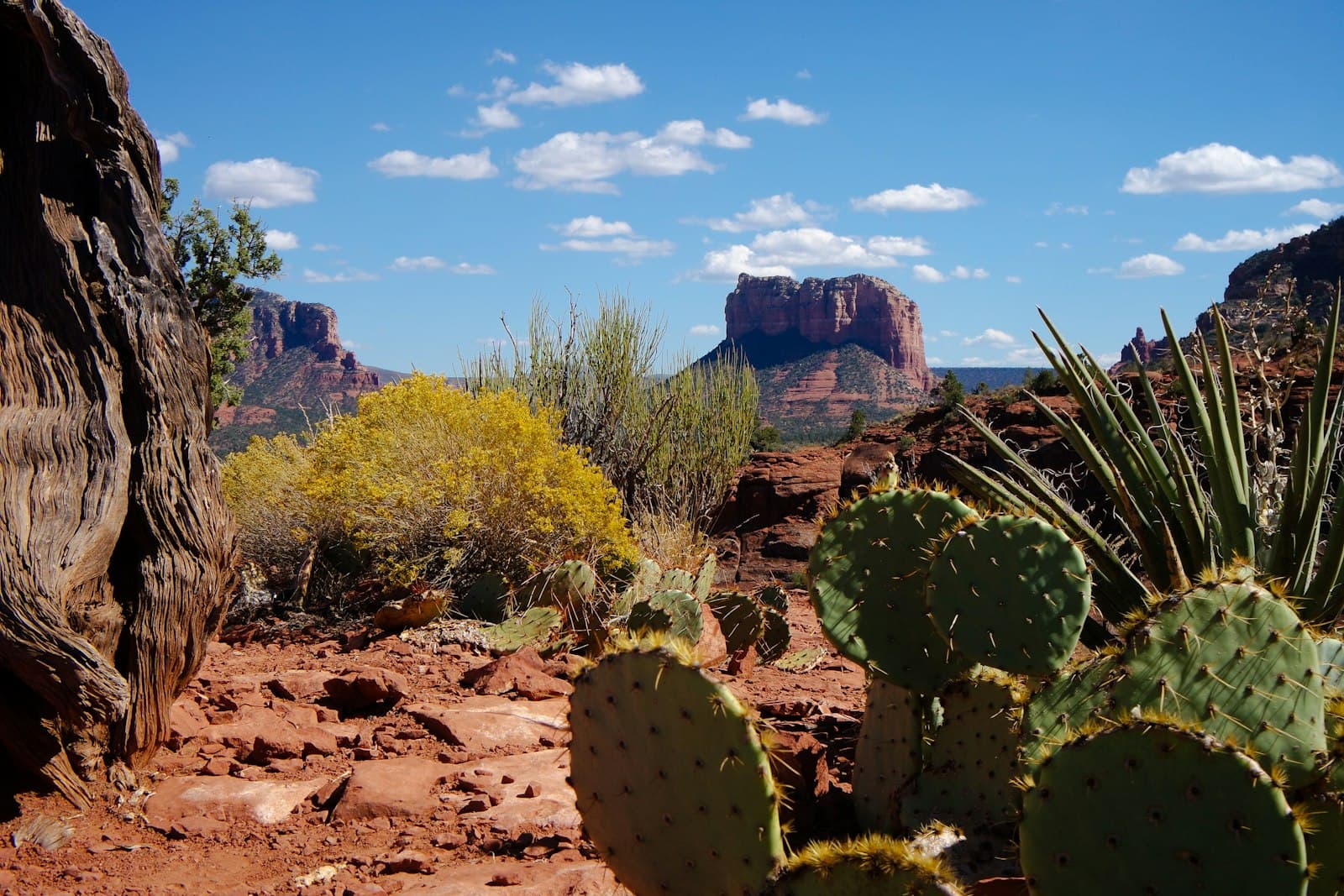 Photo: Michaela / Unsplash
Visite audio autoguidée de Tubac — parcours GPS à pied, lecture hors ligne, narration en 32 langues.
“Là où des siècles de récits humains se déploient sur la toile florissante d'un artiste.”
Pas les cartes postales. Les histoires que même les habitants ignorent — soufflées à l'oreille, là où elles se sont passées.
Les vestiges de la première colonie européenne d'Arizona portaient autrefois un nom mal compris.
La scène artistique florissante d'aujourd'hui a failli échouer dès sa première année.
Ce parc historique dépasse les récits coloniaux espagnols, préservant un fragment de l'éducation précoce de l'Arizona.
Découvrez tous les secrets de Tubac
Chaque adresse, chaque révélation en entier — dans ton oreille, là où elle s'est passée.
Tu choisis tes lieux. Tu marches. La voix te révèle ce que les autres ignorent.
Votre visite audioguidée de Tubac vous attend — choisissez vos lieux, votre langue, et lancez-vous dès votre arrivée.
AcheterTubac, Arizona, est un village captivant où les échos d'une histoire profonde et complexe résonnent à travers une scène artistique contemporaine. Située dans la vallée de la rivière Santa Cruz, à environ 45 minutes au sud de Tucson, cette petite communauté a acquis une réputation de destination de choix pour les amateurs d'art et ceux qui cherchent à apercevoir le passé colonial de l'Arizona. Ses bâtiments en adobe, ses cours espagnoles et ses galeries éclectiques invitent les visiteurs à ralentir et à explorer un mélange distinctif de cultures.
Plus qu'une simple collection de boutiques et de studios, Tubac est un lieu où chaque coin raconte une histoire. De ses origines en tant que village préhistorique Hohokam à son rôle central en tant que première colonie européenne permanente d'Arizona, la ville a été témoin de siècles de changements et de résilience. Aujourd'hui, Tubac prospère en tant que village piétonnier, offrant un rythme détendu pour découvrir des articles artisanaux, dialoguer avec des artistes locaux et savourer les saveurs du Sud-Ouest.
Qu'il soit attiré par l'attrait de ses créations artistiques, l'intrigue de ses sites historiques ou la beauté sereine de son paysage désertique, Tubac offre une expérience distinctive et enrichissante. C'est un lieu qui a été façonné par diverses influences – amérindiennes, espagnoles, mexicaines et américaines – chacune laissant une marque indélébile sur son caractère et son attrait.
L'histoire de Tubac commence bien avant l'arrivée des Européens, avec des preuves d'habitation préhistorique Hohokam datant d'environ 200 à 1450 après J.-C. Ces « maîtres du désert » étaient connus pour leurs vastes canaux d'irrigation le long des rivières Salt et Gila, créant des villages stables qui ont parfois duré plus d'un millénaire. Plus tard, Tubac est devenu un village et une zone agricole O'odham.
La présence espagnole dans la région a été enregistrée pour la première fois en 1726 lorsqu'un prêtre jésuite a baptisé des autochtones ici. Suite à la révolte Pima de 1751, le Presidio de San Ignacio de Tubac a été établi en 1752, marquant ainsi la première colonie européenne permanente de ce qui allait devenir l'Arizona. Cet avant-poste militaire était crucial pour protéger les colons et contrôler les populations autochtones locales. Les soldats étaient encouragés à amener leurs familles, aidant Tubac à devenir une communauté permanente.
L'emplacement stratégique de Tubac a fait qu'elle a été témoin d'importants bouleversements politiques. Cinq drapeaux ont flotté sur la ville, représentant son temps en tant que communauté indienne, colonie espagnole, partie du Territoire du Nouveau-Mexique, communauté mexicaine et Territoire de l'Arizona. Lorsque le Mexique a obtenu son indépendance de l'Espagne en 1821, le drapeau mexicain a flotté sur Tubac jusqu'en 1848. La ville a fait face à d'intenses raids apaches, entraînant des périodes d'abandon.
L'achat Gadsden de 1853 a intégré Tubac aux États-Unis, attirant des chercheurs de fortune et conduisant à un boom minier. Charles Poston, connu comme le « Père de l'Arizona », y a établi le siège de la Sonora Exploration and Mining Company, et en 1859, Tubac était la plus grande ville de la région. Cependant, la guerre civile a entraîné le retrait des troupes, ce qui a provoqué de nouvelles attaques apaches et une autre période de quasi-désertion.
Après ces cycles d'expansion et de récession, Tubac a trouvé une nouvelle identité au milieu du XXe siècle. En 1948, le peintre paysagiste Dale Nichols a fondé une colonie et une école d'art, attirant des artistes séduits par l'isolement et la simplicité du désert. Bien que l'école de Nichols n'ait duré qu'un an, elle a jeté les bases de l'avenir artistique de Tubac. La Santa Cruz Valley Art Association a été formée, et en 1972, le Tubac Center for the Arts a été construit, consolidant la réputation de la ville comme « Un lieu où l'art et l'histoire se rencontrent ».
Aujourd'hui, Tubac est célébrée pour sa scène artistique florissante, avec plus de 100 galeries et studios présentant un large éventail de styles artistiques. Elle continue d'embrasser son profond héritage tout en favorisant une communauté créative.
Commencez votre exploration au Parc historique d'État et Musée de Tubac Presidio, le premier parc d'État de l'Arizona et le site de l'original fort frontalier espagnol. Ici, vous pouvez explorer les fondations excavées, une école meublée de 1885 (la deuxième plus ancienne d'Arizona) et des expositions détaillant des siècles d'échanges culturels. Le parc conserve également la presse manuelle utilisée pour imprimer le premier journal de l'Arizona.
À seulement six kilomètres au sud, le Parc historique national de Tumacácori préserve trois sites de missions espagnoles, offrant un aperçu poignant de l'intersection des traditions indigènes, espagnoles et mexicaines. Vous pouvez également parcourir une section du Chemin historique national Juan Bautista de Anza, un tronçon de 13 km le long de la rivière Santa Cruz qui suit le chemin de l'expédition qui a fondé San Francisco.
Plongez dans le cœur artistique de Tubac en vous promenant dans ses nombreuses galeries d'art et ateliers. Le Tubac Center of the Arts est un centre névralgique, accueillant des expositions tournantes, des ateliers et des performances. Au-delà de l'art, découvrez des articles artisanaux uniques et des souvenirs dans les boutiques éclectiques du village.
Pour un autre type de loisir, le Tubac Golf Resort & Spa propose un parcours de championnat de 27 trous au milieu des vues sur les montagnes de Santa Rita, ainsi qu'un spa complet et des restaurants. Tubac est également une destination populaire pour l'observation des oiseaux.
La période la plus agréable pour visiter Tubac s'étend d'octobre à avril. Pendant ces mois, les températures sont douces, généralement comprises entre 18°C et 28°C. Janvier est le mois le plus froid, mais reste généralement agréable. La fréquentation est la plus élevée pendant cette période en raison des conditions agréables.
Mai, juin et juillet sont assez chauds, avec des maximales moyennes atteignant les 35°C, et dépassant parfois les 38°C. Fin juillet et août marquent la saison de la mousson, apportant des averses rapides et souvent intenses, qui peuvent provoquer des ruissellements et des crues soudaines. Bien qu'août puisse être chaud, les températures varient généralement de 21°C à 34°C.
Tubac est située dans le sud de l'Arizona, à environ 45 minutes au sud de Tucson via l'I-19, et à environ 20 minutes au nord de Nogales, au Mexique. Le village est très agréable à parcourir à pied, avec de nombreuses galeries, boutiques et restaurants concentrés sur quelques pâtés de maisons. Un parking public gratuit est disponible dans tout Tubac, bien qu'un droit puisse s'appliquer pendant le Festival annuel des Arts de Tubac pour soutenir les organisations à but non lucratif locales.
La plupart des boutiques et galeries sont ouvertes tous les jours de 10h à 17h, bien que les horaires puissent varier selon la saison ou l'entreprise individuelle. Des toilettes publiques sont idéalement situées dans tout le village. Les animaux de compagnie tenus en laisse sont les bienvenus dans de nombreuses boutiques et galeries. Pour la restauration, Tubac offre une variété de restaurants et de bars locaux, servant de tout, de la cuisine du sud-ouest et mexicaine aux plats américains et italiens.
Tubac en coréen, en chinois ou en hébreu — et dans 29 autres langues, chaque étape narrée par une voix native. La plus large gamme de langues de tous les audioguides autoguidés.
Disponible en :