La Veules, le plus court fleuve de France
Ce cours d'eau apparemment ordinaire détient un record national.
L'histoire complète se débloque dans le tour
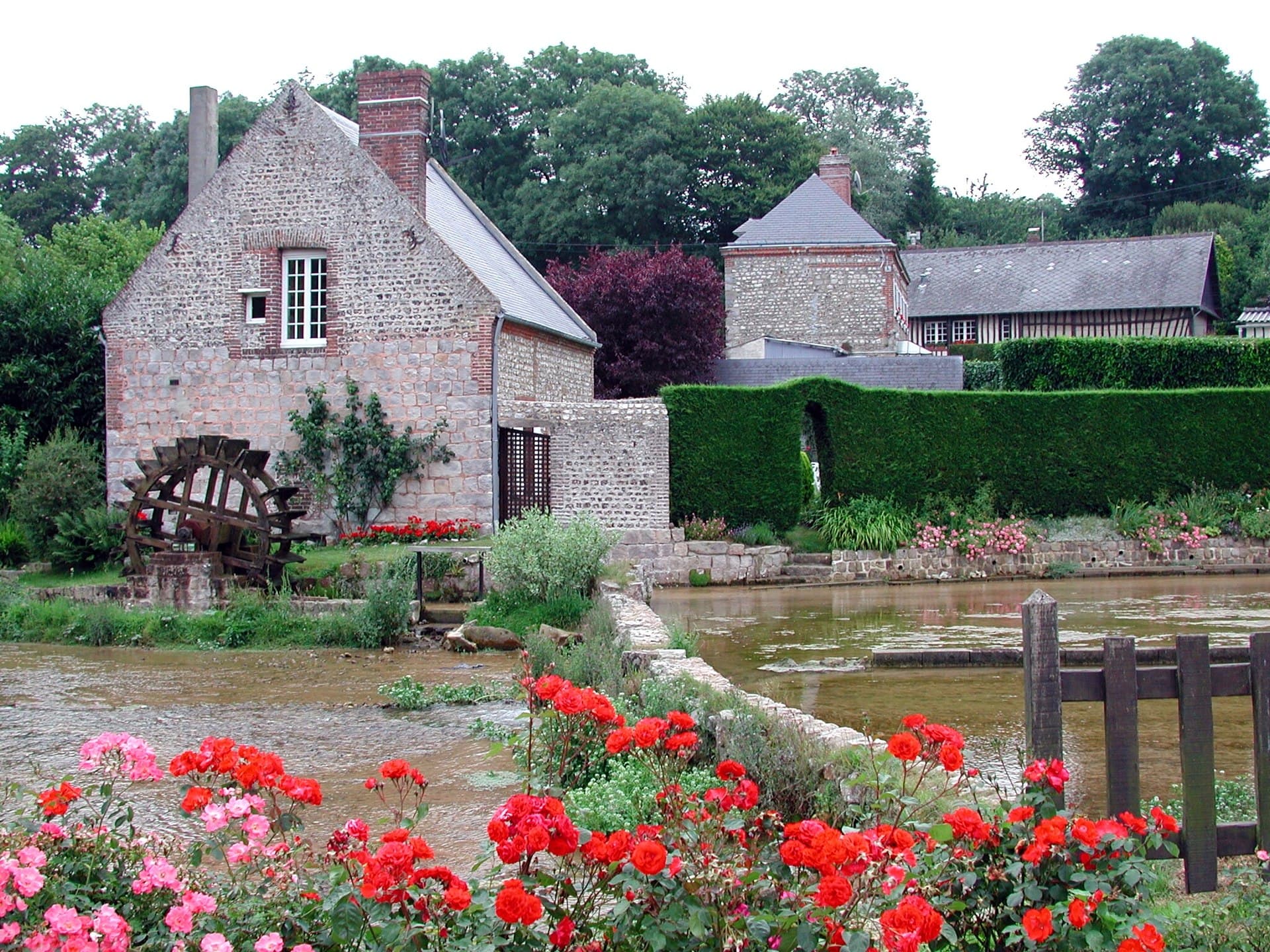 Gegeours / CC BY-SA 3.0, via Wikimedia Commons
Visite audio autoguidée de Veules-les-Roses — parcours GPS à pied, lecture hors ligne, narration en 32 langues.
“Là où le plus court fleuve de France rencontre la mer, un village de roses et de charme tranquille se dévoile.”
Pas les cartes postales. Les histoires que même les habitants ignorent — soufflées à l'oreille, là où elles se sont passées.
Ce cours d'eau apparemment ordinaire détient un record national.
Les 'Roses' de Veules-les-Roses n'ont pas toujours été là, et leur ajout fut un acte délibéré d'embellissement.
Durant une période tumultueuse de son histoire, la tenue des femmes de Veules-les-Roses servait de marqueur visuel clair de leur allégeance religieuse.
Découvrez tous les secrets de Veules-les-Roses
Chaque adresse, chaque révélation en entier — dans ton oreille, là où elle s'est passée.
Tu choisis tes lieux. Tu marches. La voix te révèle ce que les autres ignorent.


Votre visite audioguidée de Veules-les-Roses vous attend — choisissez vos lieux, votre langue, et lancez-vous dès votre arrivée.
AcheterLume intègre un guide en réalité augmentée. Levez votre téléphone : sa caméra montre la rue devant vous, avec une flèche lumineuse posée sur l'image réelle qui pointe toujours vers votre prochain arrêt — aucune carte à déchiffrer, aucun mauvais virage. Comme tout dans Lume, ça fonctionne entièrement hors-ligne.
Veules-les-Roses, un village de la Côte d'Albâtre en Normandie, offre une évasion tranquille où histoire et beauté naturelle s'entremêlent. Reconnu comme l'un des Plus Beaux Villages de France, son attrait réside dans le doux cours de la Veules, le plus court fleuve du pays se jetant dans la mer. Le fleuve serpente à travers le village, passant devant d'anciens moulins à eau et des maisons à colombages ornées d'abondantes roses, créant un cadre pittoresque qui a captivé artistes et écrivains pendant des siècles.
Ce village côtier, avec une population de moins de 600 habitants, se transforme en été lorsque les visiteurs arrivent pour explorer son caractère unique. Des cressonnières à la source du fleuve à la plage de galets et de sable encadrée par de spectaculaires falaises de craie, Veules-les-Roses invite aux promenades tranquilles et aux moments de contemplation. Son mélange de patrimoine architectural, d'esprit artistique et de fruits de mer frais, en particulier ses huîtres locales et son cresson, offre une expérience normande distinctive.
Les origines de Veules-les-Roses remontent au IVe siècle, son nom étant probablement dérivé d'un ancien mot saxon, 'Well', signifiant une source d'eau. Pendant des siècles, la pêche fut la principale activité économique, soutenant le village à travers le Moyen Âge jusqu'au XVIIIe siècle. La Veules joua un rôle central dans l'économie primitive du village, alimentant des moulins pour moudre le blé et transformer le lin pendant la Révolution industrielle.
Le XVIe siècle apporta une période de conflits internes durant les guerres de religion, qui divisèrent la population locale et affectèrent l'agriculture et le commerce. Cette division était si prononcée que les femmes catholiques portaient des jupes rouges, tandis que les protestantes portaient des bleues, un témoignage visuel des tensions de l'époque. La prospérité revint avec le rétablissement de la paix, et au XIXe siècle, Veules-les-Roses commença à être reconnue au-delà de ses frontières locales.
La transformation du village en station balnéaire à la mode commença en 1826 lorsque l'actrice de la Comédie Française, Anaïs Aubert, cherchant du réconfort après une malheureuse histoire d'amour, visita Veules. Ses récits enthousiastes à son retour à Paris attirèrent une vague d'artistes et d'écrivains, dont Victor Hugo, les frères Goncourt et Paul Meurice, qui cherchèrent l'inspiration dans sa beauté tranquille. Cet afflux de la société parisienne conduisit à la construction de villas majestueuses, contribuant à la diversité architecturale du village, qui comprend désormais des cottages traditionnels à colombages et des styles anglo-normands plus formels. Bien que des parties du front de mer aient été endommagées pendant la Seconde Guerre mondiale, le cœur du village, plus à l'intérieur des terres, a conservé son attrait historique.
Commencez votre exploration par une promenade le long de la Veules, le plus court fleuve de France, de sa source à la mer. Ce chemin, parfois appelé les 'Champs Elysée', vous guide devant des moulins à eau historiques, des maisons normandes traditionnelles et des jardins fleuris. Observez les cressonnières, où cette spécialité locale est cultivée depuis le XIVe siècle, grâce à l'eau claire du fleuve.
Visitez l'église Saint-Martin, qui date de 1026, bien que son clocher soit de la fin du XIIe siècle et ses nefs et son chœur du XVIe siècle. À l'intérieur, vous trouverez des piliers en grès sculptés et un orgue de 1628 encore utilisé pour des concerts. Flânez dans les rues étroites du village, admirant les cottages à colombages et la profusion de roses qui donnent son nom au village. Terminez votre promenade sur la plage de galets et de sable, encadrée par les spectaculaires falaises de craie blanche de la Côte d'Albâtre, offrant des vues vers Saint-Valery-en-Caux.
La meilleure période pour visiter Veules-les-Roses est pendant les mois de mai, juin, juillet, août et septembre. Durant ces mois, les températures sont agréables, oscillant entre environ 13°C et 22°C, et l'ensoleillement est généralement plus important. L'été voit les fleurs du village, en particulier les roses, à leur apogée, rehaussant son attrait pittoresque. Bien qu'il puisse y avoir du monde les week-ends et pendant le marché hebdomadaire, une visite en semaine en juillet peut toujours être agréable.
Veules-les-Roses est située sur la Côte d'Albâtre en Normandie, à environ 19 kilomètres au sud-ouest de Dieppe. Bien qu'elle soit accessible en voiture, les options de transport en commun sont limitées. Un parking public gratuit est disponible autour du village, généralement à 5 à 10 minutes à pied du centre. Le village est mieux exploré à pied, avec un sentier de randonnée bien balisé de 3 kilomètres le long de la Veules. L'office de tourisme local peut fournir des cartes et des informations pour des visites autoguidées. Le village accueille un marché hebdomadaire le mercredi matin le long de la rue Victor Hugo et de la rue Girard, et deux marchés nocturnes en juillet et août.
Veules-les-Roses en coréen, en chinois ou en hébreu — et dans 29 autres langues, chaque étape narrée par une voix native. La plus large gamme de langues de tous les audioguides autoguidés.
Disponible en :