La Roca Grossa
Una enorme roca inclinada se alza prominentemente en el pueblo, desafiando la gravedad. No es solo una curiosidad geológica; está ligada al peculiar apodo del pueblo.
La historia completa se desbloquea en el tour
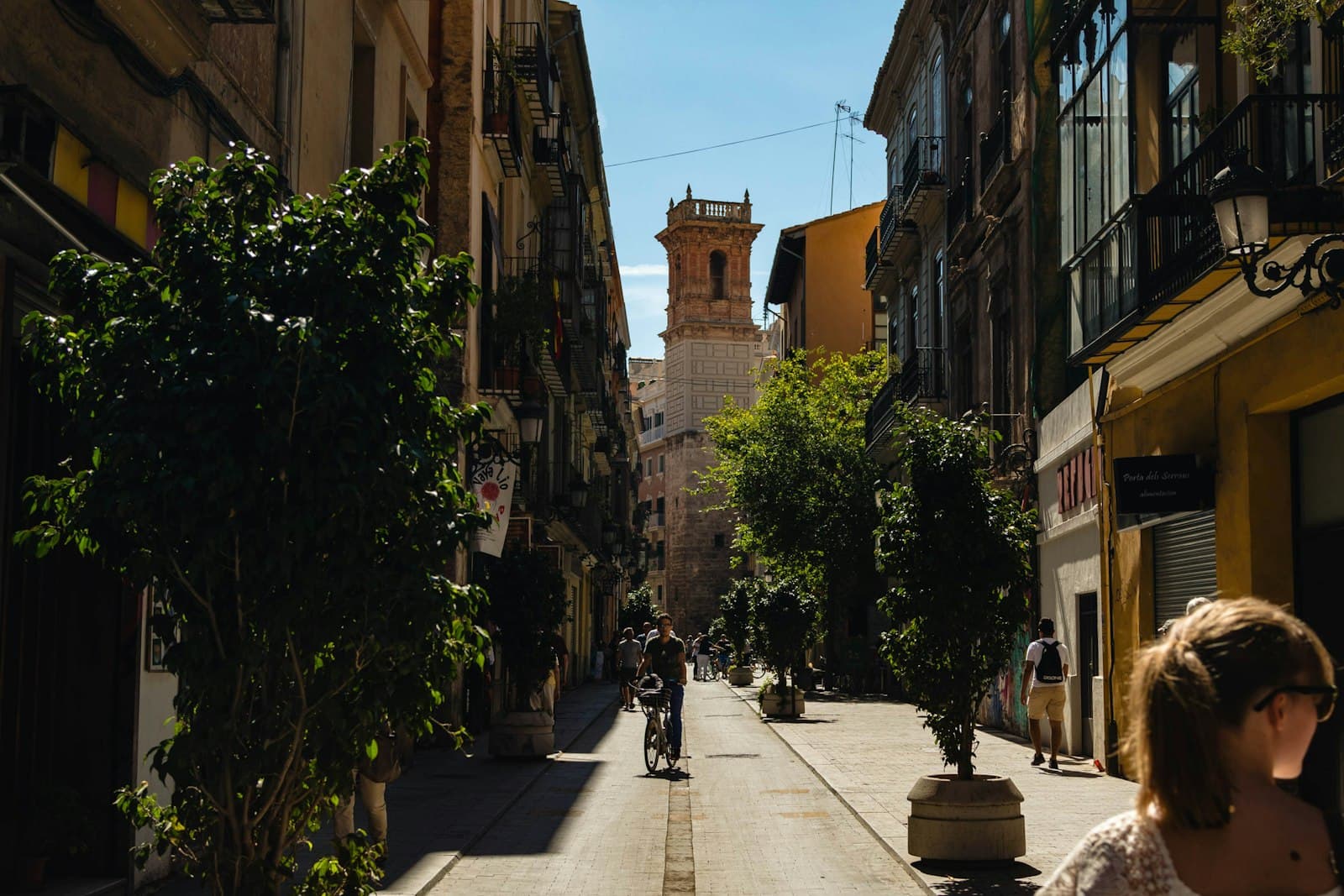 Photo: Al Elmes / Unsplash
Tour de audio autoguiado de Vilafamés — ruta GPS a pie, reproducción offline, narración en 32 idiomas.
“Donde las piedras milenarias cuentan historias y el arte encuentra su hogar en las colinas.”
No las postales. Las historias que ni los locales conocen — al oído, justo donde ocurrieron.
Una enorme roca inclinada se alza prominentemente en el pueblo, desafiando la gravedad. No es solo una curiosidad geológica; está ligada al peculiar apodo del pueblo.
Este museo de arte contemporáneo, ubicado en un palacio gótico del siglo XV, alberga una impresionante colección, pero su método de adquisición es verdaderamente único.
En lo alto del pueblo, cerca del castillo, se encuentra una pequeña cueva con dibujos antiguos. Estas no son solo marcas viejas; son una ventana a una civilización mucho más antigua.
Descubre todos los secretos de Vilafamés
Cada dirección, cada revelación al completo — a tu oído, justo donde ocurrió.
Eliges tus paradas. Caminas. La voz te revela lo que los demás ignoran.


Tu tour de audioguía por Vilafamés te espera — elige tus lugares, tu idioma y empieza al llegar.
ComprarLume incluye una guía de realidad aumentada. Levanta el móvil y su cámara muestra la calle que tienes delante, con una flecha luminosa sobre la imagen real que siempre apunta a tu próxima parada — sin mapas que descifrar, sin giros equivocados. Como todo en Lume, funciona completamente sin conexión.
Vilafamés, un pueblo en la provincia española de Castellón, es una cautivadora mezcla de historia antigua y espíritu artístico. Su distintiva silueta se define por un trazado medieval de calles estrechas y sinuosas y casas construidas con la característica piedra arenisca rosada. Esta piedra única le da a muchos de los edificios un cálido tono rojizo, lo que le ha valido a Vilafamés el apodo de 'el pueblo rojo'. Declarado Conjunto Histórico-Artístico y uno de los Pueblos Más Bonitos de España, Vilafamés ofrece amplias vistas de los olivares y almendros circundantes y de las llanuras agrícolas.
Con una población de alrededor de 1.900 habitantes, Vilafamés mantiene un encanto tranquilo, invitando a los visitantes a pasear por su casco histórico y descubrir su pasado en capas. Desde restos humanos prehistóricos hasta un castillo morisco y un reconocido museo de arte contemporáneo, el pueblo presenta un paisaje cultural diverso. Es un lugar donde la tradición y la expresión artística coexisten, ofreciendo una visión de una historia que abarca milenios.
La historia de Vilafamés se remonta a tiempos prehistóricos. Los hallazgos arqueológicos en la zona incluyen restos de Homo neanderthalensis que datan de entre 120.000 y 80.000 a.C. Vestigios más recientes del Periodo Magdaleniense Superior Final (13.000 - 12.000 a.C.) han sido descubiertos en la Cueva de Matutano dentro del pueblo, y en varios asentamientos ibéricos en la zona de la Plana de Vilafamés. El arte rupestre encontrado en el Abrigo del Castell de la Edad del Bronce subraya aún más la antigua presencia humana en la región, lo que le valió la designación de Patrimonio de la Humanidad por la UNESCO en 1998.
El pueblo en sí tiene orígenes moros, con sus cimientos y el encantador trazado urbano de calles sinuosas y estrechas que datan de alrededor del siglo X u XI. El castillo, originalmente una fortaleza mora conocida como 'Beni-Hamez', se erige como testimonio de este período. El rey Jaime I de Aragón conquistó Vilafamés en 1233, y la carta puebla fue confirmada en 1242. A lo largo de la historia, el pueblo perteneció a la orden religiosa de Sant Joan l'Hospital hasta 1319, cuando pasó a la Orden de Montesa.
Tras la conquista cristiana, el pueblo experimentó una nueva concepción urbana con trazados de calles más lineales que se desarrollaron en la parte baja del pueblo, contrastando con el diseño andalusí anterior en el barrio alto. El castillo sufrió una importante reconstrucción y expansión, con sus elementos más antiguos que datan del siglo XIV, cuando el Maestre de la Orden de Montesa ordenó reforzar las fortificaciones. Las murallas defensivas del pueblo, cuya construcción se remonta a alrededor de 1375, también experimentaron reparaciones y reconstrucciones a lo largo del tiempo. El castillo sufrió graves daños durante las Guerras Carlistas en el siglo XIX, durante las cuales se construyó su distintiva torre central circular.
Hoy en día, Vilafamés es reconocido por su carácter medieval bien conservado y su compromiso con la cultura. Fue declarado Conjunto Histórico en 2005 y es miembro de la asociación 'Los Pueblos Más Bonitos de España'. El pueblo también ha desarrollado un sector industrial, principalmente en la fabricación de azulejos, y tiene un creciente interés en el enoturismo, junto con sus actividades agrícolas establecidas de olivares, almendros y viñedos.
Comience su exploración en el centro histórico, Bien de Interés Cultural, donde estrechas y empinadas calles serpentean entre edificios construidos con la distintiva piedra rojiza de rodeno. Un punto de referencia prominente es La Roca Grossa, una enorme roca inclinada que pesa más de 2.000 toneladas y parece desafiar la gravedad. Los lugareños dicen que tocarla y pedir tres deseos concederá al menos uno.
Ascienda al Castell de Vilafamés, una fortaleza en la cima de una colina con orígenes moros que ofrece vistas expansivas del pueblo y los paisajes circundantes. Aunque el castillo ha sido objeto de muchas renovaciones, su torre circular del siglo XIX es una característica notable. Cerca de allí, el abrigo rocoso Abric del Castell alberga importantes pinturas rupestres de la Edad del Bronce.
Descienda para descubrir el Museu d'Art Contemporani Vicente Aguilera Cerni (MACVAC), ubicado en el Palau del Batlle gótico del siglo XV. Este museo exhibe una colección de arte contemporáneo, incluyendo obras de renombrados artistas españoles, adquiridas a través de donaciones de artistas. Otros puntos arquitectónicos destacados incluyen la Iglesia de la Asunción barroca del siglo XVI y la Iglesia de la Sangre medieval, que sufrió una renovación barroca en el siglo XVII.
Vilafamés goza de un clima templado durante todo el año. Para actividades al aire libre en general, la mejor época para visitar es desde principios de junio hasta mediados de septiembre, con un pico en la primera semana de julio, cuando las temperaturas son cómodamente entre 18°C y 27°C. Si prefiere un clima más cálido para actividades como nadar, principios de julio hasta finales de agosto es ideal, con temperaturas percibidas entre 24°C y 32°C. La primavera (marzo a mayo) y el otoño (septiembre a noviembre) ofrecen temperaturas agradables y menos multitudes, con la primavera trayendo flores silvestres y el otoño mostrando la vendimia.
Vilafamés se encuentra en la provincia de Castellón, a unos 30 minutos de Castellón de la Plana y a una hora de la ciudad de Valencia. La forma más fácil de llegar al pueblo es en coche, y hay un amplio aparcamiento debajo del centro histórico. El transporte público es limitado, con opciones de tren y autobús desde Valencia que tardan aproximadamente 2,5 horas y tienen horarios poco frecuentes, especialmente los domingos. Se recomiendan zapatos cómodos, ya que el pueblo cuenta con calles empinadas y escaleras. El Museo de Arte Contemporáneo (MACVAC) abre todos los días excepto los lunes, con una pausa para la siesta entre las 14:00 y las 16:00. La entrada al castillo es gratuita.
Vilafamés en coreano, en chino o en hebreo — y 29 idiomas más, cada parada narrada por una voz nativa. La mayor variedad de idiomas de cualquier audioguía autoguiada.
Disponible en: