Los Patios de Villedieu-les-Poêles
Pasea por los patios medievales del pueblo y quizás notes algo particular sobre su propósito original.
La historia completa se desbloquea en el tour
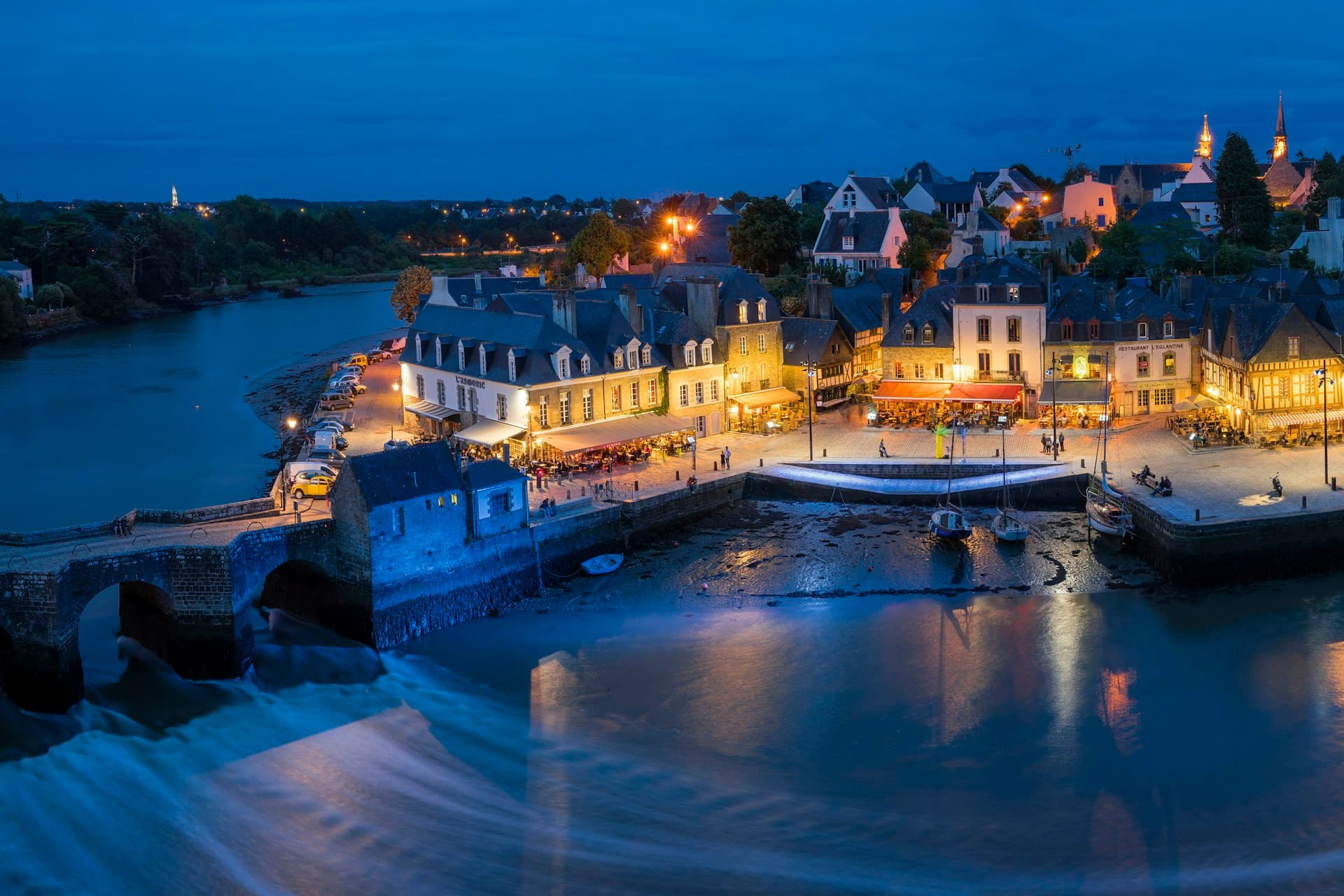 Photo of Trouville-sur-Mer, via Wikimedia Commons
Tour de audio autoguiado de Villedieu-les-Poêles — ruta GPS a pie, reproducción offline, narración en 32 idiomas.
“Donde el tintineo del cobre y el repicar de las campanas cuentan una historia eterna.”
No las postales. Las historias que ni los locales conocen — al oído, justo donde ocurrieron.
Pasea por los patios medievales del pueblo y quizás notes algo particular sobre su propósito original.
Los habitantes de Villedieu-les-Poêles tienen un apodo local, 'Sourdins', que alude a un sorprendente riesgo laboral de siglos pasados.
La mundialmente famosa Fundición de Campanas Cornille Havard, responsable de fundir campanas para Notre-Dame, utiliza un ingrediente inesperado en su proceso de moldeo tradicional.
Descubre todos los secretos de Villedieu-les-Poêles
Cada dirección, cada revelación al completo — a tu oído, justo donde ocurrió.
Eliges tus paradas. Caminas. La voz te revela lo que los demás ignoran.

Tu tour de audioguía por Villedieu-les-Poêles te espera — elige tus lugares, tu idioma y empieza al llegar.
ComprarLume incluye una guía de realidad aumentada. Levanta el móvil y su cámara muestra la calle que tienes delante, con una flecha luminosa sobre la imagen real que siempre apunta a tu próxima parada — sin mapas que descifrar, sin giros equivocados. Como todo en Lume, funciona completamente sin conexión.
Villedieu-les-Poêles, una ciudad en el departamento de la Mancha en Normandía, es un lugar donde el tiempo parece resonar con el rítmico tintineo de los martillos sobre el metal. Conocida como 'la ciudad del cobre' o 'la ciudad del cobre y el estaño', su identidad está profundamente entrelazada con siglos de artesanía, particularmente en la fabricación de objetos de cobre y la fundición de campanas. A diferencia de muchas ciudades normandas definidas por grandes castillos o catedrales, el carácter de Villedieu está moldeado por sus hábiles artesanos y las herramientas cotidianas que crean.
Caminar por Villedieu-les-Poêles es una experiencia inmersiva, con calles empedradas que revelan talleres de artesanos y relucientes ollas de cobre en los escaparates. Es un destino que combina su herencia artesanal con una atmósfera cálida y local, ofreciendo una experiencia cultural única que se siente como retroceder en el tiempo a un gremio medieval en funcionamiento.
Villedieu-les-Poêles remonta sus orígenes al siglo XII, fundada por los Caballeros Hospitalarios de San Juan de Jerusalén, también conocidos como los Caballeros de Malta. Durante casi 500 años, la ciudad disfrutó de una independencia temporal única, libre de la interferencia de reyes, señores u obispos, con solo el Papa ejerciendo influencia. Se cree que esta historia temprana como encomienda de los Caballeros de Malta jugó un papel en que la ciudad se convirtiera en un centro de talleres de cobre, ya que los Caballeros pudieron haber traído la tecnología de la calderería de las Cruzadas.
La fama de la ciudad floreció verdaderamente con sus tradiciones metalúrgicas. Para 1328, los hombres de Villedieu habían formado una hermandad profesional de fabricantes de sartenes de cobre, una industria que eventualmente emplearía a unas 700 familias en el siglo XIX. La importancia de este oficio se refleja incluso en el nombre de la ciudad; 'Poêles' en francés se refiere a sartenes, y la ciudad añadió oficialmente 'les Poêles' a su nombre en 1962. Mientras los hombres elaboraban cobre, las mujeres contribuían a la prosperidad de la ciudad mediante la fabricación de encajes.
Villedieu-les-Poêles ha sido reconocida con la etiqueta 'Ville et Métiers d'Art' (Ciudad y Oficios de Arte), un testimonio de su perdurable tradición artesanal. Sorprendentemente, la arquitectura medieval de la ciudad sobrevivió en gran medida a los bombardeos de la Segunda Guerra Mundial, preservando su patrimonio antiguo y su carácter único. Hoy, Villedieu-les-Poêles continúa celebrando a sus artesanos, con eventos como los Días Europeos de la Artesanía y la Fête des Métiers d'Art que muestran las diversas habilidades presentes en la ciudad.
Comienza tu exploración en la Fundición de Campanas Cornille Havard, una institución de renombre mundial que ha estado fundiendo campanas desde 1865. Es una de las pocas fundiciones de campanas que aún operan en Francia y es famosa por producir campanas para la Catedral de Notre-Dame en París. Realiza una visita guiada para presenciar el intrincado proceso de fabricación de campanas, una mezcla de prácticas centenarias y técnicas acústicas modernas.
Luego, visita el Atelier du Cuivre (Taller del Cobre), un taller en funcionamiento ubicado en un edificio del siglo XIX donde puedes observar a los caldereros trabajando, elaborando desde sartenes hasta artículos decorativos. El museo asociado proporciona contexto histórico y exhibe herramientas del pasado. Cerca, la Maison de la Dentellière (Casa de la Encajera) ofrece una visión del patrimonio de encajes de Villedieu con demostraciones de encaje de bolillos.
Pasea por los talleres de los patios de la ciudad, como la Cour de la Luzerne o la Cour du Foyer, que alguna vez sirvieron como hogares y lugares de trabajo para los artesanos. La Iglesia de Notre Dame, una estructura del siglo XII construida por los Caballeros Hospitalarios, presenta una intrigante mezcla de arquitectura románica y gótica, con vidrieras y arte religioso en su interior. Los lavaderos del siglo XIX a lo largo del río Sienne ofrecen una pintoresca visión de la vida cotidiana de una época pasada.
La mejor época para visitar Villedieu-les-Poêles es desde la primavera hasta principios de otoño (abril a octubre). Durante estos meses, los talleres están en pleno funcionamiento, la ciudad está en flor y el mercado es más animado. El verano ofrece un calendario ajetreado de eventos, incluidos festivales de artesanía y días de puertas abiertas. Aunque más tranquilo, el invierno puede ser atmosférico, particularmente en la época previa a la Navidad.
Villedieu-les-Poêles es de fácil acceso, situada cerca de la autopista A84 que conecta Caen con Rennes, y tiene su propia estación de tren con conexiones a París a través de Granville. La ciudad es compacta y su centro histórico es ideal para explorar a pie. La Oficina de Turismo, ubicada en 8 Place des Costils, es una excelente primera parada para obtener mapas, información sobre visitas guiadas y detalles sobre eventos locales.
Los días de mercado son un punto culminante: un gran mercado tradicional tiene lugar todos los martes por la mañana, ofreciendo productos locales, quesos, sidras y productos artesanales en todo el centro de la ciudad. Un mercado de alimentos frescos más pequeño se celebra los viernes por la mañana en la Place des Halles. Las opciones de alojamiento incluyen hoteles y bed & breakfasts dentro de la ciudad.
Villedieu-les-Poêles en coreano, en chino o en hebreo — y 29 idiomas más, cada parada narrada por una voz nativa. La mayor variedad de idiomas de cualquier audioguía autoguiada.
Disponible en: