Anderson House Hotel
The oldest continually operating hotel in Minnesota offers a singular amenity that might surprise you.
Full story unlocks in the tour
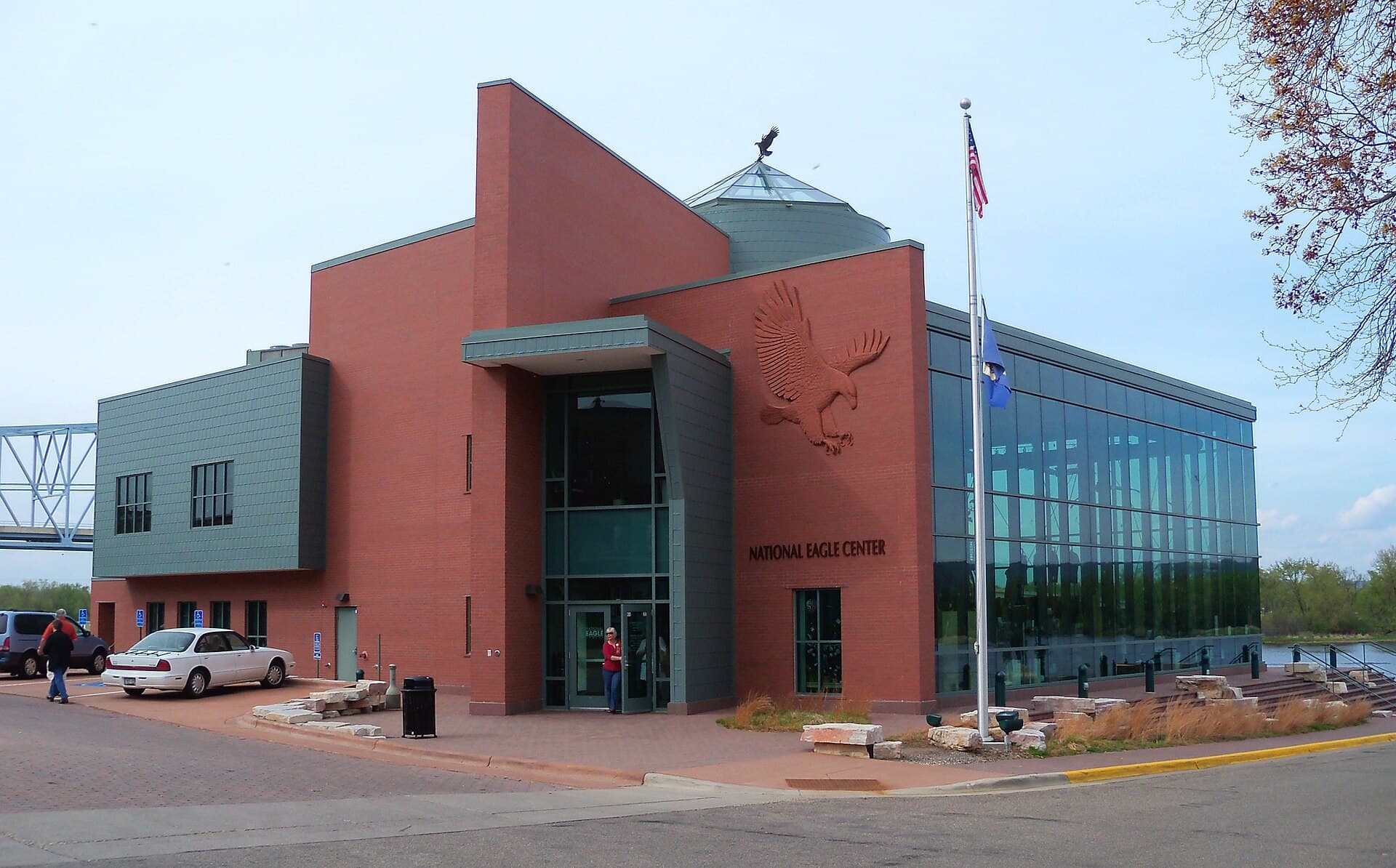 AlexiusHoratius / CC BY-SA 3.0, via Wikimedia Commons
Self-guided audio walking tour of Wabasha — GPS route, offline playback, story-driven narration in 32 languages.
“Where the Mississippi's enduring presence meets cinematic enchantment.”
Not the postcards. The stories even locals don't know — whispered in your ear, right where they happened.
The oldest continually operating hotel in Minnesota offers a singular amenity that might surprise you.
The city's name, honoring a revered Dakota chief, was officially bestowed in a rather grounded, symbolic manner.
Once a bustling river port, this nearby village was considered for a much grander role in Minnesota's history.
Discover every secret of Wabasha
Every address, every reveal in full — in your ear, right where it happened.
You pick your stops. You walk. The voice reveals what the others miss.

Your self-guided audio tour of Wabasha is ready — pick your landmarks, choose your language, and start the moment you arrive.
BuyWabasha, Minnesota, a city with a population of 2,559 as of the 2020 census, offers a compelling blend of natural splendor and historical depth along the Mississippi River. Situated at the foot of Lake Pepin, near where the Mississippi and Zumbro Rivers converge, it is a quintessential river town. Recognized as Minnesota's oldest continuously inhabited settlement, with a narrative stretching back to 1826, Wabasha has carefully preserved its heritage while embracing its role as a thriving community.
This engaging city is more than just a picturesque stop; it is a place where the echoes of Native American chiefs, fur traders, and steamboat captains still resonate. Wabasha's historic district contains over 50 buildings listed on the National Register of Historic Places, inviting visitors to journey through time. Beyond its architectural treasures, Wabasha is celebrated for its abundant bald eagle population, drawing nature enthusiasts from across the globe to the National Eagle Center.
Wabasha's story begins long before European settlement, as the primary camping ground for a band of the Sioux Nation, guided by Chief Wa-pa-shaw. The city itself is named in his honor. The first white settler in the area was Augustin Rocque, Chief Wa-pa-shaw's nephew, a fur trader and interpreter of French and Dakota heritage, who established trading posts between 1817 and 1823. By 1826, Rocque had made his home here, marking the continuous occupation of the site.
The 1830 Treaty of Prairie du Chien, which saw various Native American tribes ceding claims to lands in the region, formally established Wabasha as the oldest town in Minnesota. The settlement was officially named "Wabashaw" in 1843, a name that would later be simplified to Wabasha in 1868. The mid-19th century saw Wabasha flourish as a significant lumber and commerce hub, with steamboats regularly navigating the Mississippi, carrying goods and people. The arrival of the railroad in the 1870s gradually supplanted steamboat traffic for freight, connecting Wabasha more efficiently with eastern cities.
Beyond its early industries, Wabasha also had a substantial clamming industry in the early 20th century, with shells being used for button manufacturing until synthetic materials emerged around 1940. Today, Wabasha serves as the county seat of Wabasha County, maintaining its historic character while offering modern attractions. Its downtown commercial district, with over 50 buildings on the National Register of Historic Places, stands as a testament to its enduring legacy.
Wabasha offers a variety of attractions that highlight its history and natural beauty. The National Eagle Center provides a singular opportunity to observe bald and golden eagles up close, with educational programs and field trips available year-round. For a deeper exploration of the past, take a historic walking tour of downtown Wabasha, where more than 50 buildings are listed on the National Register of Historic Places. Do not miss the Grace Memorial Episcopal Church, Minnesota's oldest Episcopal church, notable for its Tiffany stained-glass window.
Fans of classic cinema will appreciate the connection to the movies Grumpy Old Men and Grumpier Old Men, which are set in Wabasha. While not filmed here, the town embraces its cinematic renown with an annual Grumpy Old Men Festival. For a unique lodging experience, consider the Anderson House Hotel, known for its tradition of allowing guests to "rent a cat." Outdoor enthusiasts can explore nine biking trails, which are also suitable for winter hiking, cross-country skiing, and snowshoeing. During the warmer months, consider a river cruise to see eagles in their natural habitat.
The best time to visit Wabasha for warm-weather activities is from mid-June to early September, when average daily high temperatures are above 72°F and humidity levels are comfortable. July is the warmest month, with an average high of 83°F. The clearer part of the year for skies also begins in June and extends into October. Winter offers a different appeal, especially for eagle viewing, as large concentrations of bald eagles gather in the area. The annual Grumpy Old Men Festival is held on the last Saturday of February.
Wabasha is located approximately 70 miles southeast of Minneapolis/St. Paul. Driving is the most common way to reach the city, often via U.S. Highway 61 and Minnesota Highway 60. For those preferring not to drive the entire way, flying into Rochester International Airport (RST) and then driving north for under an hour is an option. Train travel is also possible, with Amtrak serving both Rochester and Winona, both about an hour's drive from Wabasha.
Once in Wabasha, many of the downtown attractions are accessible by foot, particularly within the historic district. The city offers various lodging options, including hotels, bed and breakfasts, and resorts. Dining experiences range from waterfront establishments to local eateries. For outdoor activities, remember to check local conditions for biking, hiking, and water recreation, especially seasonally.
Wabasha in Korean, in Chinese or in Hebrew — and 29 more languages, every stop narrated by a native voice. The widest language range of any self-guided audio tour.
Available in: