Muelle de Wells
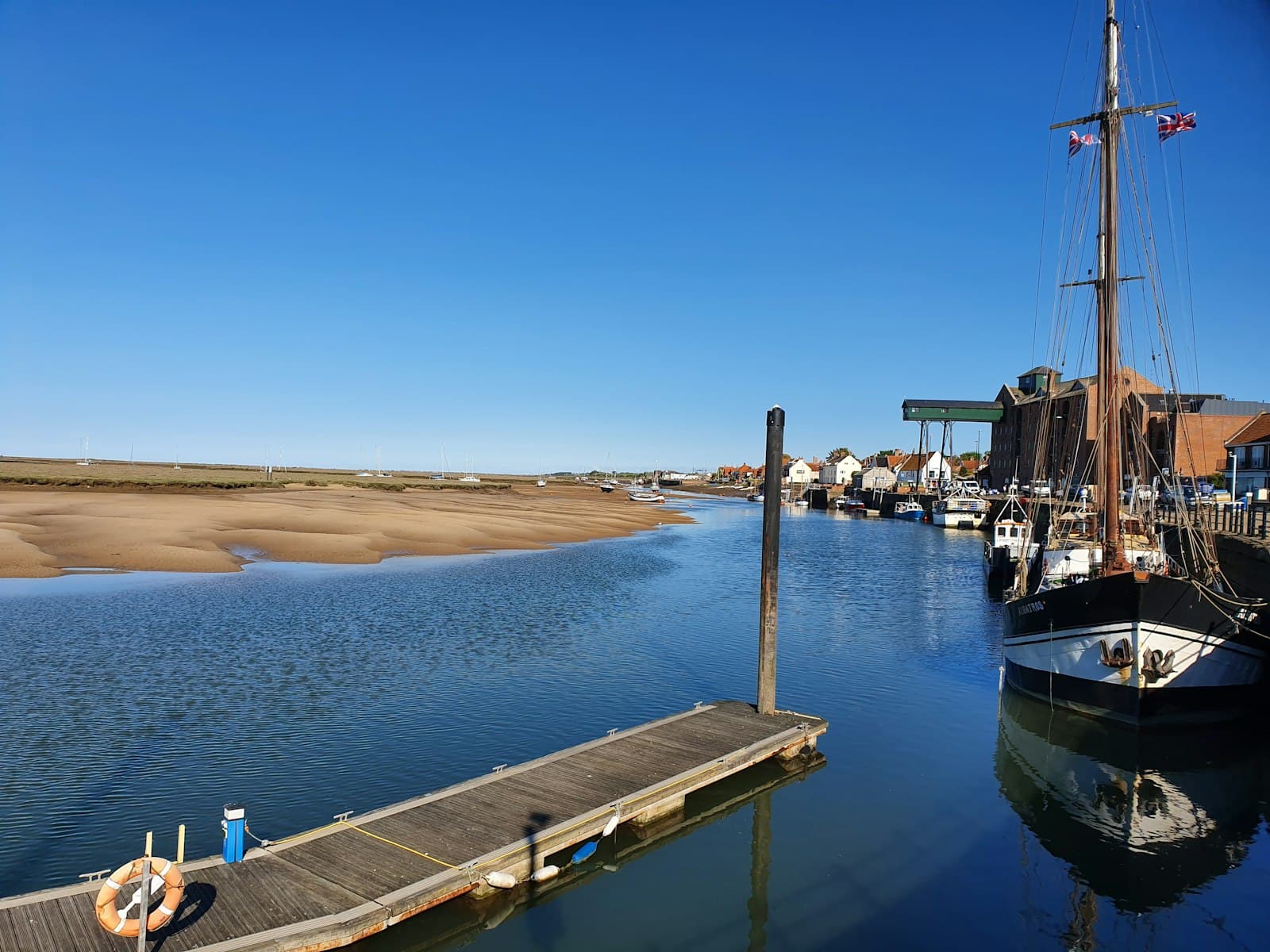
El distintivo edificio Granary, con su pronunciada grúa voladiza, narra una historia no solo de grano, sino de una inesperada conexión global.
La historia completa se desbloquea en el tour
 MOTORAL1987 / CC BY-SA 4.0, via Wikimedia Commons
Tour de audio autoguiado de Wells-next-the-Sea — ruta GPS a pie, reproducción offline, narración en 32 idiomas.
“Donde las arenas movedizas se encuentran con un encanto perdurable.”
No las postales. Las historias que ni los locales conocen — al oído, justo donde ocurrieron.
El distintivo edificio Granary, con su pronunciada grúa voladiza, narra una historia no solo de grano, sino de una inesperada conexión global.
Entre las lápidas erosionadas de Wells yace una sorprendente conexión con uno de los motines marítimos más famosos de la historia.
El nombre de la ciudad, 'Wells-next-the-Sea', podría parecer sencillo, pero su evolución desvela un origen más profundo y acuático.
Descubre todos los secretos de Wells-next-the-Sea
Cada dirección, cada revelación al completo — a tu oído, justo donde ocurrió.
Eliges tus paradas. Caminas. La voz te revela lo que los demás ignoran.
Tu tour de audioguía por Wells-next-the-Sea te espera — elige tus lugares, tu idioma y empieza al llegar.
ComprarLume incluye una guía de realidad aumentada. Levanta el móvil y su cámara muestra la calle que tienes delante, con una flecha luminosa sobre la imagen real que siempre apunta a tu próxima parada — sin mapas que descifrar, sin giros equivocados. Como todo en Lume, funciona completamente sin conexión.
Wells-next-the-Sea, una venerable ciudad portuaria a lo largo de la costa norte de Norfolk, presenta una fusión de legado marinero y esplendor natural. Su animado muelle, su extensa playa de arena y sus distintivas y coloridas casetas de playa atraen a visitantes durante todo el año. La ciudad se encuentra dentro de un Paisaje Nacional designado, celebrada por sus vistas vírgenes, su variada vida silvestre y su carácter comunitario tradicional.
Desde sus inicios como un puerto marítimo importante que exportaba grano y malta, e importaba carbón, Wells se ha transformado en un apreciado destino costero. El atractivo de la ciudad se extiende más allá de su encanto visual, ofreciendo un ambiente acogedor para familias, dueños de perros y aquellos que buscan un tranquilo retiro costero.
## Un Puerto de Consecuencia Wells-next-the-Sea posee una profunda narrativa marítima que se remonta a antes del siglo XIV. Registrada como "Guella" en el Domesday Book de 1086, su nombre proviene de los abundantes manantiales de agua dulce en las cercanías. Desde temprano, Wells se estableció como puerto pesquero, con embarcaciones más pequeñas que se aventuraban hasta Islandia, y como proveedor de grano a Londres. Para el siglo XVI, era un puerto principal en la región, operando 19 barcos de más de 16 toneladas para 1580, y era un exportador sustancial de grano e importador de carbón.
## El Comercio de Malta y la Expansión Wells alcanzó prominencia nacional en el siglo XVIII como un productor líder de malta, suministrando inmensas cantidades a cervecerías holandesas y londinenses. En su apogeo, la ciudad mantuvo hasta doce malterías. Esta época fue testigo de la construcción de muchas de las grandes residencias de la ciudad. El icónico edificio Granary en el muelle, erigido entre 1903 y 1904, es un testimonio de este pasado industrioso, su grúa voladiza diseñada para la carga directa de grano en los barcos.
## Corrientes Cambiantes y el Día Actual La llegada del ferrocarril en 1857 inicialmente provocó una disminución del comercio marítimo. Sin embargo, el puerto experimentó un breve resurgimiento en el transporte marítimo comercial durante las décadas de 1970 y 1980, con buques de carga que importaban fertilizantes y piensos. El comercio comercial finalmente cesó a fines de la década de 1990, con el ketch de vela holandés Albatros completando los últimos envíos de grano. Hoy en día, Wells sigue siendo un puerto pesquero activo, con barcos que descargan mariscos como bígaros, cangrejos y langostas. La herencia marítima de la ciudad está además salvaguardada por los Comisionados del Puerto de Wells, establecidos en 1663, quienes supervisan el puerto y sus estructuras históricas. La iglesia parroquial, St Nicholas', construida originalmente alrededor de 1200 y reconstruida en 1450, fue en gran parte reconstruida en el siglo XIX después de un incendio en 1879.
Comience su exploración en Wells Quay, el animado corazón de la ciudad. Observe los barcos de pesca llegar y partir, intente pescar cangrejos o saboree el tradicional pescado con patatas fritas a lo largo del muro del puerto. El imponente edificio Granary, con su distintiva grúa, es un punto de referencia prominente, ahora convertido en residencias. Busque la escultura del caballo del bote salvavidas, un tributo a los caballos que una vez tiraron del bote salvavidas de la ciudad a través de las arenas, visible cuando la marea está baja.
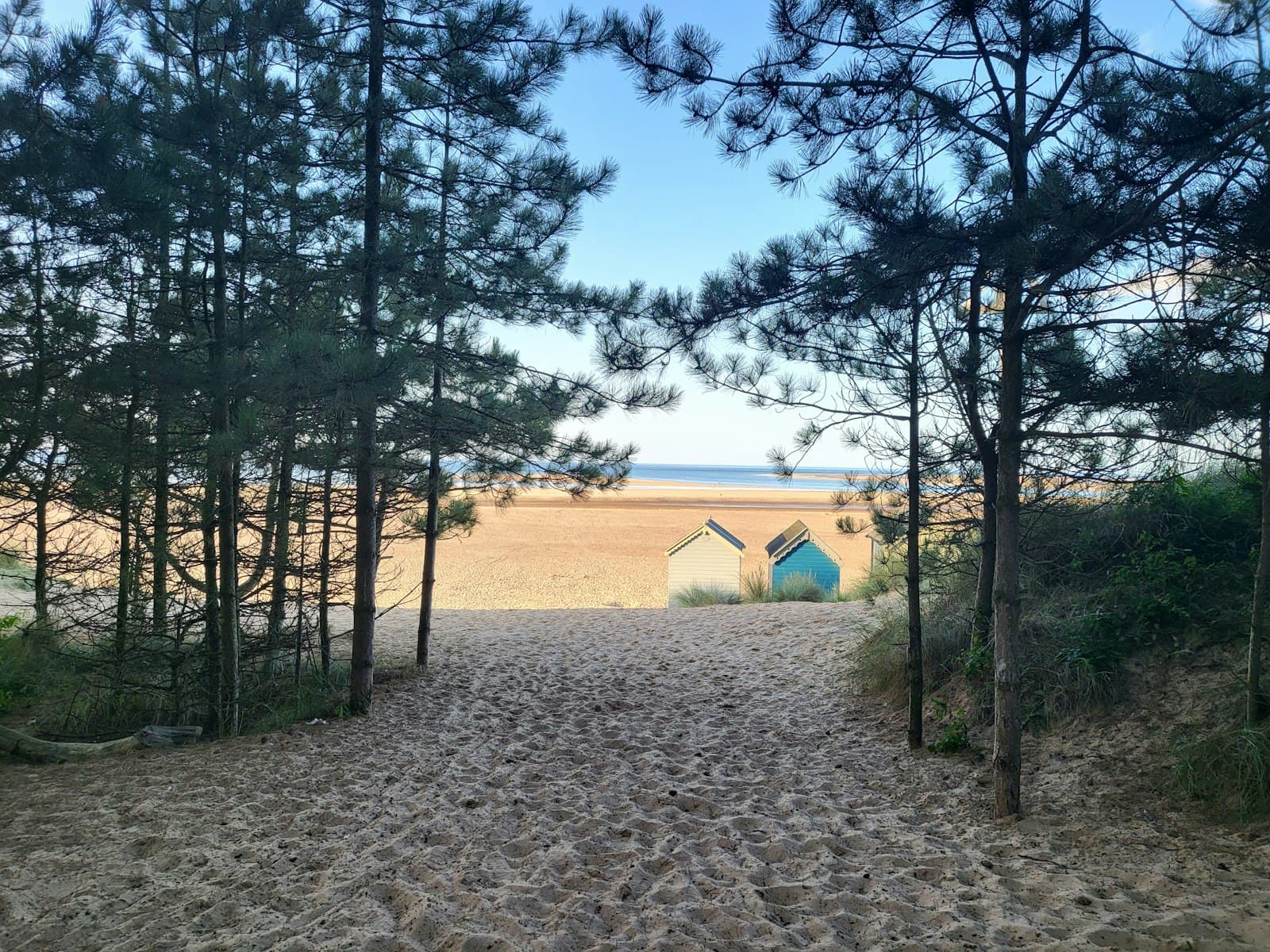
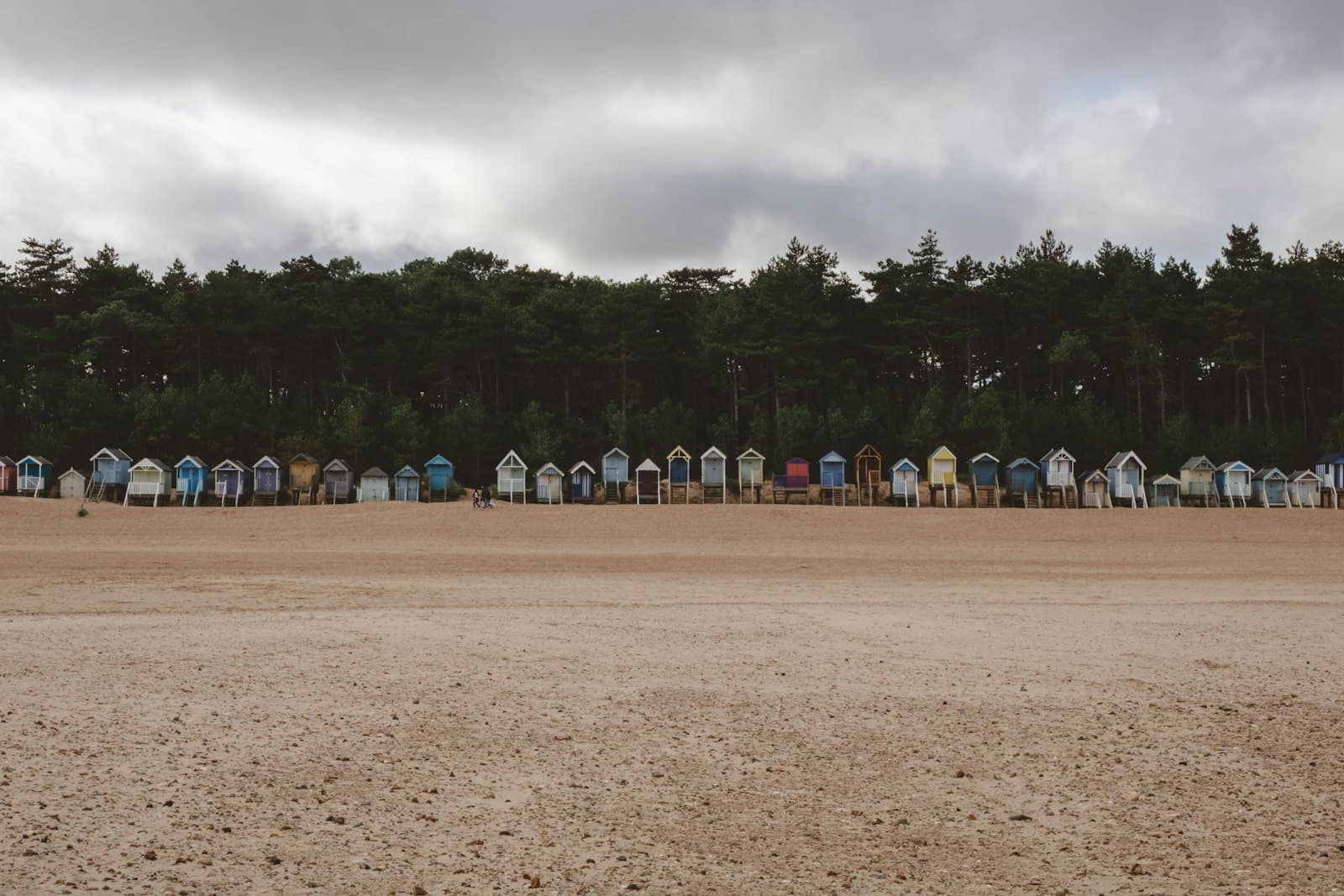
Una caminata de una milla o un paseo en el tren en miniatura desde el muelle conduce a Wells Beach, celebrada por sus extensas arenas doradas, pinares y sus icónicas y coloridas casetas de playa. La playa forma parte de la Reserva Natural Nacional de Holkham, ofreciendo oportunidades para caminar, observar aves y apreciar el paisaje natural. Aventúrese en el centro de la ciudad hasta Staithe Street, donde descubrirá tiendas independientes, galerías y restaurantes, y la plaza georgiana Buttlands con su arquitectura histórica. Para una experiencia distintiva, embárquese en un viaje a bordo del Wells & Walsingham Light Railway, el ferrocarril de vía estrecha público más pequeño del mundo, que atraviesa la campiña de Norfolk. Las excursiones para observar focas en Blakeney Point también parten cerca.
Wells-next-the-Sea es un destino que ofrece algo en todas las estaciones. El verano (principios de julio a principios de septiembre) es el más concurrido, con un clima cálido ideal para actividades en la playa. La primavera y el otoño ofrecen una experiencia más tranquila con condiciones agradables para caminar y explorar. El invierno ofrece un retiro tranquilo con aire marino fresco, perfecto para los entusiastas de la vida silvestre que esperan observar aves migratorias y crías de foca. Los cielos más despejados se encuentran típicamente en julio, mientras que octubre experimenta la mayor cantidad de lluvia.
Wells-next-the-Sea es accesible en coche, con aparcamiento disponible cerca del puerto y la playa. La ciudad da una cálida bienvenida a los perros, con muchos establecimientos que admiten compañeros de cuatro patas e incluso ofrecen menús específicos para perros. Hay baños públicos disponibles, incluidas instalaciones en la playa. Un autobús eléctrico de enlace opera entre la ciudad y la playa durante los meses de verano hasta octubre. El Centro de Información Turística de Wells, ubicado en el edificio Wells Maltings en Staithe Street, proporciona mapas, rutas de senderismo y consejos útiles. Tenga en cuenta las mareas, ya que el agua puede avanzar rápidamente en la playa; suena una sirena para advertir de las mareas entrantes.
Wells-next-the-Sea en coreano, en chino o en hebreo — y 29 idiomas más, cada parada narrada por una voz nativa. La mayor variedad de idiomas de cualquier audioguía autoguiada.
Disponible en: