Former Jewish Quarter, near Kopernika Street
Wschowa's Jewish community, though resilient, endured cycles of expulsion and return across centuries.
Full story unlocks in the tour
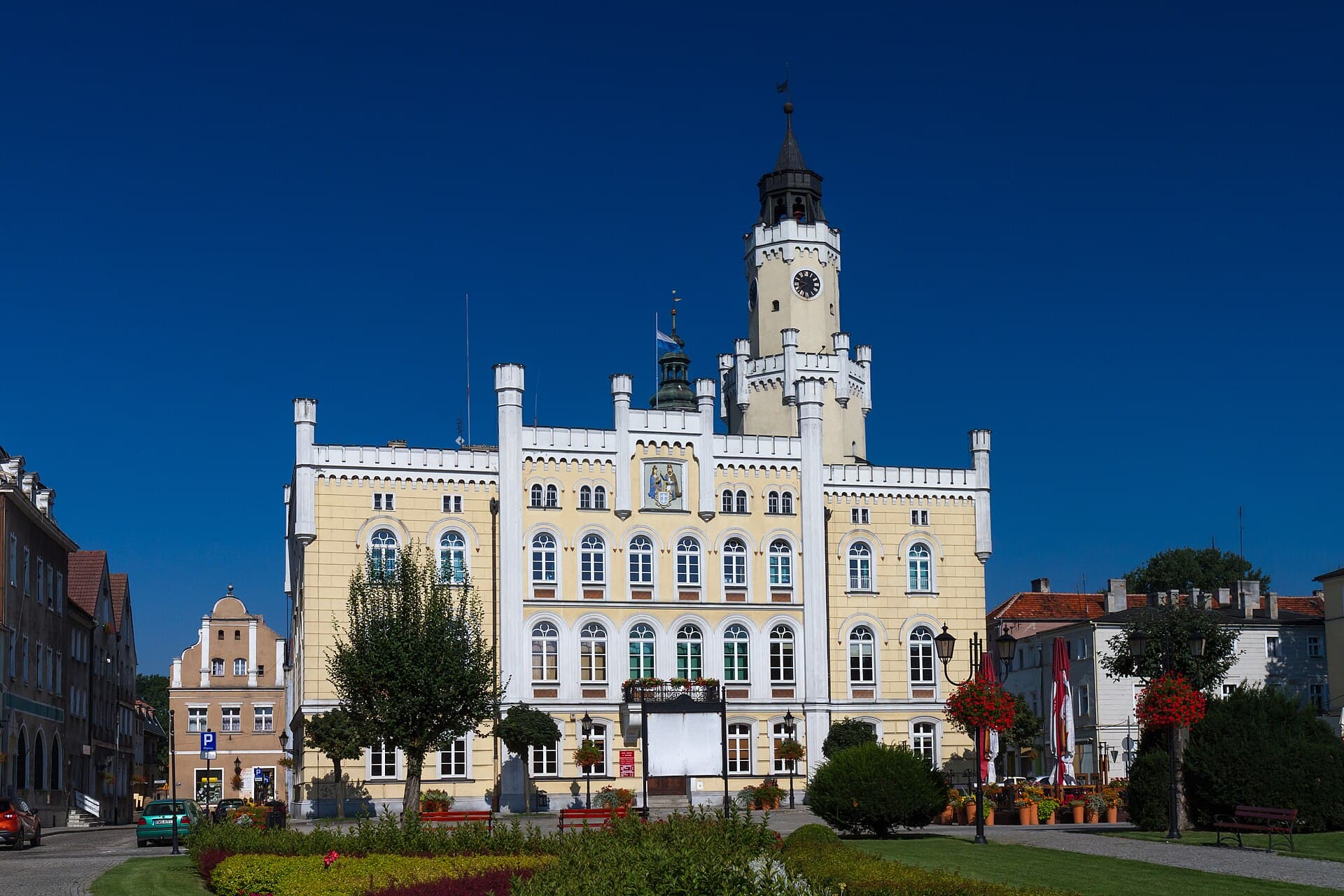 Barbidu / CC BY-SA 3.0 pl, via Wikimedia Commons
Self-guided audio walking tour of Wschowa — GPS route, offline playback, story-driven narration in 32 languages.
“Where history's currents carved a borderland identity.”
Not the postcards. The stories even locals don't know — whispered in your ear, right where they happened.
Wschowa's Jewish community, though resilient, endured cycles of expulsion and return across centuries.
Even in decay, this church recounts episodes of religious contention.
A monument to a bull in a village near Wschowa marks an unexpected agricultural triumph.
Discover every secret of Wschowa
Every address, every reveal in full — in your ear, right where it happened.
You pick your stops. You walk. The voice reveals what the others miss.
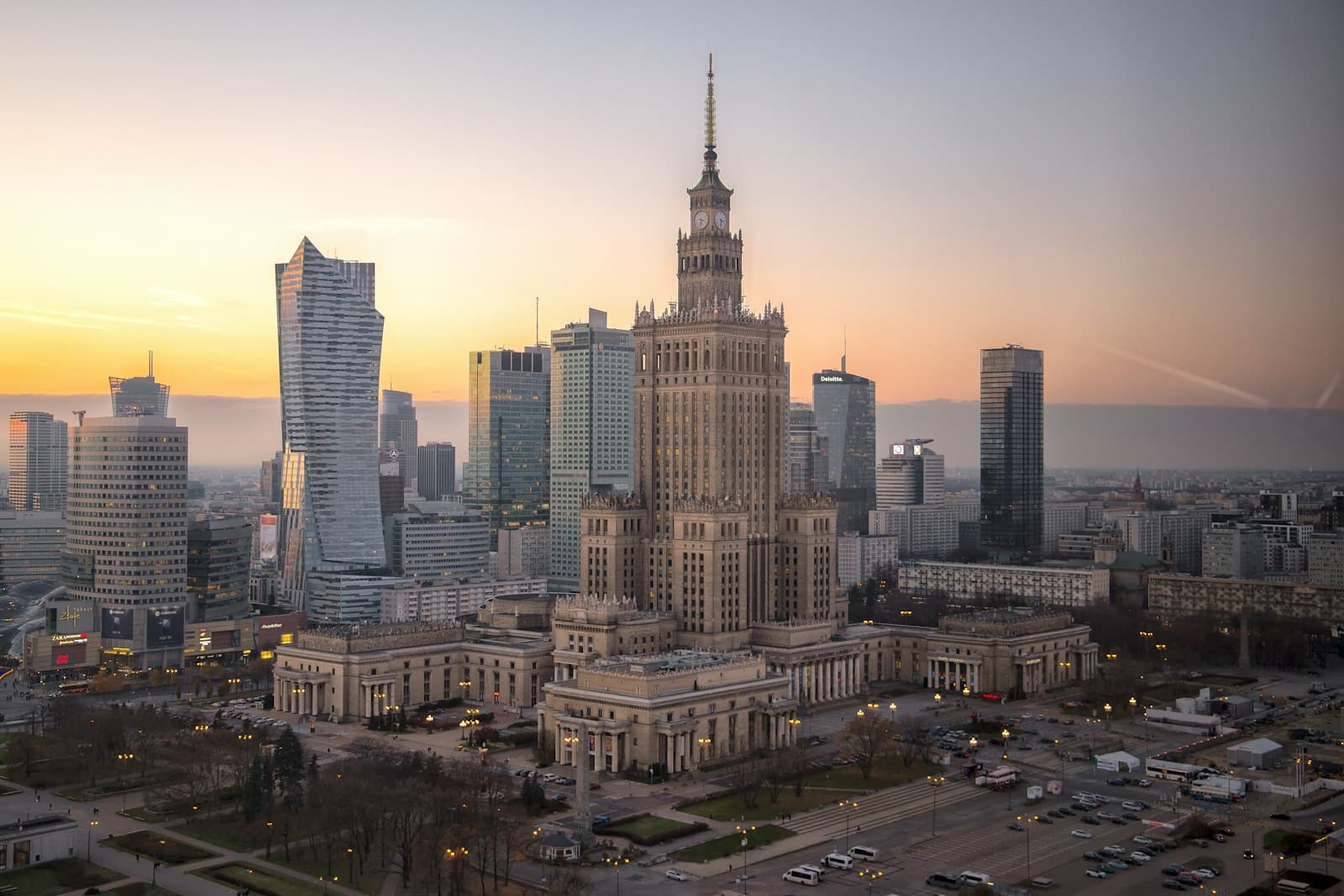
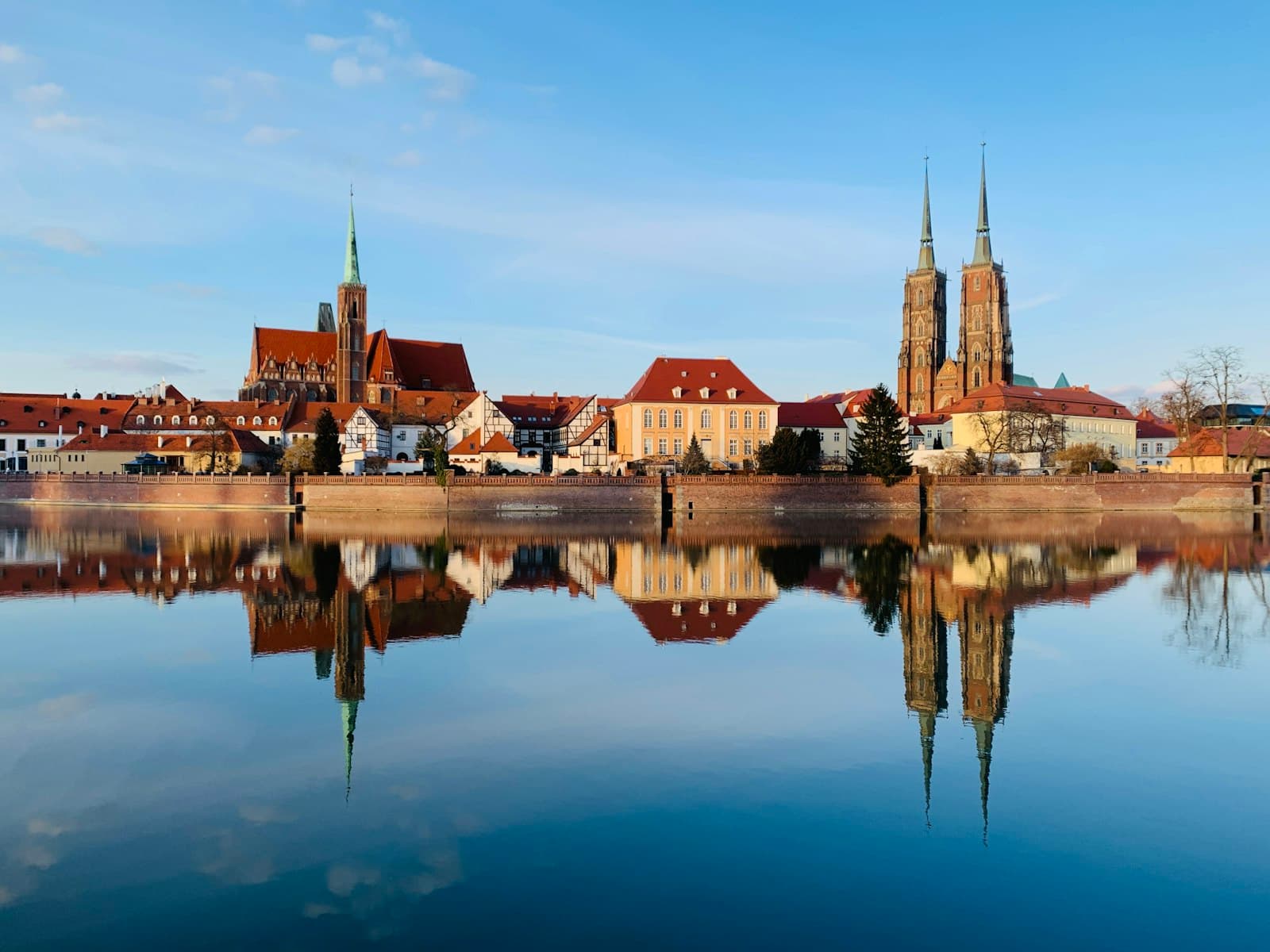
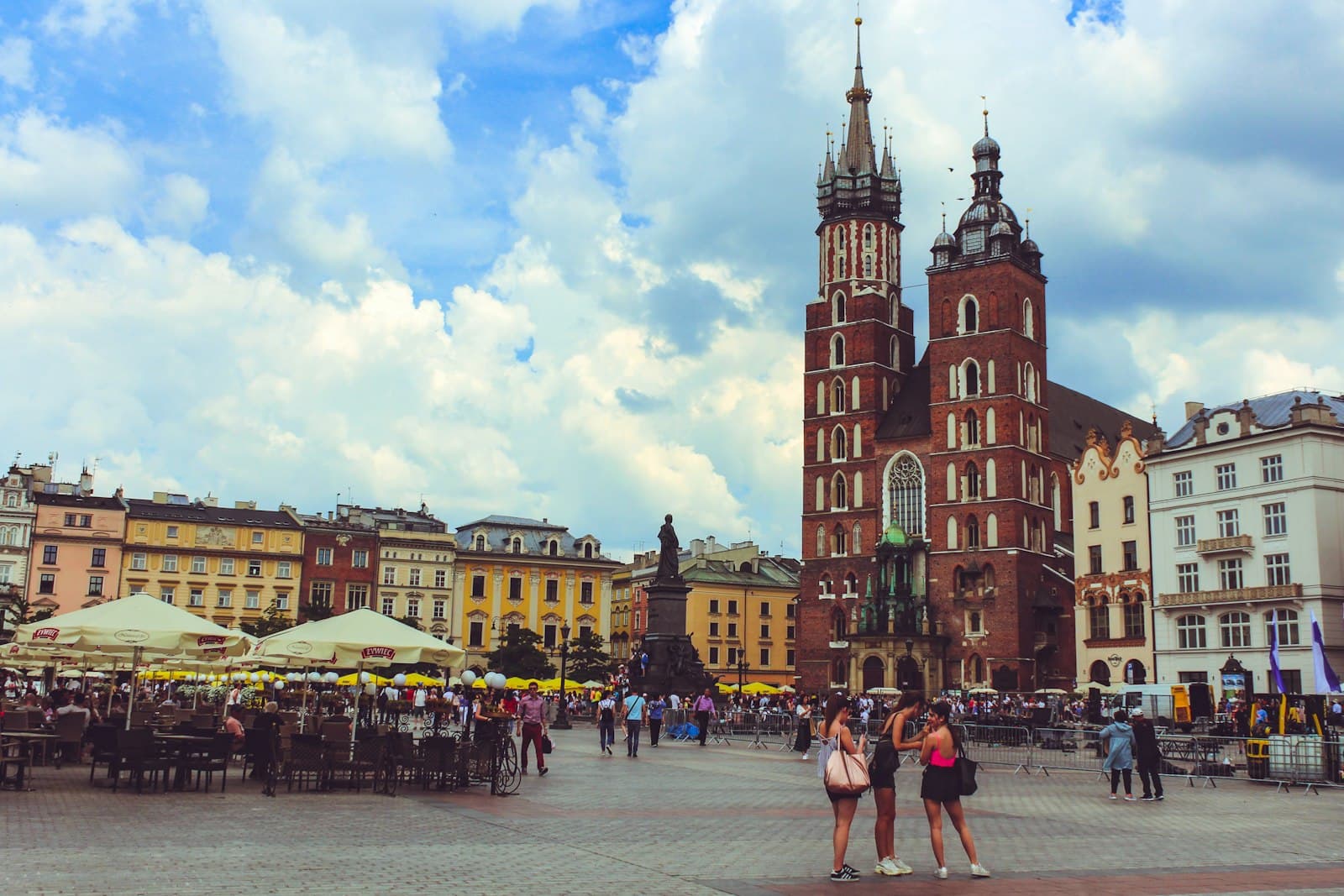
Your self-guided audio tour of Wschowa is ready — pick your landmarks, choose your language, and start the moment you arrive.
BuyLume has a built-in augmented-reality guide. Hold your phone up and its camera shows the street ahead of you, with a glowing arrow laid over the real view that always points to your next stop — no map to puzzle over, no wrong turns. Like everything in Lume, it works fully offline.
Wschowa, a town in western Poland's Lubusz Voivodeship, resonates with the echoes of a dynamic and often turbulent past. Historically part of Greater Poland, and for a period, Lower Silesia, its strategic location on ancient trade routes fueled its early development and established it as a significant center. Once the capital of the Wschowa Land, the town received its municipal rights in the 13th century and was re-incorporated into Poland by Casimir the Great in 1343.
Today, Wschowa offers a journey through time, where well-preserved architecture and historical sites speak volumes of its former importance as a royal city and border fortress. With a population of around 13,851 in 2019, it serves as the seat of Wschowa County and an urban-rural gmina. Its profound heritage is evident in its churches, old city walls, and the narratives embedded in its streets and surrounding areas.
Wschowa's origins can be traced back to a fortification, a guard post established to secure trade routes connecting Greater Poland with regions like the Czech Republic. First mentioned in a papal bull from Innocent II in 1136, the town developed into a significant center of self-government by the 14th century. Its position as a borderland between Greater Poland and Silesia meant it frequently exchanged hands between Polish and Silesian princes.
King Casimir the Great's re-incorporation of Wschowa into the Kingdom of Poland in 1343 marked a period of expansion. Royal privileges, including freedom from duty and the right to coin money (with a Polish eagle emblem), fostered its economic prosperity. By the 16th century, Wschowa was among the wealthiest towns in Poland, recognized for its flourishing clothing industry and high-quality woolen goods, which were even traded in Russia.
The 17th and 18th centuries saw Wschowa maintain its political and economic prominence. A new town developed outside the city walls, complete with its own town hall. For a time in the early 18th century, Wschowa served as a seat for legislative and diplomatic activities of the Polish state, drawing comparisons to cities like Kraków and Poznań. The Concordat with the Holy See was even concluded here in 1737.
However, Wschowa's fortunes shifted with the Partitions of Poland. In 1793, it was incorporated into Prussia. The 19th century brought infrastructural developments like new roads and railway lines, along with the establishment of industrial companies, including a sugar factory. Despite these changes, Wschowa remained within German borders after World War I. Polish forces attempted to conquer the city unsuccessfully at the outbreak of World War II in 1939. It was not until 1945, after the war, that Wschowa once again became part of Poland, and its German inhabitants were displaced.
Begin your exploration in Wschowa's historic center, where remnants of its medieval past are still visible. Look for sections of the old city walls, which once encircled the entire town and featured two main gates: Polish and Głogowska. The Franciscan Monastery Church, originally built by the Bernardine Order in 1457, offers a glimpse into the town's religious history and architectural evolution.
For a deeper dive into the region's heritage, visit the Museum of the Region of Wschowa. Do not overlook the St. Stanisław Church, noteworthy for its Baroque interior and an 18th-century painting depicting a panoramic view of the town. Just outside the town, the Ruins of St. Michael's Church in Wyszanów stand as a testament to centuries of history and religious disputes.
Beyond the town limits, the Municipal Park in Sława contains the largest concentration of ivy in western Poland and connects to Jezioro Sławskie. The nearby Sława Park and Lakeside, a revitalized former palace orchard and ornamental garden, offers scenic paths and bridges. In Osowa Sień, you might encounter the unexpected Monument to Bull Ilon, commemorating a significant achievement in Polish animal breeding.
The most agreeable time to visit Wschowa, and Poland generally, is during the late spring (May-June) or early autumn (September). These months offer mild temperatures, fewer crowds, and pleasant conditions for exploring both urban and natural attractions. Summer (July and August) brings the warmest weather and a lively atmosphere, but also the largest crowds and potentially higher prices. While winter can be cold and snowy, it offers a different charm, especially for those interested in festive markets or winter landscapes.
Wschowa is located in the Lubusz Voivodeship of western Poland. The local currency is the Polish Zloty (PLN). While Wschowa is a smaller town, it is connected by road and rail to larger cities like Leszno and Głogów. For accommodation, options include hotels and guesthouses in Wschowa and nearby towns. Public transportation within the town is available, but exploring the surrounding areas might be easier with a car. Car rental services are available in Poland. For longer stays or work, a temporary residence card combined with a work permit (single permit) is essential for non-EU citizens. Poland uses the Central European Time (CET) zone, which is UTC+1, with a shift to UTC+2 during summer for Daylight Saving Time.
Wschowa in Korean, in Chinese or in Hebrew — and 29 more languages, every stop narrated by a native voice. The widest language range of any self-guided audio tour.
Available in: