Ciudad Antigua de Wuhu
Más allá de la arquitectura restaurada de las dinastías Ming y Qing, una calle conserva un secreto sobre el pasado comercial de Wuhu.
La historia completa se desbloquea en el tour
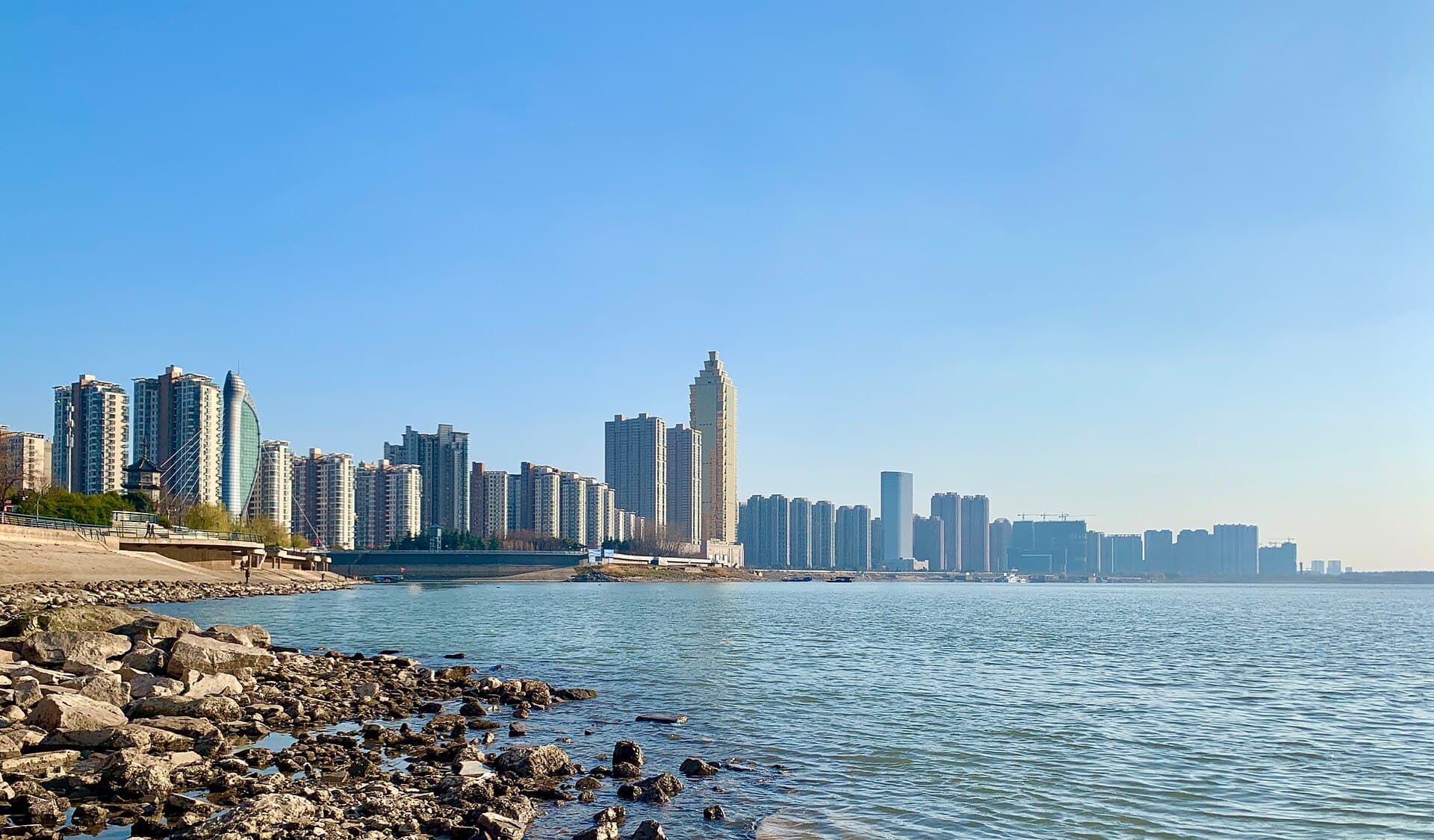 Wu Shan / CC BY-SA 4.0, via Wikimedia Commons
Tour de audio autoguiado de Wuhu — ruta GPS a pie, reproducción offline, narración en 32 idiomas.
“Donde la artesanía ancestral se encuentra con el futuro de la industria en el río Yangtze.”
No las postales. Las historias que ni los locales conocen — al oído, justo donde ocurrieron.
Más allá de la arquitectura restaurada de las dinastías Ming y Qing, una calle conserva un secreto sobre el pasado comercial de Wuhu.
El delicado arte de la pintura paisajística tradicional china adquiere una forma sorprendente e industrial en Wuhu.
Esta ciudad, históricamente reconocida por el cultivo de arroz, ahora tiene una presencia global en una industria muy diferente.
Descubre todos los secretos de Wuhu
Cada dirección, cada revelación al completo — a tu oído, justo donde ocurrió.
Eliges tus paradas. Caminas. La voz te revela lo que los demás ignoran.


Tu tour de audioguía por Wuhu te espera — elige tus lugares, tu idioma y empieza al llegar.
ComprarLume incluye una guía de realidad aumentada. Levanta el móvil y su cámara muestra la calle que tienes delante, con una flecha luminosa sobre la imagen real que siempre apunta a tu próxima parada — sin mapas que descifrar, sin giros equivocados. Como todo en Lume, funciona completamente sin conexión.
Wuhu, una ciudad dinámica en la provincia china de Anhui, se asienta en la orilla sureste del río Yangtze, en su confluencia con el río Qingyi. Históricamente reconocida como una "Tierra de Pescado y Arroz", ha madurado hasta convertirse en un importante centro regional, mezclando el encanto ribereño, el vigor comercial y la energía urbana contemporánea. Con una población que supera los 3.8 millones, Wuhu ofrece un espectro diverso de experiencias, desde parques temáticos avanzados hasta tranquilos lugares históricos.
La posición estratégica de la ciudad la ha convertido durante mucho tiempo en un importante nexo de comunicación y transporte. Hoy, Wuhu es aclamada por su robusta expansión industrial, particularmente en la fabricación avanzada y la innovación tecnológica, junto con un próspero sector automotriz. Sin embargo, en medio de su moderno horizonte y fortaleza económica, Wuhu mantiene una profunda conexión con su herencia, evidente en sus tradiciones culturales y formas de arte.
Los visitantes de Wuhu pueden adentrarse en sus antiguas fundaciones, observar prácticas artísticas distintivas y sumergirse en el animado ambiente contemporáneo de la ciudad. Es un lugar donde los ecos de un bullicioso puerto arrocero se encuentran con el zumbido de la industria de vanguardia, proporcionando una visión convincente del desarrollo multifacético de China.
La historia de Wuhu se extiende por más de dos milenios y medio, con los primeros asentamientos conocidos apareciendo alrededor del 770 a. C. durante el período de Primavera y Otoño. El área, entonces identificada como Jiuzi, fue un sitio de contención entre los estados de Chu y Wu. El condado de Wuhu se estableció oficialmente en el siglo II a. C. bajo la dinastía Han, sentando las bases administrativas para la futura ciudad.
Su ventajosa posición geográfica en la confluencia de los ríos Yangtze y Qingyi resultó fundamental en su evolución. Para la dinastía Ming, a partir del siglo XV, Wuhu se había transformado en un importante centro comercial y puerto fluvial, celebrado como uno de los Cuatro Grandes Mercados de Arroz de China. Esta designación consolidó su especialización económica y contribuyó sustancialmente a su prosperidad durante siglos.
La ciudad recibió un nuevo impulso para el crecimiento en 1876 cuando se abrió al comercio internacional como puerto de tratado. Esta era fue testigo del surgimiento de la arquitectura de estilo occidental, agregando una capa distintiva al paisaje arquitectónico de Wuhu. Antes de la Segunda Guerra Mundial, Wuhu ocupaba el tercer lugar en volumen de comercio interno después de Shanghái y Nankín. Sin embargo, durante la Era de los Señores de la Guerra de las décadas de 1920 y 1930, la actividad de bandidos afectó el comercio. La ciudad fue ocupada por Japón en 1938.
Después de 1949, Wuhu comenzó su transformación en una ciudad industrial diversificada, desarrollando sectores como textiles, maquinaria, productos metalúrgicos, electrónica y alimentos procesados. Un punto de inflexión significativo llegó en 1997 con la fundación de Chery Automobile, con sede en Wuhu. Esto impulsó a la ciudad a convertirse en un centro crucial para la fabricación de automóviles en China, fomentando el desarrollo de alta tecnología y atrayendo a especialistas. La construcción del Puente del Río Yangtze de Wuhu en 2000 mejoró aún más su accesibilidad logística y de transporte, conectando la ciudad con las redes nacionales de autopistas y ferrocarriles. Hoy, Wuhu sigue siendo un nodo vital en la cadena de suministro automotriz de China y las redes de comercio internacional, con su producción industrial liderando la provincia de Anhui.
Wuhu ofrece una mezcla de encanto histórico y entretenimiento moderno. Una atracción destacada es el complejo de parques temáticos Fantawild Adventure, reconocido por sus atracciones de gran escala y alta tecnología y su entretenimiento adecuado para familias y amantes de la emoción. El complejo incluye varios parques distintos como Fantawild Adventure, Fantawild Dreamland y Fantawild Oriental Legend, cada uno brindando experiencias únicas. Para aquellos que buscan tranquilidad, el Parque Zheshan ofrece paisajes verdes y senderos para caminar dentro del centro de la ciudad, mientras que el sereno Lago Espejo (Jinghu) es un lugar ideal para un paseo tranquilo entre sauces y pabellones.
Para explorar el pasado de la ciudad, visite el Museo de Wuhu, una instalación moderna que ilustra la evolución de Wuhu desde un asentamiento prehistórico hasta un importante puerto comercial, con colecciones de cerámica antigua, bronces y Pinturas de Hierro de Wuhu. La recientemente restaurada Ciudad Antigua de Wuhu ofrece un vistazo a la arquitectura de las dinastías Ming y Qing, con senderos peatonales, casas tradicionales y estructuras como el Templo del Dios de la Ciudad y la Puerta Changhong. Otro espacio verde significativo es el Parque Shenshan, hogar del Parque de Esculturas de Wuhu, una galería al aire libre que presenta más de 150 esculturas de artistas internacionales. El majestuoso Puente del Río Yangtze de Wuhu es una impresionante hazaña de ingeniería, que combina tramos de autopista y ferrocarril a través del río.
Wuhu experimenta un clima monzónico subtropical con cuatro estaciones distintas. Las condiciones más moderadas y agradables ocurren en primavera y otoño. Abril y mayo traen temperaturas que oscilan entre 17.5°C y 22.3°C, creando condiciones cómodas para actividades al aire libre. De manera similar, octubre ofrece un clima templado con promedios alrededor de 18.4°C. El otoño es particularmente recomendado, con clima fresco y crisantemos en flor. Los veranos (junio a septiembre) son calurosos y húmedos, siendo julio el mes pico, con un promedio de alrededor de 29°C y lluvias frecuentes. Los inviernos (diciembre a marzo) son fríos y más secos, siendo enero el mes más frío, con un promedio de 4.5°C.
Wuhu está bien conectada por transporte público, lo que facilita la navegación por la ciudad. El Wuhu Rail Transit opera dos líneas de monorraíl, con la Línea 1 cubriendo las áreas centrales y conectando con las estaciones de tren, y la Línea 2 uniendo los distritos residenciales y comerciales. También está disponible una extensa red de autobuses públicos, con tarifas a partir de ¥1. Los taxis son ampliamente accesibles, con una tarifa inicial de ¥8 por los primeros 2 km. Los servicios de bicicletas compartidas como Mobike y Hellobike también son populares, con estaciones en toda la ciudad.
Para las llegadas, el Aeropuerto Internacional de Nanjing Lukou (NKG) es una opción práctica, ubicado aproximadamente a 59.4 km de Wuhu, con un viaje por carretera que dura aproximadamente 1 hora y 50 minutos. El Aeropuerto de Wuhu Xuanzhou también sirve a la ciudad. Al visitar, es aconsejable evitar beber agua del grifo; opte por agua embotellada. Durante los veranos calurosos y húmedos, use protector solar, manténgase hidratado y limite la exposición prolongada al sol. Hay farmacias como Tongrentang y Yifeng Pharmacy disponibles para medicamentos de venta libre.
Wuhu en coreano, en chino o en hebreo — y 29 idiomas más, cada parada narrada por una voz nativa. La mayor variedad de idiomas de cualquier audioguía autoguiada.
Disponible en: