Bodega de Treasurer's House
Una rutina de fontanería en 1953 trajo consigo una procesión inesperada.
La historia completa se desbloquea en el tour
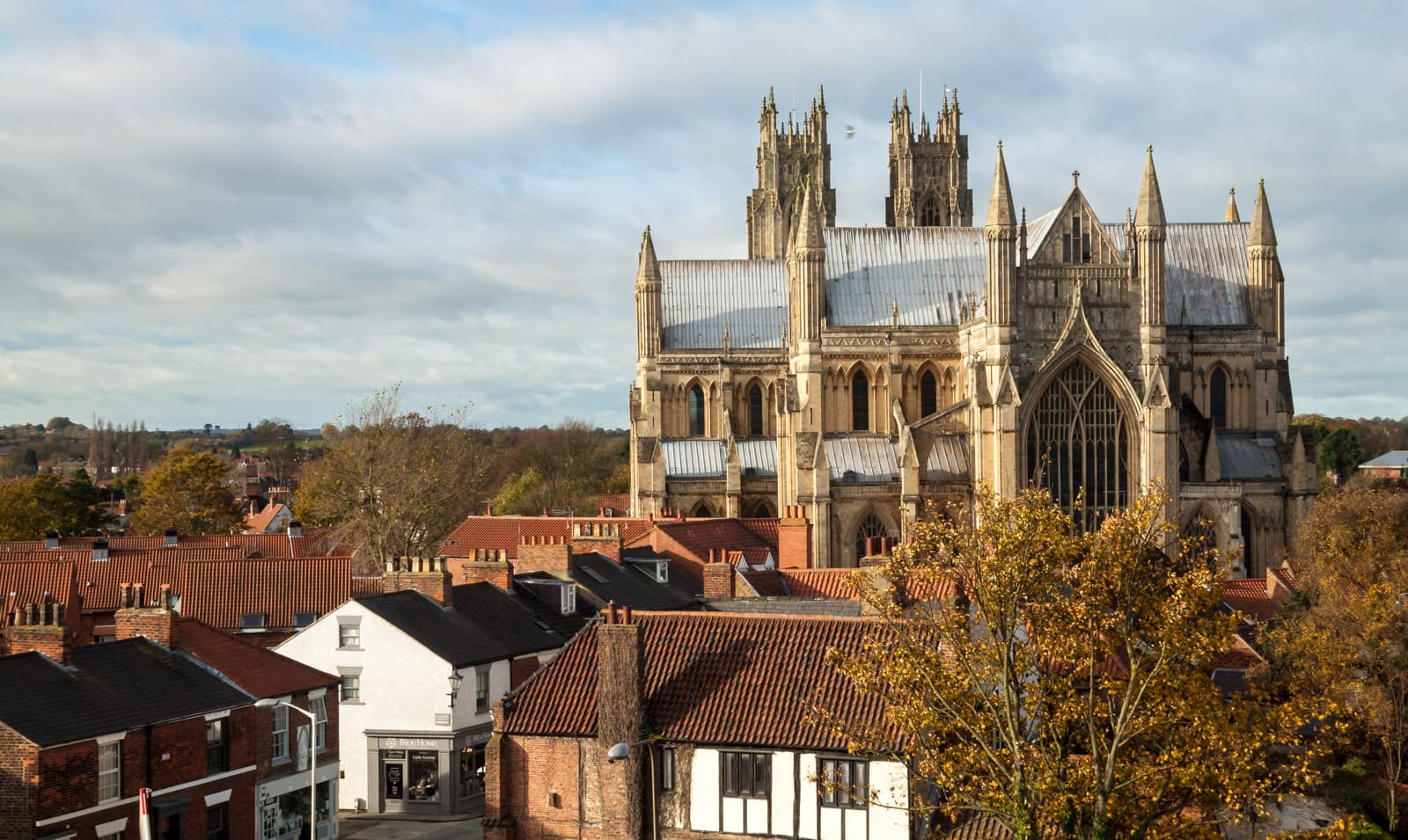 Photo of Beverley, via Wikimedia Commons
Tour de audio autoguiado de York — ruta GPS a pie, reproducción offline, narración en 32 idiomas.
“Donde los cimientos romanos se encuentran con los ecos vikingos y el carácter medieval perdura.”
No las postales. Las historias que ni los locales conocen — al oído, justo donde ocurrieron.
Una rutina de fontanería en 1953 trajo consigo una procesión inesperada.
Las vívidas manchas rojas en las paredes de la torre fueron una vez atribuidas a un trágico evento.
Bajo la grandeza de la Catedral yace un secreto que reescribe una parte de la historia anglosajona.
Descubre todos los secretos de York
Cada dirección, cada revelación al completo — a tu oído, justo donde ocurrió.
Eliges tus paradas. Caminas. La voz te revela lo que los demás ignoran.


Tu tour de audioguía por York te espera — elige tus lugares, tu idioma y empieza al llegar.
ComprarLume incluye una guía de realidad aumentada. Levanta el móvil y su cámara muestra la calle que tienes delante, con una flecha luminosa sobre la imagen real que siempre apunta a tu próxima parada — sin mapas que descifrar, sin giros equivocados. Como todo en Lume, funciona completamente sin conexión.
York, una ciudad en el norte de Inglaterra, es una cautivadora mezcla de influencias romanas, vikingas y medievales, que ofrece un viaje a través de más de 2.000 años de historia. Situada en la confluencia de los ríos Ouse y Foss, esta ciudad compacta y transitable es famosa por su arquitectura notablemente conservada y una gran cantidad de atracciones. Desde su imponente catedral gótica hasta sus laberínticas calles medievales, York ofrece una ventana única al pasado de Gran Bretaña, lo que la convierte en un destino popular tanto para viajeros locales como internacionales.
Más allá de sus hitos históricos, York presenta una escena contemporánea, con una cultura gastronómica emergente, tiendas independientes y la reputación de ser una de las ciudades más fantasmales de Inglaterra. Ya sea explorando sus antiguas murallas, profundizando en su patrimonio ferroviario o simplemente disfrutando de la atmósfera de sus encantadoras calles, York ofrece una experiencia memorable que entrelaza a la perfección los hilos de su diversa herencia.
## De la Eboracum romana a la Jórvík vikinga La historia de York comienza en el año 71 d.C. cuando los romanos establecieron la ciudad de Eboracum, que creció hasta convertirse en la capital de Britannia Inferior, una provincia del Imperio Romano, y la capital provincial más septentrional. La evidencia de este pasado romano aún se puede ver debajo de la ciudad, incluyendo restos de las murallas de la fortaleza romana y una columna de la principia (cuartel general) de los barracones reconstruida fuera de la Catedral de York. En el año 306 d.C., Constantino el Grande fue proclamado emperador en Eboracum, un momento crucial que más tarde llevó a la concesión de tolerancia para la Iglesia Cristiana.
Tras la partida romana, los anglos adaptaron el nombre a Eoforwīc, que significa "ciudad del jabalí". La ciudad experimentó entonces una transformación significativa con la llegada de los vikingos en el año 866 d.C. Conquistaron la zona y renombraron el asentamiento Jórvík, que significa "bahía del jabalí", estableciéndolo como una próspera fortaleza vikinga. El Centro Vikingo Jorvik ofrece hoy una experiencia inmersiva de la vida vikinga del siglo X.
## Potencia medieval y más allá Para los siglos XIII y XIV, las murallas de la ciudad fueron en gran parte reconstruidas, formando las extensas fortificaciones medievales visibles hoy en día. Estas murallas, las murallas de la ciudad antigua más completas de Inglaterra, encierran el núcleo histórico y presentan cuatro puertas principales, o 'bars': Bootham Bar, Monk Bar, Walmgate Bar y Micklegate Bar. York floreció como un poderoso centro medieval, un testimonio de su importancia duradera. La icónica Catedral de York, una catedral gótica, comenzó su construcción en el siglo XIII y tardó más de 250 años en completarse, convirtiéndose en la más grande de su tipo en el norte de Europa.
La ciudad continuó evolucionando a través de las eras georgiana y victoriana. Durante la Guerra Civil Inglesa, las murallas de York fueron asediadas en 1644, lo que resultó en daños antes de que la ciudad cayera en manos de las fuerzas parlamentarias. El siglo XIX vio la demolición de algunas partes de las murallas, aunque una fuerte oposición local impidió su destrucción completa, lo que llevó a una reconstrucción posterior. Hoy en día, York se erige como una ciudad que muestra con orgullo su pasado en capas, donde cada período histórico ha dejado una huella indeleble en su carácter.
Comience su exploración en la Catedral de York, una magnífica catedral gótica famosa por sus vidrieras, incluida la vasta Gran Ventana Este. Considere subir a la Torre Central para disfrutar de amplias vistas de la ciudad. Adéntrese en sus cimientos romanos en el Museo de la Cripta. Luego, pasee por The Shambles, una de las calles comerciales medievales mejor conservadas de Europa, con sus edificios con entramado de madera en voladizo y sus callejones empedrados. A menudo se la cita como inspiración para el Callejón Diagon.
Pasee por las Murallas de la Ciudad de York, las murallas de la ciudad antigua más completas de Inglaterra, que ofrecen un circuito de 3,4 km con perspectivas únicas de la ciudad y sus puertas fortificadas, o 'bars'. Visite la Torre de Clifford, los restos del Castillo de York, por su historia e impresionantes vistas. Sumérjase en la historia vikinga en el Centro Vikingo Jorvik, un museo interactivo construido sobre los restos excavados de la York de la era vikinga. Para los entusiastas de los ferrocarriles, el Museo Nacional del Ferrocarril ofrece una vasta colección de trenes históricos y la entrada es gratuita. No se pierda los tranquilos Jardines del Museo, hogar de las ruinas de la Abadía de Santa María y restos romanos.
York es un destino para todo el año, pero el clima más cálido y los horarios de apertura extendidos para las atracciones son de mayo a septiembre. Julio y agosto son temporada alta de turismo, lo que lleva a precios de hotel más altos y mayores multitudes. Para un clima más suave y menos multitudes, considere visitar en primavera (marzo a mayo) cuando florecen los jardines, o en otoño (septiembre a noviembre), que ofrece temperaturas agradables y vívidos colores otoñales. Diciembre es particularmente atmosférico con mercados navideños y luces festivas.
York es fácilmente accesible en tren, con servicios directos desde las principales ciudades del Reino Unido como Londres y Edimburgo. La estación de tren está a 10 minutos a pie del centro de la ciudad. El centro de la ciudad es compacto y se explora mejor a pie, con muchas carreteras principales dentro de las murallas de la ciudad cerradas a los coches durante el día. York también es apta para bicicletas, con rutas dentro y alrededor de la ciudad. Para viajes más largos, opera una eficiente red de autobuses, con billetes diarios y familiares disponibles. Los taxis también están disponibles fácilmente.
La moneda utilizada es la Libra Esterlina Británica (GBP), y las tarjetas son ampliamente aceptadas. Las propinas son apreciadas pero no obligatorias; típicamente del 10 al 12% en restaurantes si el servicio no está incluido. York experimenta veranos suaves e inviernos fríos, con posibles lluvias durante todo el año, por lo que es aconsejable llevar capas y una chaqueta ligera impermeable.
York en coreano, en chino o en hebreo — y 29 idiomas más, cada parada narrada por una voz nativa. La mayor variedad de idiomas de cualquier audioguía autoguiada.
Disponible en: