Musée Régional de Beja (Couvent de Nossa Senhora da Conceição)
Un scandale du XVIIe siècle impliquant une nonne et un officier français s'est déroulé entre ces murs, inspirant un classique littéraire.
L'histoire complète se débloque dans le tour
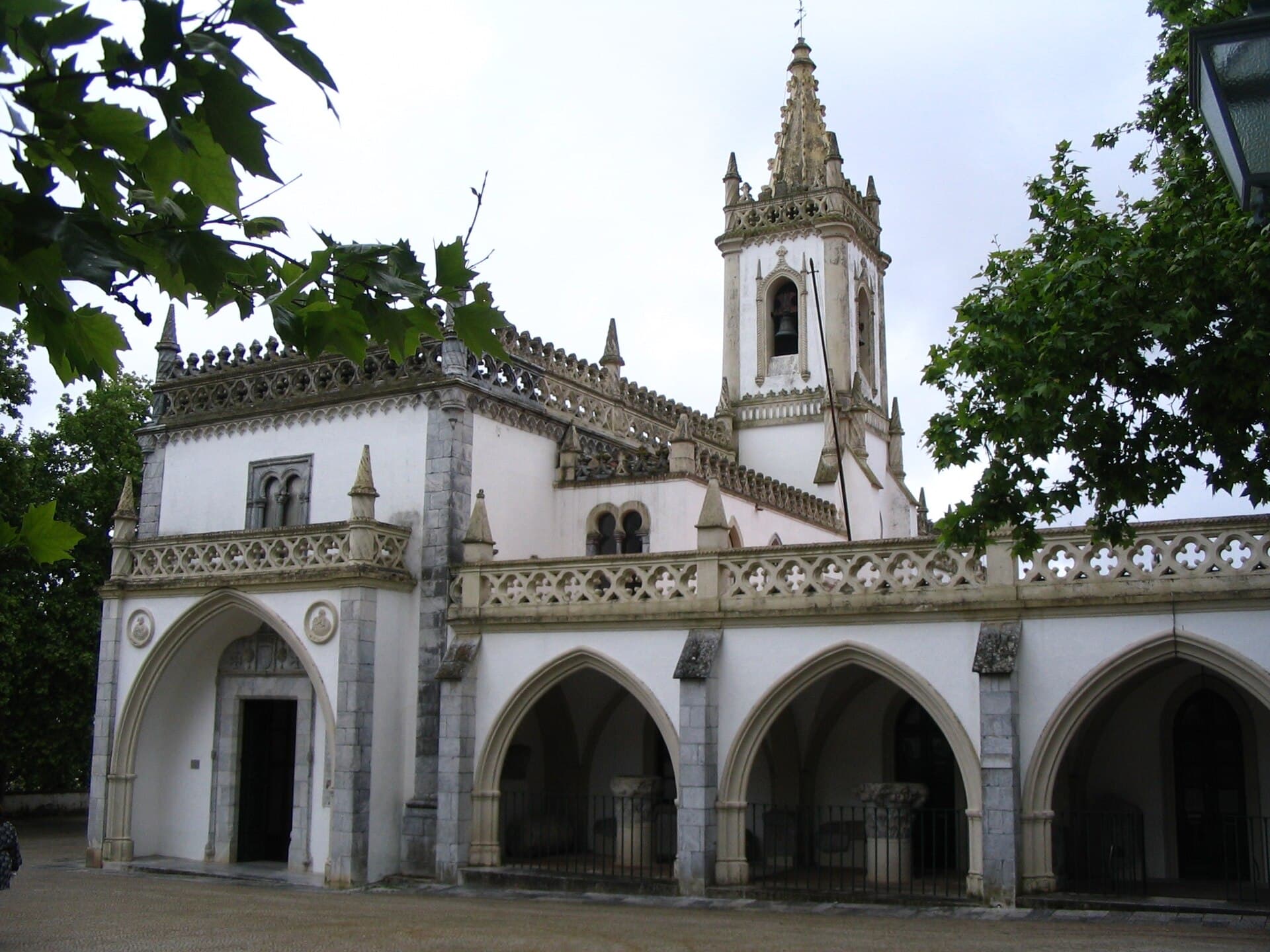 Patrice78500 / CC BY-SA 3.0, via Wikimedia Commons
Visite audio autoguidée de Beja — parcours GPS à pied, lecture hors ligne, narration en 32 langues.
“Là où les pierres anciennes murmurent et le soleil de l'Alentejo réchauffe des secrets bien gardés.”
Pas les cartes postales. Les histoires que même les habitants ignorent — soufflées à l'oreille, là où elles se sont passées.
Un scandale du XVIIe siècle impliquant une nonne et un officier français s'est déroulé entre ces murs, inspirant un classique littéraire.
L'ascension de cette tour de marbre offre plus que des vues imprenables ; ses murs recèlent des gravures cryptiques.
Sous vos pieds, un musée moderne révèle des couches d'histoire ancienne à travers un sol en verre.
Découvrez tous les secrets de Beja
Chaque adresse, chaque révélation en entier — dans ton oreille, là où elle s'est passée.
Tu choisis tes lieux. Tu marches. La voix te révèle ce que les autres ignorent.


Votre visite audioguidée de Beja vous attend — choisissez vos lieux, votre langue, et lancez-vous dès votre arrivée.
AcheterLume intègre un guide en réalité augmentée. Levez votre téléphone : sa caméra montre la rue devant vous, avec une flèche lumineuse posée sur l'image réelle qui pointe toujours vers votre prochain arrêt — aucune carte à déchiffrer, aucun mauvais virage. Comme tout dans Lume, ça fonctionne entièrement hors-ligne.
Beja, capitale de la région du Bas Alentejo au Portugal, est une ville tranquille perchée sur une colline, offrant des vues imprenables sur des plaines fertiles de blé et d'oliviers. Cette destination sereine offre une expérience portugaise authentique, loin des zones côtières plus fréquentées. Ses ruelles blanchies à la chaux, son château ancien et ses profondes couches culturelles invitent à un rythme d'exploration plus lent, où l'histoire imprègne chaque pierre.
Avec une population d'environ 35 000 habitants, Beja présente un mélange de profondeur historique et d'un mode de vie détendu et traditionnel. C'est un lieu où les héritages romains, wisigoths et islamiques convergent, laissant une marque indélébile sur son architecture et ses traditions. De l'ascension d'un imposant donjon en marbre à la découverte de l'art local dans un ancien couvent, Beja promet un voyage à travers le temps, complété par les saveurs de la cuisine de l'Alentejo et la chaleur de ses habitants.
La position stratégique de Beja sur une colline de 277 mètres en a fait une implantation importante depuis l'Antiquité. Habitée à l'époque celtique, la ville fut ensuite nommée Pax Julia par Jules César en 48 av. J.-C., suite à un traité de paix avec les Lusitaniens. Sous l'empereur Auguste, elle prospéra sous le nom de Pax Augusta et servit de carrefour routier vital et de capitale de la province la plus méridionale de Lusitanie.
Les Wisigoths prirent ensuite le contrôle de Beja, laissant derrière eux d'importants vestiges archéologiques. La ville tomba ensuite sous la domination maure en 713 après J.-C., devenant connue sous le nom de Baja, un nom dont Beja est censée dériver. La période maure dura des siècles, la ville étant prise et reprise plusieurs fois pendant la Reconquête chrétienne. Beja fut finalement reconquise par les Portugais en 1162 par Afonso Henriques, bien qu'elle fut de nouveau perdue et définitivement reprise par le roi Sancho II en 1234.
L'ère médiévale vit la construction de la formidable forteresse de Beja par le roi Dinis au XIIIe siècle, un symbole durable de l'importance militaire de la ville. Son donjon en marbre de 40 mètres, construit en 1307, est considéré comme l'une des plus hautes tours militaires du Portugal. Beja a également une profonde histoire juive, avec une présence remontant au moins au XIIe siècle. Suite à l'expulsion des Juifs du Portugal, Beja devint un centre important pour le crypto-judaïsme. Le paysage architectural de la ville continua d'évoluer, incorporant des influences gothiques, manuéliniennes et Renaissance, souvent mêlées aux techniques islamiques existantes, comme on le voit dans des structures comme l'Igreja da Misericórdia, à l'origine un abattoir du XVIe siècle.
Commencez votre exploration au Castelo de Beja, une forteresse du XIIIe siècle à la présence imposante. Montez la Torre de Menagem, un donjon en marbre de 40 mètres, pour des vues imprenables sur la ville et les plaines de l'Alentejo. À proximité, découvrez l'Arco Romano, une arche romaine reconstruite qui a servi d'entrée à la ville pendant plus de 1 700 ans.
Le Museu Rainha Dona Leonor, abrité dans l'ancien Couvent de Nossa Senhora da Conceição, est le plus ancien musée du Portugal, ouvert en 1791. Il présente une collection d'art et d'artefacts, y compris des peintures flamandes, espagnoles et portugaises, et de magnifiques azulejos (carreaux) des années 1400. Ne manquez pas l'Igreja de Santo Amaro, qui date du Xe siècle et abrite aujourd'hui le Musée Régional Wisigothique, exposant un art pré-roman unique.
Promenez-vous sur la Praça da República, la place principale de la ville, avec un pilori en pierre du XVIe siècle et l'Igreja da Misericórdia de style Renaissance. Pour une expérience archéologique unique, visitez le Núcleo Museológico da Rua do Sembrano, où vous pourrez observer des vestiges anciens à travers un sol en verre. Envisagez une courte excursion aux ruines romaines de Pisões, à seulement 10 kilomètres au sud-est de la ville, pour un aperçu du passé romain de la région.
Les meilleures périodes pour visiter Beja sont au printemps (avril à juin) et en automne (septembre à octobre). Pendant ces mois, le temps est doux et agréable, ce qui est idéal pour explorer les attractions de la ville à pied. Les étés (juin à mi-septembre) sont chauds et secs, avec des températures dépassant souvent les 35°C (95°F), ce qui en fait l'une des villes les plus chaudes du Portugal. Les hivers (décembre à février) sont doux et modérément pluvieux, avec des températures diurnes allant généralement de 10°C à 15°C (50°F à 59°F).
Beja est facilement accessible en train ou en bus depuis les grandes villes portugaises comme Lisbonne ; un trajet en train depuis Lisbonne dure environ 2,5 à 3 heures. Bien que de nombreuses attractions du centre-ville compact soient accessibles à pied, la location d'une voiture est fortement recommandée pour explorer la région environnante de l'Alentejo, y compris les vignobles et les villages voisins. Les taxis sont disponibles et abordables, et les applications de covoiturage fonctionnent également. La monnaie officielle est l'Euro (€). Prévoyez des chaussures de marche confortables, surtout pour les rues inégales, et des vêtements adaptés à la météo, y compris de la crème solaire pour les visites estivales. L'anglais n'est pas aussi largement parlé que dans les zones plus touristiques, il est donc recommandé d'apprendre quelques phrases de base en portugais.
Beja en coréen, en chinois ou en hébreu — et dans 29 autres langues, chaque étape narrée par une voix native. La plus large gamme de langues de tous les audioguides autoguidés.
Disponible en :