Castillo de Estremoz
Una explosión reformó drásticamente esta fortaleza medieval.
La historia completa se desbloquea en el tour
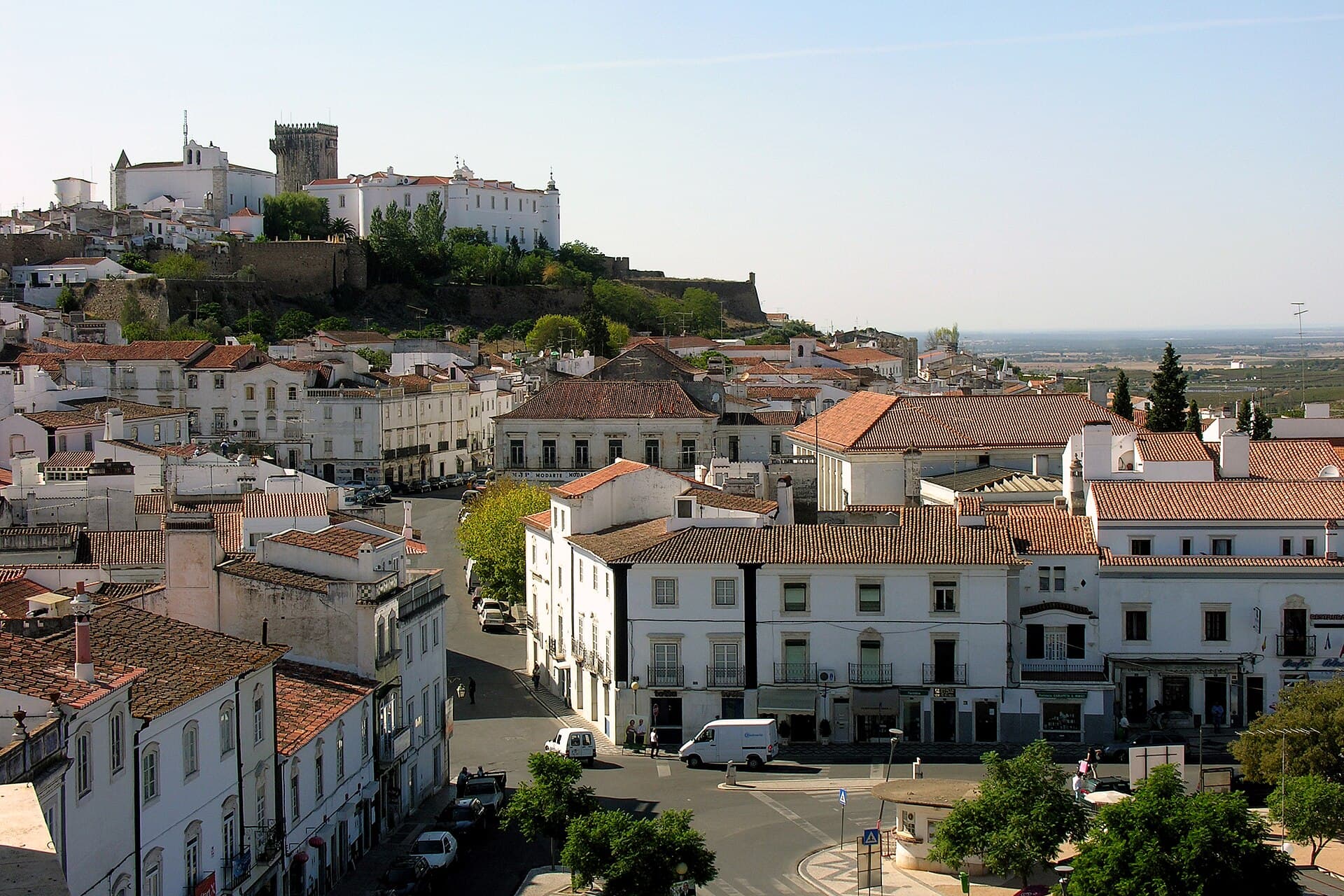 PhillipC [2] / CC BY 2.0, via Wikimedia Commons
Tour de audio autoguiado de Estremoz — ruta GPS a pie, reproducción offline, narración en 32 idiomas.
“Estremoz: Donde el mármol blanco brilla bajo el sol del Alentejo, revelando siglos de artesanía.”
No las postales. Las historias que ni los locales conocen — al oído, justo donde ocurrieron.
Una explosión reformó drásticamente esta fortaleza medieval.
La capilla dedicada a la Reina Isabel guarda un secreto sobre su legendaria generosidad.
La 'ciudad blanca' debe su nombre a algo más que casas encaladas.
Descubre todos los secretos de Estremoz
Cada dirección, cada revelación al completo — a tu oído, justo donde ocurrió.
Eliges tus paradas. Caminas. La voz te revela lo que los demás ignoran.
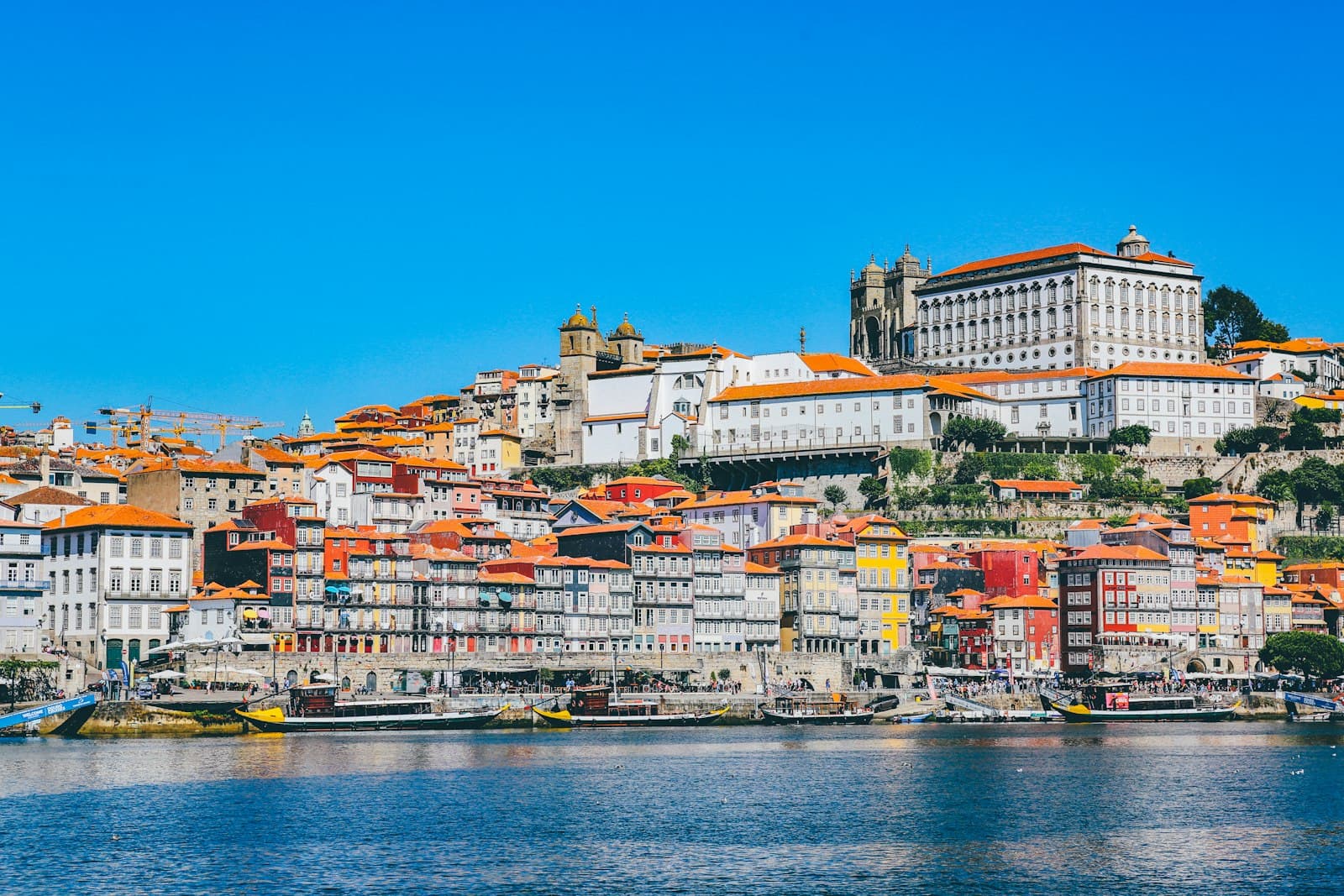
![Estremoz — boats docked near seaside promenade]](/_next/image?url=https%3A%2F%2Fxkitrzghrapdsyyvojzr.supabase.co%2Fstorage%2Fv1%2Fobject%2Fpublic%2Flume-images%2Fcities%2Festremoz-gallery-1.jpg&w=1920&q=75)
Tu tour de audioguía por Estremoz te espera — elige tus lugares, tu idioma y empieza al llegar.
ComprarLume incluye una guía de realidad aumentada. Levanta el móvil y su cámara muestra la calle que tienes delante, con una flecha luminosa sobre la imagen real que siempre apunta a tu próxima parada — sin mapas que descifrar, sin giros equivocados. Como todo en Lume, funciona completamente sin conexión.
Estremoz, una ciudad en la región del Alentejo en Portugal, aparece como una visión de blanco en el paisaje, sus casas extendidas por una colina y abrazadas por antiguas murallas. Este destino, a unos 170 km al este de Lisboa, invita a los visitantes a sumergirse en un ritmo de vida más lento. Estremoz es famosa por su mármol de alta calidad, a menudo conocido como 'mármol de Estremoz', utilizado ampliamente en la arquitectura y esculturas locales, y exportado internacionalmente.
La ciudad se divide en dos áreas distintas: la ciudad alta fortificada con su castillo medieval, y la ciudad baja más contemporánea y bulliciosa. La ciudad alta ofrece amplias vistas del campo circundante y alberga varios monumentos históricos. Estremoz ofrece una mezcla de sitios históricos, experiencias culturales y belleza natural, con colinas onduladas y viñedos que definen el pintoresco entorno.
La región alrededor de Estremoz ha estado habitada desde tiempos prehistóricos, con evidencia de ocupación romana, visigoda y musulmana. Los romanos valoraban la zona por su mármol y potencial agrícola. Durante la Reconquista, Estremoz fue capturada en el siglo XII, retomada por los moros y finalmente reconquistada por el rey portugués Sancho II a mediados del siglo XIII.
Estremoz ganó importancia estratégica como un sitio entre los Reinos de Portugal y Castilla. En 1258, el rey Afonso III concedió a Estremoz una carta, fomentando el asentamiento cristiano. El rey Dinis desarrolló aún más la ciudad, reconstruyendo el castillo como palacio real y residiendo allí desde 1281 con su esposa, Isabel de Aragón, quien más tarde se convertiría en la Reina Santa Isabel. La Reina Isabel murió en el Castillo de Estremoz en 1336.
Estremoz desempeñó un papel importante en varios momentos clave de la historia portuguesa. Durante la Crisis de 1383-1385, Nuno Álvares Pereira estableció su cuartel general en el Castillo de Estremoz y llevó a sus tropas a la victoria contra las fuerzas castellanas en la Batalla de Atoleiros en 1384, un evento crucial para la independencia de Portugal. La ciudad también sirvió como base para las fuerzas portuguesas durante la Guerra de Restauración Portuguesa (1640-1668), modernizándose sus defensas en una fortaleza abaluartada.
Estremoz ha sido reconocida internacionalmente durante siglos por su llamativo mármol, disponible en blanco, crema, rosa, gris o negro. Este mármol se ha extraído desde la época romana y se ha utilizado en estructuras notables tanto en Portugal, como el Monasterio de los Jerónimos y la Torre de Belém, como a nivel internacional. La abundancia de mármol significa que se utiliza en toda la ciudad, desde umbrales y pavimentos hasta fachadas de edificios.
Comience su exploración en el Castelo de Estremoz, una fortaleza medieval que ofrece vistas panorámicas de la ciudad y el campo. La impresionante Torre das Três Coroas (Torre de las Tres Coronas), un torreón de mármol de 28 metros de altura, es considerada una de las más bellas de Portugal y ofrece amplias vistas. El antiguo palacio real dentro del castillo ahora alberga la Pousada do Castelo de Estremoz, un hotel histórico.
Junto al castillo, visite la Capela da Rainha Santa Isabel, una capilla ricamente decorada revestida con azulejos que cuentan la historia de la Reina Isabel. Para una inmersión más profunda en la exportación más famosa de la región, considere una visita a una cantera de mármol o al Museo del Mármol en la cercana Vila Viçosa. La artesanía tradicional de la ciudad, los Bonecos de Estremoz (figuras de arcilla), reconocidos por la UNESCO como Patrimonio Cultural Inmaterial, se pueden explorar en el Centro Interpretativo do Boneco de Estremoz o en talleres de artesanos.
Descienda a la ciudad baja para experimentar el animado Mercado de los Sábados en la Plaza Rossio, donde podrá encontrar antigüedades, productos locales, cerámica y más. Admire la fachada rococó de la Igreja de Santa Maria e Santiago y el Convento dos Congregados de inspiración barroca italiana, conocido por su fachada de mármol rosa. No se pierda el Museu Berardo Estremoz, que exhibe 800 años de historia del azulejo en el Palacio de la Tocha.
Las mejores épocas para visitar Estremoz son durante la primavera (marzo, abril, mayo) y el otoño (septiembre, octubre, noviembre) cuando el clima es templado y agradable, con temperaturas confortables entre 18°C y 30°C (65°F y 85°F). Estas estaciones son ideales para actividades al aire libre y explorar la ciudad sin el intenso calor del verano. El verano (junio a agosto) es caluroso y seco, mientras que el invierno es tranquilo y frío, ofreciendo una experiencia diferente y menos concurrida.
Estremoz se encuentra en la Región del Alentejo, aproximadamente a 170 km al este de Lisboa. Se puede llegar a Estremoz desde Lisboa en coche en unas dos horas o en autobús desde la terminal principal de Lisboa. La ciudad se explora mejor a pie, especialmente el casco antiguo. Para distancias más largas o excursiones de un día a pueblos cercanos como Évora o Elvas, considere alquilar un coche. El costo de vida en Estremoz es moderado, con opciones de alojamiento y restaurantes asequibles. Es aconsejable llevar algo de efectivo para los mercados locales. El portugués es el idioma oficial, pero el inglés es ampliamente entendido en las zonas turísticas.
Estremoz en coreano, en chino o en hebreo — y 29 idiomas más, cada parada narrada por una voz nativa. La mayor variedad de idiomas de cualquier audioguía autoguiada.
Disponible en: