La Torre de Observación
Desde un punto de vista particular dentro de la torre de observación central del fuerte, se revela un aspecto inusual de su diseño.
La historia completa se desbloquea en el tour
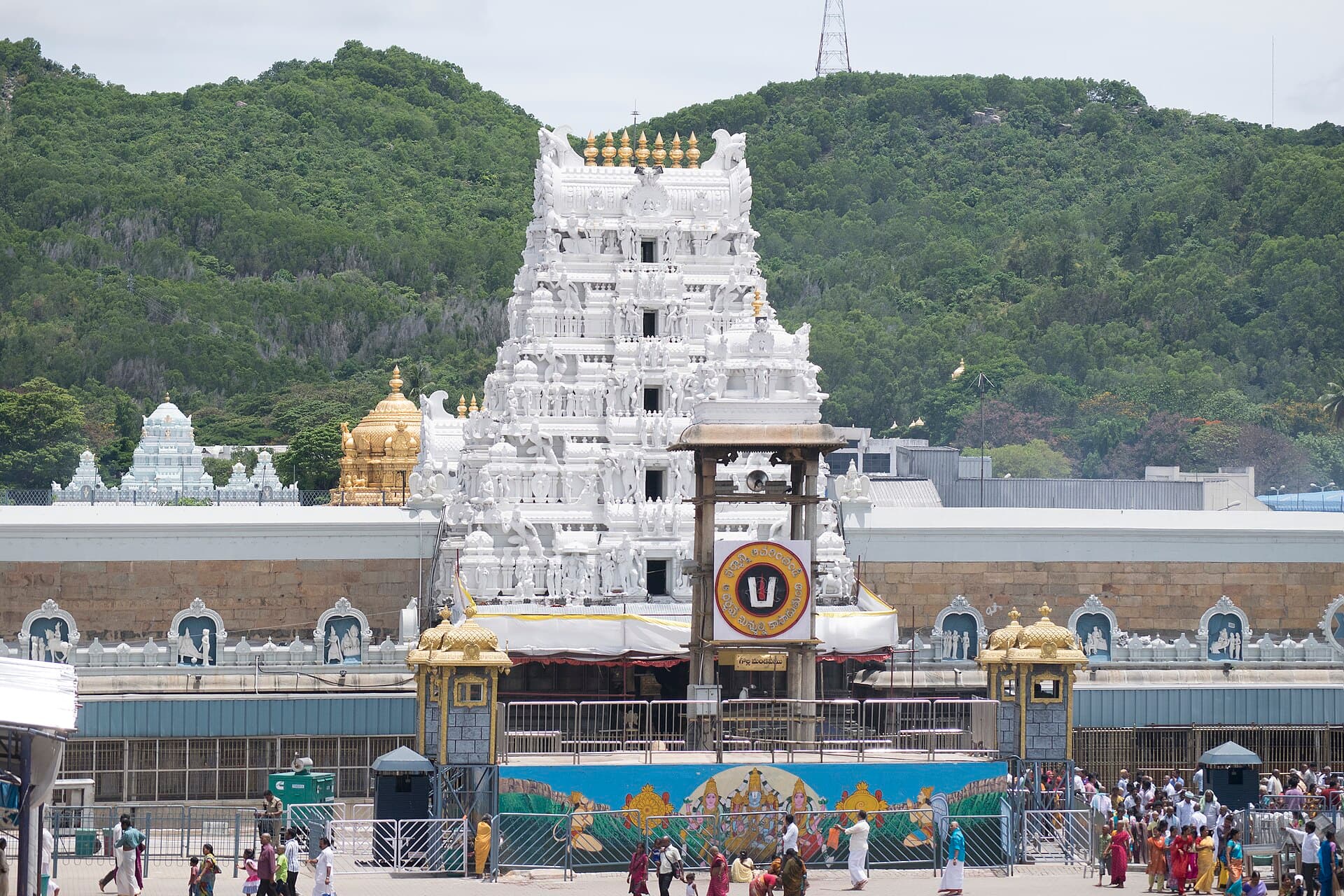 Nikhilb239 / cc by-sa 4.0, via Wikimedia Commons
Tour de audio autoguiado de Bekal — ruta GPS a pie, reproducción offline, narración en 32 idiomas.
“Donde muros formidables se encuentran con el antiguo murmullo del Mar Arábigo.”
No las postales. Las historias que ni los locales conocen — al oído, justo donde ocurrieron.
Desde un punto de vista particular dentro de la torre de observación central del fuerte, se revela un aspecto inusual de su diseño.
Un pequeño y modesto templo dedicado al Señor Hanuman se encuentra dentro de las murallas del fuerte. Su presencia habla de una fascinante convergencia de culturas y creencias.
En lo profundo del fuerte, se puede encontrar un gran tanque de agua similar a un pozo escalonado. Su construcción guarda un secreto sobre la autosuficiencia del fuerte.
Descubre todos los secretos de Bekal
Cada dirección, cada revelación al completo — a tu oído, justo donde ocurrió.
Eliges tus paradas. Caminas. La voz te revela lo que los demás ignoran.


Tu tour de audioguía por Bekal te espera — elige tus lugares, tu idioma y empieza al llegar.
ComprarLume incluye una guía de realidad aumentada. Levanta el móvil y su cámara muestra la calle que tienes delante, con una flecha luminosa sobre la imagen real que siempre apunta a tu próxima parada — sin mapas que descifrar, sin giros equivocados. Como todo en Lume, funciona completamente sin conexión.
El Fuerte Bekal, una colosal estructura de laterita, se alza como un centinela silencioso a orillas del Mar Arábigo en Kerala, India. Sus imponentes muros, con forma de ojo de cerradura gigante, se elevan dramáticamente desde la costa, ofreciendo vistas expansivas del océano y el paisaje circundante. Más que simplemente una fortaleza, Bekal es un testimonio de siglos de importancia estratégica, un lugar donde el rugido de los cañones se mezcló una vez con el rítmico choque de las olas.
Esta maravilla arquitectónica, que se extiende por más de 16 hectáreas, invita a la exploración. Su intrincado diseño, pasajes ocultos y torres de observación insinúan un pasado lleno de batallas, comercio y el flujo y reflujo de poderosas dinastías. Hoy en día, ofrece un escape tranquilo, un lugar para pasear por la historia mientras se es arrullado por la brisa marina.
## Del Comercio Antiguo a la Poderosa Fortaleza La historia de Bekal se remonta a tiempos antiguos, con evidencia que sugiere que fue una importante ciudad portuaria incluso antes de la construcción del fuerte. Su ubicación estratégica en la costa de Malabar la convirtió en un premio codiciado para varias potencias regionales y comerciantes marítimos. Los primeros registros indican que la región estuvo bajo el dominio del reino de Kolathunadu.
## El Ascenso de los Nayakas de Ikkeri El período más significativo en el desarrollo del Fuerte Bekal comenzó en el siglo XVII bajo el gobierno de los Nayakas de Ikkeri. Shivappa Nayaka, un prominente gobernante de esta dinastía, es ampliamente reconocido por la construcción del fuerte actual. Reconoció el inmenso valor estratégico del sitio, particularmente para defenderse de reinos rivales y controlar lucrativas rutas comerciales de especias. Los Nayakas invirtieron fuertemente en la fortificación de Bekal, transformándola en una formidable estructura defensiva.
## Tipu Sultan y el Reino de Mysore A finales del siglo XVIII, el fuerte quedó bajo el control de Tipu Sultan, el legendario gobernante del Reino de Mysore. Sus ambiciones expansionistas lo llevaron a capturar y fortalecer aún más el Fuerte Bekal, integrándolo en su vasta red de defensas costeras. El fuerte sirvió como un puesto de avanzada vital para las campañas militares de Tipu Sultan en la región.
## Dominio Colonial Británico Tras la derrota de Tipu Sultan en las Guerras Anglo-Mysore, el Fuerte Bekal, como gran parte de la costa de Malabar, cayó bajo el control de la Compañía Británica de las Indias Orientales. Los británicos también reconocieron su importancia estratégica, aunque su función militar principal disminuyó gradualmente con el tiempo. Fue utilizado con fines administrativos y como guarnición durante un período.
## Un Legado Preservado Después de que la India obtuvo la independencia, el Fuerte Bekal fue declarado monumento protegido y ahora es mantenido por el Servicio Arqueológico de la India. Su presencia duradera es un poderoso recordatorio del complejo tejido político y cultural del pasado de Kerala, un testigo silencioso del ascenso y la caída de imperios, y un testimonio de la ingeniosa arquitectura militar.
Su viaje a través del Fuerte Bekal comienza en su imponente entrada, que lo lleva a una vasta extensión de muros de laterita. La característica más llamativa es la Torre de Observación, que se eleva majestuosamente desde el centro del fuerte. Suba sus escalones sinuosos para disfrutar de vistas panorámicas de 360 grados del Mar Arábigo, la Playa de Bekal y los palmerales circundantes. Es aquí donde realmente se comprende la brillantez estratégica del fuerte.
Mientras explora, encontrará varios bastiones, algunos que se extienden hacia el mar, diseñados para repeler ataques navales. Busque los bastiones en forma de ojo de cerradura, un elemento arquitectónico único. Descubra el antiguo Templo Anjaneya, un pequeño santuario dedicado al Señor Hanuman, y una mezquita, ambos dentro del complejo del fuerte, que reflejan las diversas influencias culturales que dieron forma a la región.
No pase por alto el gran tanque de agua, un testimonio de la autosuficiencia del fuerte, y los restos del polvorín, donde una vez se almacenó la pólvora. Camine por las amplias murallas, imaginando a los centinelas vigilando. El fuerte también cuenta con una antigua mezquita y un bastión marino con un alimentador de agua, lo que se suma a sus capas históricas.
Fuera del fuerte, la Playa de Bekal en forma de media luna se extiende de manera atractiva, perfecta para un paseo después de su exploración histórica. El cercano Agujero de Bekal ofrece un vistazo a las formaciones geológicas naturales de la costa.
El momento ideal para visitar Bekal es durante los meses de invierno, de octubre a marzo. El clima es agradablemente fresco y seco, con temperaturas que oscilan entre 20°C y 32°C (68°F a 90°F), lo que lo hace perfecto para explorar el fuerte y disfrutar de las playas. La temporada de monzones, de junio a septiembre, trae fuertes lluvias, lo que puede dificultar el turismo, aunque la exuberante vegetación es hermosa. Los veranos, de abril a mayo, son calurosos y húmedos.
El Fuerte Bekal se encuentra aproximadamente a 14 kilómetros (9 millas) de la ciudad de Kasaragod. El aeropuerto más cercano es el Aeropuerto Internacional de Mangalore (IXE), a unos 65 kilómetros (40 millas) de distancia. El Aeropuerto Internacional de Kannur (CNN) es otra opción, aproximadamente a 80 kilómetros (50 millas) al sur. La estación de tren más cercana es Bekal Fort (BFR) o Kanhangad (KZE), ambas bien conectadas. Hay taxis y auto-rickshaws disponibles para el transporte local.
El fuerte está abierto todos los días de 8:00 AM a 5:30 PM. Hay una tarifa de entrada nominal para ciudadanos indios y una tarifa más alta para extranjeros. Los montos específicos se pueden consultar en el sitio web del Servicio Arqueológico de la India o en la entrada del fuerte. Use zapatos cómodos para caminar, ya que explorará terreno irregular. Lleve agua, especialmente durante los meses más cálidos, y un sombrero o paraguas para protegerse del sol. Se permite la fotografía, así que traiga su cámara para capturar las espectaculares vistas costeras.
Bekal en coreano, en chino o en hebreo — y 29 idiomas más, cada parada narrada por una voz nativa. La mayor variedad de idiomas de cualquier audioguía autoguiada.
Disponible en: