Delta do Mekong
A maioria dos visitantes do Delta do Mekong imagina mercados flutuantes movimentados, mas Bến Tre oferece um tipo diferente de comércio.
História completa desbloqueada no tour
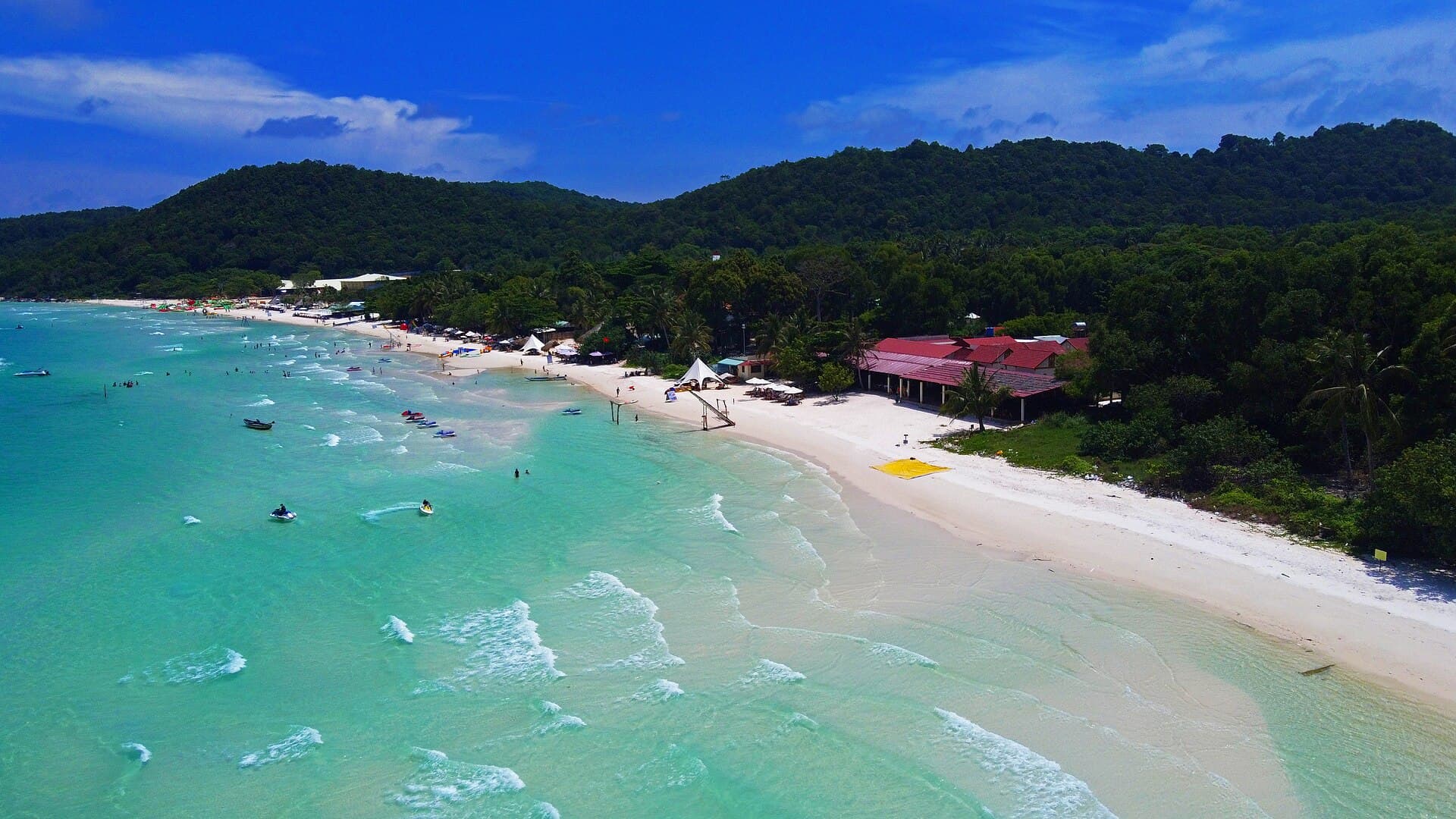 Photo of Phú Quốc, via Wikimedia Commons
Tour de áudio autoguiado por Bến Tre — rota GPS a pé, reprodução offline, narração envolvente em 32 idiomas.
“Onde os sussurros do Mekong encontram o farfalhar de um milhão de palmeiras.”
Não os postais. As histórias que nem os locais conhecem — sussurradas ao seu ouvido, exatamente onde aconteceram.
A maioria dos visitantes do Delta do Mekong imagina mercados flutuantes movimentados, mas Bến Tre oferece um tipo diferente de comércio.
Durante a Guerra do Vietnã, Bến Tre foi o local de uma declaração controversa que se tornou amplamente discutida.
Bến Tre já foi o lar de um movimento espiritual único liderado por uma figura conhecida como o 'Monge do Coco'.
Descubra cada segredo de Bến Tre
Cada endereço, cada revelação na íntegra — no seu ouvido, exatamente onde aconteceu.
Você escolhe as suas paragens. Você caminha. A voz revela o que os outros perdem.
O seu tour áudio autoguiado de Bến Tre está pronto — escolha os seus pontos de interesse, selecione o seu idioma e comece no momento em que chegar.
ComprarA Lume inclui um guia de realidade aumentada. Levante o telemóvel: a câmara mostra a rua à sua frente, com uma seta luminosa sobreposta à imagem real que aponta sempre para a sua próxima paragem — sem mapa para decifrar, sem voltas erradas. Como tudo na Lume, funciona totalmente offline.
Bến Tre, frequentemente chamada de 'Capital do Coco' do Vietnã, é uma província tranquila no Delta do Mekong, a aproximadamente 85 quilômetros a sudoeste de Ho Chi Minh City. Esta província insular é esculpida pela intrincada rede de braços do Rio Mekong, uma geografia que ajudou a preservar seu distinto caráter rural. Aqui, a vida se desenrola em um ritmo suave, definida por verdejantes coqueirais, canais sinuosos e o ritmo dos ciclos agrícolas.
Distinta de alguns de seus vizinhos mais movimentados no Delta, Bến Tre oferece uma fuga pacífica, focando em experiências locais autênticas em vez de grandes atrações. Os visitantes podem encontrar pequenas vilas, oficinas familiares e pomares exuberantes, proporcionando uma visão genuína da vida cotidiana vietnamita no campo. A identidade da província está intrinsecamente ligada ao coco, que não é apenas um motor econômico primário, mas também profundamente entrelaçado na cultura e história local.
A história de Bến Tre está profundamente entrelaçada com a expansão histórica ('Nam Tiến') do povo vietnamita para o Delta do Mekong. O assentamento ativo dessas terras pantanosas, inicialmente cobertas por vegetação densa, começou por volta dos séculos XVII e XVIII. Acredita-se que o nome da cidade e província, 'Bến Tre', derive de 'Cais de Bambu', refletindo a paisagem natural e a presença de bambu abundante. Sua posição geográfica, situada em ilhas formadas pelos braços do Rio Tiền, foi crucial para seu desenvolvimento inicial, promovendo uma 'civilização fluvial' onde a vida diária, do transporte ao comércio, girava em torno do Mekong.
Sob a ocupação francesa, os distritos da área foram reorganizados em províncias em 1899. Bến Tre também se tornou um centro significativo de atividade revolucionária. Em janeiro de 1960, Nguyễn Thị Định, uma proeminente líder feminina, liderou a primeira rebelião armada em larga escala contra o governo do Vietnã do Sul em Bến Tre. Esta revolta, conhecida como Đồng Khởi, envolveu uma mistura de luta armada e política e é amplamente considerada por alguns historiadores como o verdadeiro início da Guerra do Vietnã.
A importância de Bến Tre como berço da insurgência do sul significou que o Viet Cong a utilizou como uma base importante durante grande parte da década de 1960. Durante a Ofensiva Tet em 1968, a cidade de Bến Tre foi atacada por forças do Viet Cong e sofreu danos extensos com bombardeios, com mais de 5.000 casas destruídas e mais de 30.000 refugiados gerados. A batalha durou até 5 de fevereiro, quando as forças dos EUA e do Vietnã do Sul repeliram o Viet Cong. Após a unificação do Vietnã em 1975, Bến Tre embarcou em um período de reconstrução e desenvolvimento, transformando-se de uma economia predominantemente agrícola para uma que viu melhorias nos padrões de vida após as reformas Đổi Mới de 1986.
Ao longo de sua história, o coco tem sido um símbolo inabalável e a espinha dorsal econômica de Bến Tre. O cultivo de coco é parte integrante da economia da província há séculos, beneficiando-se de um clima tropical ideal e acesso ao Delta do Rio Mekong para transporte. Durante a guerra, as coqueiras serviram até para fins práticos, com seus troncos usados para construir abrigos antiaéreos e criar jangadas para interromper o tráfego inimigo. Hoje, Bến Tre continua sendo a maior província exportadora de coco do Vietnã, com vastos coqueirais cobrindo mais de 70.000 hectares e produzindo quase 600 milhões de frutos anualmente. A indústria de processamento de coco é um grande empregador, transformando cocos em uma gama diversificada de produtos, desde leite e óleo até artesanato e o famoso doce de coco.
Bến Tre oferece uma imersão relaxante na vida do Delta do Mekong. Uma atividade principal é navegar pela intrincada rede de canais em um barco sampana, permitindo vistas de perto dos coqueirais e vilas locais que margeiam as vias navegáveis. Muitos passeios incluem paradas em oficinas familiares de coco, onde você pode observar o processo de fabricação de doce de coco, óleo de coco e outros produtos, e até mesmo tentar fazer seu próprio artesanato.
Andar de bicicleta pelo campo é outra forma popular de vivenciar Bến Tre, com estradas secundárias planas serpenteando por campos de arroz, pomares e vilarejos tranquilos. Você pode ver agricultores trabalhando com búfalos d'água ou simplesmente apreciar a paisagem pacífica. Para aqueles interessados em história, o Museu Bến Tre oferece insights sobre o passado da região, incluindo seu papel na Guerra do Vietnã. Outros locais notáveis incluem o Túmulo de Nguyễn Đình Chiểu, homenageando um poeta e patriota reverenciado, e os monumentos históricos Đồng Khởi, comemorando a significativa revolta liderada por Nguyễn Thị Định. Não perca a oportunidade de provar as frutas tropicais locais, como rambutan, mangostão, durian e lichia, frequentemente disponíveis frescas dos pomares.
Bến Tre recebe visitantes durante todo o ano, com cada estação oferecendo uma experiência única. A estação seca, de dezembro a abril, é geralmente considerada a época mais confortável para visitar, com temperaturas agradáveis, menor umidade e menos chuva, tornando-a ideal para atividades ao ar livre como ciclismo e passeios de barco. Os céus mais limpos são tipicamente em fevereiro.
Alternativamente, a estação chuvosa, de maio a novembro, traz paisagens verdejantes e jardins de frutas abundantes. Embora haja chuvas curtas ocasionais, elas geralmente levam a noites mais frescas e menos turistas, oferecendo uma experiência mais tranquila. De junho a agosto é particularmente bom para os amantes de frutas, pois muitas frutas tropicais estão maduras para serem apreciadas. A 'temporada de cheia' de setembro a dezembro também é um bom momento para passeios de barco e para vivenciar as vias navegáveis completas do Delta.
Bến Tre fica a aproximadamente duas a duas horas e meia de carro de Ho Chi Minh City, tornando-a acessível para viagens de um dia ou estadias mais longas. Recomenda-se iniciar sua viagem cedo pela manhã, por volta das 6-7 da manhã, para evitar o trânsito e aproveitar o clima mais fresco. Ao fazer as malas, opte por roupas confortáveis e folgadas feitas de tecidos respiráveis como algodão, pois as atividades geralmente envolvem ciclismo, caminhada e passeios de barco. Itens essenciais incluem protetor solar, chapéu, repelente de insetos e sapatos confortáveis para caminhar. Inglês básico é falado em homestays e áreas turísticas, mas aprender algumas frases em vietnamita pode aprimorar suas interações com os locais. Ao explorar, envolva-se com negócios locais e respeite o meio ambiente para apoiar o turismo sustentável.
Bến Tre — coreano, chinês, hebraico e mais 29 idiomas, cada parada narrada por uma voz nativa. A maior variedade de idiomas entre os passeios de áudio autoguiados.
Disponível em: