Тхач Донг (Пещера и Пагода Тхач Донг)
Это поразительное известняковое образование хранит в себе больше, чем просто святыни и захватывающие виды.
Полная история открывается в туре
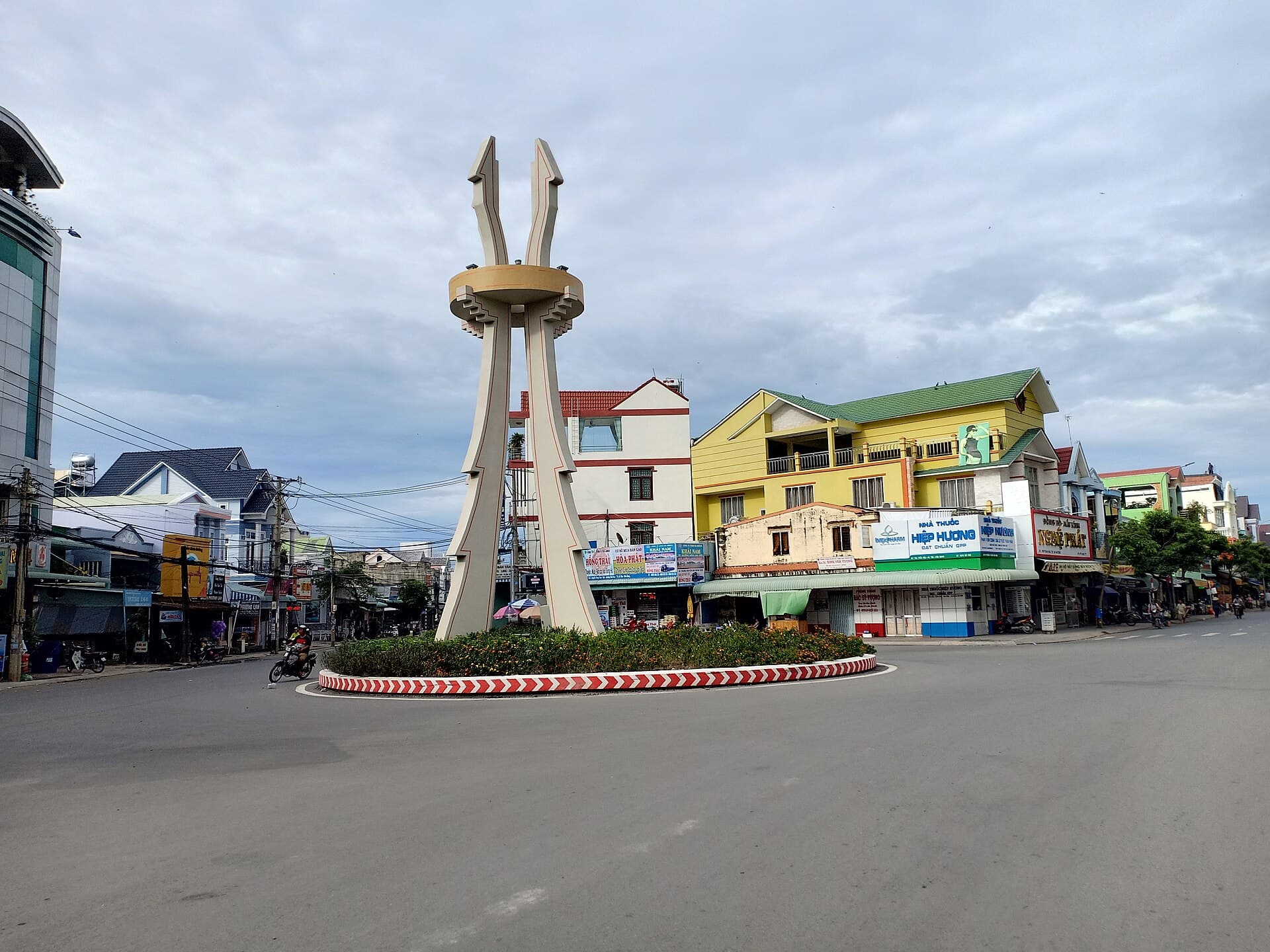 Trương Thành Ý / CC BY 4.0, via Wikimedia Commons
Самостоятельная аудиопрогулка по Хатьен — GPS-маршрут, офлайн-воспроизведение, увлекательное повествование на 32 языках.
“Где реки сливаются с морем, а история дышит в известняковых пещерах.”
Не открытки. Истории, которые не знают даже местные жители — шепотом в вашем ухе, прямо там, где они произошли.
Это поразительное известняковое образование хранит в себе больше, чем просто святыни и захватывающие виды.
Само название этого города несет в себе восхитительную тайну.
Помимо умиротворяющих садов и статуй Будды, эта пагода сохраняет удивительную связь с основателем Хатьена.
Откройте для себя каждый секрет Хатьен
Каждый адрес, каждое полное раскрытие — в вашем ухе, прямо там, где это произошло.
Вы выбираете остановки. Вы гуляете. Голос раскрывает то, что упускают другие.

Ваш самостоятельный аудиотур по Хатьен готов — выберите свои достопримечательности, выберите свой язык и начните в момент прибытия.
КупитьВ Lume встроен гид дополненной реальности. Поднимите телефон: камера показывает улицу перед вами, а поверх реального изображения светится стрелка, всегда указывающая на вашу следующую остановку — не нужно разбираться с картой и сворачивать не туда. Как и всё в Lume, это работает полностью офлайн.
Хатьен, прибрежный городской район на юго-западе Вьетнама, расположен там, где река Джанг Тхань впадает в Сиамский залив, на краю дельты Меконга. Это стратегическое положение, недалеко от границы с Камбоджей, сформировало его идентичность как точки схождения вьетнамской, кхмерской и китайской культур. С населением около 47 000 человек Хатьен сохраняет безмятежную атмосферу, приятный контраст с более крупными и оживленными городскими центрами Вьетнама.
Город представляет собой слияние природного великолепия и исторической глубины, приглашая путешественников исследовать карстовые известняковые образования, спокойные реки и прибрежные пейзажи. Он служит удобной точкой доступа к острову Фукуок и соседней Камбодже, однако сам Хатьен предлагает место назначения, достойное открытия благодаря своему особому очарованию и разнообразному наследию.
Исследование Хатьена пешком раскрывает его характер: от оживленных рынков и оживленных набережных до более тихих переулков и почитаемых храмов. Отчетливое смешение влияний города проявляется в его архитектуре, кухне и повседневных ритмах его многоэтнических общин.
## Основание Мак Куу История Хатьена начинается в конце 17 века с Мак Куу, китайского иммигранта и лоялиста династии Мин, который искал убежища на юге Вьетнама после падения Мин. Он основал китайскую общину в Хатьене, в конечном итоге управляя ею как зависимым государством Вьетнама. Лорды Нгуен, правившие южным Вьетнамом, поддерживали Мак Куу, и он процветал, несмотря на вторжения из Сиама.
## Век правления Мак Потомки Мак Куу продолжали управлять Хатьеном около столетия. В этот период Хатьен превратился в значительный торговый пост, известный европейским морякам как "Канкао". Его положение как разнообразного, многоэтнического пограничья позволило ему быстро поглощать социальные и религиозные течения из Южного Китая, становясь каналом для их распространения в западную дельту Меконга.
## Смена власти и колониальное влияние К концу 18 века Хатьен перешел под прямое вьетнамское управление. В 19 веке власть перешла к французским поселенцам, а во время последующих конфликтов Хатьен служил базой для судоходных операций. В 1970-х годах регион пережил трансграничные нападения со стороны Красных кхмеров.
## Современный Хатьен Сегодня Хатьен процветает благодаря торговле с Камбоджей, и свидетельства его сложного прошлого видны в общинах китайского и кхмерского происхождения, которые до сих пор там проживают. Неизменное культурное разнообразие и исторические места города отражают его путь от пограничного поселения до современного портового города.
Хатьен предлагает разнообразные достопримечательности, многие из которых доступны пешком из центра города. Мавзолей Мак Куу является историческим сердцем города, служа могилой и мемориалом китайско-вьетнамского основателя Хатьена. Неподалеку Пагода Там Бао, основанная Мак Куу в 1730 году, имеет умиротворяющие сады и статуи, а за главным храмом расположены гробницы 16 монахов.
Для знакомства с природной красотой и духовного исследования посетите Тхач Донг (Пещера и Пагода Тхач Донг), впечатляющее известняковое образование с пещерами, содержащими святыни и предлагающими обширные виды на Хатьен и Сиамский залив. Другая примечательная пещера — Нуи Да Зунг, которая когда-то служила военной базой и предлагает интригующие пещеры и разнообразную флору и фауну во время восхождения на ее вершину. Монастырь Нгок Тиен, окрашенный в желтый и красный цвета, виден через реку со многих точек обзора в Хатьене.
Для отдыха пляж Муй Най популярен среди местных туристов по выходным, предлагая спокойные, мелкие воды для купания и закусочные с морепродуктами. Хотя песок темный, виды на остров Фукуок и камбоджийские горы ясные, особенно в сухой сезон. Рассмотрите возможность посещения оживленного рынка Хатьена, оживленного центра с отдельными секциями для специй, свежей рыбы, овощей и готовых блюд.
В Хатьене тропический муссонный климат со средней годовой температурой 27 градусов Цельсия. Наиболее приятная погода для исследования обычно приходится на февраль. Сухой сезон, с ноября по май, обычно считается оптимальным временем для посещения, предлагая более прохладные температуры и меньшее количество осадков. Температуры самые низкие с декабря по январь, в среднем около 24°C, в то время как самые высокие температуры, около 30°C, наблюдаются с апреля по май. Сезон дождей, с мая по октябрь, приносит увеличение осадков, хотя тропические ливни обычно сильные, но кратковременные.
Хатьен является важным транспортным узлом, соединяющим материковый Вьетнам с островом Фукуок и Камбоджей. Хотя собственного аэропорта или железнодорожной станции у него нет, до него можно добраться, комбинируя авиаперелеты с наземным или водным транспортом. Автобусы из Хошимина в Хатьен идут примерно 5-6 часов. Из Камбоджи пограничные автобусы из Кампота идут около 2-3 часов. Паромы на Фукуок доступны, с быстрым 1,5-2 часовым путешествием на современных судах.
В самом Хатьене многие достопримечательности находятся в шаговой доступности, что делает его приятным для пеших прогулок. Велосипед также является предпочтительным способом познакомиться с городом и его окрестностями, предлагая ровные дороги и легкое движение транспорта. Рикши предлагают уникальный способ передвижения по городу, цены договорные с водителем. Для более дальних расстояний доступны такси; убедитесь, что тариф установлен по счетчику.
Хатьен: корейский, китайский, иврит и ещё 29 языков — каждую остановку озвучивает носитель языка. Самый широкий выбор языков среди аудиоэкскурсий без гида.
Доступные языки: