Isola di Thới Sơn
L'isola più grande di Mỹ Tho è nota per i suoi frutteti e la musica tradizionale, ma c'è una bevanda particolare che ti verrà offerta con un segreto ronzante.
La storia completa si sblocca nel tour
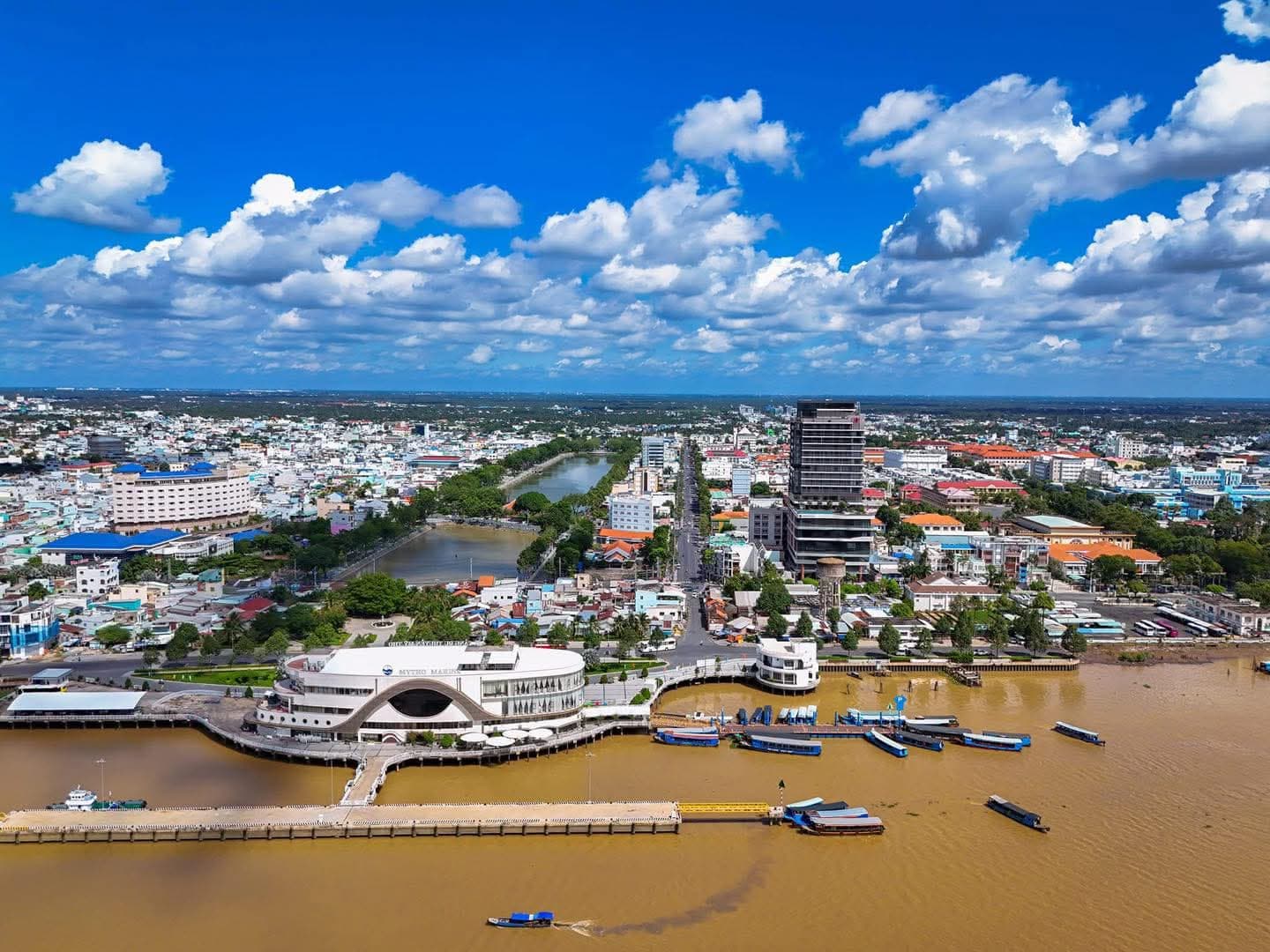 Duong Dang Khoi / CC0, via Wikimedia Commons
Tour audio autoguidato di Mỹ Tho — percorso GPS a piedi, riproduzione offline, narrazione coinvolgente in 32 lingue.
“Dove le correnti del Mekong portano storie e sapori.”
Non le cartoline. Le storie che nemmeno i locali conoscono — sussurrate nel tuo orecchio, proprio dove sono accadute.
L'isola più grande di Mỹ Tho è nota per i suoi frutteti e la musica tradizionale, ma c'è una bevanda particolare che ti verrà offerta con un segreto ronzante.
Questa struttura unica è un centro per la ricerca e la conservazione dei serpenti, eppure è iniziata con uno scopo molto diverso e salvavita.
Le iconiche caramelle al cocco del Delta del Mekong sono amate per la loro consistenza gommosa e il sapore ricco, ma la ricetta precisa di questo dolce è un segreto di famiglia ben custodito.
Scopri ogni segreto di Mỹ Tho
Ogni indirizzo, ogni rivelazione completa — nel tuo orecchio, proprio dove è accaduta.
Scegli le tue tappe. Cammini. La voce rivela ciò che gli altri perdono.


Il tuo tour audio autoguidato di Mỹ Tho è pronto — scegli i tuoi punti di interesse, seleziona la tua lingua e inizia nel momento in cui arrivi.
AcquistaLume include una guida in realtà aumentata. Alza il telefono: la fotocamera mostra la strada davanti a te, con una freccia luminosa sovrapposta all'immagine reale che punta sempre verso la tua prossima tappa — nessuna mappa da decifrare, nessuna svolta sbagliata. Come tutto in Lume, funziona completamente offline.
Mỹ Tho, la capitale della provincia di Tiền Giang, funge da porta d'accesso significativa al Delta del Mekong, a circa 75 chilometri a sud-ovest di Ho Chi Minh City. Situata sulla riva settentrionale del fiume Mekong (Tien), questa città offre un mix di vivace vita fluviale e uno sguardo alla cultura tradizionale vietnamita.
Un tempo modesto villaggio di pescatori, Mỹ Tho si è sviluppata in un importante centro commerciale, pur conservando il suo carattere autentico. È un punto di partenza popolare per esplorare gli intricati corsi d'acqua del Delta del Mekong, le isole verdi e i vivaci mercati locali.
Il nome stesso della città, "Mỹ Tho", si traduce in "bella canna", riflettendo il paesaggio naturale che un tempo definiva l'area. I visitatori possono aspettarsi un clima tropicale costantemente caldo e umido durante tutto l'anno, con temperature massime giornaliere che spesso superano i 30°C.
Le origini di Mỹ Tho risalgono agli anni '80 del Seicento, quando rifugiati cinesi, in fuga dalla caduta della dinastia Ming meridionale a favore dei Qing nel 1683, stabilirono un insediamento. All'epoca, l'area faceva parte dell'Impero Khmer prima di essere annessa dal Vietnam nel XVIII secolo. Già nel XVII secolo, Mỹ Tho era diventata un importante hub commerciale nel Vietnam meridionale, grazie alla sua posizione strategica sul fiume Mekong.
Durante il periodo coloniale francese negli anni '60 dell'Ottocento, Mỹ Tho emerse come una grande città strategica, accanto a Saigon. La sua cattura da parte della Francia nel 1862 fu un momento cruciale, segnando l'istituzione della colonia francese della Cocincina e inaugurando quasi un secolo di dominio francese in Vietnam. Questo periodo portò prosperità, attirando un gran numero di migranti, principalmente da Teochew e Minnan nella Cina continentale, plasmando ulteriormente l'identità culturale ed economica della città.
Nel 1876, la provincia di Mỹ Tho fu ufficialmente istituita come una delle sei province nel Vietnam sud-orientale. La città svolse anche un ruolo pionieristico nei trasporti, presentando la prima linea ferroviaria del Vietnam, una linea di 70 chilometri che collegava Saigon e Mỹ Tho, entrata in funzione nel 1885. Tuttavia, questa ferrovia fu distrutta durante la guerra del Vietnam negli anni '60. Mỹ Tho fu anche oggetto de "La Lezione", un capitolo della memoria di Tobias Wolff Nell'esercito del Faraone: Ricordi della Guerra Perduta, che descrive eventi durante l'offensiva del Tet del 1968.
Riconosciuta come area urbana di prima classe nel Delta del Mekong nel 2015, Mỹ Tho continua a prosperare, con la sua economia trainata principalmente dal turismo, dalla pesca e dai prodotti agricoli come noci di cocco, banane e longan. Sebbene abbia cessato di esistere come città municipale il 1° luglio 2025, a seguito dell'eliminazione delle unità a livello distrettuale in Vietnam, la sua importanza storica e culturale perdura.
Mỹ Tho offre una varietà di esperienze, da tranquille escursioni fluviali a esplorazioni culturali.
Inizia con un tradizionale giro in sampan lungo il fiume Mekong, navigando attraverso pittoreschi canali fiancheggiati da palme da cocco. Queste gite in barca includono spesso soste alle quattro isole mitiche: Drago (Long), Unicorno (Lan), Tartaruga (Quy) e Fenice (Phung), ognuna delle quali offre spunti unici sulla vita locale.
L'isola di Thới Sơn, conosciuta anche come isola dell'Unicorno, è la più grande e una tappa popolare. Qui puoi esplorare laboratori locali, assaggiare frutta tropicale fresca direttamente dai frutteti, gustare tè al miele e ascoltare musica popolare tradizionale del Vietnam meridionale. Molti tour includono anche una visita a un villaggio di caramelle al cocco, dove puoi osservare il processo tradizionale di produzione delle caramelle.
Sulla terraferma, la Pagoda di Vinh Trang è un'attrazione di spicco. Costruito nel 1849, questo vasto complesso mostra una miscela unica di stili architettonici vietnamiti, cinesi, Khmer ed europei. I suoi giardini sereni e le statue giganti di Buddha offrono un rifugio pacifico.
Per un'esperienza diversa, considera una visita alla Dong Tam Snake Farm, situata a circa 9-12 chilometri dal centro di Mỹ Tho. Questa struttura è un importante centro per l'allevamento e la conservazione di varie specie di serpenti, la ricerca, la produzione di medicinali e il trattamento dei morsi di serpente. Ospita anche un museo dei serpenti, riconosciuto dalla Vietnam Record Association come il più grande del paese.
Non perderti il Mercato di Mỹ Tho, un vivace mercato tradizionale dove puoi trovare una varietà di frutta tropicale fresca, frutti di mare e street food locale come hủ tiếu Mỹ Tho (un tipo di zuppa di noodle di riso).
Mỹ Tho gode di un clima tropicale con temperature costantemente calde tutto l'anno, tipicamente comprese tra 23°C e 33,6°C. Il fattore chiave nella pianificazione della tua visita è la piovosità stagionale.
La stagione secca, da dicembre ad aprile, offre il clima più confortevole con piogge minime e cieli più limpidi, rendendola ideale per attività all'aperto e gite in barca. Febbraio è particolarmente secco. Il periodo da fine gennaio a marzo è considerato anche la stagione primaverile o dei fiori, offrendo un'atmosfera piacevole per passeggiare.
La stagione delle piogge va da maggio a novembre, portando paesaggi lussureggianti ma anche piogge intense occasionali. Tuttavia, la stagione della fioritura dei frutti da giugno a luglio offre un'abbondanza di frutta fresca locale, e la stagione delle inondazioni (luglio-settembre) presenta scenari spettacolari con livelli d'acqua più alti.
Raggiungere Mỹ Tho è semplice, poiché è facilmente accessibile da Ho Chi Minh City, a circa 70-75 chilometri di distanza. Molti autobus giornalieri partono dalla stazione degli autobus di Mien Tay a Saigon.
Sebbene alcuni esercizi turistici possano accettare dollari USA, la valuta ufficiale è il Dong vietnamita (VND). È più conveniente avere valuta locale per piccoli acquisti, street food e visite ai mercati. Gli sportelli bancomat sono ampiamente disponibili e i servizi di cambio valuta si trovano in banche e hotel.
Dato il clima tropicale caldo e umido tutto l'anno, porta abiti leggeri e traspiranti realizzati con tessuti naturali come cotone o lino. Un cappello, occhiali da sole e una crema solare ad alto SPF sono essenziali per la protezione solare. Si consigliano sandali comodi o scarpe da ginnastica leggere, soprattutto per esplorare a piedi o in barca. È anche consigliabile un repellente per insetti, in particolare per le passeggiate serali vicino all'acqua. L'inglese è sempre più parlato dalla gente del posto, offrendo opportunità di scambio culturale.
Mỹ Tho — coreano, cinese, ebraico e altre 29 lingue, ogni tappa narrata da una voce madrelingua. La più ampia scelta di lingue tra i tour audio autoguidati.
Disponibile in: