Tour d'Ercilla
Cette tour du XVe siècle, qui abrite aujourd'hui le Musée des Pêcheurs, servait autrefois à un tout autre dessein pour une famille locale éminente.
L'histoire complète se débloque dans le tour
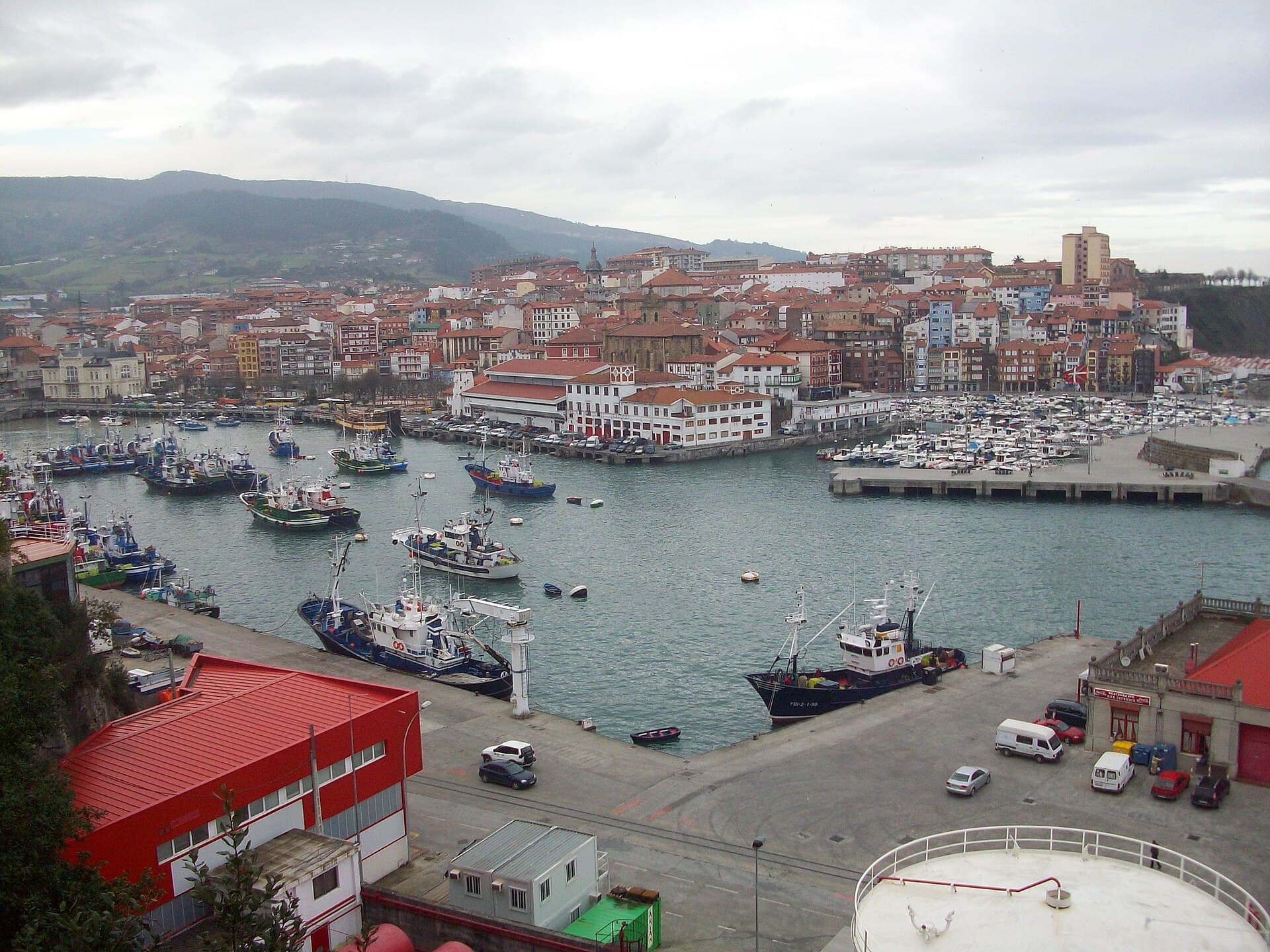 Euskalduna / CC BY-SA 3.0, via Wikimedia Commons
Visite audio autoguidée de Bermeo — parcours GPS à pied, lecture hors ligne, narration en 32 langues.
“Là où la mer Cantabrique sculpte des histoires dans la pierre et une tradition inébranlable.”
Pas les cartes postales. Les histoires que même les habitants ignorent — soufflées à l'oreille, là où elles se sont passées.
Cette tour du XVe siècle, qui abrite aujourd'hui le Musée des Pêcheurs, servait autrefois à un tout autre dessein pour une famille locale éminente.
Chaque année, le jour de la Magdalena, le maire de Bermeo accomplit un rituel particulier impliquant une tuile en céramique et une déclaration.
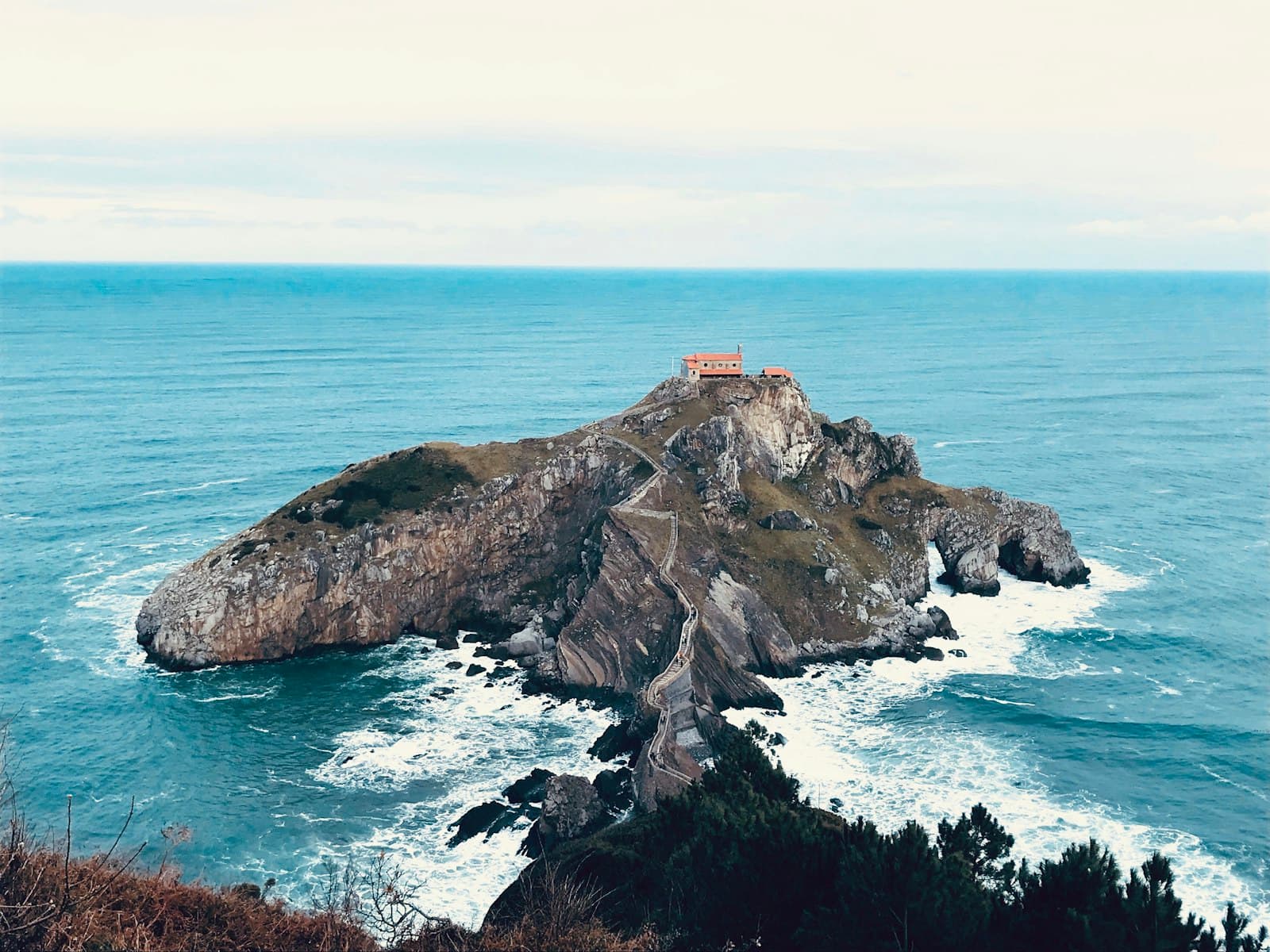
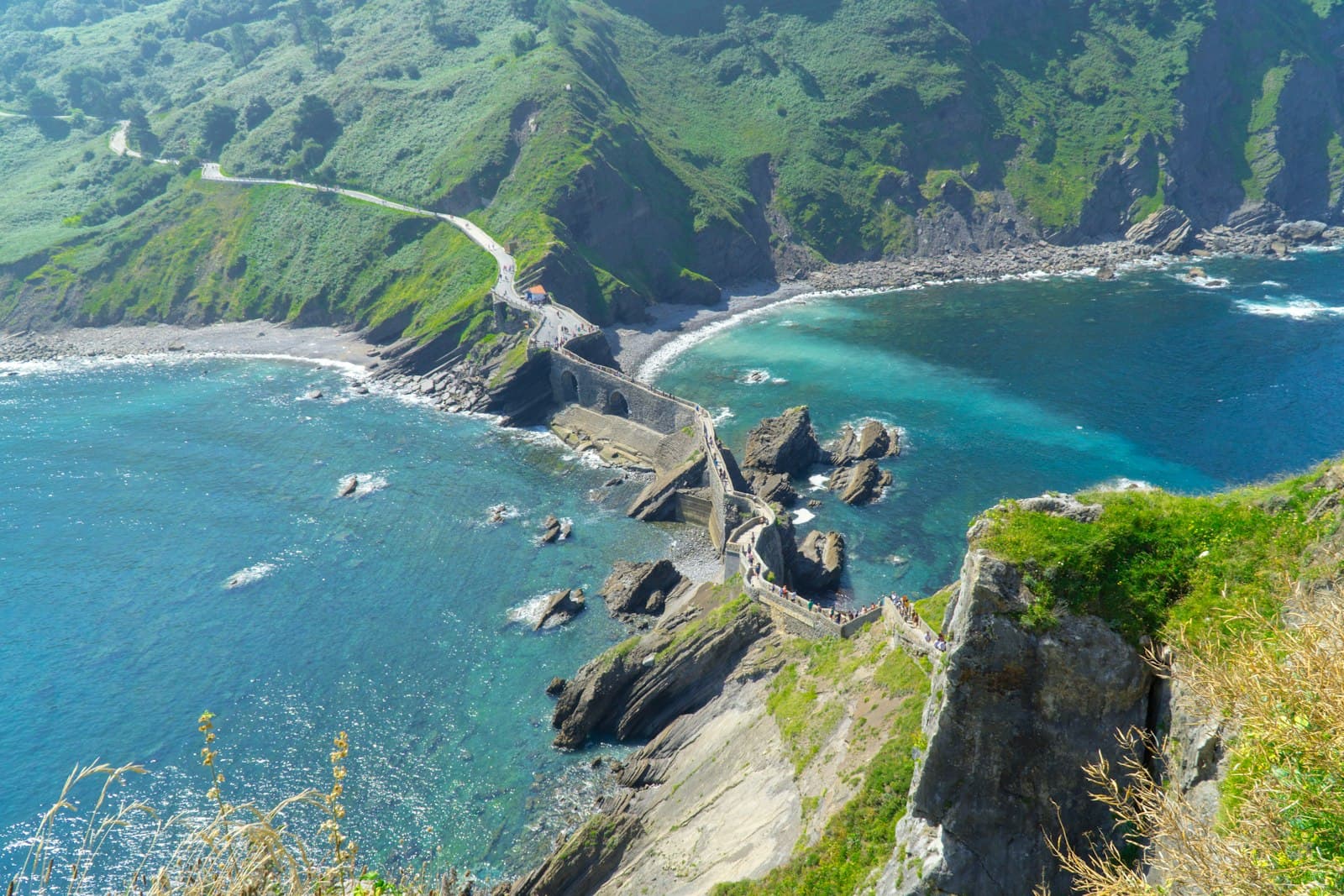
Après avoir gravi les 241 marches menant à l'ermitage, une action spécifique est censée apporter la bonne fortune.
Découvrez tous les secrets de Bermeo
Chaque adresse, chaque révélation en entier — dans ton oreille, là où elle s'est passée.
Tu choisis tes lieux. Tu marches. La voix te révèle ce que les autres ignorent.
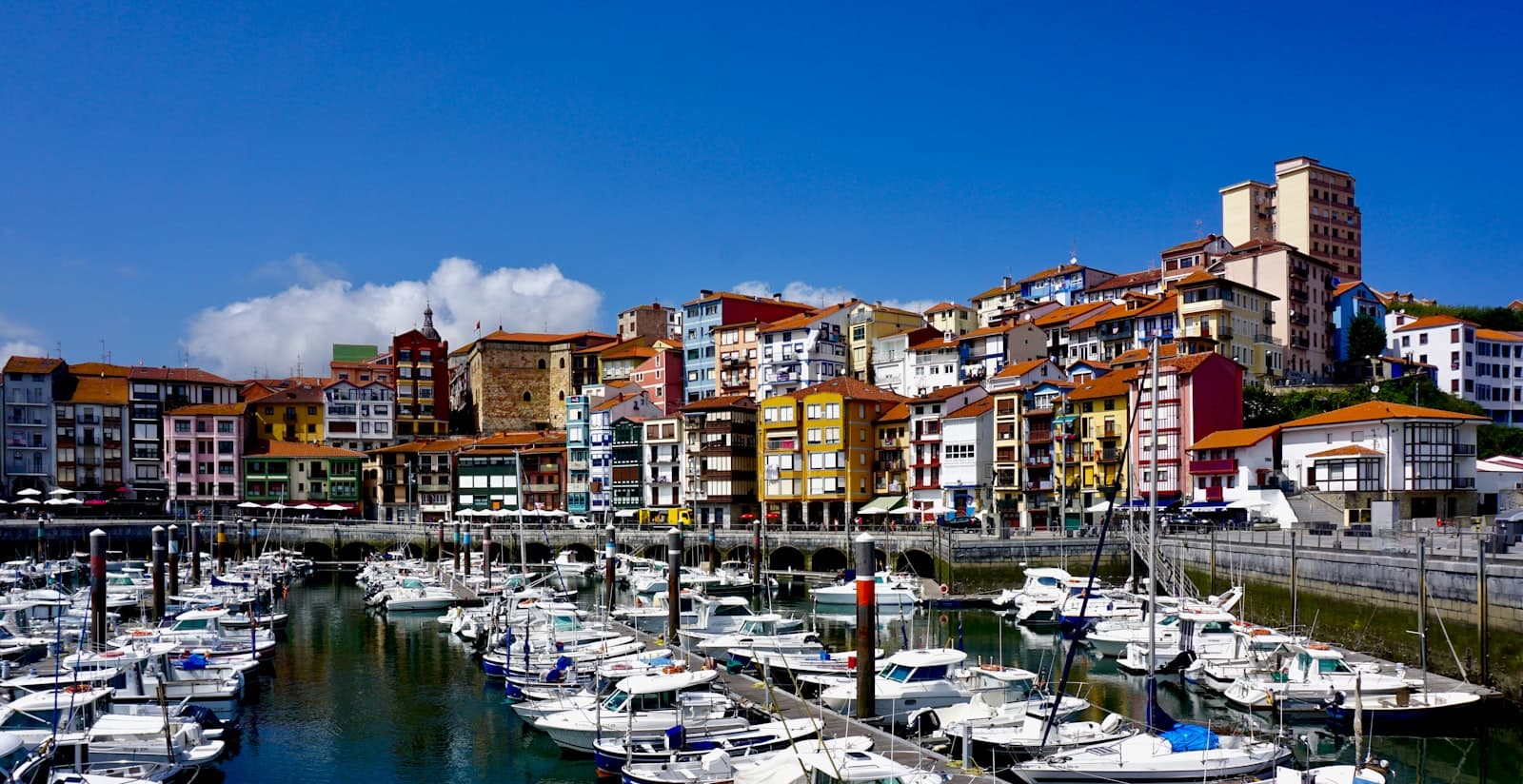
Votre visite audioguidée de Bermeo vous attend — choisissez vos lieux, votre langue, et lancez-vous dès votre arrivée.
AcheterLume intègre un guide en réalité augmentée. Levez votre téléphone : sa caméra montre la rue devant vous, avec une flèche lumineuse posée sur l'image réelle qui pointe toujours vers votre prochain arrêt — aucune carte à déchiffrer, aucun mauvais virage. Comme tout dans Lume, ça fonctionne entièrement hors-ligne.
Bermeo, une ville de pêcheurs sur la côte de Biscaye, au Pays Basque espagnol, offre un mélange captivant de patrimoine maritime et de beauté naturelle spectaculaire. Située dans la Réserve de biosphère d'Urdaibai, un site classé par l'UNESCO, son vieux port coloré et ses rues médiévales invitent à l'exploration. L'identité de la ville est profondément liée à la mer, comme en témoignent son port actif et la fière exposition de ses traditions de pêche.
Au-delà de son charme séduisant, Bermeo sert de porte d'entrée vers certains des sites les plus emblématiques de la côte basque, y compris l'îlot saisissant de San Juan de Gaztelugatxe. Que vous soyez attiré par ses récits historiques, le rythme d'un port de pêche en activité ou les paysages côtiers accidentés, Bermeo offre un aperçu authentique de la vie basque.
La ville est construite sur une pente raide, s'élevant de la mer vers le mont Sollube, offrant de nombreux points de vue avec des panoramas étendus sur le littoral et les îles environnantes. De ses bars à pintxos animés à ses criques tranquilles, Bermeo promet une expérience mémorable pour ceux qui recherchent à la fois l'immersion culturelle et la splendeur naturelle.
## D'un port ancien à une capitale provinciale Les origines de Bermeo sont anciennes, avec des mentions historiques remontant à 1051, faisant référence au monastère de San Juan de Gaztelugatxe. Certaines légendes suggèrent même que son port a été fondé par un descendant de Noé ou par des Romains au 1er siècle av. J.-C. La ville a officiellement obtenu sa charte en 1236, accordée par Don López Díaz II de Haro, Seigneur de Biscaye.
Au Moyen Âge, particulièrement aux XIVe et XVe siècles, Bermeo est devenu un port important, spécialisé dans la pêche et le commerce de marchandises comme la laine castillane et le poisson salé avec les grands ports européens. Sa croissance économique a été renforcée par des privilèges spéciaux et des fueros (lois locales). De 1476 à 1602, Bermeo a détenu le titre estimé de « Cabeza de Vizcaya » (capitale de la Biscaye), témoignage de sa proéminence institutionnelle et économique. Le blason de la ville, représentant un navire poursuivant une baleine, reflète son long héritage maritime, y compris une importante industrie baleinière aux XIVe et XVe siècles.
Cependant, la fondation de Bilbao en 1300 a progressivement entraîné le déclin de l'importance de Bermeo, sa population diminuant considérablement à la fin du XIVe siècle. Bermeo a également subi de nombreux incendies tout au long de son histoire, avec des incidents notables en 1297, 1347, 1360, 1422 et 1504, qui ont détruit de nombreux documents historiques. Malgré ces revers, le XVIIe siècle a vu une prospérité renouvelée grâce à son activité de pêche, conduisant à l'extension des quais et à une industrie de la conserve de poisson florissante. Au XXe siècle, l'activité de pêche s'est industrialisée, et même aujourd'hui, Bermeo reste l'un des ports de pêche les plus importants du Pays Basque.
La ville a également joué un rôle dans la guerre civile espagnole, notamment lors de la bataille du Cap Machichaco en 1937, une bataille navale épique, et la bataille de Sollube. Aujourd'hui, Bermeo continue d'embrasser son héritage maritime, abritant la Capitale Mondiale du Thon, une association promouvant la pêche durable au thon.
Commencez votre exploration par le Vieux Port de Bermeo, un cadre pittoresque avec ses maisons de pêcheurs colorées. Ici, vous pouvez déguster des pintxos et du Txakoli (vin blanc basque) sur les terrasses du front de mer, particulièrement animées le week-end. Ne manquez pas la fontaine « Tres Cantos » du XVIe siècle, la plus ancienne de Biscaye, qui fournissait historiquement de l'eau douce à la ville et aux navires.
Montez du port vers la Vieille Ville de Bermeo, un charmant labyrinthe de rues étroites et de bâtiments médiévaux. La Tour d'Ercilla, une forteresse du XVe siècle, abrite désormais le Musée des Pêcheurs, offrant un aperçu de la profonde connexion de la ville avec la mer. Cherchez le Portal de San Juan, la dernière porte restante des remparts médiévaux de Bermeo.
Pour des vues imprenables, dirigez-vous vers La Tala, un ancien point d'observation des baleines qui sert maintenant de belvédère sur la municipalité, l'île d'Izaro et l'estuaire d'Urdaibai. Un autre excellent endroit est le belvédère sur la route de Mundaka ou la terrasse derrière le Restaurant Cannon. À une courte distance en voiture de Bermeo se trouve San Juan de Gaztelugatxe, un îlot emblématique avec un ermitage relié au continent par un pont de pierre sinueux et 241 marches.
Si le temps le permet, visitez le Parc de Lamera, un centre social avec des cafés et le bâtiment historique du Casino de Bermeo, qui est maintenant un centre culturel. Pour une baignade, la plage d'Aritzatxu offre une petite crique isolée aux eaux claires.
Bermeo offre une expérience agréable toute l'année, mais le meilleur moment pour visiter pour les activités par temps chaud et l'exploration en plein air est de fin juin à début septembre. Pendant ces mois d'été, les températures sont confortables, allant de 20°C à 23°C, avec le moins de précipitations et les ciels les plus clairs.
Le printemps et l'automne offrent également un temps doux et moins de foules, idéal pour explorer les sites historiques et les promenades côtières. Bien que les hivers soient généralement doux, Bermeo connaît des précipitations considérables, surtout en novembre, alors prévoyez un imperméable léger.
Bermeo est facilement accessible en transports en commun depuis Bilbao, avec des services réguliers de bus (Bizkaibus A3515) et de train Euskotren prenant environ une heure. Si vous venez en voiture, un parking est disponible près du port ou en périphérie de la vieille ville, bien que cela puisse être difficile pendant les périodes de pointe. Le vieux quartier de la ville est très agréable à pied, mais préparez-vous à des terrains vallonnés et des rues pavées, des chaussures confortables sont donc indispensables.
L'Office de Tourisme de Bermeo, actuellement situé à Hurtado de Mendoza Kardenala, 14, fournit des informations en basque, espagnol, anglais et français, et peut vous aider avec des visites guidées. Pendant votre séjour à Bermeo, adoptez la coutume locale du txikiteo, qui consiste à passer d'un bar à l'autre pour de petits verres de vin et des pintxos. Les habitants sont réputés pour être amicaux et accueillants, alors n'hésitez pas à engager la conversation.
Bermeo en coréen, en chinois ou en hébreu — et dans 29 autres langues, chaque étape narrée par une voix native. La plus large gamme de langues de tous les audioguides autoguidés.
Disponible en :