Puente Bizkaia
Este Patrimonio de la Humanidad de la UNESCO es más que un puente; es un ballet diario de ingeniería que casi desaparece.
La historia completa se desbloquea en el tour
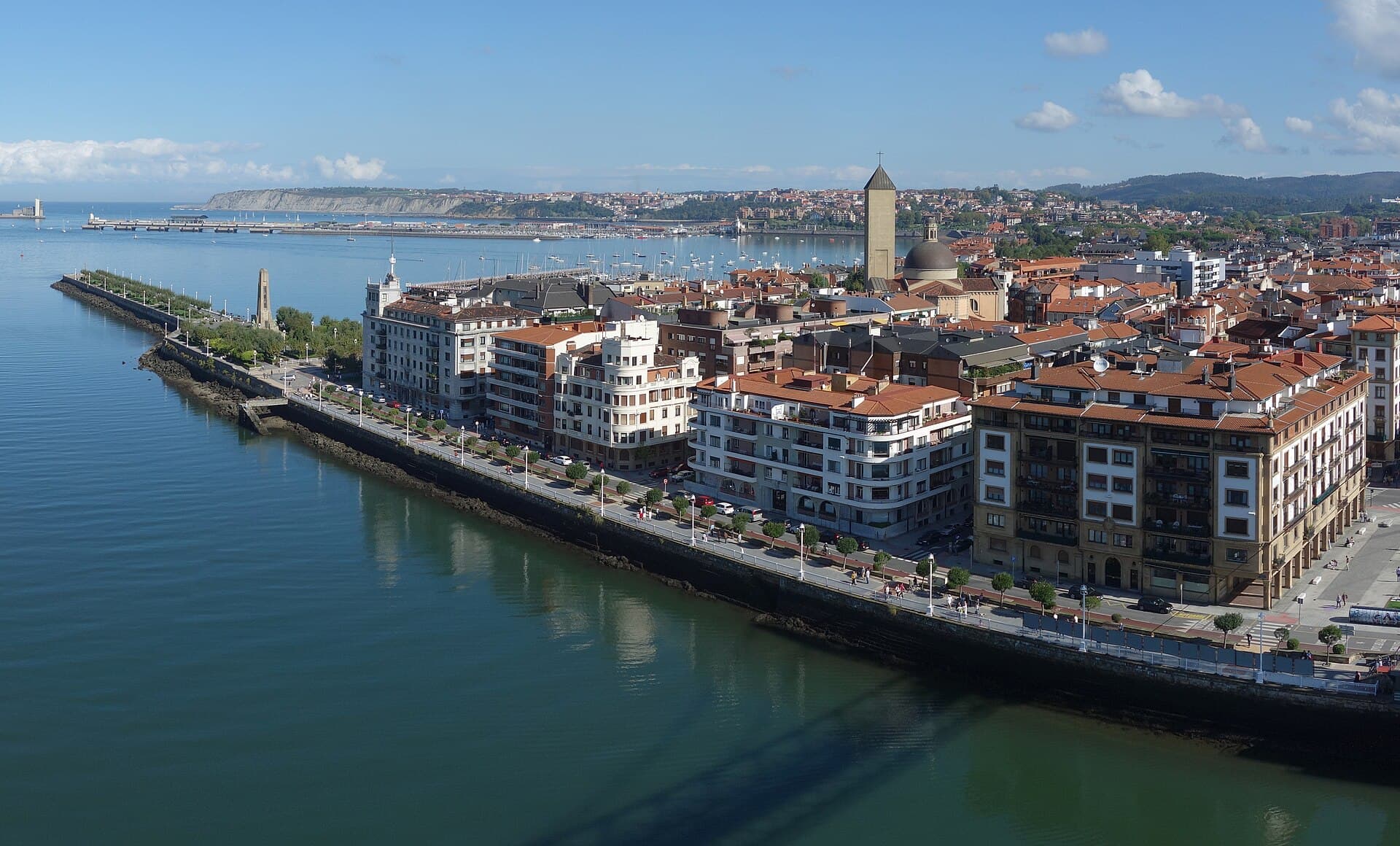 Spike / CC BY-SA 4.0, via Wikimedia Commons
Tour de audio autoguiado de Getxo — ruta GPS a pie, reproducción offline, narración en 32 idiomas.
“Donde el Golfo de Bizkaia respira sus historias antiguas y modernas.”
No las postales. Las historias que ni los locales conocen — al oído, justo donde ocurrieron.
Este Patrimonio de la Humanidad de la UNESCO es más que un puente; es un ballet diario de ingeniería que casi desaparece.
Más allá de sus barcos de pesca y antiguos senderos, este rincón guarda una sorprendente verdad sobre su pasado económico.
Este molino del siglo XVIII se alza como un hito singular, sin embargo, su construcción fue impulsada por una necesidad local bastante desesperada.
Descubre todos los secretos de Getxo
Cada dirección, cada revelación al completo — a tu oído, justo donde ocurrió.
Eliges tus paradas. Caminas. La voz te revela lo que los demás ignoran.


Tu tour de audioguía por Getxo te espera — elige tus lugares, tu idioma y empieza al llegar.
ComprarLume incluye una guía de realidad aumentada. Levanta el móvil y su cámara muestra la calle que tienes delante, con una flecha luminosa sobre la imagen real que siempre apunta a tu próxima parada — sin mapas que descifrar, sin giros equivocados. Como todo en Lume, funciona completamente sin conexión.
Getxo, un cautivador municipio costero en el País Vasco español, ofrece una atractiva mezcla de patrimonio industrial, elegantes zonas residenciales y sorprendentes paisajes naturales. Situado a solo 12 kilómetros de Bilbao, sirve como puerta de entrada al Golfo de Bizkaia, con sus espectaculares acantilados y acogedoras playas. Esta localidad, hogar de aproximadamente 84.000 personas, es conocida por su carácter único, donde la cultura tradicional vasca se entrelaza con una atmósfera refinada.
Dividido en distintos barrios como Algorta, Las Arenas, Neguri, Romo y Andra Mari, Getxo presenta una experiencia diversa. Desde el encanto histórico del antiguo puerto pesquero de Algorta hasta las grandes mansiones de Neguri que alguna vez albergaron a la rica burguesía vasca, cada zona cuenta una parte de la historia de Getxo. El compromiso de la ciudad con la preservación de su identidad es evidente en sus mercados locales, tiendas de artesanía y espacios culturales, ofreciendo a los visitantes una auténtica visión de la vida vasca.
Getxo no es simplemente un lugar para observar; es un destino para experimentar. Su costa ofrece amplias oportunidades para actividades al aire libre, desde surf y vela hasta paseos costeros con amplias vistas al océano. Más allá de su atractivo natural, Getxo mantiene una dinámica escena cultural, albergando festivales internacionales de música y fiestas tradicionales durante todo el año.
Los orígenes de Getxo se remontan al siglo XII como parroquia rural, o elizatea, centrada alrededor de la Iglesia de Getxoko Andra Mari (Santa María de Getxo) en el distrito de Andra Mari. Sus primeros habitantes fueron principalmente agricultores, pastores, molineros y pescadores, siendo el pueblo pesquero de Algorta uno de sus primeros núcleos urbanos. El escudo de la ciudad, que presenta un roble con dos calderos y el proverbio vasco "Kaltea Dagianak Bizarra Lepoan" ("El que hace el mal, la barba a la espalda"), insinúa sus profundas tradiciones y sabiduría local.
El siglo XVIII vio la construcción del Castillo del Príncipe, ahora conocido como Fuerte de La Galea, en 1742, estratégicamente posicionado para defender la ría de Bilbao y sus vitales rutas comerciales. Sin embargo, fue la industrialización del siglo XIX lo que realmente transformó Getxo. A medida que las industrias florecían en la región, particularmente en la cercana Bilbao, Getxo comenzó a evolucionar hacia una codiciada zona residencial para la acomodada burguesía vasca.
Finales del siglo XIX marcaron el desarrollo de nuevos distritos. Las Arenas, que significa "Las Arenas", surgió como un balneario de verano, atrayendo inicialmente a la aristocracia y las clases medias altas con su extensa playa. Sin embargo, la construcción del puerto exterior de Bilbao desvió posteriormente el turismo hacia Algorta, y Las Arenas se transformó en una zona residencial. El icónico Puente Bizkaia, Patrimonio de la Humanidad de la UNESCO, fue inaugurado en 1893, conectando Las Arenas con Portugalete y simbolizando la destreza ingenieril de la época. A principios del siglo XX surgió Neguri, un distrito diseñado como "Ciudad de Invierno" (Neguri en euskera) para familias adineradas, caracterizado por sus grandes palacios y mansiones.
A lo largo del siglo XX, Getxo continuó expandiéndose, con el desarrollo urbano llegando a sus zonas más rurales. La ciudad experimentó un rápido crecimiento demográfico, pasando de aproximadamente 50.000 habitantes a principios de los años 80 a más de 83.000 en la actualidad. Si bien su actividad industrial ha disminuido en gran medida, y la pesca en Algorta se ha convertido más en una actividad turística, Getxo se ha reinventado como un municipio moderno conocido por su alta calidad de vida, su diversa oferta urbana y su continua conexión con su perdurable historia y su cautivador entorno natural. La ciudad también ha albergado la carrera ciclista anual Circuito de Getxo desde 1924 y es conocida por sus tradicionales regatas de traineras vascas.
Getxo ofrece una variedad de lugares de interés, desde maravillas arquitectónicas hasta la belleza natural de la costa. El Puente Bizkaia, Patrimonio de la Humanidad de la UNESCO, invita a la exploración. Como el primer puente transbordador del mundo, conecta Getxo con Portugalete, ofreciendo tanto un cruce funcional a través de su góndola como amplias vistas desde su pasarela superior.
Pasea por el Puerto Viejo de Algorta, un histórico barrio de pescadores con casas encaladas y calles estrechas, solo peatonales, que conservan su carácter antiguo. Cerca, la Playa de Ereaga es una popular playa urbana, de casi un kilómetro de longitud, bordeada por villas y mansiones, y un centro para la vida playera y los deportes acuáticos. Más adelante en la costa, los dramáticos acantilados de Punta Galea ofrecen sorprendentes formaciones geológicas y pintorescos senderos. Aquí, también encontrarás el Molino de Aixerrota, una estructura del siglo XVIII utilizada ahora como espacio de exposiciones para artistas locales.
Para echar un vistazo al pasado acomodado de Getxo, explora las elegantes mansiones y palacios en el barrio de Neguri y a lo largo del Paseo de Las Grandes Villas. El Puerto Deportivo de Getxo ofrece un contraste moderno, con servicios para la navegación a vela y deportes acuáticos, junto con una zona de ocio con restaurantes y tiendas.
La época ideal para visitar Getxo para actividades de clima cálido es desde finales de junio hasta principios de septiembre. Durante estos meses, las temperaturas máximas diarias promedio superan los 21,6 °C (71 °F), siendo agosto el mes más cálido, con un promedio de 24 °C (75 °F) de máximas y 17 °C (62 °F) de mínimas. Julio es típicamente el mes más despejado y tranquilo, con la menor cantidad de lluvia. Este período es perfecto para disfrutar de las playas, los paseos costeros y las comidas al aire libre, así como para asistir a festivales de verano como GetxoJazz y Getxo Folk.
Getxo está bien conectado y es fácil de navegar. Desde el Aeropuerto de Bilbao (Loiu), puedes llegar a Getxo tomando el Bizkaibus A3247 hasta el centro de Bilbao y luego haciendo transbordo a la Línea 1 de Metro Bilbao en dirección a Plentzia. La Línea 1 de Metro Bilbao conecta Getxo con el centro de Bilbao en aproximadamente 25 minutos, con trenes que pasan cada pocos minutos. Varias líneas de autobús también sirven a Getxo, incluyendo rutas desde y hacia Bilbao.
Dentro de Getxo, el transporte público es eficiente, con cinco estaciones de metro y una extensa red de bidegorris (rutas para vehículos no motorizados) para ciclistas. La ciudad es apta para peatones, con muchas atracciones a poca distancia. Para quienes conducen, hay aparcamientos disponibles. La Oficina de Turismo de Getxo, situada en la playa de Ereaga, proporciona información completa en varios idiomas y puede ayudar con visitas guiadas y actividades.
Getxo en coreano, en chino o en hebreo — y 29 idiomas más, cada parada narrada por una voz nativa. La mayor variedad de idiomas de cualquier audioguía autoguiada.
Disponible en: