Biblioteca Pública de la Comunidad de Chetco
Un símbolo de reconciliación, presentado por un adversario de guerra, descansa en la biblioteca local.
La historia completa se desbloquea en el tour
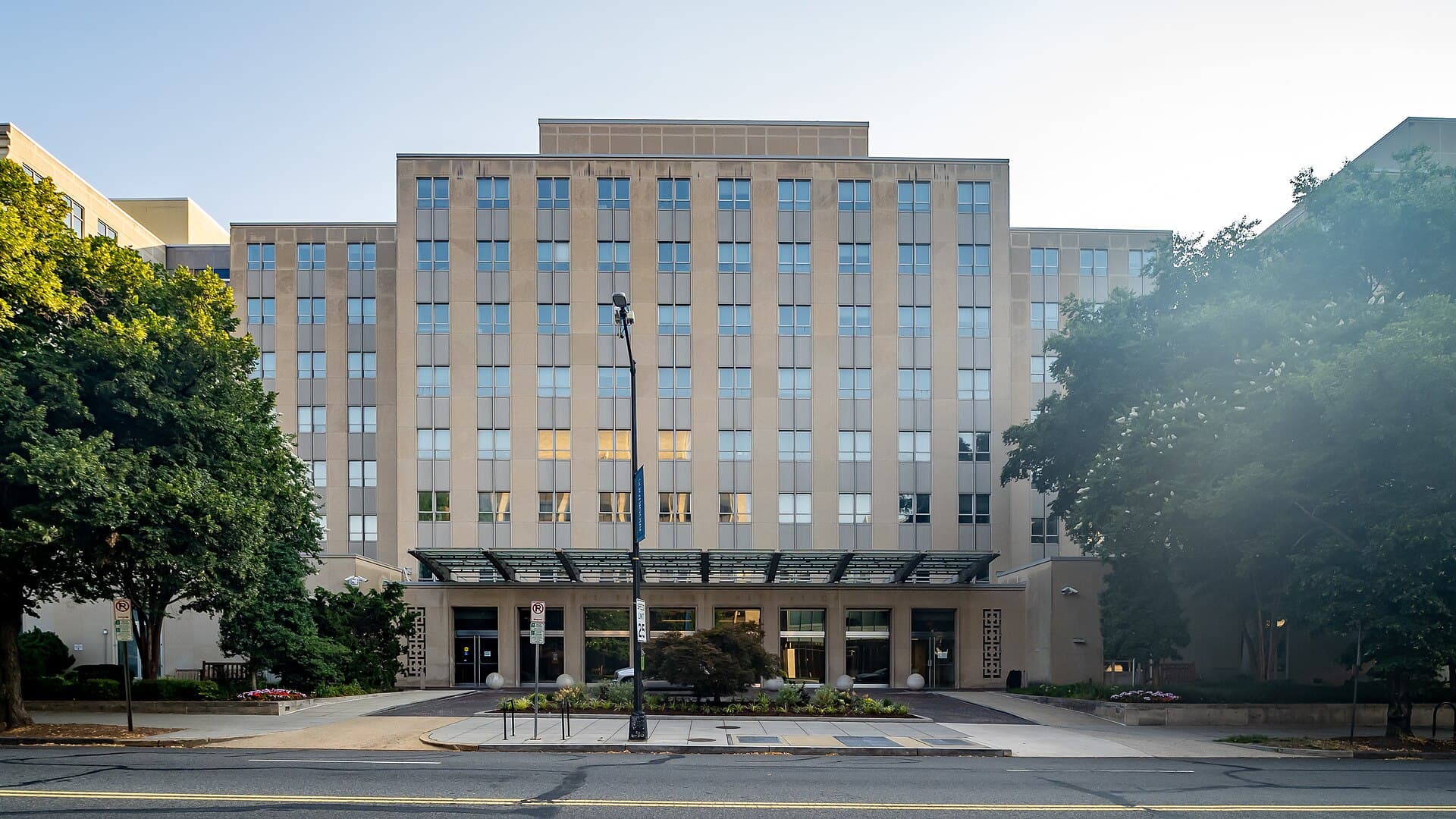 ajay_suresh / CC BY 2.0, via Wikimedia Commons
Tour de audio autoguiado de Brookings — ruta GPS a pie, reproducción offline, narración en 32 idiomas.
“Donde el Pacífico se encuentra con las antiguas secuoyas y la historia se despliega a plena vista.”
No las postales. Las historias que ni los locales conocen — al oído, justo donde ocurrieron.
Un símbolo de reconciliación, presentado por un adversario de guerra, descansa en la biblioteca local.
El único lugar en el territorio continental de EE. UU. en experimentar un bombardeo aéreo enemigo durante la Segunda Guerra Mundial no fue Pearl Harbor.
Un desastre natural sacó a la luz evidencia de un asentamiento de 2,000 años de antigüedad.
Descubre todos los secretos de Brookings
Cada dirección, cada revelación al completo — a tu oído, justo donde ocurrió.
Eliges tus paradas. Caminas. La voz te revela lo que los demás ignoran.


Tu tour de audioguía por Brookings te espera — elige tus lugares, tu idioma y empieza al llegar.
ComprarBrookings, Oregón, es una ciudad costera donde la belleza salvaje del Pacífico se encuentra con la antigua grandeza de los bosques de secuoyas. Situada a solo seis millas al norte de la frontera con California, en la desembocadura del río Chetco, Brookings ofrece una mezcla singular de costa accidentada, exuberante vegetación y un clima sorprendentemente templado. Conocida como el 'Cinturón de Plátano de Oregón' debido al 'Efecto Chetco', que trae temperaturas más cálidas durante todo el año, es un paraíso para los entusiastas del aire libre y aquellos que buscan un escape tranquilo.
Más allá de su atractivo natural, Brookings tiene una historia fascinante, desde sus orígenes como pueblo maderero hasta su inesperado papel en la Segunda Guerra Mundial. Es un lugar donde el pasado se conserva en museos y monumentos locales, y donde florece un espíritu de resiliencia y comunidad. Ya sea que uno se sienta atraído por los dramáticos farallones marinos, las serenas actividades fluviales o las abundantes floraciones de una granja de lirios de Pascua, Brookings ofrece una experiencia distintiva en la costa de Oregón que a menudo pasa desapercibida para el viajero ocasional.
## De pueblo maderero a 'Cinturón de Plátano' La historia de Brookings comienza a principios del siglo XX como una ciudad de empresa, fundada en 1908 por la Brookings Timber Company, y nombrada en honor a su presidente, John E. Brookings. La empresa contrató al renombrado arquitecto Bernard Maybeck para trazar el diseño inicial de las calles de la ciudad. La economía de la zona prosperó inicialmente con la madera y la pesca comercial, con la Brookings Lumber and Box Company estableciendo un aserradero y un puerto de aguas profundas.
Sin embargo, la ciudad enfrentó tiempos difíciles cuando las operaciones madereras cesaron en 1925, causando una disminución significativa de la población. Una nueva industria surgió en la década de 1930 con la introducción del cultivo de bulbos de lirio de Pascua, que rápidamente se convirtió en la piedra angular de la economía local. Hasta el día de hoy, el área de Brookings produce un asombroso 90-95% de los bulbos de lirio de Pascua del mundo.
Brookings ganó atención nacional durante la Segunda Guerra Mundial cuando, el 9 de septiembre de 1942, un hidroavión japonés lanzado desde un submarino arrojó bombas incendiarias sobre Mount Emily, convirtiéndolo en el único sitio en el territorio continental de EE. UU. en experimentar un bombardeo aéreo enemigo. Décadas después, en un notable acto de reconciliación, el piloto, Nobuo Fujita, fue invitado a Brookings en 1962 y le entregó a la ciudad la espada samurái de 400 años de antigüedad de su familia como símbolo de paz.
La construcción de la autopista 101 después de la Segunda Guerra Mundial resultó vital para Brookings, transformándola en un destino popular. En 2011, el Puerto de Brookings Harbor sufrió graves daños por las marejadas del tsunami, que, a pesar de la devastación, descubrieron evidencia de una aldea india Chetco de 2,000 años de antigüedad, lo que llevó a la creación de un monumento en honor a los primeros habitantes de la región. Hoy en día, Brookings es la ciudad más grande del Condado de Curry, conocida por su clima templado, su belleza natural y un fuerte sentido de comunidad.
Comience su exploración en el Parque Estatal Harris Beach, donde los dramáticos farallones marinos y una amplia playa de arena ofrecen oportunidades para explorar pozas de marea, observar aves (especialmente frailecillos con cresta en Bird Island) y avistar ballenas durante las temporadas de migración. Justo al norte de Brookings, el Corredor Escénico Estatal Samuel H. Boardman presenta un tramo de doce millas de costa con miradores icónicos como Natural Bridges y Arch Rock, así como acceso a lugares apartados como Secret Beach e Indian Sands.
Para una dosis de historia local, visite el Museo de la Sociedad Histórica del Valle de Chetco, ubicado en la vivienda más antigua del valle, una antigua estación de diligencias de 1857. No se pierda la Biblioteca Pública de la Comunidad de Chetco para ver la espada samurái de Nobuo Fujita, un artefacto singular de reconciliación en tiempos de guerra. Sumérjase en las vívidas exhibiciones florales de Azalea Park, especialmente durante las floraciones primaverales o el festivo espectáculo de luces navideñas en diciembre. Para un paseo entre gigantes, diríjase al Sendero de las Secuoyas de Oregón o al cercano Parque Estatal Alfred A. Loeb para experimentar los bosques de secuoyas de crecimiento antiguo. El Puerto de Brookings Harbor es un centro para charters de pesca, tours de avistamiento de ballenas y restaurantes frente al mar.
Brookings disfruta de un clima templado y notablemente suave durante todo el año, a menudo llamado el 'Cinturón de Plátano de Oregón', con temperaturas invernales promedio entre 15 y 20 grados Celsius. Esto lo convierte en un destino ideal para actividades al aire libre durante todo el año. La primavera es particularmente animada con la floración de lirios de Pascua, rododendros y azaleas. El verano ofrece un clima agradable para playas y deportes acuáticos, mientras que el otoño brinda oportunidades para la pesca de salmón y trucha. El avistamiento de ballenas es popular de enero a marzo y nuevamente de junio a mediados de noviembre. Para una experiencia festiva, visite en diciembre para el Nature's Coastal Holiday Light Show en Azalea Park.
Brookings está situada en la costa sur de Oregón, aproximadamente a seis millas al norte de la frontera con California, accesible a través de la autopista 101. Los aeropuertos principales más cercanos son el Aeropuerto Internacional Rogue Valley-Medford (MFR) al este o el Aeropuerto de Crescent City (CEC) justo al sur en California. Si bien un encantador centro ofrece restaurantes y tiendas, un automóvil es esencial para explorar el área más amplia, incluidos los parques estatales y los corredores escénicos. Los alojamientos van desde hoteles y moteles hasta parques de casas rodantes y alquileres vacacionales, particularmente alrededor del Puerto de Brookings Harbor. Asegúrese de consultar las tablas de mareas si planea explorar pozas de marea o áreas específicas de la playa, ya que muchas formaciones se ven mejor con la marea baja. Empaque capas, ya que el clima costero puede cambiar rápidamente, incluso con el clima templado de Brookings.
Brookings en coreano, en chino o en hebreo — y 29 idiomas más, cada parada narrada por una voz nativa. La mayor variedad de idiomas de cualquier audioguía autoguiada.
Disponible en: