Cerro Uritorco
This peak is not just a geological formation; it is a magnet for otherworldly encounters.
Full story unlocks in the tour
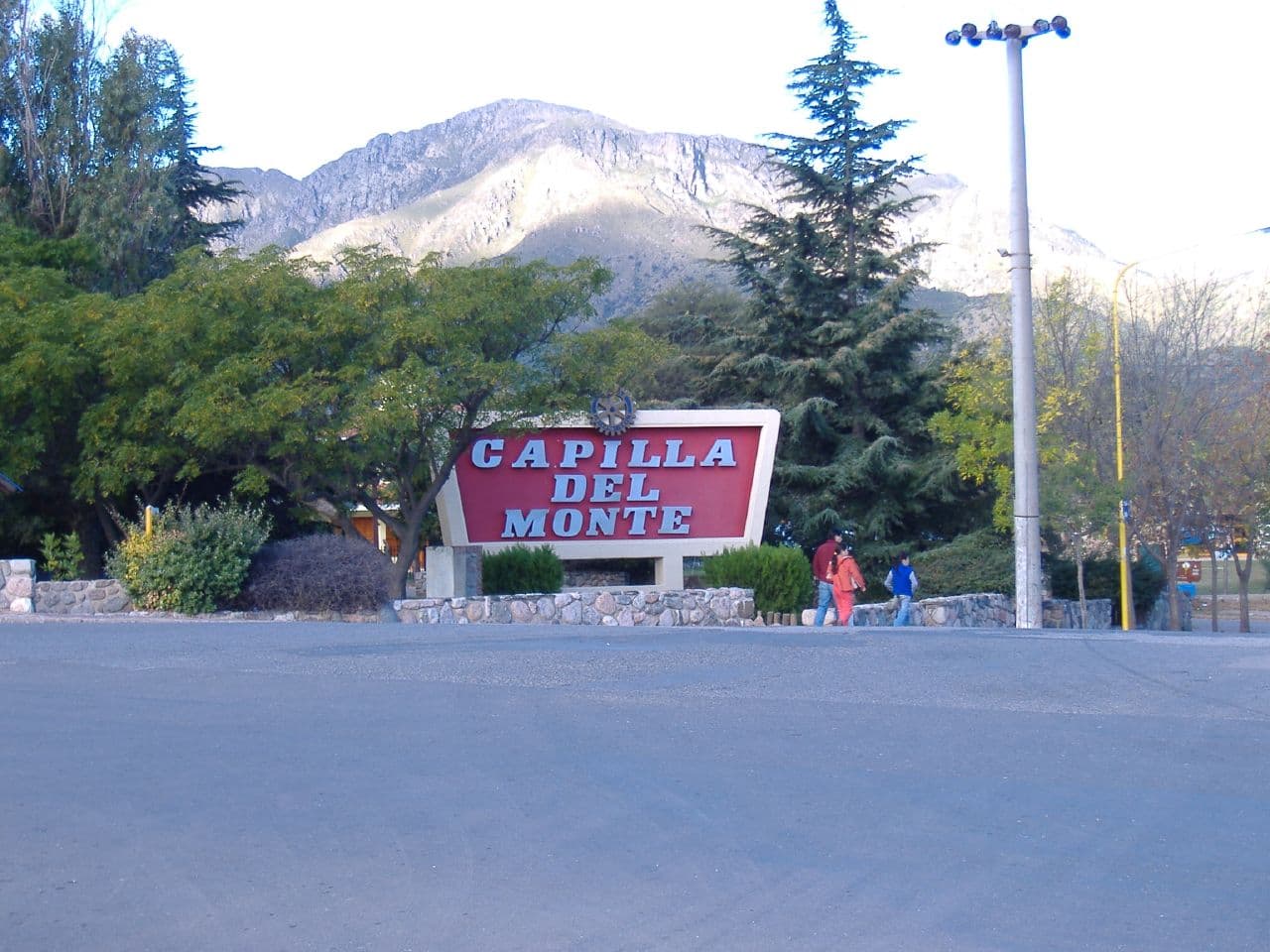 Unknown author / CC BY-SA 2.0, via Wikimedia Commons
Self-guided audio walking tour of Capilla del Monte — GPS route, offline playback, story-driven narration in 32 languages.
“Where ancient energies encounter cosmic mysteries.”
Not the postcards. The stories even locals don't know — whispered in your ear, right where they happened.
This peak is not just a geological formation; it is a magnet for otherworldly encounters.
Capilla del Monte features a singular architectural element, the only one of its kind in South America.
A peculiar rock formation here has a surprisingly practical origin story.
Discover every secret of Capilla del Monte
Every address, every reveal in full — in your ear, right where it happened.
You pick your stops. You walk. The voice reveals what the others miss.


Your self-guided audio tour of Capilla del Monte is ready — pick your landmarks, choose your language, and start the moment you arrive.
BuyLume has a built-in augmented-reality guide. Hold your phone up and its camera shows the street ahead of you, with a glowing arrow laid over the real view that always points to your next stop — no map to puzzle over, no wrong turns. Like everything in Lume, it works fully offline.
Capilla del Monte, situated in the Sierras Chicas mountain range of Argentina's Córdoba province, is a town that captivates with its blend of natural splendor and enigmatic allure. Its name, meaning 'Chapel of the Mountain,' hints at the spiritual energy many visitors perceive here. The town serves as a gateway to the majestic Cerro Uritorco, a peak veiled in narratives of UFOs and mystical phenomena, drawing spiritual seekers and curious travelers alike.
Beyond its reputation as a UFO hotspot, Capilla del Monte offers a serene escape with a lively local culture. The town's relaxed atmosphere, coupled with its natural surroundings, provides ample opportunities for outdoor activities and quiet contemplation. From exploring singular rock formations to strolling along its distinctive covered street, Capilla del Monte invites visitors to uncover its many layers.
Capilla del Monte's origins trace back to October 30, 1585, when Lucía González Jaimes, daughter of Spanish conqueror Bartolomé Jaimes, inherited these lands, marking the town's founding date. Between 1695 and 1719, Captain Antonio de Ceballos oversaw the construction of the area's first chapel, which ultimately gave the city its enduring name, 'Chapel on the Hill.'
The town's urban core began to take shape in 1824, with San Antonio de Padua becoming its patron saint. A significant period of development occurred in 1878 when German-Argentine scientist Adolf Döring acquired a ranch and played a pivotal role in planning the city center and establishing a sewage system, earning him recognition as the founder of modern Capilla del Monte. This era saw the construction of many beautiful old houses, contributing to the town's architectural character.
The mid-20th century brought further growth, with new businesses and a rising population. The Los Alazanes Dam, built between 1939 and 1941, was crucial in providing water for the expanding community, particularly during the busy summer tourist season. However, a pivotal moment in Capilla del Monte's modern history occurred on January 9, 1986. An alleged UFO landing on Mount Pajarillo, witnessed by an 11-year-old boy, left a dark, circular footprint measuring 100 meters in diameter, known as the 'Huella del Pajarillo.' While some believe this event was staged, it profoundly altered the town's identity, transforming Capilla del Monte into a recognized center for alleged paranormal phenomena and UFO sightings, a reputation that continues to draw visitors from around the world.
Capilla del Monte offers a range of attractions that blend natural wonders with its unique mystical reputation. A visit to Cerro Uritorco is essential, whether for hiking its trails to a summit that offers expansive views of the Punilla Valley or for simply soaking in the mountain's reputed energetic fields. The hike is considered moderately difficult and typically takes 5 to 6 hours round trip. For those interested in the town's extraterrestrial connections, the UFO Information Center provides insights into local legends and sightings.
Stroll along the Calle Techada, South America's only roofed street, which now hosts artisan markets and cultural events. Another distinctive natural landmark is El Zapato, a fascinating rock formation shaped like a giant shoe, which was a sacred gathering place for the Comechingones indigenous people. The Balneario La Toma, located at the foot of Cerro Uritorco, provides a refreshing escape with its natural pools and waterfalls formed by the Calabalumba River. For a glimpse into the region's ancient past, consider a visit to Pueblo Encanto, a 14-hectare property featuring a Mudejar-style castle completed in 1927 and the world's largest guitar-shaped stage. Additionally, the Los Terrones Park (Quebrada de la Luna), located about 14 km from town, showcases unusual, reddish sandstone formations dating back 180 million years and possesses a singular microclimate.
Capilla del Monte experiences a subtropical highland climate with pleasant summers and cool, drier winters. The best time for general outdoor activities and warm-weather pursuits is from late October to late March, with a peak in early February. During these months, temperatures are comfortable, ranging from 19°C to 27°C, with moderate rainfall. January and February are the high season, with the town active with tourists, so booking accommodations and tours in advance is advisable. While July and August are colder, temperatures remain moderate, averaging between 10-17°C, and snowfalls are uncommon.
Capilla del Monte is located in the northern part of the Punilla Valley in Córdoba province, approximately three hours north of Córdoba Capital. It can be reached by car via Ruta Nacional 38 and Provincial Road E55, or by bus from major Argentine cities. The local currency is the Argentine Peso. Like many traditional towns in Argentina, Capilla del Monte observes a siesta, with most shops and some cafes closing between 1:00 PM and 5:00 PM. When hiking, particularly on Cerro Uritorco, be prepared for temperature changes; even on warm days, the wind at higher elevations can be surprisingly cold, so a light windbreaker is recommended. Cerro Uritorco is on private land and requires a fee to climb, with a strict cut-off time of 11 AM for starting the hike.
Capilla del Monte in Korean, in Chinese or in Hebrew — and 29 more languages, every stop narrated by a native voice. The widest language range of any self-guided audio tour.
Available in: