Cable Carril La Mejicana
Esta proeza de la ingeniería una vez transportó metales preciosos montaña abajo, pero su creación tuvo un sorprendente costo humano.
La historia completa se desbloquea en el tour
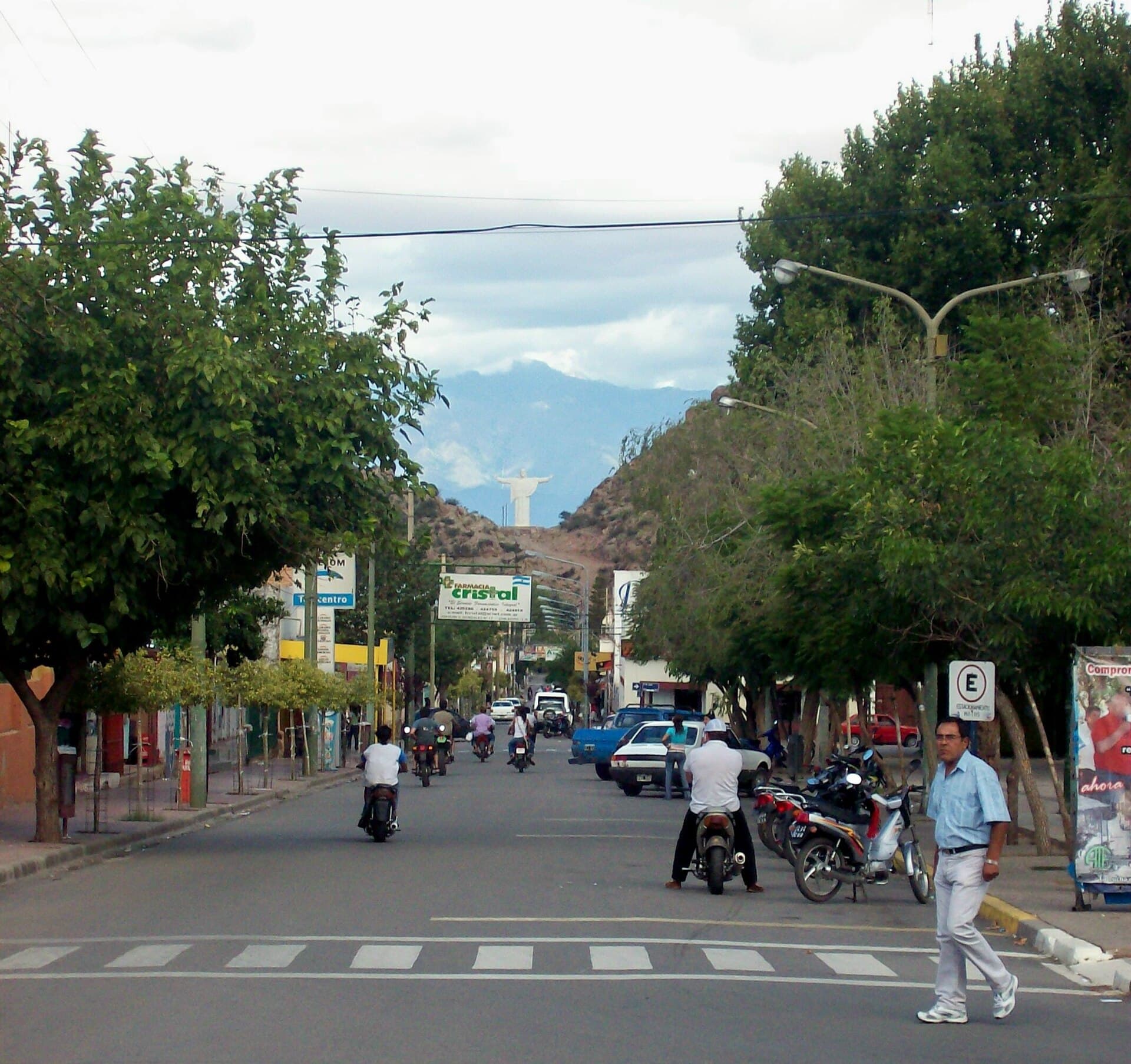 Roberto Fiadone / CC BY-SA 3.0, via Wikimedia Commons
Tour de audio autoguiado de Chilecito — ruta GPS a pie, reproducción offline, narración en 32 idiomas.
“Donde las montañas susurran oro y las uvas prosperan bajo un sol desértico.”
No las postales. Las historias que ni los locales conocen — al oído, justo donde ocurrieron.
Esta proeza de la ingeniería una vez transportó metales preciosos montaña abajo, pero su creación tuvo un sorprendente costo humano.
Una serena 'casa de descanso' con una herencia literaria, sus orígenes brotan de un vínculo inesperado.
El nombre de la ciudad, 'Pequeño Chile', sugiere una significativa migración histórica, aunque no por las razones que uno podría imaginar inicialmente.
Descubre todos los secretos de Chilecito
Cada dirección, cada revelación al completo — a tu oído, justo donde ocurrió.
Eliges tus paradas. Caminas. La voz te revela lo que los demás ignoran.


Tu tour de audioguía por Chilecito te espera — elige tus lugares, tu idioma y empieza al llegar.
ComprarLume incluye una guía de realidad aumentada. Levanta el móvil y su cámara muestra la calle que tienes delante, con una flecha luminosa sobre la imagen real que siempre apunta a tu próxima parada — sin mapas que descifrar, sin giros equivocados. Como todo en Lume, funciona completamente sin conexión.
Chilecito, la segunda ciudad más grande de la provincia de La Rioja, Argentina, se asienta en un valle entre las Sierras de Velasco al este y las imponentes Sierras de Famatina al oeste. Fundada en 1715 como Villa Santa Rita, su identidad se entrelazó profundamente con la minería a fines del siglo XIX y principios del XX, atrayendo a buscadores de oro y trabajadores de toda la Cordillera de los Andes. Hoy, la ciudad ofrece una mezcla de su pasado industrial y un próspero presente agrícola, particularmente reconocida por sus viñedos, olivares y plantaciones de nogales.
La ciudad sirve como un punto estratégico a lo largo de la legendaria Ruta 40, abriendo un camino a paisajes dramáticos y una singular herencia cultural. Los viajeros pueden explorar los vestigios de su auge minero, adentrarse en las tradiciones vitivinícolas de la región y experimentar el distintivo clima subtropical árido que moldea su carácter. Con una población que supera los 58.000 habitantes, Chilecito mantiene una atmósfera acogedora, invitando a los visitantes a descubrir sus capas de historia y encanto natural.
El área donde hoy se asienta Chilecito tiene una historia que se remonta a tiempos prehispánicos, sirviendo una vez como una antigua lechería inca y habitada por los Diaguitas, un 'pueblo montañés' conocido por su agricultura, cultivos en terrazas y cerámica intrincada. La colonización española comenzó en el siglo XVII, con un énfasis en la producción mineral. La ciudad misma fue establecida formalmente el 19 de febrero de 1715 por Domingo de Castro y Bazán, inicialmente nombrada Villa Santa Rita.
Fines del siglo XIX y principios del XX marcaron un período transformador para Chilecito, ya que emergió como un centro minero crucial en Argentina. Esta era vio una significativa migración de mineros chilenos, o 'pirquineros', atraídos por los abundantes depósitos de oro de la región, lo que finalmente llevó a que la ciudad fuera conocida coloquialmente como 'Chilecito' o 'Pequeño Chile'. El auge minero impulsó increíbles proezas de ingeniería, la más notable la construcción del Cable Carril La Mejicana.
Completado en 1904, el Cable Carril fue un teleférico construido por una empresa alemana, Bleichert, para transportar oro, plata y cobre desde la mina La Mejicana, en lo alto de las Sierras de Famatina a 4.600 metros, hasta la estación de tren de Chilecito. Este sistema de 35 kilómetros de largo, con sus 260 torres y nueve estaciones, fue considerado uno de los más largos y altos de su tipo en el mundo en ese momento. Los minerales extraídos se enviaban luego a Rosario y de allí a Europa. Las operaciones cesaron alrededor de 1927, y el sistema fue desmantelado en 1929 después de un accidente fatal, aunque los mineros locales continuaron usando partes de él hasta la década de 1930. Hoy, el Cable Carril es un Monumento Histórico Nacional, un testimonio del pasado industrial de Chilecito y la inventiva de su gente.
La atracción más icónica de Chilecito es el Cable Carril La Mejicana, una extraordinaria proeza de ingeniería de principios del siglo XX. Este teleférico, que una vez se utilizó para transportar minerales desde la mina La Mejicana en las Sierras de Famatina, se extiende por 35 kilómetros y asciende más de 3.300 metros. Los visitantes pueden explorar la primera estación, que alberga el Museo del Cable Carril (Museo Dr. Santiago Bazán), exhibiendo piezas originales, maquinaria y documentos de este importante período industrial. El museo está ubicado cerca de la Estación de Tren Belgrano, donde una vez se cargaban los minerales para su transporte.
Otro sitio significativo es Samay Huasi, que significa 'casa de descanso' en quechua. Esta histórica finca, que una vez fue propiedad del prominente educador argentino Joaquín V. González, ahora funciona como museo y refugio para el personal universitario. Presenta el Museo 'Mis Montañas' con colecciones arqueológicas, minerales y de flora y fauna regional, así como efectos personales y manuscritos de González. La Pinacoteca Antonio Alice, una galería de arte que exhibe artistas argentinos, también forma parte de Samay Huasi.
Más allá de estos hitos históricos, Chilecito está rodeado por una próspera región vitivinícola. Los visitantes pueden explorar bodegas locales y aprender sobre la producción de vinos, especialmente la variedad Torrontés Riojano. La ciudad también ofrece acceso a atracciones naturales como la Cuesta de Miranda, una pintoresca ruta de cornisa con impresionantes formaciones rocosas de color rojo intenso. Otros puntos de interés incluyen el Mirador Cristo del Portezuelo para vistas panorámicas, y el Museo Molino de San Francisco, que presenta la historia y cultura local.
Chilecito experimenta un clima subtropical árido, caracterizado por veranos cálidos e inviernos cortos, secos y frescos. Las temperaturas suelen oscilar entre 5°C (41°F) y 31°C (88°F) durante todo el año. Las épocas más agradables para actividades de clima cálido y turismo en general son desde mediados de enero hasta finales de abril y desde finales de septiembre hasta finales de diciembre, con un pico a finales de marzo. Las precipitaciones son escasas y ocurren principalmente de diciembre a marzo, a menudo como tormentas eléctricas, mientras que agosto es el mes más seco. Los meses de invierno (mayo a agosto) pueden traer notables diferencias de temperatura día-noche y frecuentes heladas nocturnas, con ocasionales nevadas ligeras. La primavera (a partir de mediados de agosto) ve un aumento de las temperaturas, y el verano (diciembre a febrero) puede experimentar olas de calor que superan los 40°C (104°F).
Chilecito se encuentra en la provincia de La Rioja, Argentina. La moneda local es el Peso Argentino, y las tarjetas de crédito son ampliamente aceptadas. Si bien el español es el idioma oficial, en la región se habla el español rioplatense, un dialecto distintivo.
Las opciones de alojamiento en Chilecito van desde hoteles y apart-hoteles hasta cabañas y hostales. Es aconsejable reservar con antelación, especialmente durante las temporadas altas. Para comer, Chilecito ofrece una variedad de restaurantes locales. La ciudad es una parada en la Ruta 40, lo que la hace accesible por carretera. Para quienes llegan desde más lejos, conectarse a través de la ciudad de La Rioja y luego tomar un autobús o un coche es una ruta común. Al explorar el Cable Carril o la mina La Mejicana, considere contratar un guía local, ya que algunos caminos pueden ser desafiantes.
Chilecito en coreano, en chino o en hebreo — y 29 idiomas más, cada parada narrada por una voz nativa. La mayor variedad de idiomas de cualquier audioguía autoguiada.
Disponible en: