White Bluff
Demopolis surge de un espectacular acantilado de tiza, pero sus colonos franceses originales casi pasaron por alto esta impresionante característica.
La historia completa se desbloquea en el tour
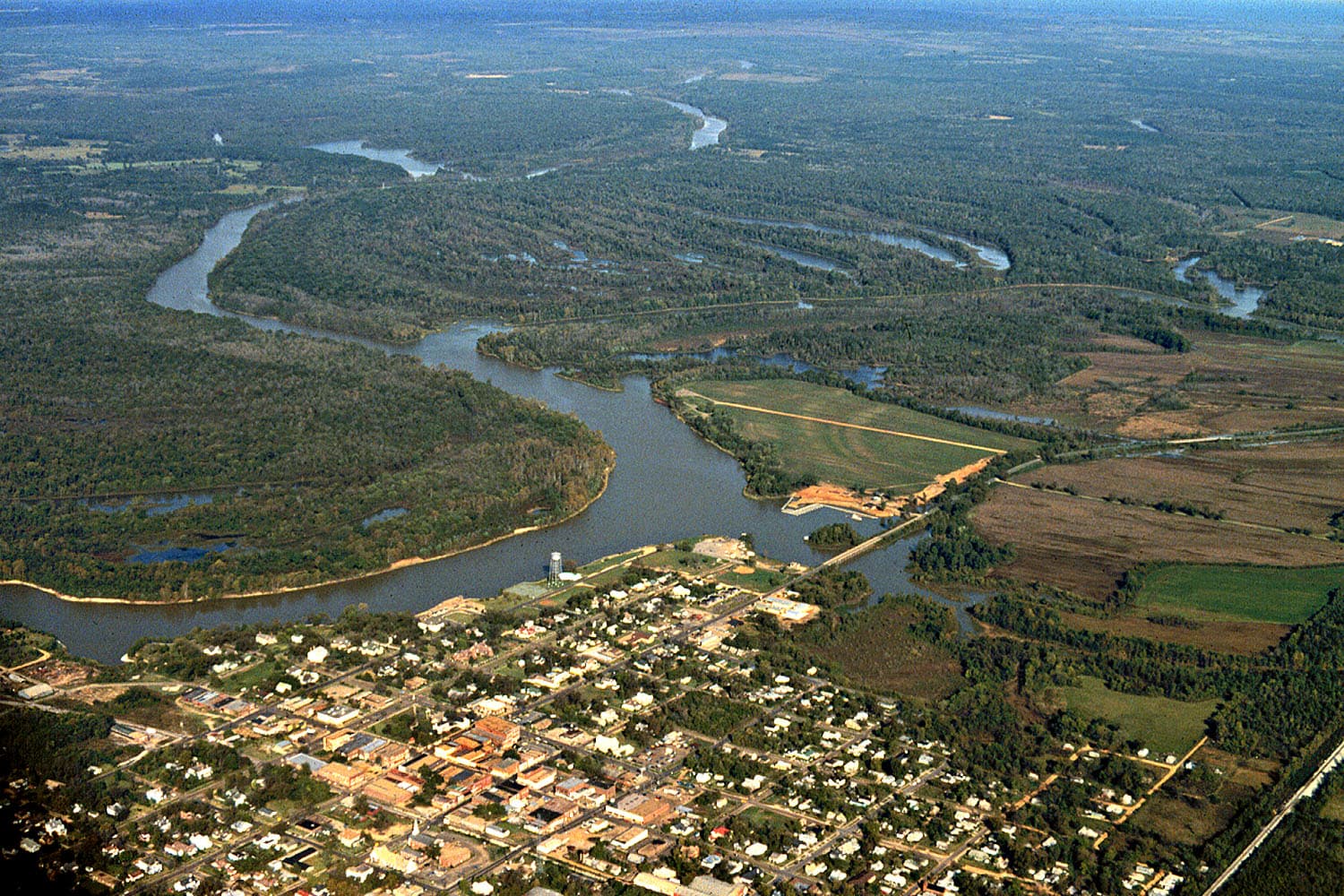
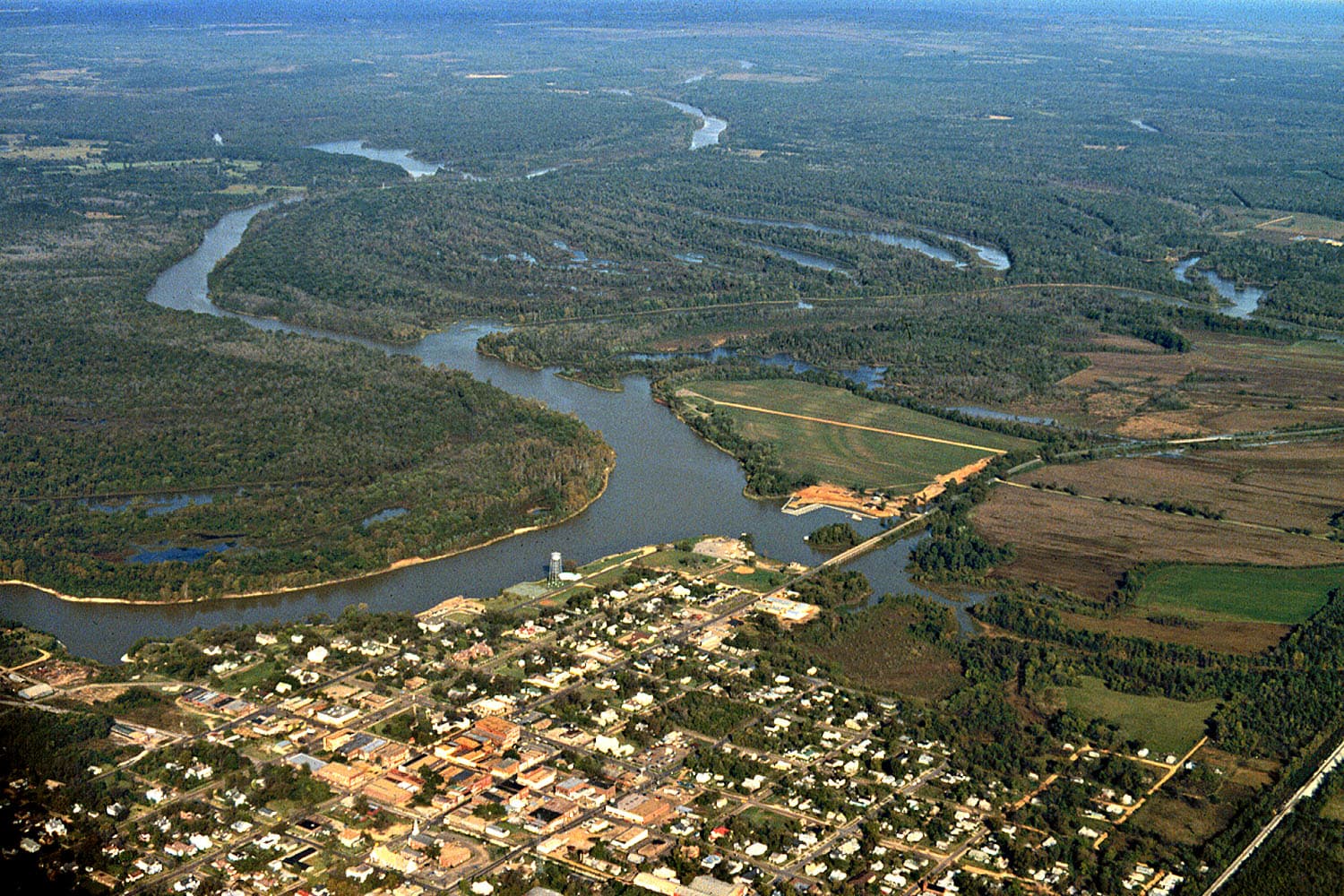 Adrien Lamarre, U.S. Army Corps of Engineers / Public domain, via Wikimedia Commons
Tour de audio autoguiado de Demopolis — ruta GPS a pie, reproducción offline, narración en 32 idiomas.
“Donde los sueños franceses se encontraron con el suelo sureño, y la historia resuena en la grandeza del Renacimiento Griego.”
No las postales. Las historias que ni los locales conocen — al oído, justo donde ocurrieron.
Demopolis surge de un espectacular acantilado de tiza, pero sus colonos franceses originales casi pasaron por alto esta impresionante característica.
El mismo terreno que ocupa Demopolis habla de una maravilla natural densa, casi impenetrable.
Un edificio histórico en Demopolis ha servido como iglesia, juzgado y teatro de ópera, todo antes de adquirir su nombre distintivo.
Descubre todos los secretos de Demopolis
Cada dirección, cada revelación al completo — a tu oído, justo donde ocurrió.
Eliges tus paradas. Caminas. La voz te revela lo que los demás ignoran.
Tu tour de audioguía por Demopolis te espera — elige tus lugares, tu idioma y empieza al llegar.
ComprarDemopolis, Alabama, es una ciudad con una historia tan profunda y estratificada como el fértil suelo de Black Belt que la alberga. Ubicada en la confluencia de los ríos Black Warrior y Tombigbee, esta ciudad del centro-oeste de Alabama fue fundada por un grupo de expatriados franceses en 1817. Bonapartistas exiliados y otros refugiados franceses, huyendo de las secuelas del imperio de Napoleón y la Revolución Haitiana, buscaron establecer una 'Colonia de la Vid y el Olivo' aquí, creyendo que el clima sería perfecto para sus cultivos europeos.
Aunque sus esfuerzos agrícolas resultaron finalmente desafiantes, el legado francés perdura en los nombres de las calles y en el propio nombre de la ciudad, que significa 'Ciudad del Pueblo' en griego. Más allá de su fundación única, Demopolis floreció como un importante centro algodonero antes de la guerra, dejando una notable colección de arquitectura de estilo neogriego y federal. Hoy, Demopolis ofrece una cautivadora mezcla de encanto sureño, intriga histórica y belleza natural, invitando a los visitantes a explorar su pasado y presente a lo largo de las pintorescas orillas del río.
La posición de la ciudad sobre el impresionante White Bluff, un acantilado de tiza que domina el río Tombigbee, proporciona un telón de fondo dramático a su narrativa. Demopolis sirve como puerta de entrada a la región de Canebrake, un área que alguna vez estuvo caracterizada por densos matorrales de caña, lo que enfatiza aún más su profunda conexión con el paisaje de Alabama.
La historia de Demopolis comienza con un ambicioso, aunque desafortunado, sueño de una nueva Francia en Alabama. Tras la derrota de Napoleón y la agitación en Saint-Domingue (ahora Haití), un grupo de expatriados franceses, incluidos bonapartistas exiliados, buscaron refugio en los Estados Unidos. En 1817, el Congreso de los Estados Unidos les concedió cuatro municipios adyacentes de tierras públicas en el Territorio de Alabama, con la intención específica de cultivar vides y olivos, una empresa conocida como la Colonia de la Vid y el Olivo. Un grupo de unos 150 pioneros franceses llegó a White Bluff en el río Tombigbee en julio de 1817, trayendo consigo brotes cuidadosamente protegidos de sus plantas nativas.
Sin embargo, el gran plan agrícola fracasó rápidamente. La naturaleza salvaje de Alabama resultó menos propicia para las vides y los olivos europeos de lo previsto, y muchas de las familias militares aristocráticas, desacostumbradas a la vida pionera, lucharon con las duras condiciones y las enfermedades. Una complicación adicional surgió cuando se descubrió que se había cometido un error en la concesión de tierras, lo que obligó a algunos colonos a reubicarse río arriba del río Warrior a un asentamiento que llamaron 'Aigleville'. A pesar de los contratiempos iniciales, el nombre Demopolis, que significa 'Ciudad del Pueblo' en griego, fue elegido para reflejar los ideales democráticos de sus fundadores, y la ciudad fue incorporada el 11 de diciembre de 1821.
Para la década de 1820, los colonos estadounidenses comenzaron a comprar tierras en el área del antiguo asentamiento francés, con el objetivo de desarrollarla como un importante puerto fluvial. Demopolis prosperó rápidamente como un centro del comercio de algodón, un período a menudo conocido como la era del 'Rey Algodón'. Este auge económico llevó a la construcción de numerosas y elegantes casas de estilo neogriego y federal, muchas de las cuales aún se conservan hoy en día. La ubicación estratégica de la ciudad en la confluencia de dos ríos navegables y, más tarde, sus conexiones ferroviarias, la convirtieron en un centro vital.
Con el estallido de la Guerra Civil, Demopolis se convirtió en un importante bastión confederado. Varias compañías confederadas fueron reclutadas de la población local, y la ciudad sirvió como base para instalaciones militares, oficinas y hospitales. Después de la guerra, Demopolis experimentó los desafíos de la Reconstrucción, incluyendo un período controvertido en el que sirvió brevemente como sede del condado de Marengo antes de que fuera devuelta a Linden. A pesar de estos cambios, Demopolis continuó evolucionando, pasando de una economía dependiente del algodón a una que abrazaba el ganado vacuno, la lechería y la floreciente industria maderera en la década de 1930.
La profunda y diversa historia de Demopolis se ilumina aún más con la presencia de varias comunidades. Una notable comunidad judía, por ejemplo, comenzó con Isaac Marx a mediados del siglo XIX y estableció la Congregación B'nai Jeshurun, contribuyendo significativamente al tejido comercial y social de la ciudad. La ciudad también mantiene un animado patrimonio artístico y literario, con figuras como la dramaturga y autora Lillian Hellman con lazos con la zona. Hoy, Demopolis preserva activamente su pasado a través de instituciones como el Museo de Historia y Archivos del Condado de Marengo y eventos anuales como Christmas on the River y Rooster Day, que celebran su herencia única y su espíritu comunitario.
Demopolis ofrece una cautivadora variedad de sitios históricos y atracciones naturales. Comience su exploración en la Plaza Pública, establecida en 1819, que sigue siendo el corazón de la ciudad. Aquí encontrará el histórico Rooster Hall, un edificio con un pasado fascinante como iglesia, juzgado y teatro de ópera, y la icónica fuente de hierro fundido instalada en 1895.
Retroceda en el tiempo con recorridos por las magníficas casas anteriores a la guerra de Demopolis. El Monumento Histórico Nacional Gaineswood es un destino fascinante, celebrado por su intrincada arquitectura neogriega y sus extensos terrenos. Cerca de allí, Bluff Hall, una residencia de estilo federal, ofrece una visión de la vida de principios del siglo XIX, mientras que Lyon Hall exhibe otra mansión neogriega bellamente conservada. El Museo de Historia y Archivos del Condado de Marengo, ubicado en un edificio histórico con su propia historia, ofrece una visión completa del diverso pasado de la región.
Para los entusiastas del aire libre, la ubicación de la ciudad en la confluencia de los ríos Black Warrior y Tombigbee ofrece amplias oportunidades. Disfrute de un paseo tranquilo por el Demopolis River Walk o visite el Tombigbee Riverfront Park para disfrutar de vistas panorámicas y áreas de picnic. El Foscue Creek Park ofrece camping, pesca, paseos en bote y senderismo en medio de un entorno natural tranquilo. Los golfistas pueden disfrutar de una ronda en The Ravine Golf Course, un campo público de 18 hoyos.
La época ideal para visitar Demopolis es durante la primavera (marzo a mayo) y el otoño (septiembre a noviembre) cuando el clima es templado y agradable para explorar sitios históricos y disfrutar de actividades al aire libre. Los veranos pueden ser calurosos y húmedos, típicos de Alabama, mientras que los inviernos son generalmente suaves. Considere visitar durante eventos anuales como Christmas on the River en diciembre o Rooster Day, que generalmente tiene lugar en primavera o verano, para una animada experiencia comunitaria.
Demopolis se encuentra en el centro-oeste de Alabama, en el extremo norte del condado de Marengo. Las rutas estadounidenses 43 y 80 atraviesan la ciudad, lo que facilita el acceso en coche. Aunque Demopolis no tiene un aeropuerto importante, el Aeropuerto Municipal de Demopolis sirve a la aviación general. Los aeropuertos regionales más grandes estarían en ciudades como Mobile o Birmingham. La población de la ciudad era de 7.162 en el censo de 2020, con una población estimada de 6.537 en 2026. El ingreso medio por hogar ronda los $34.802. Las opciones de alojamiento incluyen varios hoteles y bed and breakfasts históricos. Las opciones gastronómicas incluyen cocina sureña y favoritos locales. Muchos de los sitios históricos están a poca distancia a pie del centro, pero se recomienda un coche para explorar atracciones más lejanas y la región circundante de Canebrake.
Demopolis en coreano, en chino o en hebreo — y 29 idiomas más, cada parada narrada por una voz nativa. La mayor variedad de idiomas de cualquier audioguía autoguiada.
Disponible en: