Bauhaus Building
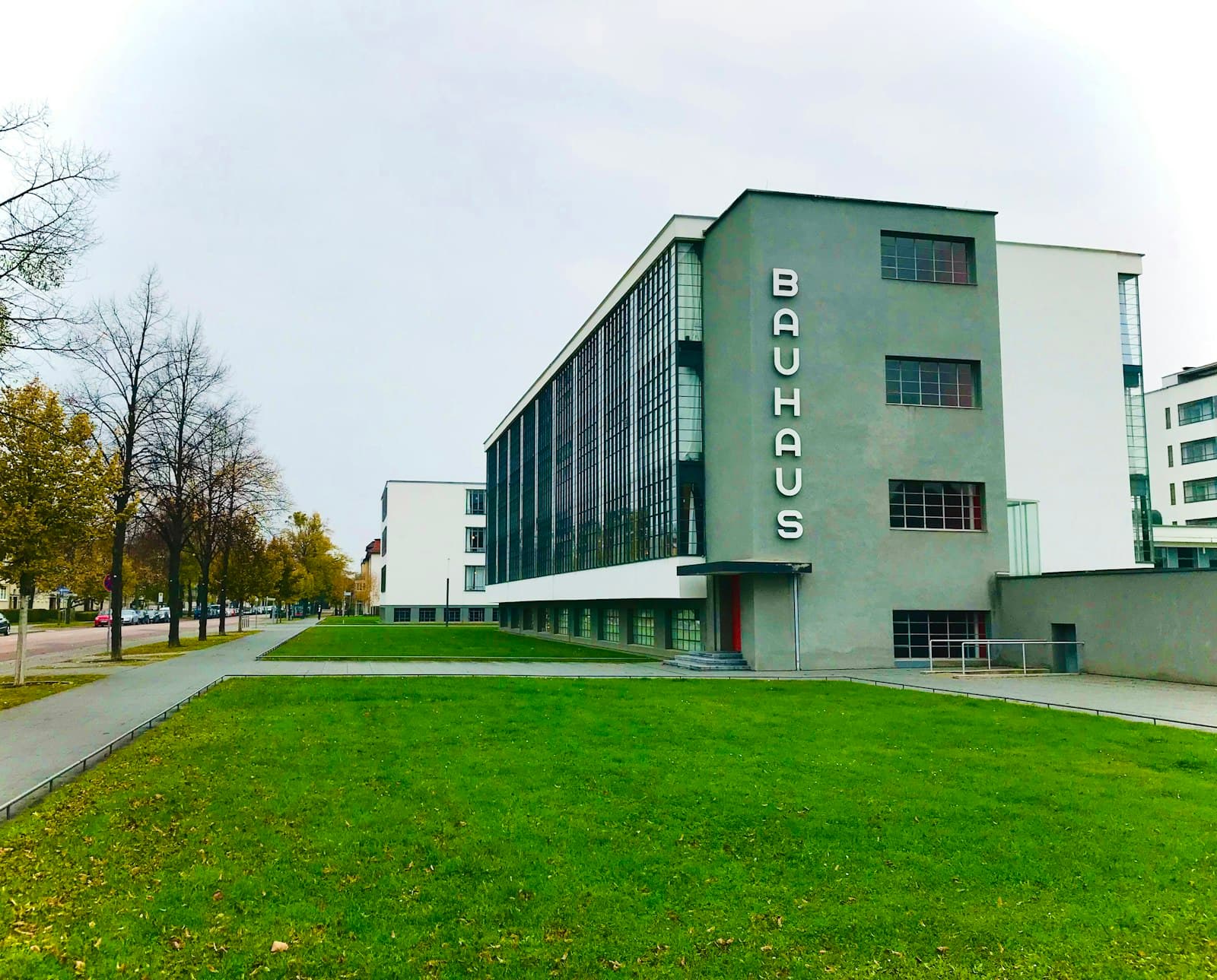
The iconic Bauhaus building, a symbol of modernism, was once deemed so radical it was forced to relocate. Even in its new home, it faced an unexpected closure.
Full story unlocks in the tour
 European People's Party / cc by 2.0, via Wikimedia Commons
Self-guided audio walking tour of Dessau — GPS route, offline playback, story-driven narration in 32 languages.
“Where avant-garde design meets enlightened landscapes.”
Not the postcards. The stories even locals don't know — whispered in your ear, right where they happened.
The iconic Bauhaus building, a symbol of modernism, was once deemed so radical it was forced to relocate. Even in its new home, it faced an unexpected closure.
Dessau's highest point offers expansive views, but its origins are far less grand than one might imagine.
A pedestrian and cycle bridge in Dessau carries a rather unusual nickname, hinting at its distinctive design.
Discover every secret of Dessau
Every address, every reveal in full — in your ear, right where it happened.
You pick your stops. You walk. The voice reveals what the others miss.
Your self-guided audio tour of Dessau is ready — pick your landmarks, choose your language, and start the moment you arrive.
BuyLume has a built-in augmented-reality guide. Hold your phone up and its camera shows the street ahead of you, with a glowing arrow laid over the real view that always points to your next stop — no map to puzzle over, no wrong turns. Like everything in Lume, it works fully offline.
Dessau, officially Dessau-Roßlau since its 2007 merger with the town of Roßlau, is a city in the German state of Saxony-Anhalt, situated at the confluence of the Mulde and Elbe rivers. Often overshadowed by larger German metropolises, Dessau holds a unique position in cultural history, primarily as the second home of the revolutionary Bauhaus school of art, design, and architecture. This legacy, alongside the sprawling beauty of the Garden Kingdom of Dessau-Wörlitz, has earned the city multiple UNESCO World Heritage designations, making it a compelling destination for those interested in modernism, enlightened landscape design, and a surprising blend of history and nature.
Beyond its architectural and horticultural renown, Dessau-Roßlau is a city shaped by its riverine landscape, offering lush forests, meadows, and opportunities for outdoor exploration. It's a place where the strict lines of functionalist design meet the romanticism of expansive parks, creating an atmosphere of both creativity and serenity. From the historical significance of its former status as a princely residence to its pivotal role in 20th-century design, Dessau-Roßlau invites a deeper look into a German city with a truly multifaceted identity.
## From Princely Seat to Modernist Icon Dessau's recorded history stretches back to 1213, establishing itself as a significant center by 1570 with the founding of the Principality of Anhalt. It became the capital of this state within the Holy Roman Empire, a role it maintained through various divisions and reunifications of the noble House of Anhalt. For centuries, Dessau served as a princely residence, leaving behind a legacy of Baroque and English-inspired landscape parks, such as Georgium Park and Luisium.
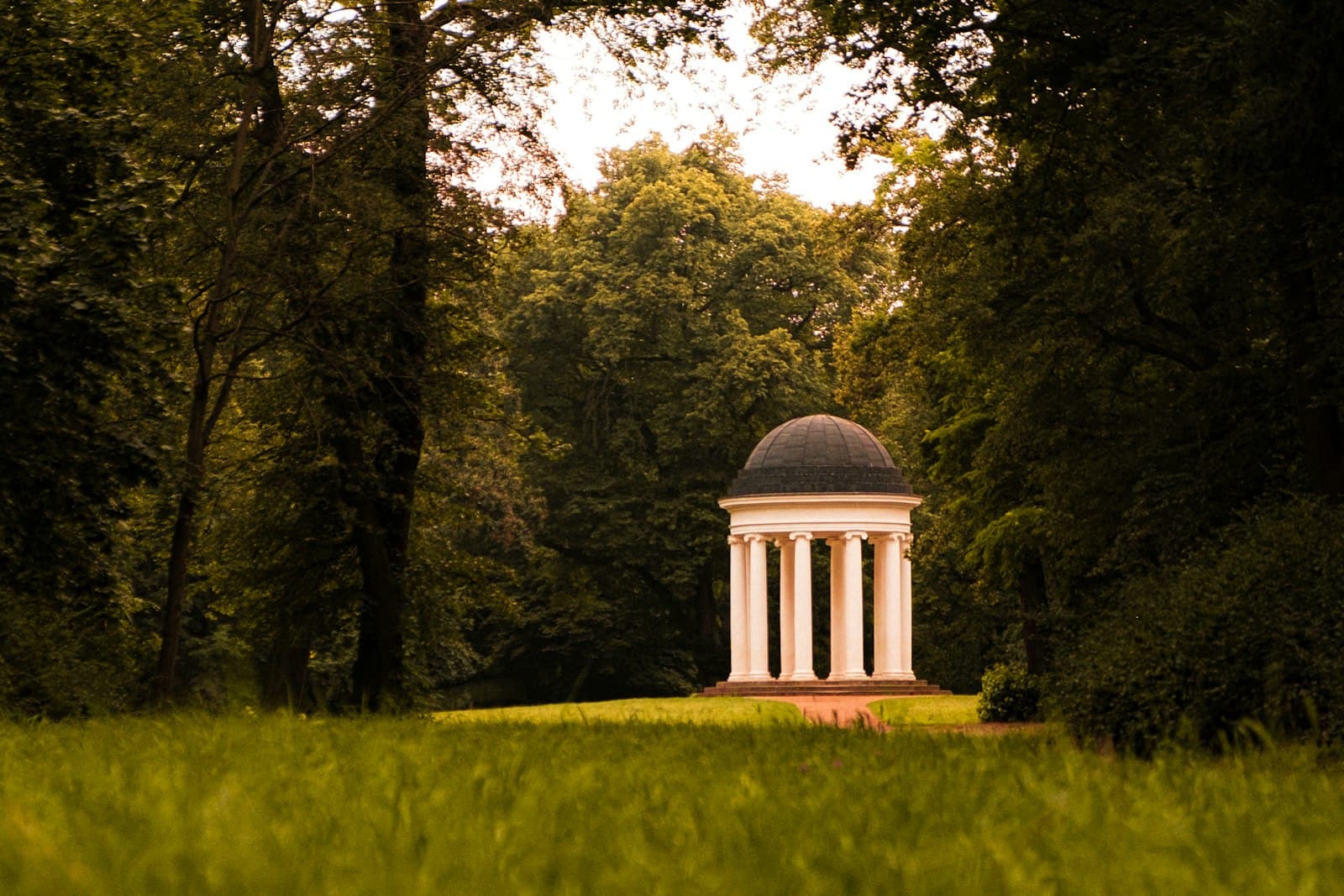
The 18th century saw Dessau flourish as a center of the Enlightenment under Prince Franz of Anhalt-Dessau, who commissioned the creation of the extraordinary Garden Kingdom of Dessau-Wörlitz. This expansive cultural landscape, now a UNESCO World Heritage site, embodies the philosophical principles of the era through its design.
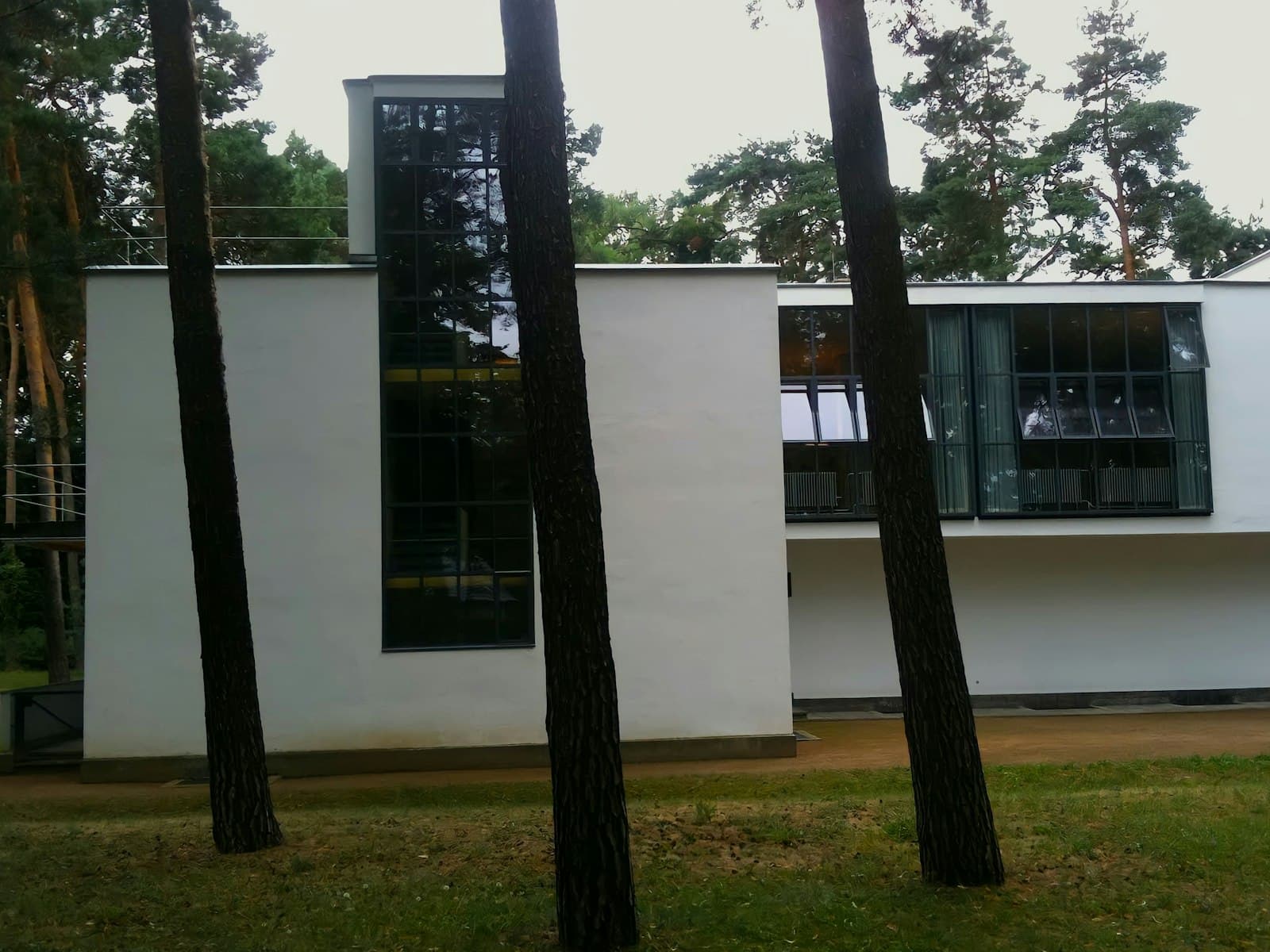
The 20th century brought a new kind of fame to Dessau. In 1925, the influential Bauhaus school, after facing political pressure in Weimar, relocated to Dessau. This period, from 1925 to 1932, is often considered the 'golden age' of the Bauhaus, where architects like Walter Gropius and artists such as Paul Klee and Wassily Kandinsky taught and worked. Gropius designed the iconic Bauhaus building and the nearby Masters' Houses, which became symbols of modern design. However, the school's progressive ideals again clashed with rising political extremism, leading to its closure by the Nazi-controlled Dessau city government in 1932.
World War II brought immense destruction, with a single British bombing raid in 1945 destroying approximately 80% of Dessau's urban area. Much of the city was rebuilt in the East German style, though significant efforts have been made since German reunification in 1990 to restore historic buildings. Today, Dessau-Roßlau continues to celebrate its layered history, from its princely past to its pivotal role in modern architecture and aviation, being the home of aviation pioneer Hugo Junkers.
Dessau-Roßlau offers a captivating blend of architectural innovation and natural beauty. The absolute symbol of the city is the Bauhaus Building, designed by Walter Gropius, a UNESCO World Heritage site and a manifesto for modern architecture and design. You can explore parts of the building independently or join a guided tour. A short walk away are the Masters' Houses, also designed by Gropius, which served as residences for Bauhaus teachers like Kandinsky and Klee.
Explore the Garden Kingdom of Dessau-Wörlitz, another UNESCO World Heritage site. This vast landscape park, inspired by English gardens, features palaces, gardens, and lakes, best explored on foot, by bike, or even by gondola. Within the Garden Kingdom, visit Luisium Palace and Park, a private residence built for Princess Louise.
For a glimpse into Dessau's industrial heritage, the Hugo Junkers Museum of Technology showcases the work of the aviation pioneer, including real aircraft like the Junkers Ju 52. In the city center, consider climbing the Rathaus (Town Hall) tower for expansive views. Don't miss the Kornhaus Dessau, a Bauhaus-era restaurant on the Elbe River, offering picturesque views. The Marienkirche (St. Mary's Church), originally built between 1506 and 1523, has been reconstructed and is another notable landmark.
The best time to visit Dessau-Roßlau for pleasant weather and outdoor activities is from May through September. During these months, temperatures are comfortable, averaging around 20°C (68°F) in July and August, with daytime highs often reaching 24-25°C (75-77°F). This period is ideal for exploring the Garden Kingdom and enjoying cycling along the Elbe River. While winters are cooler and can be damp, the Bauhaus sites and museums are generally open year-round, offering a cultural experience regardless of the season.
Dessau-Roßlau is conveniently located roughly midway between Berlin and Leipzig, making it an accessible stop for travelers. The city has its own railway station, with regional trains connecting it to major hubs like Leipzig Central Station, which is less than an hour away by regional express. For exploring the city and its surroundings, a rental car offers flexibility, and rideshare services are also available. Within Dessau, public transport includes metro and train services, and many attractions are easily reachable on foot or by bicycle.
When packing, consider layering, as the weather can be changeable, even in summer. Comfortable walking shoes are essential for exploring the extensive parks and architectural sites. While credit cards are accepted at hotels and major museums, it's advisable to carry some cash for smaller establishments. Tipping in restaurants is customary, typically rounding up the bill or leaving 5-10% for good service.
Dessau in Korean, in Chinese or in Hebrew — and 29 more languages, every stop narrated by a native voice. The widest language range of any self-guided audio tour.
Available in: