Der Markt am Donnerstag
Am Markttag liegt eine andere Art von Betriebsamkeit in der Luft von Douz, die älter ist als das Geld.
Die ganze Geschichte wird in der Tour freigeschaltet
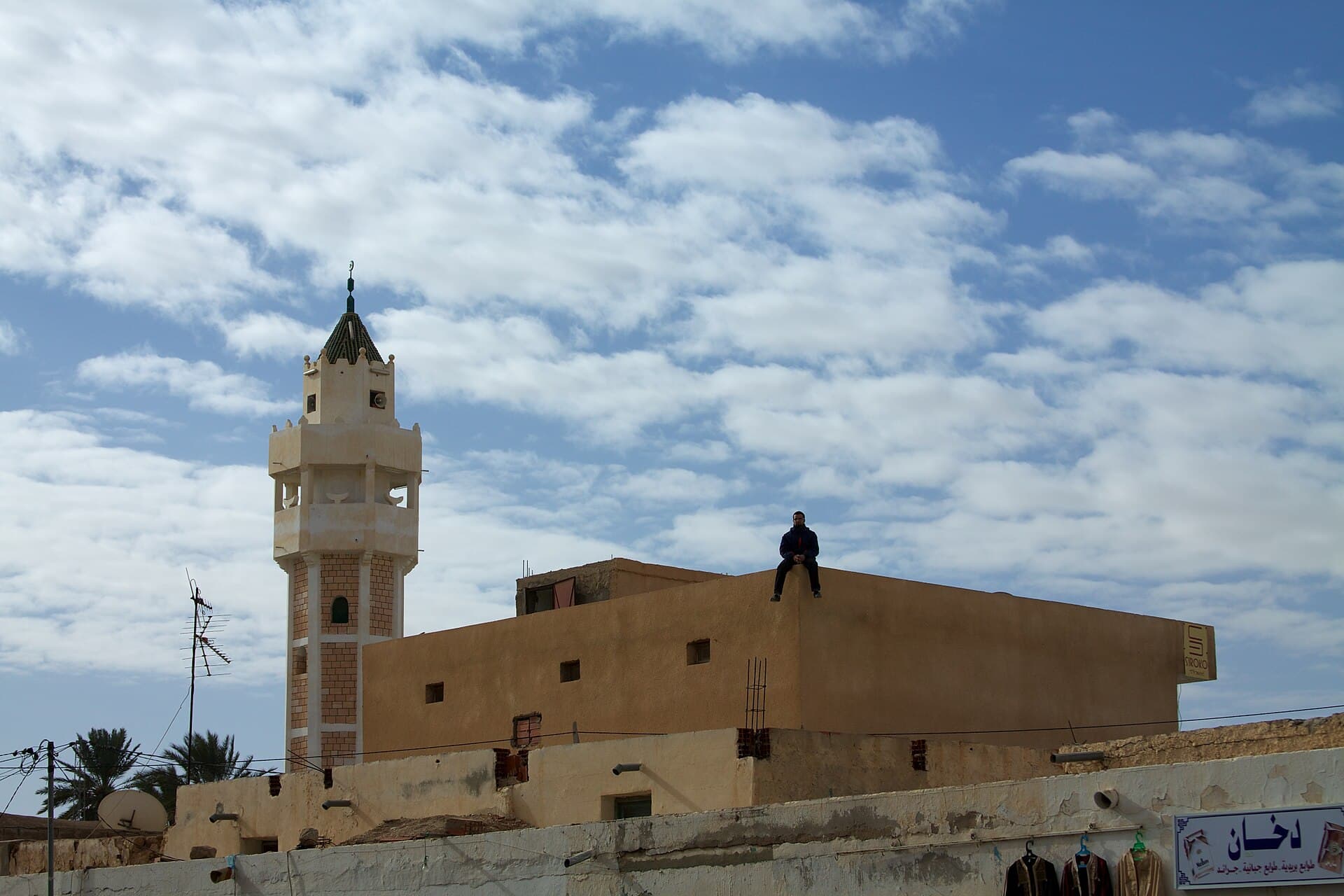 McKay Savage from London, UK / CC BY 2.0, via Wikimedia Commons
Selbstgeführte Audio-Walking-Tour durch Douz — GPS-Route, Offline-Wiedergabe, erzählerische Narration in 32 Sprachen.
“Wo die Sahara beginnt und alte Traditionen fortbestehen.”
Nicht die Postkarten. Die Geschichten, die selbst Einheimische nicht kennen – dir ins Ohr geflüstert, genau dort, wo sie geschahen.
Am Markttag liegt eine andere Art von Betriebsamkeit in der Luft von Douz, die älter ist als das Geld.
Wenn Sie über diesen riesigen Salzsee fahren, sehen Sie vielleicht etwas, das nicht ganz da ist.
Diese jährliche Wüstenfeier hat einen überraschenden Ursprung, der über reine Spektakel hinausgeht.
Entdecke jedes Geheimnis von Douz
Jede Adresse, jede Enthüllung vollständig – in deinem Ohr, genau dort, wo es geschah.
Du wählst deine Stationen. Du gehst. Die Stimme enthüllt, was andere übersehen.


Deine selbstgeführte Audio-Tour durch Douz ist bereit – wähle deine Sehenswürdigkeiten, deine Sprache und starte, sobald du ankommst.
KaufenLume enthält einen integrierten Augmented-Reality-Guide. Halten Sie Ihr Handy hoch: Die Kamera zeigt die Straße vor Ihnen, mit einem leuchtenden Pfeil über dem echten Bild, der immer auf Ihren nächsten Stopp zeigt — keine Karte zum Rätseln, keine falschen Abzweigungen. Wie alles bei Lume funktioniert es komplett offline.
Douz, eine Stadt im Süden Tunesiens, liegt am Rande der weiten Wüstendünen. Es ist ein Ort, an dem sich die goldene Weite der Sahara wirklich beginnt und eine einzigartige Mischung aus Oasenleben und Wüstenabenteuer bietet. Die Stadt mit ihren ausgedehnten Palmenhainen liefert viele Datteln und dient als wichtiger Treffpunkt für alle, die den Grand Erg Oriental, das große Sandmeer, das sich bis nach Algerien erstreckt, erkunden möchten.
Douz ist mehr als nur ein Ausgangspunkt für Wüstenausflüge; es verkörpert eine Lebensweise, die tief mit seiner Saharauumgebung verbunden ist. Die Mrazig, die Hauptbewohner, haben eine ausgeprägte kulturelle Identität bewahrt, die in nomadischen Traditionen verwurzelt ist. Dies zeigt sich auf den lebhaften Märkten der Stadt und beim bekannten Internationalen Sahara-Festival, das das Beduinen-Erbe mit traditioneller Musik, Tanz und kamelbezogenen Veranstaltungen feiert.
Die Ursprünge von Douz reichen bis in vorislamische Berber-Siedlungen zurück, wo indigene Gemeinschaften Oasen errichteten und in der trockenen Landschaft alte Techniken des Wassermanagements nutzten. Der Name "Douz" selbst könnte von einem Berberbegriff für "grünes Land" stammen, was seine historische Rolle als fruchtbare Oase widerspiegelt, die von unterirdischen Wasserleitern gespeist wird.
Im 11. Jahrhundert wanderten die Mrazig, Nachfahren des arabischen Stammes Banu Sulaym, von der Arabischen Halbinsel nach Westen und ließen sich schließlich in der Region Douz nieder. Dieses halbnomadische Volk verband sein arabisches Erbe mit Anpassungen an die Sahara und pflegte eine Kultur, die sich auf die Mobilität der Viehzucht konzentrierte. Historisch war Douz ein wichtiger Zwischenstopp für Kamelkarawanen, die im transsaharischen Handel tätig waren, insbesondere mit Meharis – leichten, schnellen Kamelen, die für den Handel in der Wüste verwendet wurden. Es war ein Zentrum für den Handel mit Waren wie Gold, Elfenbein und Gewürzen.
In den letzten Jahrzehnten hat sich Douz von einem Karawanen-Stopp zu einem bedeutenden Touristenziel entwickelt, das Besucher anzieht, die die Sahara erleben möchten. Die Wirtschaft der Stadt, die traditionell von der Landwirtschaft in den umliegenden Dörfern und dem Dattelanbau abhängt, profitiert nun auch erheblich vom Tourismus. Das jährliche Internationale Sahara-Festival, das 1910 mit Kamel-Trekking-Märschen und traditionellen Spielen begann, hat sich zu einer wichtigen internationalen Veranstaltung entwickelt und Douz' Ruf als "Tor zur Sahara" weiter gefestigt.
Douz bietet direkten Zugang zur Sahara, wobei die Dünen nur eine kurze Entfernung von der Stadt entfernt beginnen. Besucher können bei Sonnenuntergang in die Dünen spazieren oder reiten, wenn das Licht den Sand in orange-rote Töne taucht. Für ein intensiveres Erlebnis reichen Kamel-Treks von kurzen Ausritten bis hin zu mehrtägigen Expeditionen mit Übernachtungen unter den Sternen. Seriöse Anbieter, einige mit dem örtlichen Tourismusbüro verbunden, können diese Treks arrangieren.
Der wöchentliche Markt am Donnerstag ist ein lebhaftes Spektakel, das Händler aus umliegenden Oasendörfern und nomadischen Gemeinschaften anzieht. Wenn Sie vor 8 Uhr morgens ankommen, können Sie den Viehmarkt beobachten, auf dem Kamele, Schafe und Ziegen gehandelt werden. Der Markt bietet auch lokale Produkte, Gewürze, Datteln und traditionelles Handwerk wie Berber-Schmuck und Saharabekleidung.
Für einen Einblick in das Erbe der Region zeigt das Museum der Sahara Ausstellungen über die traditionelle nomadische Wüstenkultur der Mrazig. Die Erkundung der ausgedehnten Dattelpalmen-Oase, der Palmeraie, bietet ein anderes Wüstenerlebnis mit Schatten, Bewässerungskanälen und Vogelgezwitscher.
Ein Tagesausflug zum Chott El-Jerid, einem riesigen Salzsee, bietet surreale Landschaften und die Möglichkeit, optische Täuschungen zu beobachten. Im Winter können dort Tausende von rosa Flamingos beobachtet werden.
Die angenehmste Zeit für Outdoor-Aktivitäten in Douz ist von Mitte März bis Mitte Mai und von Mitte Oktober bis Mitte November, wenn die Temperaturen milder sind. Die Tagestemperaturen liegen in diesen Perioden zwischen 18 und 28 °C. Das Internationale Sahara-Festival, ein wichtiges kulturelles Ereignis, findet normalerweise Ende Dezember statt, obwohl die genauen Daten variieren können. Während der Dezember die Hauptsaison mit vielen Besuchern ist, bietet er eine authentische Feier des Wüstenlebens. Die Sommer von Juni bis September sind extrem heiß, mit Temperaturen, die oft 38-42 °C übersteigen, was Outdoor-Aktivitäten erschwert.
Douz ist auf der Straße erreichbar, etwa 125 km vom internationalen Flughafen Tozeur und 260 km vom internationalen Flughafen Djerba entfernt. Louages (Sammeltaxis) sind ein gängiges Transportmittel zwischen den Städten.
Bei der Planung von Wüstenausflügen, insbesondere von mehrtägigen Treks, ist es ratsam, direkt bei lokalen Agenturen in Douz zu buchen, da die Preise deutlich niedriger sein können als bei ausländischen Anbietern. Die Führer sind in der Regel lokale Beduinen, die die Touren leiten. Bargeld (Tunesische Dinar) ist unerlässlich, da Geldautomaten in Douz unzuverlässig sein können und nicht alle Händler Kreditkarten akzeptieren. Das Mitführen eines Schals (Cheche) zum Schutz vor Wind und Sand wird empfohlen; diese sind lokal leicht erhältlich.
Für diejenigen, die das Internationale Sahara-Festival besuchen, ist die Buchung einer Unterkunft weit im Voraus unerlässlich, da die Hotels schnell ausgebucht sind und die Preise steigen können.
Douz — Koreanisch, Chinesisch, Hebräisch und 29 weitere Sprachen, jede Station von einer muttersprachlichen Stimme erzählt. Die größte Sprachauswahl aller selbstgeführten Audiotouren.
Verfügbar auf: