Burgk Castle
This serene manor house conceals a secret beneath its elegant stone, linking it to a pivotal moment in German industry.
Full story unlocks in the tour
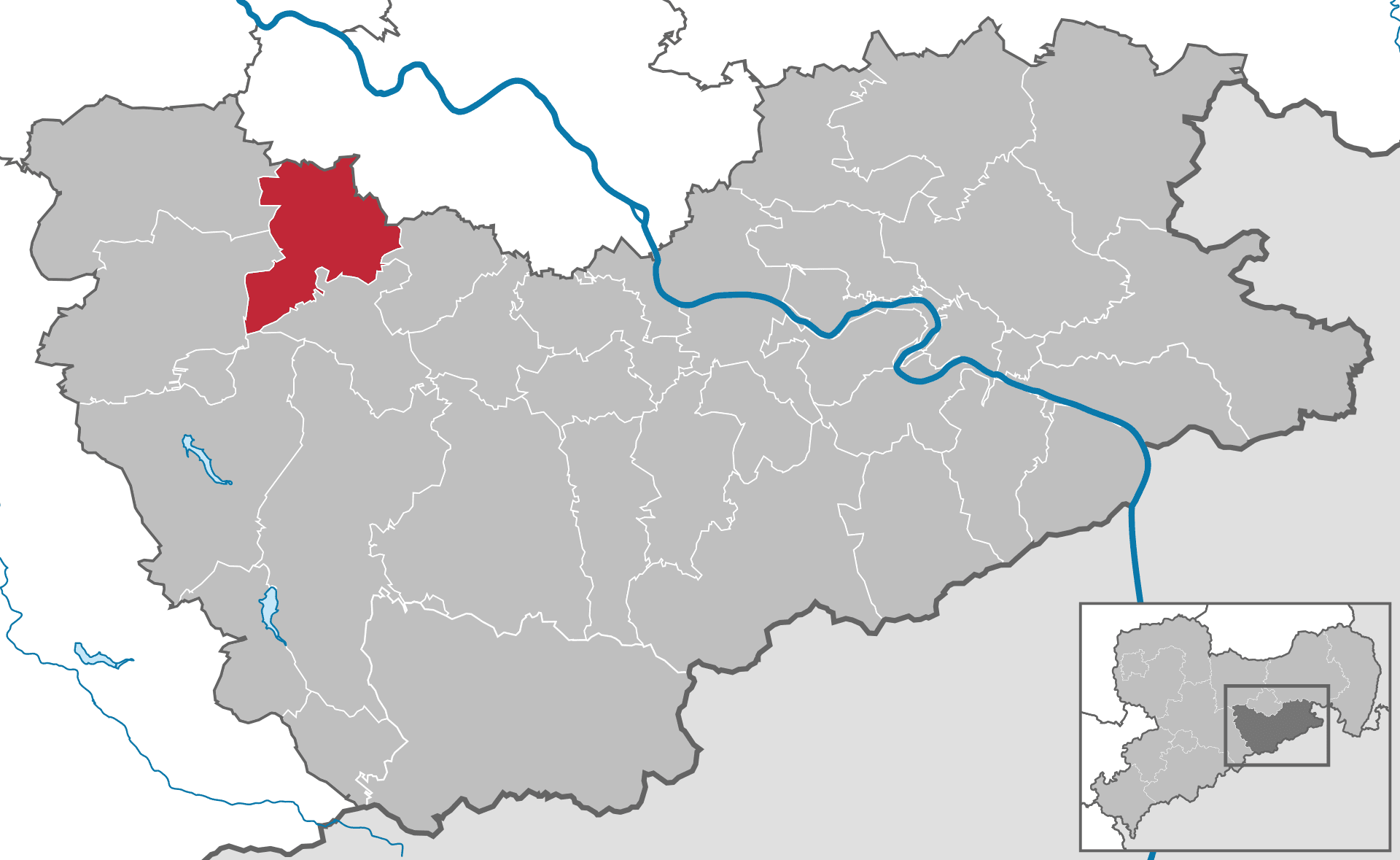 Hagar66 based on work of TUBS / Public domain, via Wikimedia Commons
Self-guided audio walking tour of Freital — GPS route, offline playback, story-driven narration in 32 languages.
“Where the grit of industry meets the grace of Saxon valleys.”
Not the postcards. The stories even locals don't know — whispered in your ear, right where they happened.
This serene manor house conceals a secret beneath its elegant stone, linking it to a pivotal moment in German industry.
The rhythmic chug of this historic railway carries more than just passengers; it echoes a legacy of ingenuity that once powered an entire valley.
The very name of this town, a seemingly straightforward German word, was once the subject of a spirited public discussion.
Discover every secret of Freital
Every address, every reveal in full — in your ear, right where it happened.
You pick your stops. You walk. The voice reveals what the others miss.
Your self-guided audio tour of Freital is ready — pick your landmarks, choose your language, and start the moment you arrive.
BuyLume has a built-in augmented-reality guide. Hold your phone up and its camera shows the street ahead of you, with a glowing arrow laid over the real view that always points to your next stop — no map to puzzle over, no wrong turns. Like everything in Lume, it works fully offline.
Freital, a town in Saxony, Germany, rests just southwest of Dresden in the scenic Weißeritz river valley. Forged in 1921 from the merger of several smaller villages, Freital's identity is profoundly interwoven with its industrial past, particularly hard coal mining. Today, it offers a compelling blend of industrial heritage, natural splendor, and a quiet allure that contrasts with its bustling neighbor, Dresden.
The town is defined by its distinct districts, each possessing its own story, not yet fully blended into a homogeneous urban landscape. From the venerable Burgk Castle to the picturesque Rabenauer Grund, Freital invites visitors to uncover its layers of history and revel in the surrounding natural settings, which span from river valleys to gentle hills.
The story of Freital reaches back to the 13th century, with the first settlements appearing in the Weißeritz valley. The region's fate was largely shaped by the discovery of coal, with mining activities first documented in 1549. By the 16th century, coal extraction was well underway, experiencing swift expansion towards the close of the 18th century.
The 19th century marked Freital's zenith as a leader in German coal mining. This era brought a wave of technical innovations, including the installation of Germany's first steam engine in the village of Burgk in 1820. The Freital valley also stood at the forefront of coke production and pioneering street gas lighting, with Burgk becoming the first village globally to have public gas illumination in 1828. Further advancements included the "wet jigger" for coal processing in 1810 and the introduction of the first mine railway with electrical locomotives in 1882.
The modern town of Freital was officially established on October 1, 1921, through the merger of the independent villages of Deuben, Döhlen, and Potschappel. The name, meaning 'free valley,' was chosen after a public competition. In the Weimar Republic, Freital developed into a significant center for social democracy, notably having the only socialist mayor in Saxony. This political inclination fostered a strong community spirit and a range of socialist-backed clubs and leisure activities, earning Freital the moniker of a 'welfare island.'
Coal mining largely ceased by the mid-20th century. However, after World War II, some mines were reactivated for uranium extraction, producing over 3000 tons until German reunification in 1989. Today, Freital, with a population of around 39,000, continues to evolve, preserving its industrial heritage while offering a tranquil counterpoint to nearby Dresden.
Freital presents a diverse array of attractions, blending its industrial past with cultural experiences and natural splendor. Burgk Castle (Schloss Burgk) serves as a central highlight, housing the Municipal Collections and art exhibitions featuring Saxon artists like Otto Dix and Willy Kriegel. The castle grounds also provide deep insights into the region's 500-year history of hard coal mining, complete with a visitor mine and the world's first electric mine locomotive, the 'Dorothea.'
For a journey through time, ride the Weißeritztalbahn, Germany's oldest steam-powered narrow-gauge railway, which departs from Freital-Hainsberg station and threads its way through the picturesque Rabenauer Grund. Those who love the outdoors can explore the Rabenauer Grund on foot or by bicycle, enjoying the unspoiled countryside and distinctive rock formations. The Windberg, Freital's landmark hill, offers expansive views and is home to the König-Albert-Denkmal, a significant monument.
Families will find delight at Oskarshausen, an adventure park with over 50 attractions and creative factory worlds. For those intrigued by local crafts, the Saxon Porcelain Manufactory in Freital-Potschappel provides a glimpse into the artistry of porcelain making.
The ideal time to experience Freital and its surroundings is from May through September, when the climate is generally pleasant and temperatures are mild. This period is perfect for outdoor activities like hiking and enjoying the steam railway. May and October are considered excellent shoulder seasons, offering moderate weather and fewer crowds, with May bringing blooming landscapes and October showcasing beautiful autumn colors. While winter offers a different appeal, especially with Christmas markets in the broader region, November can be damp and cool.
Freital is conveniently situated just southwest of Dresden, ensuring easy access. If arriving by car, the A17 motorway is a few kilometers north, with recommended exits leading towards Freital. For public transport, Freital has several train stations in districts like Potschappel, Deuben, and Hainsberg, served by the S3 S-bahn. Local buses (lines A to F) provide convenient transfers between the town's distinct districts, with Bus A offering regular weekend service across the entire town.
While Freital offers dining options, including German, Italian, and Asian cuisine, many travelers also choose to explore the culinary scene in nearby Dresden. A good itinerary length for Freital is typically one to two days to visit key highlights like Burgk Castle and Oskarshausen, with an extended stay of two to three days allowing for seasonal events.
Freital in Korean, in Chinese or in Hebrew — and 29 more languages, every stop narrated by a native voice. The widest language range of any self-guided audio tour.
Available in: