The Anvil Gallery
Esta acogedora galería, que ahora exhibe joyas artesanales, oculta una inquietante historia del siglo XVIII.
La historia completa se desbloquea en el tour
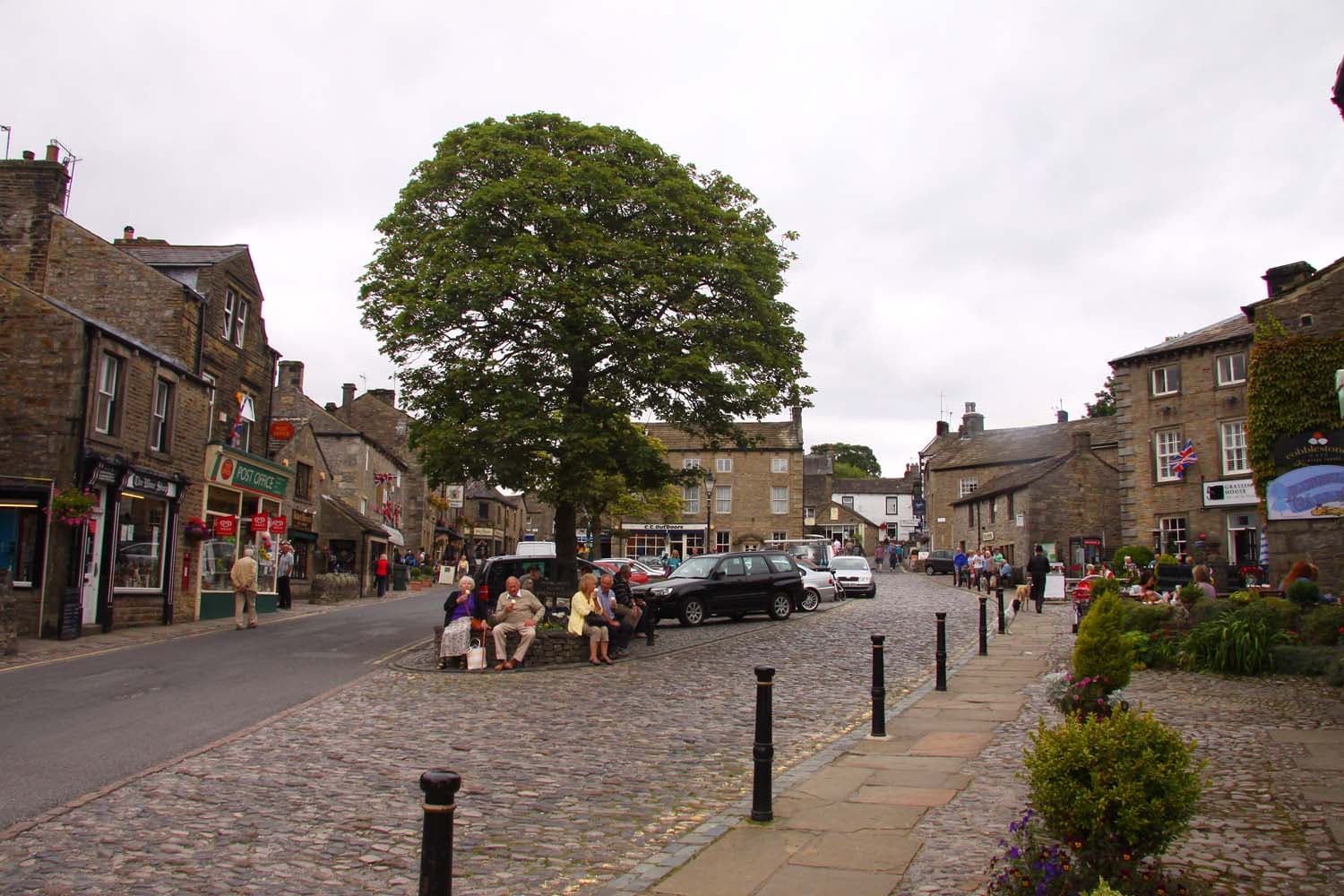 Steve Daniels / CC BY-SA 2.0, via Wikimedia Commons
Tour de audio autoguiado de Grassington — ruta GPS a pie, reproducción offline, narración en 32 idiomas.
“Senderos de piedra y el carácter de los Dales, donde los siglos resuenan en cada muro.”
No las postales. Las historias que ni los locales conocen — al oído, justo donde ocurrieron.
Esta acogedora galería, que ahora exhibe joyas artesanales, oculta una inquietante historia del siglo XVIII.
La animada plaza del mercado, un punto central de la vida del pueblo, una vez vibró con otro tipo de actividad, conectada a una importante industria local.
Este pub tradicional, un lugar de reunión favorito para residentes y visitantes, tiene una conexión con una poderosa familia local que dio forma al terreno de Wharfedale.
Descubre todos los secretos de Grassington
Cada dirección, cada revelación al completo — a tu oído, justo donde ocurrió.
Eliges tus paradas. Caminas. La voz te revela lo que los demás ignoran.
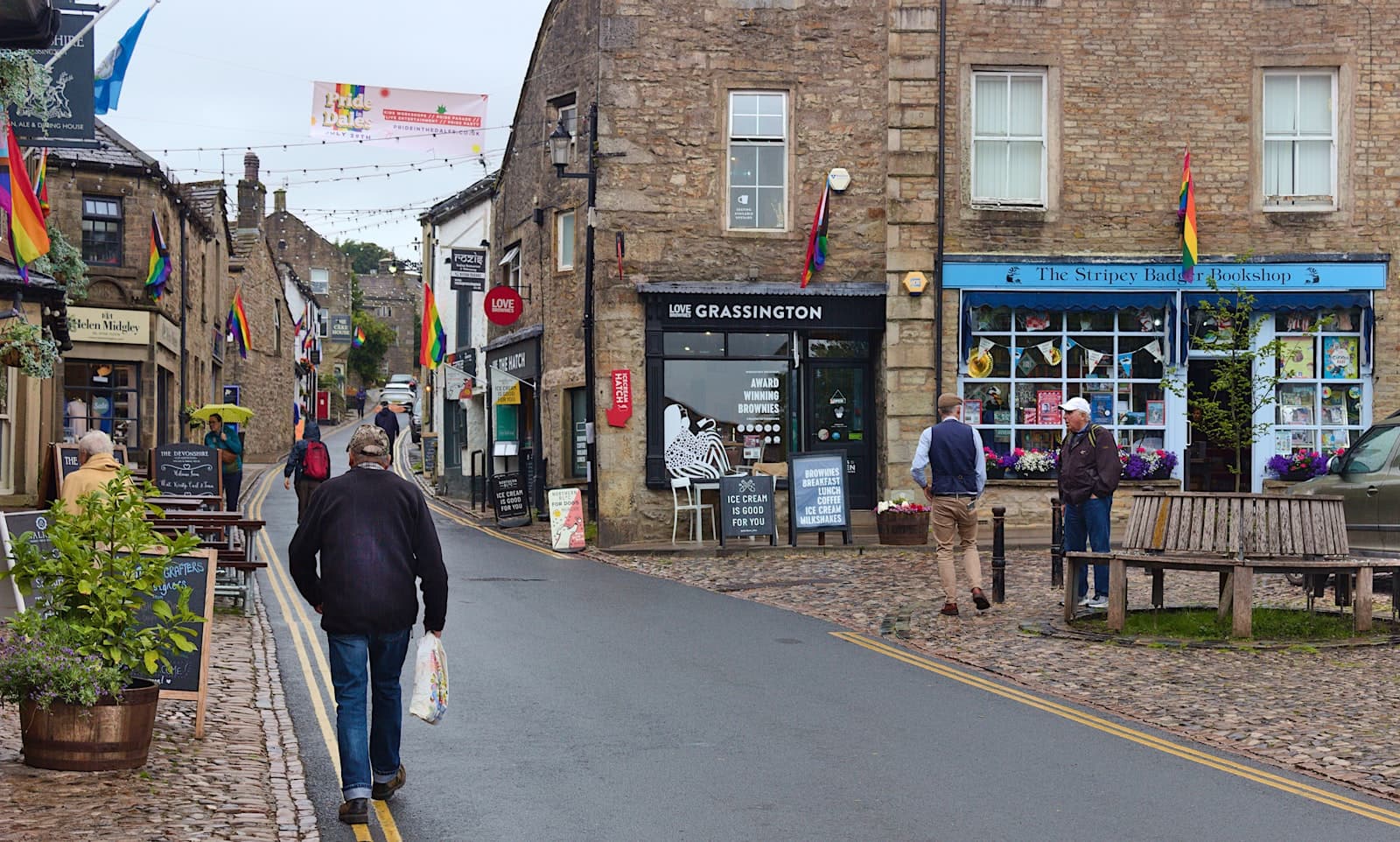

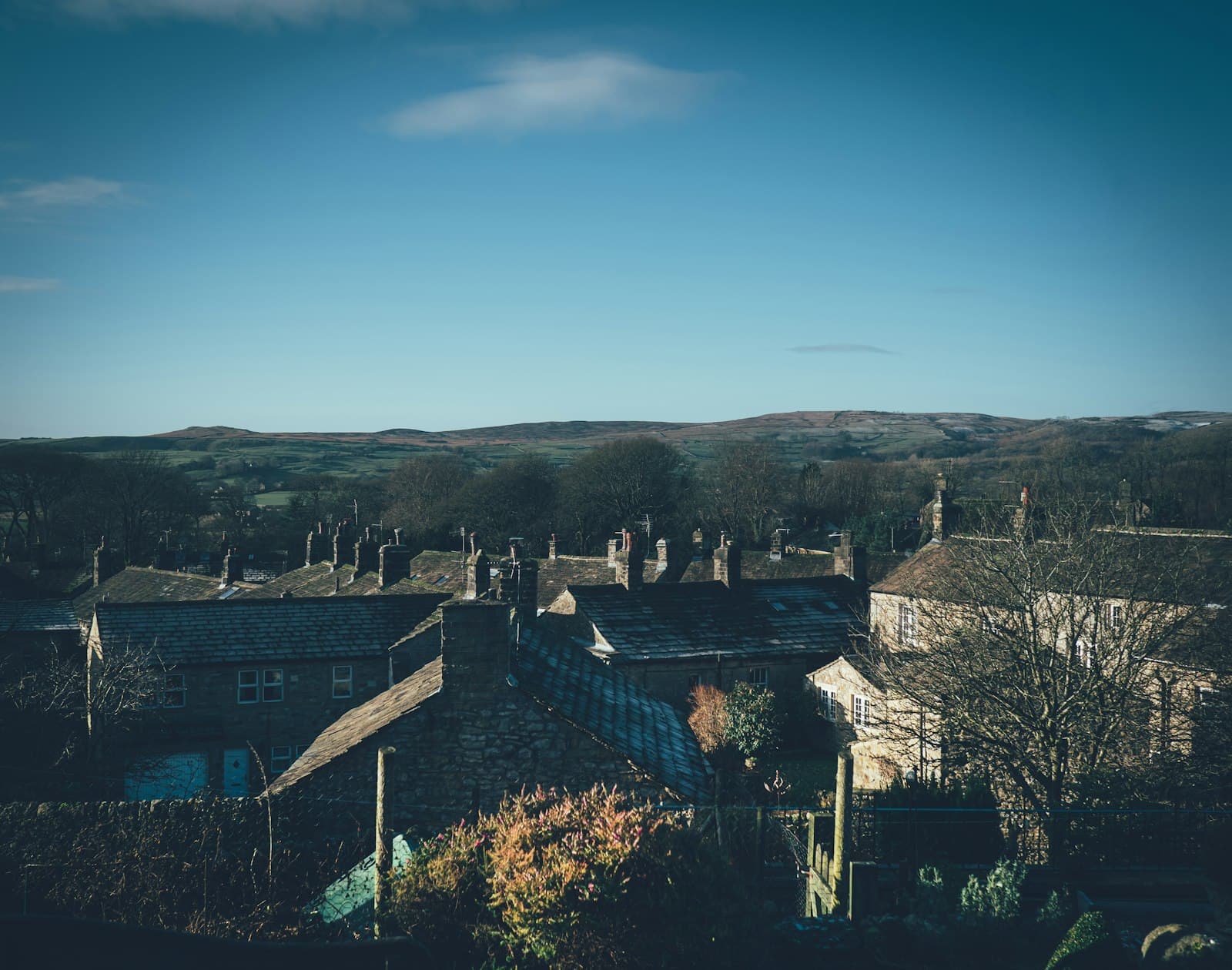
Tu tour de audioguía por Grassington te espera — elige tus lugares, tu idioma y empieza al llegar.
ComprarLume incluye una guía de realidad aumentada. Levanta el móvil y su cámara muestra la calle que tienes delante, con una flecha luminosa sobre la imagen real que siempre apunta a tu próxima parada — sin mapas que descifrar, sin giros equivocados. Como todo en Lume, funciona completamente sin conexión.
Grassington, un pueblo mercado en North Yorkshire, ofrece una mezcla del carácter tradicional de los Dales y una activa vida comunitaria. Su plaza del mercado empedrada, flanqueada por tiendas independientes, cafeterías y pubs, funciona como un animado centro. Rodeado por los paisajes de piedra caliza del Parque Nacional de los Yorkshire Dales, el pueblo es una base pintoresca para explorar Upper Wharfedale.
El pueblo ha ganado recientemente reconocimiento como lugar de rodaje de la adaptación de Channel 5 de "All Creatures Great and Small", transformando sus calles en el ficticio Darrowby. Esta asociación ha generado un renovado interés, permitiendo a los visitantes reconocer escenarios familiares de la querida serie. Más allá de su atractivo cinematográfico, Grassington mantiene una atmósfera acogedora y vivida, donde los caminantes a menudo se detienen para tomar un helado en la plaza después de explorar los senderos locales.
Con sus casas de piedra y un calendario lleno de eventos, Grassington se siente atractivo y práctico, ofreciendo suficiente actividad para justificar una estancia más larga en lugar de una breve visita.
La historia de Grassington se extiende hasta la Edad del Bronce, con evidencia arqueológica de túmulos funerarios, aldeas celtas y asentamientos romano-británicos cercanos. La zona fue una importante región productora de grano durante la ocupación romana, que comenzó alrededor del año 50 d.C. y persistió hasta el siglo V. El Domesday Book, compilado en 1086, documentó Grassington como un pequeño pueblo con una población de poco más de 100 habitantes, propiedad del Obispo de Chester. Su nombre, originalmente 'Grastentun' o 'Gherinstone', tiene orígenes escandinavos, anglosajones y góticos, significando 'pueblo de los prados' o 'granja rodeada de hierba'.
Grassington recibió una Carta Real para un mercado y una feria en 1282, elevando su estatus a pueblo mercado, un privilegio que mantuvo hasta el siglo XIX. A pesar de sus modestas dimensiones, Grassington desempeñó un papel en la Guerra Civil Inglesa, sirviendo como bastión realista. Fue el lugar de una importante batalla en 1643, que resultó en una derrota realista y la captura del pueblo por los parlamentarios.
Los siglos XVIII y XIX marcaron un período de considerable expansión para Grassington, impulsado en gran medida por la floreciente industria local de extracción de plomo. La minería de plomo en la zona se remonta al siglo XV. George Clifford, Conde de Cumberland, trajo mineros expertos de Derbyshire para trabajar en Grassington Moor, y más tarde, el Duque de Devonshire desarrolló aún más la industria, construyendo una nueva fundición y mejorando la infraestructura local. Esta prosperidad llevó a la construcción de muchas de las casas de piedra que definen la apariencia del pueblo hoy en día, construidas para albergar la afluencia de trabajadores.
La llegada del ferrocarril a finales del siglo XIX impulsó aún más la accesibilidad y la economía de Grassington, atrayendo visitantes a su pintoresca ubicación. El Ayuntamiento de Grassington, un notable edificio histórico, se completó en 1855. Hoy en día, Grassington sigue siendo una comunidad próspera que ha conservado su patrimonio, atrayendo tanto a visitantes como a residentes.
En los últimos años, Grassington ha alcanzado una renovada fama como lugar de rodaje de la adaptación de Channel 5 de All Creatures Great and Small. El pueblo se transforma en el ficticio Darrowby, el escenario de los relatos veterinarios de James Herriot, aportando una nueva capa de encanto e interés para los fans de la serie. El pub Devonshire, por ejemplo, sirve como 'The Drovers Arms' en el programa.
Comience su exploración en la Plaza del Mercado de Grassington, el corazón del pueblo, rodeada de edificios de piedra tradicionales y tiendas independientes. La plaza es un lugar activo para buscar artesanías locales, disfrutar de una comida o simplemente observar la vida del pueblo. Desde aquí, una corta caminata conduce a Linton Falls, donde el río Wharfe cae sobre salientes de piedra caliza, un lugar favorito para la fotografía, especialmente después de las lluvias.
Justo a las afueras del pueblo, la Reserva Natural de Grass Wood ofrece una extensa área de antiguos bosques de hoja ancha, reconocida por sus características de piedra caliza y su diversa vida silvestre. Varios senderos cortos permiten paseos tranquilos, con flores silvestres que florecen en primavera y principios de verano. Para una inmersión más profunda en la historia local, el Museo Folclórico de Grassington, situado en dos antiguas casas de mineros, narra la historia de la vida rural en Wharfedale, incluida la herencia minera de plomo de la zona.
Los caminantes pueden explorar rutas a lo largo del Río Wharfe, incluyendo secciones del Dales Way, o paseos más desafiantes por Grassington Moor para observar los restos de la minería de plomo. Los pueblos cercanos como Burnsall, Thorpe, Linton y Hebden son accesibles a través de agradables paseos. Para aquellos interesados en la conexión con All Creatures Great and Small, muchas de las calles y edificios de Grassington sirvieron como lugares de rodaje para el ficticio Darrowby.
Grassington es un destino para todo el año, con cada estación ofreciendo una experiencia distinta. La primavera y el verano son ideales para actividades al aire libre como paseos junto al río y explorar los Dales, con un clima templado. El Festival de Grassington en junio es un punto culminante para los entusiastas del arte y la cultura. El otoño trae colores vibrantes al campo circundante, perfecto para paseos escénicos a lo largo del Wharfe. En invierno, el pueblo se transforma para el Festival Dickensiano, creando una atmósfera festiva que precede a la Navidad. Julio es típicamente el mes más cálido, mientras que enero es el más frío.
Grassington es fácilmente accesible en coche, situado justo al lado de la B6265, aproximadamente a 8 millas de Skipton. El aparcamiento principal para visitantes, el Grassington National Park Car Park, incluye baños, pero puede llenarse a última hora de la mañana en verano, por lo que es aconsejable llegar antes de las 10 de la mañana. También hay aparcamiento limitado en la calle en el centro del pueblo.
Para aquellos que utilizan el transporte público, Skipton es la estación de tren principal más cercana, con servicios regulares de tren desde Leeds y Bradford. Desde Skipton, el autobús número 72 circula regularmente a Grassington, haciendo que el pueblo sea accesible sin coche. Dentro de Grassington, la naturaleza compacta del pueblo permite caminar fácilmente a la mayoría de las atracciones. El Centro de Visitantes del Parque Nacional en Grassington proporciona orientación, consejos y mapas para los visitantes.
Grassington en coreano, en chino o en hebreo — y 29 idiomas más, cada parada narrada por una voz nativa. La mayor variedad de idiomas de cualquier audioguía autoguiada.
Disponible en: