Homer Spit
El distintivo Homer Spit, una delgada franja de tierra que se adentra en la bahía de Kachemak, no siempre fue tan largo.
La historia completa se desbloquea en el tour
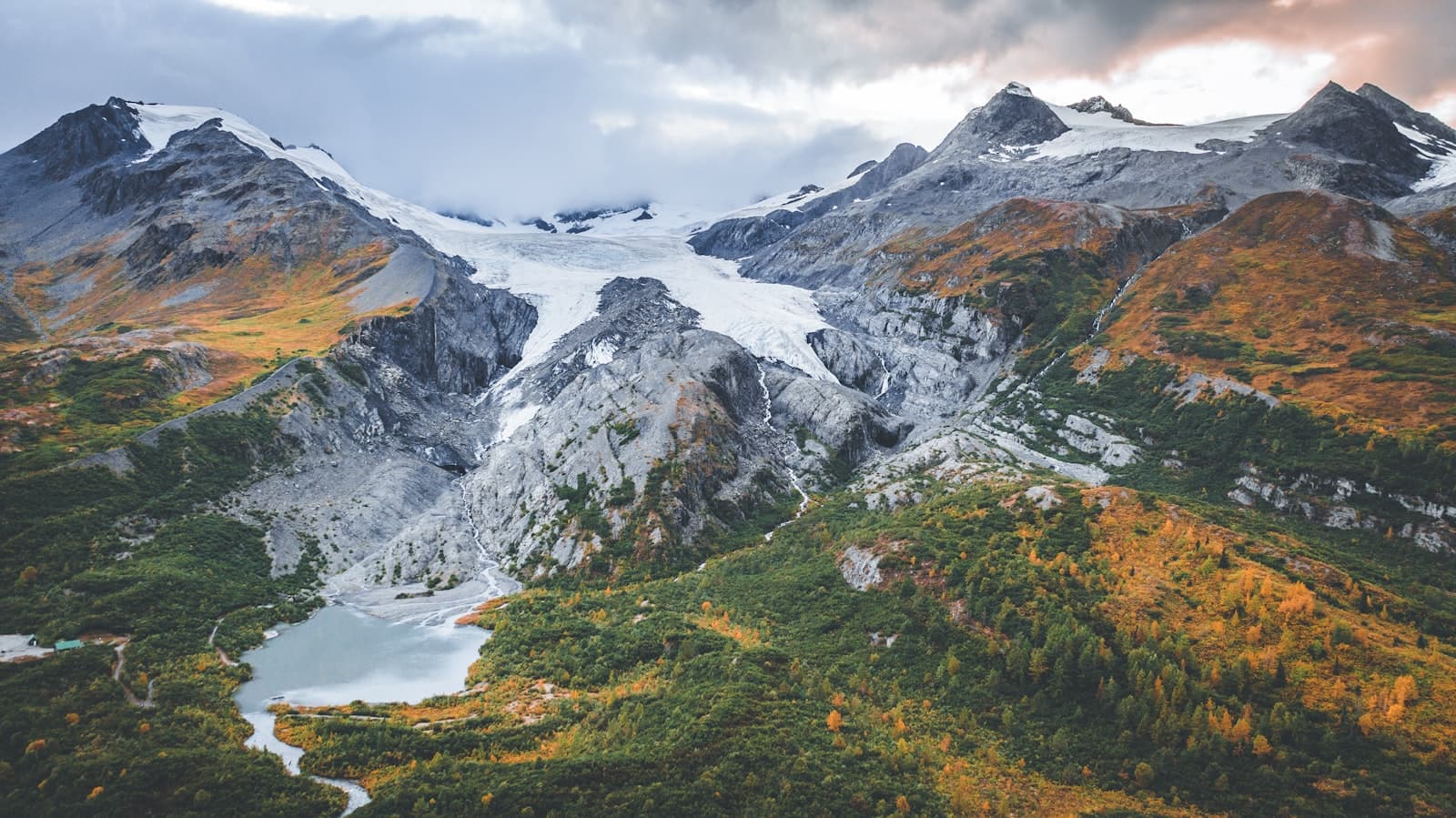 Photo: Corey Simoneau / Unsplash
Tour de audio autoguiado de Homer — ruta GPS a pie, reproducción offline, narración en 32 idiomas.
“Donde termina el camino y comienza el espíritu salvaje y artístico de Alaska.”
No las postales. Las historias que ni los locales conocen — al oído, justo donde ocurrieron.
El distintivo Homer Spit, una delgada franja de tierra que se adentra en la bahía de Kachemak, no siempre fue tan largo.
Homer, Alaska, toma su nombre no de una figura heroica o una gran característica natural, sino de un hombre con una naturaleza persuasiva.
Antes de que la pesca se convirtiera en su identidad principal, Homer tenía una industria fundamental diferente que literalmente impulsó su expansión temprana.
Descubre todos los secretos de Homer
Cada dirección, cada revelación al completo — a tu oído, justo donde ocurrió.
Eliges tus paradas. Caminas. La voz te revela lo que los demás ignoran.


Tu tour de audioguía por Homer te espera — elige tus lugares, tu idioma y empieza al llegar.
ComprarHomer, Alaska, es un lugar donde la carretera literalmente termina, presentando una mezcla singular de naturaleza salvaje, una próspera escena artística y una profunda conexión con el mar. Situada en el lado suroeste de la Península de Kenai, aproximadamente a 220 millas al suroeste de Anchorage, esta comunidad de unos 5,500 residentes es a menudo conocida como la "Capital Mundial de la Pesca de Fletán" y "la aldea cósmica junto al mar". Al recorrer la pintoresca Sterling Highway, será recibido por amplias vistas de la Bahía de Kachemak, el Homer Spit y volcanes distantes, lo que indica su llegada a este cautivador destino.
El encanto de Homer reside en su capacidad para ofrecer tanto aventura como una animada experiencia cultural. La ciudad se asienta entre altos acantilados al norte y la Bahía de Kachemak al sur, proporcionando un paisaje inspirador y un clima sorprendentemente templado para Alaska, gracias a las protectoras Montañas Kenai. Desde charters de pesca de clase mundial hasta la exploración de diversos ecosistemas y la interacción con una vibrante comunidad artística, Homer invita a los visitantes a quedarse y descubrir sus muchas facetas.
El área de Kachemak Bay, donde ahora se encuentra Homer, ha estado habitada por humanos durante unos 8,000 años. La región fue originalmente el hogar de los inuit y más tarde de las tribus Dena'ina Athabascan, quienes utilizaron estas tierras para la caza y la recolección estacionales, sus vidas intrínsecamente ligadas a los abundantes recursos de la bahía.
La historia moderna de Homer comenzó en 1896 con la llegada de Homer Pennock, un buscador de oro y promotor minero que estableció un campamento en el Homer Spit. Si bien la minería de oro en el área nunca resultó rentable, el nombre de Pennock perduró. En cambio, el carbón se convirtió en el primer motor económico significativo de la región. Se descubrieron depósitos de carbón en la década de 1890, lo que llevó al desarrollo de un pueblo, un muelle e incluso un ferrocarril por parte de la Cook Inlet Coal Fields Company. Sin embargo, el auge del carbón fue breve y, para 1902, Homer estaba en gran parte abandonado debido a la falta de mercados.
La ciudad encontró un propósito renovado entre 1910 y 1920 con la llegada de colonos, atraídos por tierras fértiles y mares generosos. La pesca, particularmente de fletán y salmón, se convirtió rápidamente en la piedra angular de la economía de Homer, transformándola en una bulliciosa comunidad pesquera. La construcción de la Sterling Highway a fines de la década de 1950 conectó a Homer con el resto de la Península de Kenai, impulsando aún más su expansión.
Un momento crucial en la historia de Homer fue el terremoto de Viernes Santo de 1964. El inmenso terremoto de magnitud 9.2 provocó que gran parte del Homer Spit se hundiera varios pies, sumergiendo estructuras y dañando gravemente el puerto. Sin embargo, con fondos federales, el puerto fue reconstruido y Homer se incorporó como ciudad el 31 de marzo de 1964. La posterior apertura del puerto de botes pequeños en 1964 solidificó el papel de Homer como centro económico, cultural y recreativo de la Bahía de Kachemak, superando a Seldovia en importancia.
Con los años, Homer también ha cultivado una animada escena artística y cultural, atrayendo a artistas, escritores y creativos. El Museo Pratt, fundado en 1967 como un proyecto del Centenario de Alaska, desempeña un papel crucial en la preservación y exhibición de la historia local, la historia natural y el patrimonio nativo de Alaska. Hoy, Homer continúa honrando sus orígenes pesqueros, mientras que también abraza el turismo, su espíritu artístico y su identidad única como "el fin del camino".
El Homer Spit es una característica notable, una barra de grava de 4.5 millas de largo que se extiende hacia la Bahía de Kachemak, hogar del Puerto de Homer, tiendas, restaurantes y el conocido Salty Dawg Saloon, el único negocio en el Spit abierto todo el año. Puede pasear por el Spit o conducir hasta su extremo, donde el letrero "Land's End" marca el punto más al sur accesible en vehículo en la Península de Kenai.
Al otro lado de la bahía, accesible en taxi acuático, se encuentra el Parque Estatal de Kachemak Bay, el primer parque estatal de Alaska. Este santuario salvaje ofrece montañas escarpadas, glaciares y una costa virgen, perfecta para practicar senderismo, kayak y observación de osos. Los senderos notables incluyen la caminata al Glaciar Grewingk.
Para los entusiastas de la vida silvestre, Homer ofrece una excelente base para excursiones de observación de osos al Parque Nacional Katmai y al Parque Nacional Lake Clark, donde se pueden observar osos pardos en sus hábitats naturales. El Centro de Visitantes Alaska Islands & Ocean, ubicado en el centro, presenta exhibiciones gratuitas sobre los ecosistemas marinos y la vida silvestre del área, con pantallas interactivas y caminatas guiadas.
Explore la activa escena artística de Homer visitando las galerías a lo largo de "Gallery Row" en Pioneer Avenue. El Museo Pratt ofrece exhibiciones sobre los primeros asentamientos, las tradiciones nativas de Alaska, el arte local y la vida marina, con jardines botánicos al aire libre y una cabaña histórica. Considere Bishop's Beach para la exploración de pozas de marea con marea baja, o el sendero Beluga Slough para la observación de aves y vistas panorámicas.
El momento ideal para visitar Homer para actividades de clima cálido y pesca es de mediados de julio a mediados de agosto, cuando las temperaturas promedio están en los 60 grados Fahrenheit con lluvia mínima. Esta temporada alta ofrece horas de luz extendidas, perfectas para aventuras al aire libre como pesca, kayak y observación de osos. La pesca de fletán alcanza su punto máximo de mediados de mayo a mediados de septiembre, con pesca consistente en julio y agosto. Las corridas de salmón también son robustas de mayo a septiembre.
La primavera (marzo a mayo) presenta menos multitudes y vistas de montañas cubiertas de nieve, con abril y mayo promediando alrededor de 2 pulgadas de lluvia. El otoño (septiembre a noviembre) trae temperaturas más frescas, follaje vibrante y un enfoque en la escena artística y cultural de Homer, con eventos como el Festival Mundial de Artes de Alaska en septiembre. El invierno (diciembre a febrero) ofrece un paisaje mágico cubierto de nieve con oportunidades para esquí de fondo, raquetas de nieve e incluso ver la aurora boreal.
Homer se encuentra aproximadamente a 220 millas al suroeste de Anchorage, un pintoresco viaje de 4.5 horas a través de las carreteras Seward y Sterling. También hay vuelos diarios desde Anchorage disponibles durante todo el año, y la Alaska Marine Highway ofrece servicio de ferry a Homer. Una vez en la ciudad, hay alquiler de coches, taxis y alquiler de bicicletas disponibles.
El alojamiento en Homer abarca desde encantadores B&B con vistas a la Bahía de Kachemak hasta hoteles y condominios en el Homer Spit, así como posadas, albergues, cabañas y alquileres vacacionales. Hay campings y parques de caravanas disponibles en el Homer Spit y en la ciudad.
Mientras explora, recuerde que muchos negocios en el Homer Spit operan estacionalmente, generalmente desde el Día de los Caídos hasta el Día del Trabajo, con la excepción del Salty Dawg Saloon. Esté preparado para diversas condiciones climáticas, incluso en verano, y considere reservar con anticipación los populares charters de pesca y tours, especialmente durante la temporada alta.
Homer en coreano, en chino o en hebreo — y 29 idiomas más, cada parada narrada por una voz nativa. La mayor variedad de idiomas de cualquier audioguía autoguiada.
Disponible en: