Casa de Napoleón
Una humilde casa en el casco antiguo de Ierápetra guarda una sorprendente, aunque no verificada, conexión con una figura histórica.
La historia completa se desbloquea en el tour
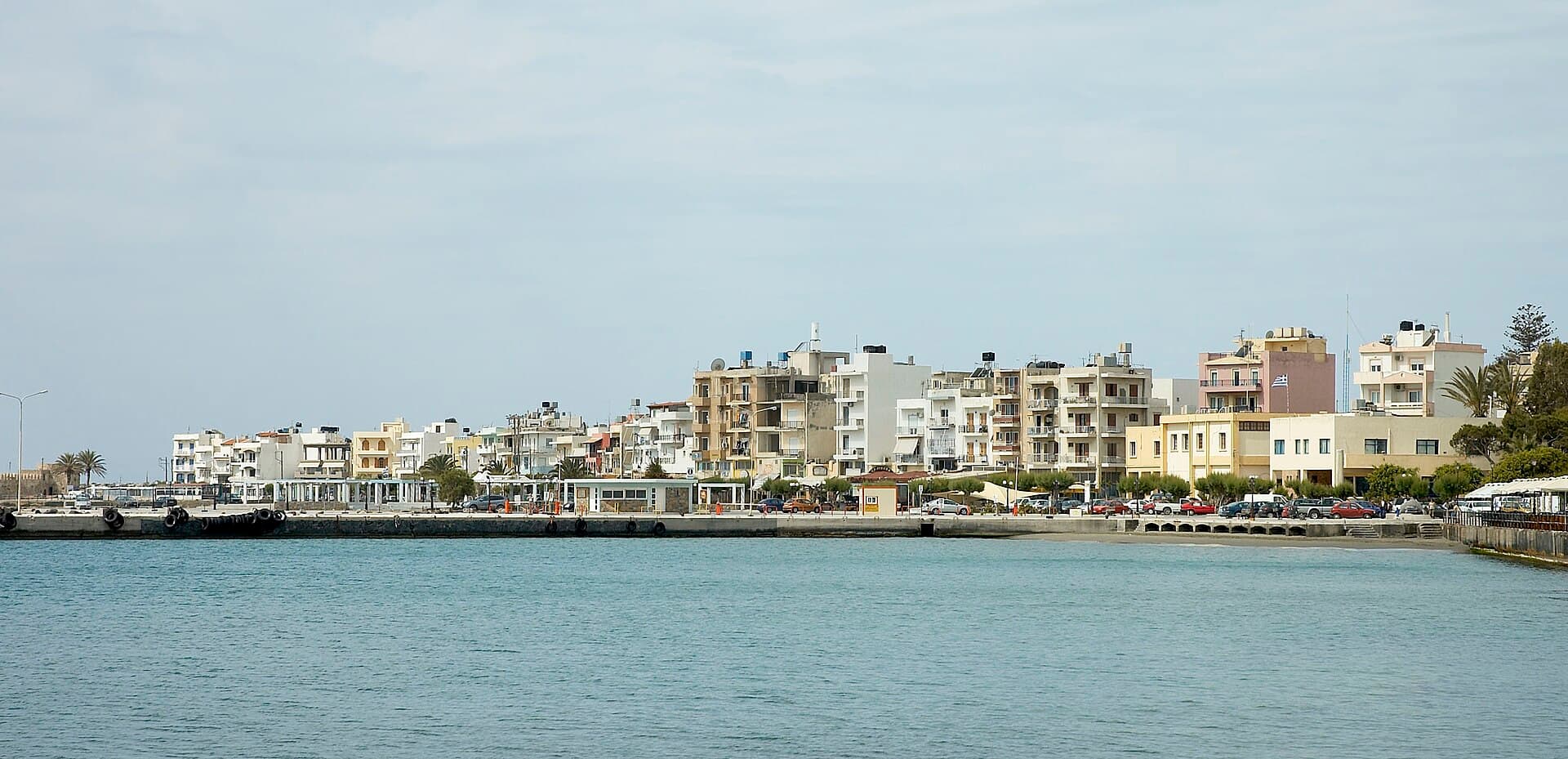 Wouter Hagens / CC BY-SA 3.0, via Wikimedia Commons
Tour de audio autoguiado de Ierápetra — ruta GPS a pie, reproducción offline, narración en 32 idiomas.
“Donde el mar de Libia susurra historias ancestrales y el sol se demora.”
No las postales. Las historias que ni los locales conocen — al oído, justo donde ocurrieron.
Una humilde casa en el casco antiguo de Ierápetra guarda una sorprendente, aunque no verificada, conexión con una figura histórica.
La fortaleza veneciana que custodia el puerto de Ierápetra oculta un secreto sobre sus verdaderos orígenes.
Esta isla 'dorada' frente a la costa de Ierápetra alberga una población inesperada.
Descubre todos los secretos de Ierápetra
Cada dirección, cada revelación al completo — a tu oído, justo donde ocurrió.
Eliges tus paradas. Caminas. La voz te revela lo que los demás ignoran.


Tu tour de audioguía por Ierápetra te espera — elige tus lugares, tu idioma y empieza al llegar.
ComprarLume incluye una guía de realidad aumentada. Levanta el móvil y su cámara muestra la calle que tienes delante, con una flecha luminosa sobre la imagen real que siempre apunta a tu próxima parada — sin mapas que descifrar, sin giros equivocados. Como todo en Lume, funciona completamente sin conexión.
Ierápetra, la ciudad más meridional de Europa, ofrece una experiencia cretense distintiva, un mundo aparte de la costa norte más concurrida de la isla. Con vistas al extenso mar de Libia, esta ciudad disfruta de uno de los climas más cálidos de Europa, con veranos prolongados e inviernos suaves. Es un lugar donde el ritmo de la vida se ralentiza suavemente, invitando a viajeros independientes, entusiastas de la naturaleza y aquellos que buscan la auténtica cultura griega a explorar sus costas bañadas por el sol y su núcleo tradicional. Si bien sirve como puerta de entrada a la virgen Isla de Chrissi, Ierápetra en sí misma posee un encanto tranquilo, con un animado paseo marítimo y un casco antiguo que conserva siglos de historia en sus estrechas callejuelas.
Ierápetra funciona como un importante centro regional en la prefectura de Lasithi, con una población de aproximadamente 16.000 residentes. Su posición estratégica la ha convertido históricamente en un centro fundamental para el comercio y la actividad marítima, conectando Creta con el norte de África y el Mediterráneo oriental en general. Hoy en día, la ciudad también es reconocida como una de las regiones agrícolas más productivas de Grecia, con invernaderos que cultivan frutas y verduras para exportar a toda Europa.
Ierápetra está construida sobre los cimientos de la antigua ciudad de Ierapytna, un asentamiento con orígenes que se remontan al período minoico. Inicialmente conocida por nombres como Kyrva, Kamiros y Pytna, Ierapytna se desarrolló como una formidable ciudad dórica en el este de Creta en el siglo IV a.C., a menudo compitiendo con ciudades vecinas como Praisos e Itanos. La ubicación estratégica de la ciudad en el punto más estrecho de Creta hizo que su puerto fuera particularmente importante para el comercio, especialmente con Egipto. Durante el período helenístico (siglos IV-I a.C.), Ierapytna acuñó sus propias monedas y controló un territorio más grande que cualquier otra ciudad cretense.
Ierapytna resistió ferozmente a los invasores romanos, pero finalmente fue conquistada y destruida en el 66 a.C. Sin embargo, fue reconstruida y prosperó bajo el dominio romano, convirtiéndose en una de las ciudades más cosmopolitas del Imperio Romano. Durante esta era, fue adornada con grandes edificios públicos, dos teatros, templos, baños y numerosas estatuas.
Ierápetra mantuvo su importancia durante el Primer Período Bizantino, incluso sirviendo como sede episcopal. Sin embargo, un potente terremoto de magnitud 7.5 en el 796 d.C. devastó la ciudad, y más tarde fue saqueada y destruida por corsarios sarracenos en el 824 d.C., quienes luego la reconstruyeron como base para sus operaciones piratas.
Durante la ocupación veneciana, la ciudad adquirió su nombre actual, Ierápetra, y sus fortificaciones fueron reforzadas. La Fortaleza de Kales, que se alza a la entrada del puerto, es una prominente supervivencia de esta era, reconstruida después de ser dañada por un terremoto y las incursiones otomanas en 1508. En 1647, Ierápetra quedó bajo dominio turco, y el período otomano dejó su huella en el casco antiguo, con la construcción de una mezquita y la Escuela Otomana (Mehtepi), que ahora alberga la Colección Arqueológica.
Comience su exploración en el Casco Antiguo de Ierápetra, conocido como Kato Mera, una deliciosa zona de pasajes estrechos, casas encaladas y arquitectura tradicional. Aquí, puede visitar la Fortaleza Veneciana de Kales, una estructura del siglo XIII que guarda la entrada del puerto, ofreciendo vistas de la ciudad y el Mar de Libia. Cerca, descubrirá la antigua mezquita, ahora un centro cultural, y la casa donde se cuenta que Napoleón Bonaparte pasó una noche.
La Colección Arqueológica de Ierápetra, situada en la antigua Escuela Otomana, exhibe artefactos de los períodos Minoico, Helenístico y Romano, incluyendo cerámica, estatuas e inscripciones. Para los amantes de la naturaleza, un viaje en barco a la Isla de Chrissi (también conocida como Gaidouronisi) es un punto culminante. Esta reserva natural deshabitada, 8 millas náuticas al sur de Ierápetra, ofrece aguas de color caribeño, playas de arena dorada y bosques de cedros únicos. En tierra firme, Ierápetra ofrece numerosas playas. La playa principal de la ciudad es de fácil acceso, mientras que la playa de Makrigialos, 20 minutos al este, cuenta con kilómetros de arena dorada. Más al oeste, la espectacular costa alrededor de Myrtos presenta una experiencia escénica diferente.
Las épocas más favorables para visitar Ierápetra para disfrutar de un clima cálido y soleado y menos multitudes son durante mayo-junio o septiembre-octubre. En estos meses, las temperaturas oscilan entre 22 y 25 °C, y el mar es ideal para nadar. La primavera (abril-mayo) también trae flores silvestres en flor y temperaturas agradables. Si bien el verano (junio-agosto) ofrece el clima más cálido, con temperaturas alrededor de 28-32 °C y hasta 12 horas de sol, también es la temporada alta de turismo, lo que lleva a precios de alojamiento más altos y atracciones más concurridas. La ubicación meridional de Ierápetra le confiere uno de los climas más suaves de Europa, con veranos largos y muy pocas lluvias, lo que la convierte en un destino atractivo hasta bien entrado el otoño.
Para llegar a Ierápetra desde Atenas, tome un ferry al puerto de Heraclión en Creta, luego conduzca aproximadamente 90 minutos hacia el sur. El aeropuerto de Heraclión está a unos 90 minutos por carretera, y el aeropuerto de Sitia está a unos 60 minutos. Si bien el centro de la ciudad y el casco antiguo son fácilmente transitables a pie, se recomienda encarecidamente alquilar un coche para explorar las mejores playas, pueblos de montaña y áreas circundantes, ya que el transporte público puede ser limitado. Muchos hoteles ofrecen estacionamiento, y se pueden encontrar plazas gratuitas a lo largo del paseo marítimo. Para excursiones de un día a la Isla de Chrissi, los barcos salen regularmente del puerto de Ierápetra. Es aconsejable reservar alojamiento y excursiones con antelación, especialmente durante la temporada alta. El agua del grifo en Ierápetra es segura para beber. Dejar una propina de alrededor del 5-10% en restaurantes y cafeterías es habitual. Llevar algunos euros en billetes pequeños también es una buena idea, ya que algunos vendedores pueden aceptar solo efectivo.
Ierápetra en coreano, en chino o en hebreo — y 29 idiomas más, cada parada narrada por una voz nativa. La mayor variedad de idiomas de cualquier audioguía autoguiada.
Disponible en: