El Laberinto
El legendario Laberinto del Minotauro podría no haber sido un laberinto subterráneo en absoluto, sino algo mucho más visible.
La historia completa se desbloquea en el tour
Tour de audio autoguiado de Cnosos — ruta GPS a pie, reproducción offline, narración en 32 idiomas.
“Recorre los pasillos donde el mito y la historia se entrelazan, y la leyenda del Minotauro aún resuena.”
No las postales. Las historias que ni los locales conocen — al oído, justo donde ocurrieron.
El legendario Laberinto del Minotauro podría no haber sido un laberinto subterráneo en absoluto, sino algo mucho más visible.
Los minoicos construyeron un gran palacio que se mantuvo durante siglos, incluso en una región propensa a terremotos, gracias a un ingenioso secreto de ingeniería.
The Minoans built a grand palace that stood for centuries, even in an earthquake-prone region, thanks to a clever engineering secret.
Descubre todos los secretos de Cnosos
Cada dirección, cada revelación al completo — a tu oído, justo donde ocurrió.
Eliges tus paradas. Caminas. La voz te revela lo que los demás ignoran.


Lume incluye una guía de realidad aumentada. Levanta el móvil y su cámara muestra la calle que tienes delante, con una flecha luminosa sobre la imagen real que siempre apunta a tu próxima parada — sin mapas que descifrar, sin giros equivocados. Como todo en Lume, funciona completamente sin conexión.
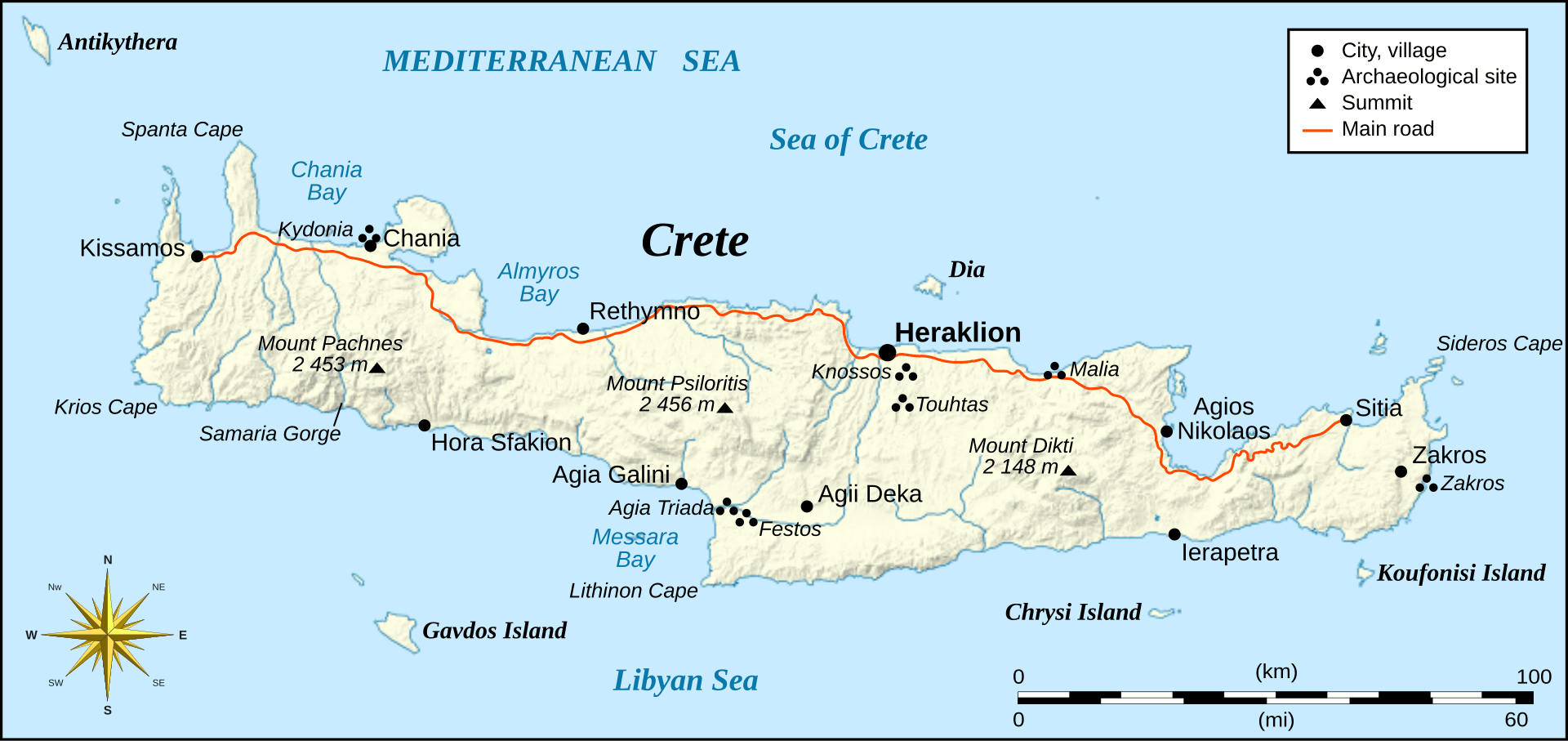
Cnosos, situado a solo 5 kilómetros al sur de Heraclión en la isla de Creta, es un sitio arqueológico monumental que una vez sirvió como el corazón de la civilización minoica. A menudo referida como la ciudad más antigua de Europa, Cnosos experimentó una ocupación continua durante varios milenios, comenzando con un asentamiento neolítico alrededor del 7000 a.C. El extenso complejo palaciego, la característica más significativa del sitio hoy en día, no era simplemente una residencia real, sino un próspero centro administrativo, económico, religioso y ceremonial.
El nombre Cnosos resuena con historias de la mitología griega, más famosamente como la sede del legendario Rey Minos y el sitio del Laberinto del Minotauro. Si bien los mitos son cautivadores, los descubrimientos arqueológicos aquí revelan una sofisticada cultura de la Edad del Bronce con arquitectura avanzada, intrincados frescos y una compleja estructura social que influyó profundamente en las civilizaciones griega y romana posteriores.
## Del Asentamiento Neolítico a la Potencia Minoica Cnosos presenta una notable cronología de la habitación humana, con el asentamiento más antiguo conocido que data de aproximadamente el 7000 a.C. durante el período Neolítico temprano. Esto lo convierte en uno de los asentamientos permanentes más antiguos de Creta y del Egeo. Durante milenios, pequeñas comunidades prosperaron, expandiéndose gradualmente y acumulando profundos depósitos arqueológicos.
El primer gran palacio de Cnosos fue construido alrededor del 1900 a.C., marcando un cambio significativo en la organización del asentamiento y la región circundante. Este palacio inicial funcionó como un centro para la administración, el almacenamiento, la redistribución, la actividad ritual y la producción artesanal, con evidencia de una compleja burocracia a través del uso de sistemas de escritura y áreas de almacenamiento especializadas. Alrededor del 1700 a.C., este primer palacio fue destruido, probablemente por un terremoto o una serie de eventos sísmicos.
Sin inmutarse, los minoicos reconstruyeron el palacio a una escala aún más grandiosa y elaborada, dando paso a lo que se conoce como el Segundo Período Palacial (aproximadamente del 1700 al 1450 a.C.), el cenit de la Cnosos minoica. Este complejo reconstruido presentaba edificios de varios pisos, sofisticados sistemas de drenaje y extensos talleres y aposentos. Las paredes del palacio estaban adornadas con detallados frescos que representaban rituales religiosos, la naturaleza y la vida diaria minoica, mostrando su destreza artística. Alrededor del 1450 a.C., los micénicos de la Grecia continental tomaron el control de Cnosos, integrándolo en su esfera cultural en expansión e introduciendo el uso de tablillas Lineal B. El palacio finalmente sufrió su destrucción final por un incendio alrededor del 1350 a.C., después de lo cual dejó de funcionar como centro administrativo. A pesar del abandono del palacio, el sitio continuó siendo ocupado, evolucionando hacia una ciudad griega y manteniendo su prestigio hasta los períodos romano y bizantino temprano.
El sitio arqueológico de Cnosos abarca aproximadamente 20,000 metros cuadrados, ofreciendo una visión de la sofisticada civilización minoica. La característica dominante es el Palacio de Minos, un complejo de varios niveles que los visitantes pueden explorar. Las áreas clave incluyen el Patio Central, un gran espacio rectangular probablemente utilizado para ceremonias y reuniones. El Patio Oeste servía como un acceso principal al palacio y también tenía funciones ceremoniales. Dentro del ala oeste, encontrará importantes áreas administrativas y rituales, incluyendo almacenes (salas de almacenamiento), criptas de pilares y depósitos. El complejo de la Sala del Trono, con su distintiva silla de yeso, es un punto focal. Los aposentos reales, talleres y salones de banquetes están dispuestos alrededor del patio central. Tómese su tiempo para observar la Gran Escalera y los detallados frescos, algunos de los cuales son reconstrucciones, que ofrecen información sobre el arte y la vida diaria minoica. Para una comprensión más profunda de los artefactos originales y las obras maestras de Cnosos, se recomienda encarecidamente una visita al Museo Arqueológico de Heraclión, ya que alberga muchos de los descubrimientos significativos.
El Palacio de Cnosos está abierto todo el año. Para una experiencia más cómoda con menos multitudes y un clima más fresco, considere visitarlo durante la temporada baja, de noviembre a marzo. Las temporadas intermedias, de abril a junio y de septiembre a octubre, también ofrecen un clima agradable y menos multitudes en comparación con los meses pico de verano. Si visita durante la temporada alta (julio y agosto), es recomendable llegar temprano por la mañana (justo a la apertura) o a última hora de la tarde para evitar los períodos más concurridos y el calor intenso. Los días laborables suelen estar menos concurridos que los fines de semana.
Cnosos se encuentra a unos 5 kilómetros al sur de Heraclión, la capital de Creta. El sitio tiene cuatro entradas principales, siendo la entrada oeste el punto de acceso principal para los visitantes, que conduce directamente a la taquilla. Permita entre 1.5 y 2 horas para explorar las áreas clave del sitio, o de 3 a 4 horas para una visita más profunda. Los zapatos cómodos para caminar son esenciales debido a las superficies irregulares. También se recomienda llevar un sombrero, gafas de sol y una botella de agua reutilizable, especialmente durante los meses más cálidos. Hay estacionamiento disponible cerca de la entrada principal.
Se requieren entradas para acceder. El precio oficial de una entrada estándar para adultos es de 20 €, con una tarifa reducida de 10 €. Ahora se requieren estrictamente entradas con horario fijo, que deben comprarse en línea con antelación a través de la plataforma estatal oficial, hhticket.gr. Los niños menores de 5 años y los ciudadanos de la UE menores de 25 años pueden calificar para la entrada gratuita, mientras que los ciudadanos no pertenecientes a la UE menores de 25 años pueden recibir una entrada a precio reducido durante meses específicos. Anteriormente estaban disponibles entradas combinadas para Cnosos y el Museo Arqueológico de Heraclión, pero ya no se ofrecen a partir de abril de 2024; ahora se requieren entradas separadas para cada sitio.
Cnosos en coreano, en chino o en hebreo — y 29 idiomas más, cada parada narrada por una voz nativa. La mayor variedad de idiomas de cualquier audioguía autoguiada.
Disponible en: