Tribunal del Condado de Mohave
La leyenda dice que Kingman se convirtió en la sede del condado gracias a un truco del viejo oeste.
La historia completa se desbloquea en el tour
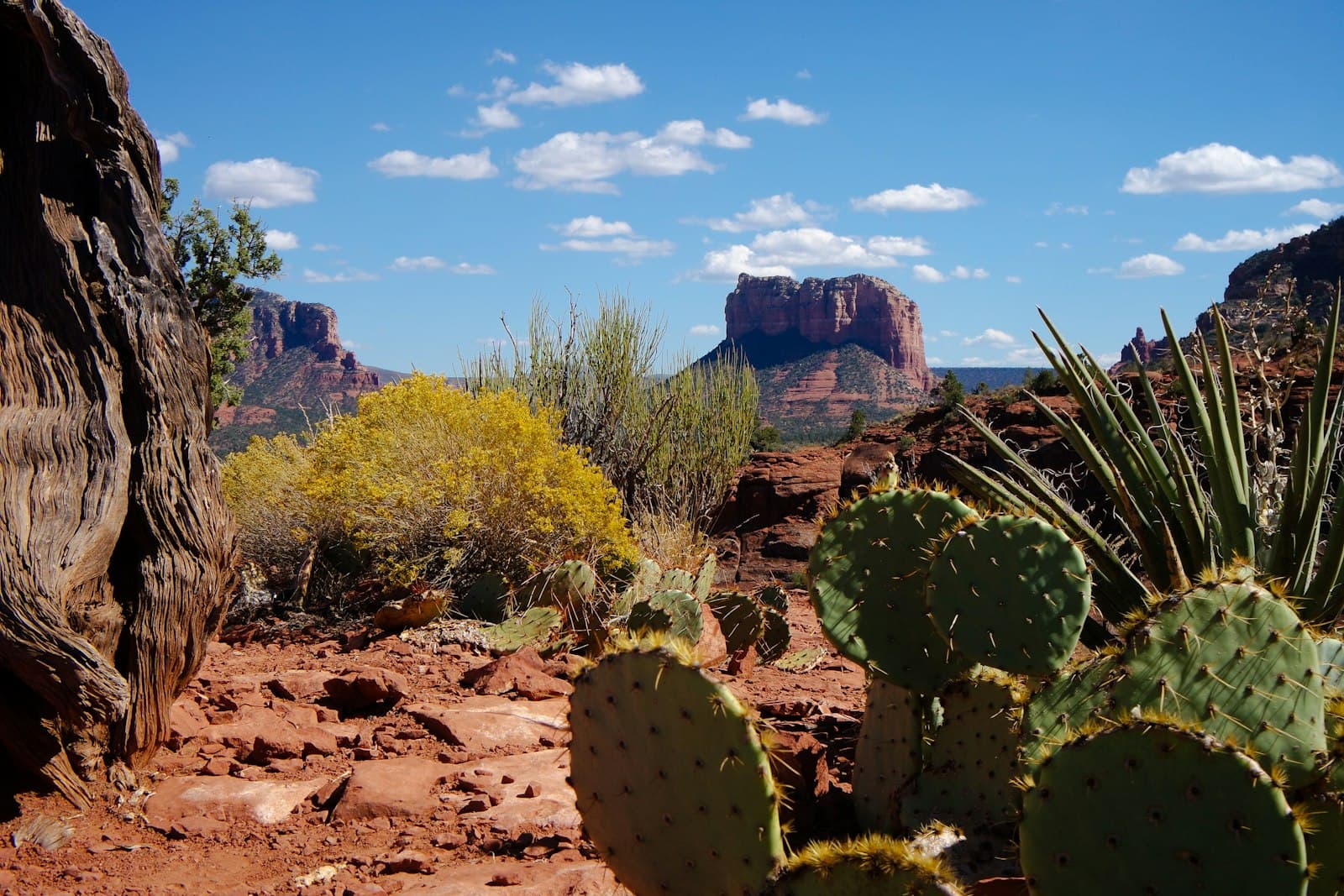 Photo: Michaela / Unsplash
Tour de audio autoguiado de Kingman — ruta GPS a pie, reproducción offline, narración en 32 idiomas.
“Donde la Carretera Madre se encuentra con la mística de Mojave.”
No las postales. Las historias que ni los locales conocen — al oído, justo donde ocurrieron.
La leyenda dice que Kingman se convirtió en la sede del condado gracias a un truco del viejo oeste.
Durante la Segunda Guerra Mundial, un sorprendente personaje de dibujos animados sirvió como mascota oficial de la base de entrenamiento de artillería aérea de Kingman.
Una legendaria pareja de Hollywood eligió Kingman para su boda improvisada.
Descubre todos los secretos de Kingman
Cada dirección, cada revelación al completo — a tu oído, justo donde ocurrió.
Eliges tus paradas. Caminas. La voz te revela lo que los demás ignoran.

Tu tour de audioguía por Kingman te espera — elige tus lugares, tu idioma y empieza al llegar.
ComprarKingman, Arizona, a menudo llamada 'El Corazón de la Histórica Ruta 66', ofrece una atractiva mezcla de Americana clásica y aventura en el desierto. Situada en el Valle de Hualapai entre las sierras de Cerbat y Hualapai, esta ciudad sirve como una puerta de entrada vital para los viajeros que exploran la icónica Carretera Madre y las maravillas naturales del noroeste de Arizona.
Más allá de su conocida asociación con la Ruta 66, Kingman posee una historia profunda y a menudo sorprendente, desde sus orígenes como ciudad ferroviaria hasta su importante papel en la Segunda Guerra Mundial. El clima moderado de la ciudad y los extensos paisajes desérticos proporcionan un telón de fondo para actividades al aire libre durante todo el año, mientras que su centro histórico invita a explorar la arquitectura vintage, tiendas únicas y una animada cultura local.
## De Centro Ferroviario a Icono de la Ruta 66 La historia de Kingman comienza en 1882, establecida como un apartadero ferroviario por el Ferrocarril del Atlántico y el Pacífico y nombrada en honor al ingeniero Lewis Kingman. El ferrocarril trajo el comercio, transformando el modesto asentamiento en un centro crucial de suministro y envío para los mineros y ganaderos de la región. Un importante hallazgo de oro en las Montañas Negras a principios de siglo impulsó aún más el crecimiento de Kingman.
A principios del siglo XX, el papel de Kingman en el transporte se expandió más allá de las vías. En 1929, los aviadores Charles Lindbergh y Amelia Earhart dedicaron Port Kingman, el primer aeropuerto comercial de Arizona, una parada clave en el sistema de Transporte Aéreo Transcontinental. Casi al mismo tiempo, la finalización de la Ruta 66 cimentó el lugar de Kingman en la tradición estadounidense. El trazado original de la Ruta 66 de 1926 siguió la Carretera Nacional de los Viejos Senderos a través de la ciudad, marcando el comienzo de una época dorada de viajes en automóvil y turismo.
Durante la década de 1930, Kingman se hizo conocida como la 'Puerta a la Presa Boulder' (ahora Presa Hoover), con la Central Eléctrica, ahora un centro de visitantes, proporcionando electricidad para la construcción de la presa. La Segunda Guerra Mundial trajo otra transformación, ya que el Campo Aéreo del Ejército de Kingman se estableció como una de las bases de entrenamiento de artillería aérea más grandes de la USAAF, entrenando a más de 36,000 artilleros. Después de la guerra, el campo aéreo se convirtió en un sitio masivo de recuperación de aviones militares obsoletos, y muchos soldados que entrenaron allí regresaron para hacer de Kingman su hogar. Kingman se incorporó en 1952, notablemente como la última sede de condado en los Estados Unidos en ser incorporada.
Hoy, Kingman continúa abrazando su pasado perdurable, con más de 60 edificios en el Registro Nacional de Lugares Históricos y un animado centro que celebra su patrimonio ferroviario, minero y de la Ruta 66.
Comience su exploración en el Centro de Visitantes Powerhouse, que alberga el Museo de la Ruta 66 de Arizona y el Museo de Vehículos Eléctricos de la Ruta 66 de la Fundación Histórica de Vehículos Eléctricos. Aquí, podrá sumergirse en la historia de la Carretera Madre y maravillarse con una colección única de vehículos eléctricos, incluido un carrito de golf que una vez fue propiedad de Willie Nelson.
Salga al Parque de las Locomotoras para admirar la locomotora Santa Fe No. 3759, una potente máquina de vapor que una vez recorrió 2.5 millones de millas. Pasee por el Centro Histórico de Kingman, donde el Arco de Beale Street le da la bienvenida a un distrito bordeado de edificios en el Registro Nacional de Lugares Históricos. Explore boutiques locales, restaurantes acogedores y tiendas de antigüedades.
Para una inmersión más profunda en la historia local, visite el Museo de Historia y Artes de Mohave, que ofrece información sobre el diverso patrimonio del noroeste de Arizona. No se pierda el Sendero de Carretas de White Cliffs para una caminata única donde podrá ver huellas de carretas grabadas en piedra desde finales del siglo XIX. Y para una peculiar atracción de carretera, pose con Giganticus Headicus, una estatua tiki de 14 pies de altura al este de la ciudad.
Las mejores épocas para visitar Kingman son durante la primavera (marzo a mayo) y el otoño (septiembre a noviembre). Durante estas estaciones, el clima es templado y agradable, ideal para explorar las atracciones al aire libre y disfrutar del paisaje desértico. Los veranos pueden ser muy calurosos, con máximas promedio que alcanzan los 36°C en julio, lo que hace que las noches sean agradables para observar las estrellas. Los inviernos son generalmente templados, aunque las noches pueden ser frías, con mínimas promedio de alrededor de 1°C en diciembre.
Kingman es fácilmente accesible en coche, especialmente para aquellos que viajan por la Interestatal 40 o la Histórica Ruta 66. Aunque existen algunas opciones de transporte público como Kingman Area Regional Transit (KART) para el servicio de autobús local, tener un coche ofrece la mayor flexibilidad para explorar la ciudad y sus alrededores. Amtrak también tiene una estación en Kingman, con trenes que llegan dos veces al día. Para viajes en autobús más largos, FlixBus y Greyhound ofrecen conexiones a varias ciudades.
Las opciones de alojamiento van desde moteles económicos hasta hoteles de gama media y campamentos para caravanas. Al empacar, considere capas para primavera y otoño, ropa ligera, protector solar y un sombrero para los veranos calurosos, y una chaqueta abrigada para las noches más frescas de invierno.
Kingman en coreano, en chino o en hebreo — y 29 idiomas más, cada parada narrada por una voz nativa. La mayor variedad de idiomas de cualquier audioguía autoguiada.
Disponible en: