Köthen Castle
A careless baker once sparked a devastating fire at Köthen Castle.
Full story unlocks in the tour
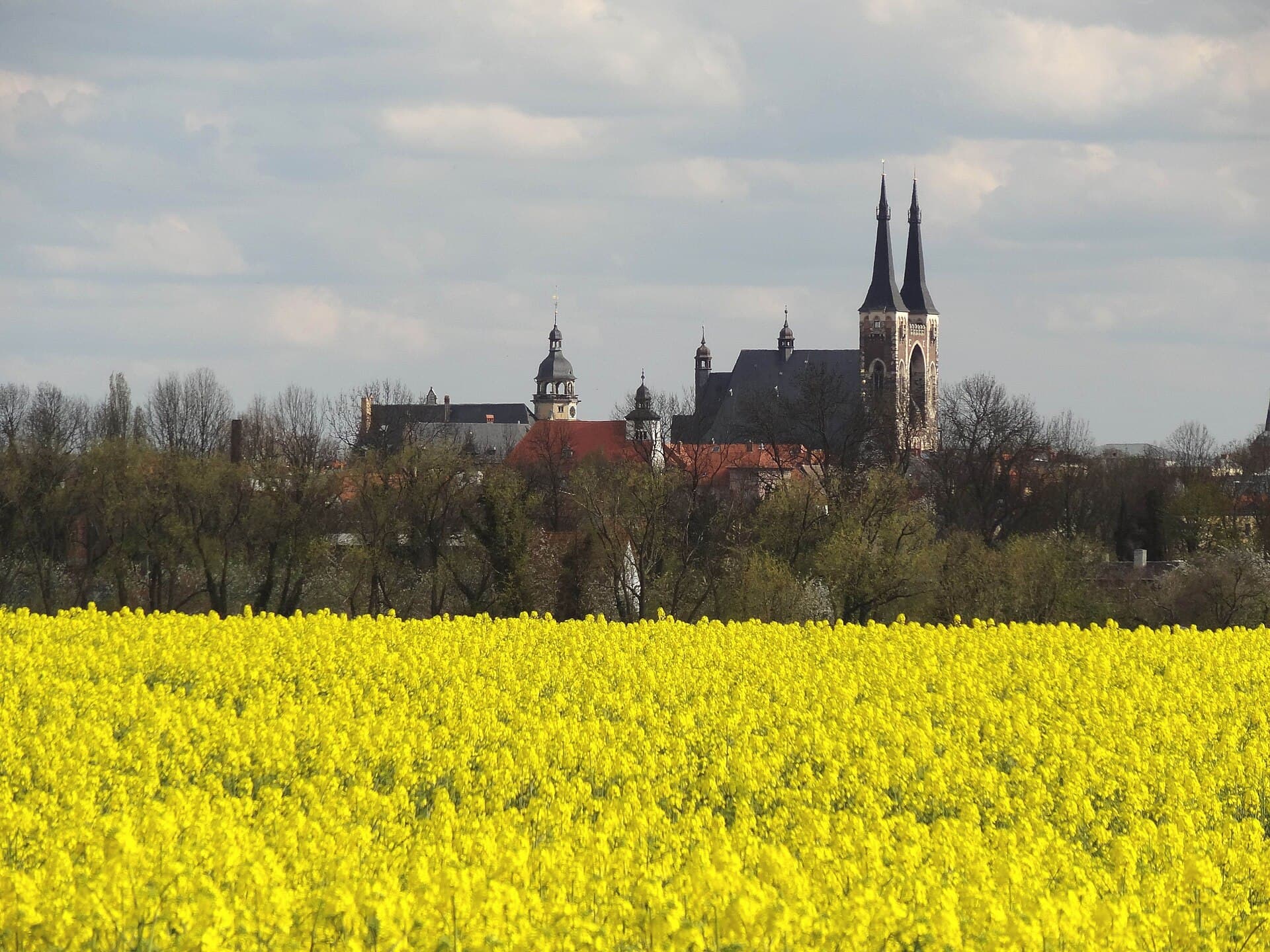 MEH Bergmann / CC BY-SA 4.0, via Wikimedia Commons
Self-guided audio walking tour of Köthen — GPS route, offline playback, story-driven narration in 32 languages.
“Where the notes of Bach found their form and a new path in medicine began.”
Not the postcards. The stories even locals don't know — whispered in your ear, right where they happened.
A careless baker once sparked a devastating fire at Köthen Castle.
Bach's arrival in Köthen was preceded by a month-long imprisonment.
The house where Bach resided for many years in Köthen also served the court orchestra.
Discover every secret of Köthen
Every address, every reveal in full — in your ear, right where it happened.
You pick your stops. You walk. The voice reveals what the others miss.
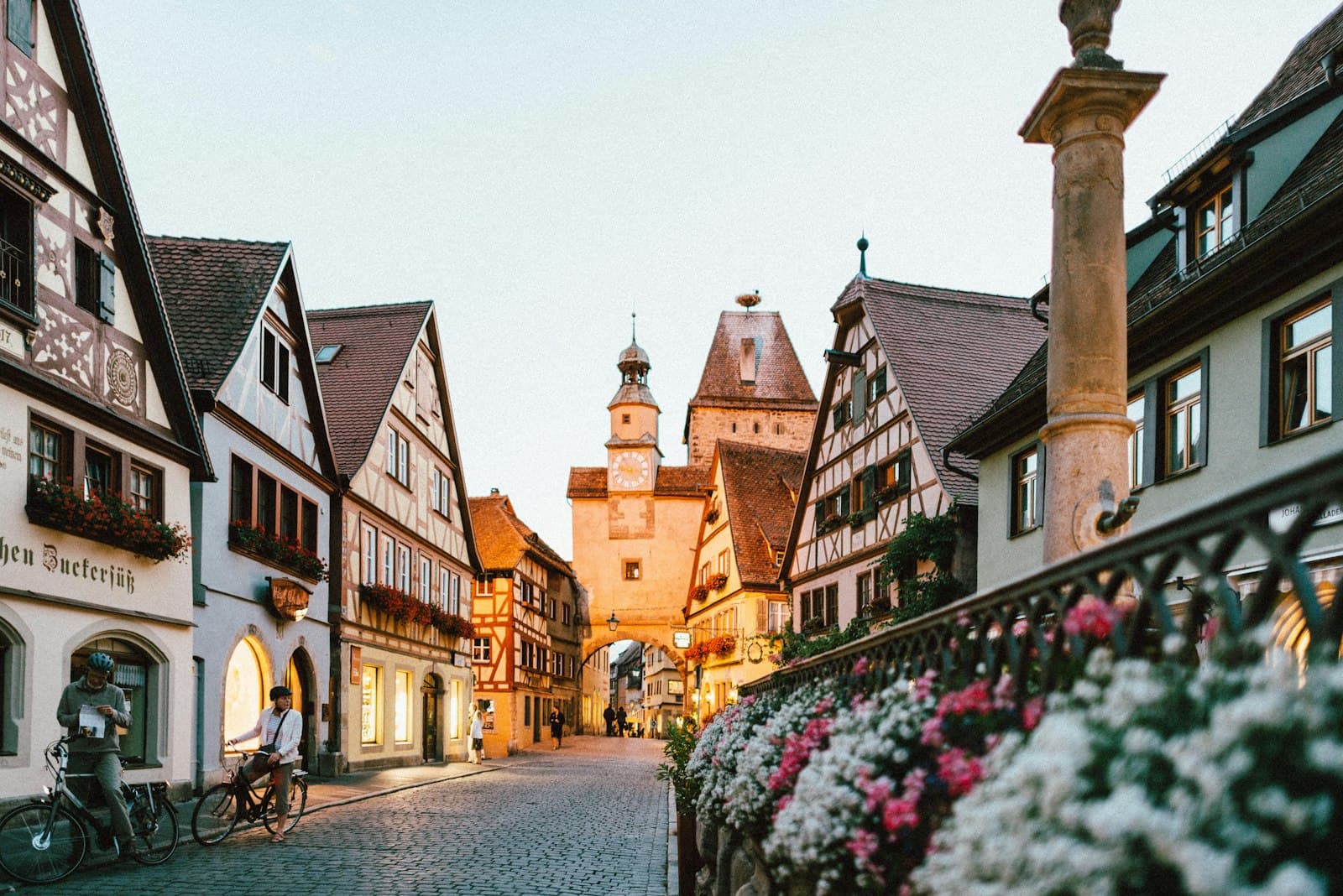
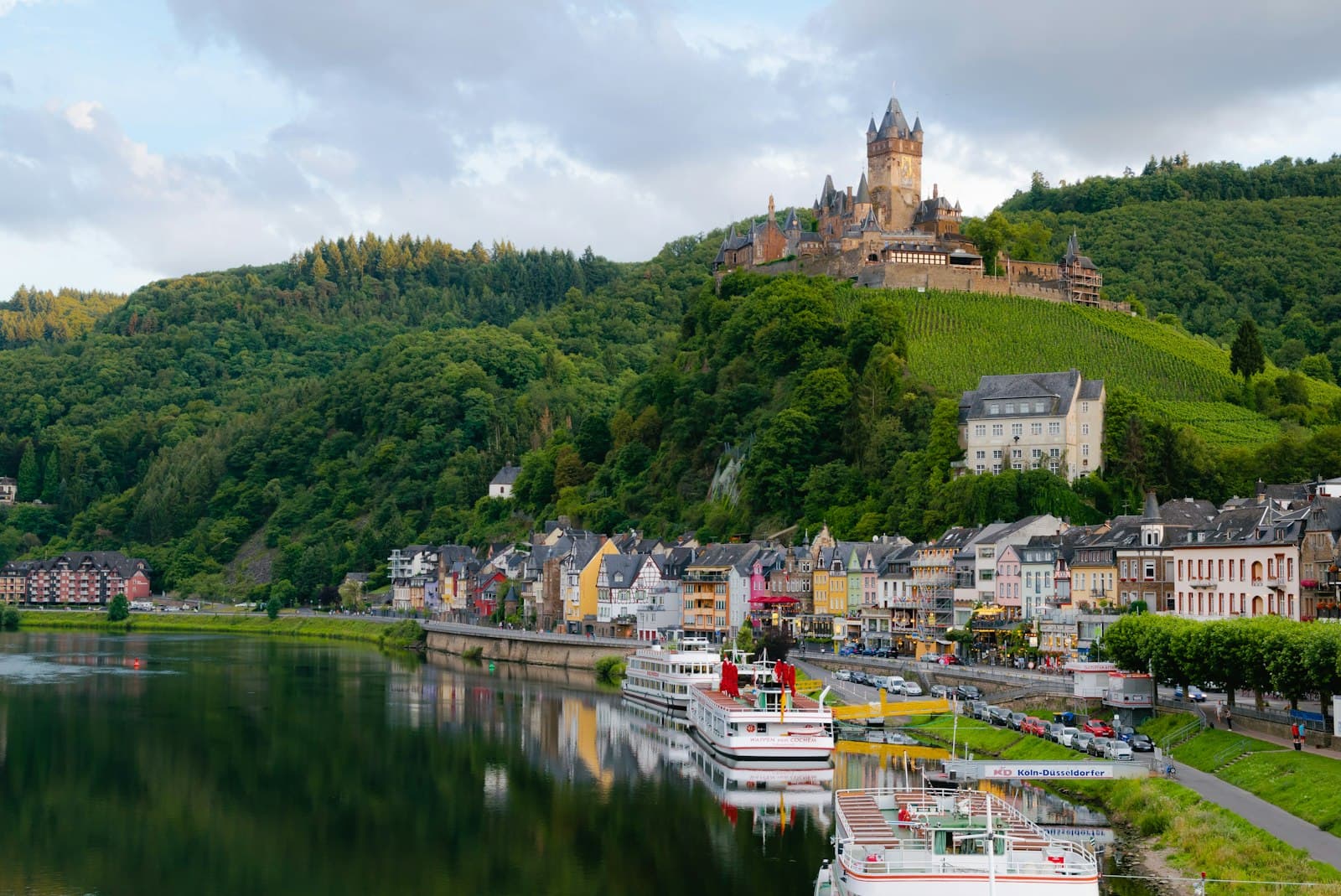
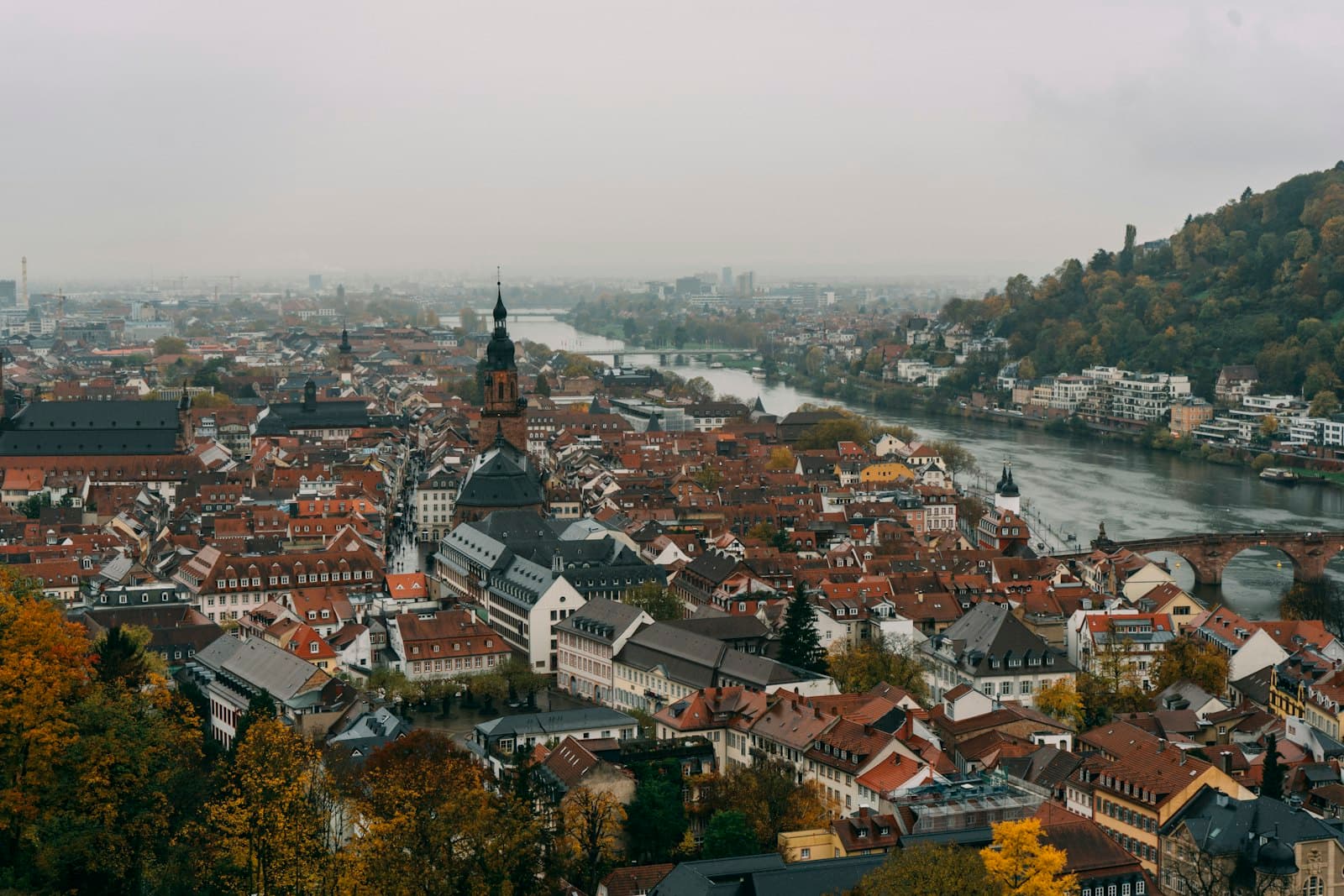
Your self-guided audio tour of Köthen is ready — pick your landmarks, choose your language, and start the moment you arrive.
BuyLume has a built-in augmented-reality guide. Hold your phone up and its camera shows the street ahead of you, with a glowing arrow laid over the real view that always points to your next stop — no map to puzzle over, no wrong turns. Like everything in Lume, it works fully offline.
Köthen, a town in Saxony-Anhalt, Germany, invites a journey through European history, music, and science. Despite its relatively modest dimensions, Köthen occupies a significant position on the cultural landscape, largely due to its association with Johann Sebastian Bach and Samuel Hahnemann. The town radiates a calm, old-European atmosphere, making it an ideal destination for those seeking a contemplative retreat from more bustling urban centers.
At the core of Köthen stands its grand castle, a former ducal residence now reimagined as a cultural and historical hub. Beyond its architectural splendor, the town's thoroughfares and historic structures form a cohesive ensemble, encouraging visitors to uncover its layers of heritage. From its medieval origins to its pivotal contributions to classical music and the evolution of homeopathy, Köthen offers a distinctive fusion of intellectual and artistic legacies.
Today, Köthen gracefully connects tradition with contemporary life, notably as the administrative center and main campus of the Anhalt University of Applied Sciences, drawing students from over 100 nations. This lively academic presence, combined with its historical importance, positions Köthen as a compelling destination for cultural enrichment and peaceful exploration in the German provinces.
## From Slavic Settlement to Princely Residence Köthen's narrative begins in the distant Middle Ages, with its initial written mention as "Cothne" in 1115, a name of Slavic origin hinting at ancient habitation of these fertile grounds. By the close of the 12th century, the settlement began to mint its own coins, a clear sign of its increasing economic and commercial standing. The completion of a city wall in 1280 further solidified Köthen's identity as a developed medieval city.
## The Ascendance of Anhalt-Köthen The city's fate profoundly shifted in 1603 when it became the official residence of the Princes of Anhalt, specifically the Anhalt-Köthen line of the House of Ascania. This elevation to a princely capital stimulated considerable architectural and urban development, centered around the princely castle. For over two centuries, until 1847, Köthen remained the capital of the independent principality (and later duchy) of Anhalt-Köthen.
## A Flourishing Era of Culture and Science The 17th and 18th centuries marked a cultural high point for Köthen. In 1617, Prince Ludwig I established the "Fruitbearing Society," the first and largest German literary association dedicated to standardizing and advancing the German language. This endeavor cemented Köthen's standing as an intellectual center. The city then entered its "golden period" of Baroque music from 1717 to 1723 when Johann Sebastian Bach served as court Kapellmeister for Prince Leopold. It was during these years that Bach composed some of his most celebrated secular instrumental works, including the Brandenburg Concertos and the first volume of The Well-Tempered Clavier.
## The Home of Homeopathy and Industrial Expansion In the 19th century, Köthen earned international recognition as the "world capital of homeopathy." Samuel Hahnemann, the originator of this alternative medicine, lived and practiced here from 1821 to 1835, authoring significant works on chronic diseases. The mid-19th century also brought a railway transformation. In 1840, Köthen became one of Germany's first major railway intersections, linking lines from Magdeburg, Berlin, and Leipzig. This strategic logistical position fueled industrial expansion, particularly in the sugar and coal mining equipment sectors, and led to urban growth beyond the medieval walls.
## Contemporary Köthen The city continued to evolve, establishing the Friedrichs-Polytechnikum in 1891, which laid the foundation for its strong tradition in engineering education. Today, this legacy is carried forward by the Anhalt University of Applied Sciences, making Köthen a lively academic center.
Begin your exploration at Köthen Castle (Schloss Köthen), the city's undeniable focal point. This magnificent complex, once a princely residence, now houses several museums. Delve into the region's past at the Historical Museum, immerse yourself in Bach's legacy at the Bach Memorial Museum, and admire the distinctive Naumann Ornithological Museum, which preserves a vast 19th-century bird collection. Be sure to experience the splendid Hall of Mirrors, where Bach's music continues to resonate.
Adjacent to the castle, the Prinzessinhaus (Princess's House), constructed in 1779, offers a glimpse into courtly life and now serves various cultural organizations. Wander through the castle's surrounding park, a part of Saxony-Anhalt's "Garden Dreams" network.
Beyond the castle grounds, discover St. Jakob's Church, with its distinctive twin spires, a prominent feature of Köthen's skyline since 1400. Another significant church is St. Agnus, also connected to Bach's time in the city. For those curious about homeopathy, Samuel Hahnemann's preserved residence provides an insightful look into the life and work of the medical pioneer.
Families and those who appreciate nature can enjoy the Köthen Zoo, a well-maintained green space concentrating on European fauna and birds, with expansive enclosures integrated into the natural landscape. The city also features historical gates like the Hallescher Turm and Magdeburger Turm, enduring elements of its medieval past.
The most agreeable time to visit Köthen for general outdoor tourist activities is from mid-June to early September, when the weather is most pleasant with clear, rainless days and temperatures ranging between 18°C and 27°C (65°F and 80°F). July typically sees the warmest conditions, with an average high of 24°C (75°F). While summers are comfortable, rainfall is distributed fairly evenly throughout the year, so carrying a compact umbrella or raincoat is advisable.
For those seeking warmer weather pursuits, mid-July to mid-August offers peak conditions. Winters are extended and cold, with January being the coldest month, averaging around -1°C (30°F) at night and 5°C (41°F) during the day. Spring and autumn provide gradual temperature transitions, ideal for appreciating nature's seasonal transformations.
Köthen is a city easily explored on foot; most attractions, including Köthen Castle, are readily accessible from the city center. The main railway station, Köthen (Bahnhof Köthen), serves as a significant intersection with connections to Magdeburg, Leipzig, and Dessau, and IC trains also make stops here. Direct IC trains are available from Halle-Leipzig Airport. For navigating the city, a bicycle is highly recommended, as local trains within Saxony-Anhalt often permit bicycles without charge.
Köthen is generally a secure town for evening strolls. Pharmacies are denoted by a red 'A' (Apotheke), and information regarding 24/7 duty pharmacies can be found at any closed pharmacy. The emergency number is 112. Tap water is safe for consumption.
Public guided tours of the city are offered on the first Saturday of each month from April to October at 1:30 PM, commencing from the Tourist Information office located at Schlossplatz 5.
Köthen in Korean, in Chinese or in Hebrew — and 29 more languages, every stop narrated by a native voice. The widest language range of any self-guided audio tour.
Available in: