Catedral de Lamego
La Catedral de Lamego, con su torre románica, oculta una conexión con un célebre arquitecto italiano dentro de su grandioso interior.
La historia completa se desbloquea en el tour
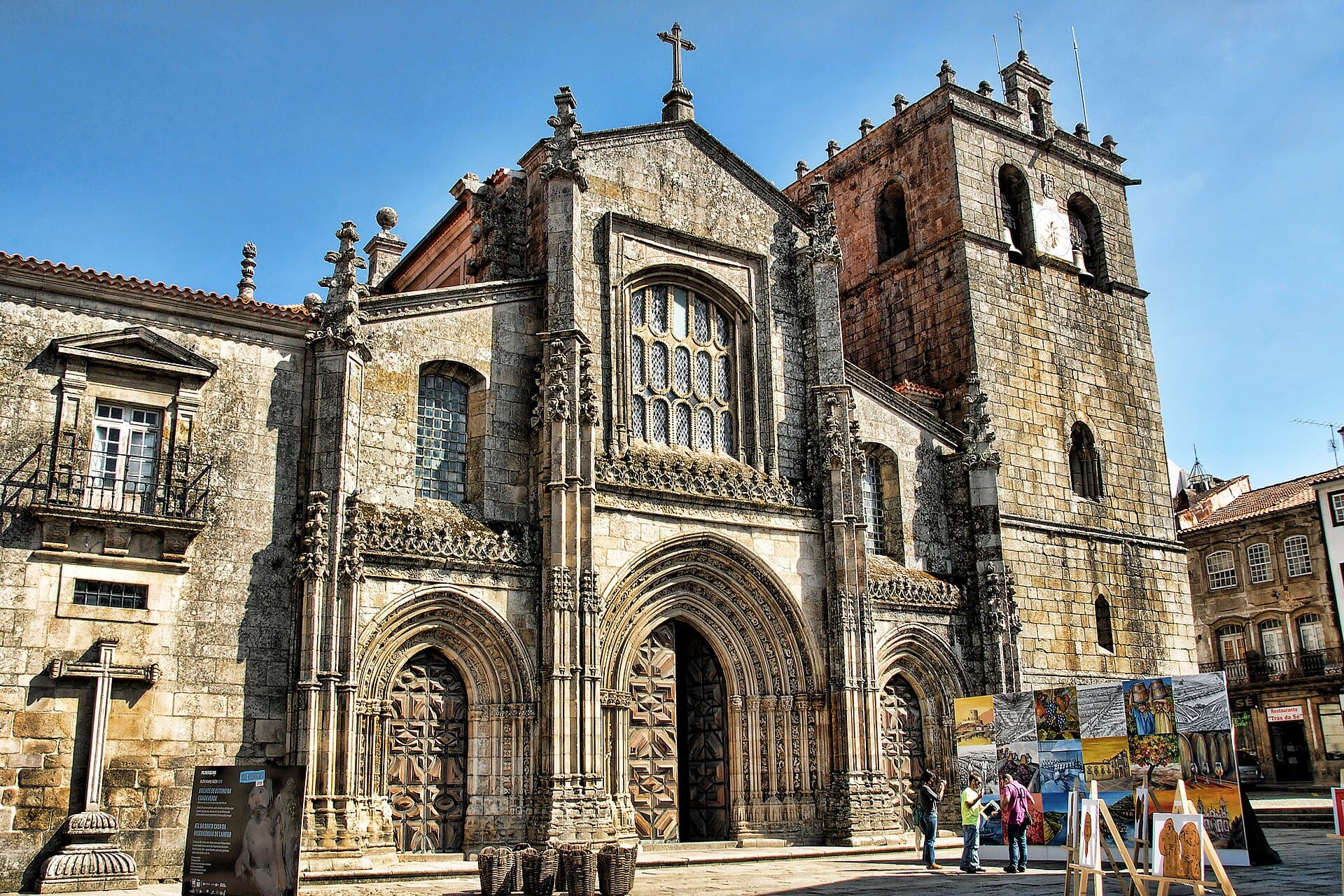 António Amen / CC BY-SA 3.0, via Wikimedia Commons
Tour de audio autoguiado de Lamego — ruta GPS a pie, reproducción offline, narración en 32 idiomas.
“Donde las piedras antiguas se encuentran con el esplendor barroco y fluye el vino espumoso.”
No las postales. Las historias que ni los locales conocen — al oído, justo donde ocurrieron.
La Catedral de Lamego, con su torre románica, oculta una conexión con un célebre arquitecto italiano dentro de su grandioso interior.
La monumental escalera que asciende al Santuario de Nossa Senhora dos Remédios es un viaje en sí misma, sin embargo, un sutil detalle en su base podría sorprenderte.
Las ruinas del castillo de Lamego del siglo XII ofrecen vistas expansivas, pero dentro de sus antiguas murallas yace un rastro sobreviviente de una ocupación anterior.
Descubre todos los secretos de Lamego
Cada dirección, cada revelación al completo — a tu oído, justo donde ocurrió.
Eliges tus paradas. Caminas. La voz te revela lo que los demás ignoran.
![Lamego — boats docked near seaside promenade]](/_next/image?url=https%3A%2F%2Fxkitrzghrapdsyyvojzr.supabase.co%2Fstorage%2Fv1%2Fobject%2Fpublic%2Flume-images%2Fcities%2Flamego-gallery-1.jpg&w=1920&q=75)


Lume incluye una guía de realidad aumentada. Levanta el móvil y su cámara muestra la calle que tienes delante, con una flecha luminosa sobre la imagen real que siempre apunta a tu próxima parada — sin mapas que descifrar, sin giros equivocados. Como todo en Lume, funciona completamente sin conexión.
Excellent self explanatory. Easy to follow at own pace worth every penny .
Sobre los viñedos en terrazas del Valle del Duero, Lamego es una ciudad que habla de los cimientos mismos de Portugal. Este antiguo asentamiento, con raíces que se extienden a tiempos prerromanos, presenta una atractiva mezcla de esplendor histórico, dedicación religiosa y legado vitivinícola. A diferencia de las comunidades ribereñas, Lamego se encuentra un poco apartada, conservando su carácter auténtico como una ciudad trabajadora con una catedral de granito en su centro y mansiones del siglo XVIII construidas sobre la prosperidad del vino.
Su exploración de Lamego le llevará naturalmente por la icónica escalera barroca del Santuario de Nossa Senhora dos Remédios, un ascenso cautivador que recompensa con vistas expansivas y una profunda sensación de pertenencia. Más allá de este célebre monumento, descubrirá una ciudad rica en monumentos, desde su castillo medieval hasta su impresionante catedral, cada uno con las marcas de romanos, visigodos, moros y la emergente nación portuguesa. Lamego también sirve como puerta de entrada a la región vinícola del Duero, ofreciendo una degustación de sus célebres vinos espumosos y cocina tradicional.
Tanto si le atrae su papel fundamental en la historia portuguesa, su arquitectura barroca o sus arraigadas tradiciones vinícolas, Lamego ofrece una escapada serena y culturalmente significativa. Es un lugar para reducir el ritmo, explorar calles sinuosas y sumergirse en un rincón de Portugal que ha moldeado la nación.
## Desde Raíces Antiguas hasta Proclamaciones Reales La historia de Lamego es una rica narrativa tejida con diversas influencias, que se remonta a antes de la presencia romana en la Península Ibérica. Inicialmente habitada por tribus lusitanas, la ciudad, entonces conocida como Lamecum, creció en importancia como centro administrativo y comercial durante el período romano.
En el siglo VI, Lamego se había convertido en un prominente centro religioso, sirviendo como sede de un obispo durante la era visigoda. Evidencia de su temprana importancia incluye referencias al obispo Sardinário en 569 y la acuñación de moneda por el monarca visigodo Sisebuto (612-621), lo que subraya su posición comercial y cultural. La Capilla de São Pedro de Balsemão del siglo VII, considerada la capilla visigoda más antigua de Portugal, es un testimonio de este período.
La posición estratégica de la ciudad hizo que cambiara de manos varias veces entre fuerzas cristianas y musulmanas durante la temprana Reconquista. Fue definitivamente recuperada por Fernando I el Grande de León y Castilla en 1057. Un momento crucial en la historia portuguesa se vincula tradicionalmente con Lamego: las legendarias Cortes de 1143, donde Afonso Henriques fue declarado el primer Rey de Portugal, asegurando la independencia del país.
## Fortaleza Medieval y Esplendor Barroco Tras la Reconquista Cristiana, Lamego se transformó en una fortaleza cristiana. La construcción de la Catedral de Lamego comenzó en 1129, estableciéndola como el núcleo urbano alrededor del cual se desarrolló el trazado medieval de las calles. Aunque solo la torre campanario románica permanece de la estructura original del siglo XII, la catedral ha sido objeto de sucesivas reconstrucciones, incorporando estilos gótico, manuelino, manierista y barroco.
Los siglos XVII y XVIII marcaron un período de expansión económica para Lamego, impulsado en gran medida por su floreciente industria vitivinícola. Esta prosperidad llevó a la construcción de numerosos solares (fincas rurales) y a una transformación arquitectónica, con el estilo barroco dejando una impresión duradera en la ciudad. El ejemplo más icónico es el Santuario de Nossa Senhora dos Remédios. La construcción del santuario comenzó en 1750 en el lugar de una capilla del siglo XIV, aunque la monumental escalera de 686 escalones, adornada con azulejos, estatuas y fuentes, tardó más de dos siglos en completarse, finalizando en 1905.
## Era Moderna y Patrimonio Vitivinícola En la era moderna, Lamego continuó desarrollándose. Aunque sirvió brevemente como capital de distrito en 1835 antes de que el título se trasladara a Viseu, la ciudad inició un proceso de modernización en la segunda mitad del siglo XIX con la creación de nuevas avenidas. Hoy en día, Lamego es reconocida como un centro histórico y comercial de la región vinícola del Alto Duero, que fue designada Patrimonio de la Humanidad por la UNESCO en 2001. La ciudad sigue siendo un importante centro para la elaboración de vino, especialmente conocida por sus vinos espumosos, y continúa atrayendo a peregrinos y viajeros por igual con su carácter perdurable y su profundo patrimonio.
Comience su exploración en el Santuario de Nossa Senhora dos Remédios, un impresionante complejo barroco que corona una colina. El ascenso por su monumental escalera de 686 escalones, adornada con azulejos, fuentes y estatuas, es una peregrinación en sí misma, que ofrece vistas panorámicas de Lamego y el Valle del Duero.
Descienda al centro de la ciudad y visite la Catedral de Lamego (Sé de Lamego). Aunque su campanario románico data del siglo XII, el interior de la catedral muestra una mezcla de estilos, incluyendo un claustro renacentista y frescos barrocos del siglo XVIII de Nicolau Nasoni, el arquitecto de la Torre de los Clérigos de Oporto.
Frente a la catedral, el Museo de Lamego, ubicado en el antiguo Palacio Episcopal, es uno de los mejores museos regionales de Portugal. Su colección incluye tapices flamencos del siglo XVI, azulejos tradicionales portugueses y obras de notables artistas portugueses como Grão Vasco.
Explore las ruinas del Castillo de Lamego, situado en una colina, que ofrece vistas expansivas y una visión del pasado defensivo de la ciudad, incluyendo una distintiva cisterna morisca. No se pierda la Igreja de Santa Maria de Almacave, una hermosa iglesia fundada en el siglo XII, que presenta una mezcla de estilos románico y gótico y está adornada con azulejos.
Para probar la cultura local, considere una visita a las Caves da Raposeira para degustar los célebres vinos espumosos de Lamego. Justo a las afueras de la ciudad, la Capilla de São Pedro de Balsemão ofrece una rara visión de una capilla visigoda del siglo VII, una de las más antiguas de Portugal.
Las mejores épocas para visitar Lamego son de abril a junio y en septiembre y octubre. Durante estos meses, las temperaturas son más suaves y hay menos posibilidades de lluvia, lo que lo hace ideal para explorar las calles montañosas de la ciudad y las atracciones al aire libre. Los veranos (julio y agosto) pueden ser bastante cálidos, con temperaturas diurnas que alcanzan los 27-28°C, aunque las noches se mantienen frescas. Si planea disfrutar de una piscina con vistas al río Duero, el verano es el mejor momento. Los inviernos son suaves pero pueden ser húmedos. Septiembre es particularmente animado debido a las Festas de Nossa Senhora dos Remédios, un importante festival religioso con procesiones y celebraciones.
El centro histórico de Lamego se explora mejor a pie, pero prepárese para calles empinadas y empedradas, especialmente al ascender al Santuario o al castillo. Los zapatos cómodos son esenciales. Hay autobuses públicos disponibles para distancias más largas, y se pueden encontrar taxis. Se recomienda alquilar un coche si planea explorar la región más amplia del Valle del Duero, aunque el estacionamiento en el centro de la ciudad puede ser limitado.
La moneda oficial es el Euro (EUR). Las tarjetas de crédito y débito son ampliamente aceptadas, pero es aconsejable llevar algo de efectivo para establecimientos más pequeños o mercados. Los cajeros automáticos (Multibanco) están fácilmente disponibles. Lamego es considerada una ciudad segura. Las farmacias están marcadas con una cruz verde.
Al visitar sitios religiosos como el Santuario y las iglesias, se recomienda ropa modesta que cubra hombros y rodillas. Portugal utiliza adaptadores de corriente europeos tipo F.
Lamego en coreano, en chino o en hebreo — y 29 idiomas más, cada parada narrada por una voz nativa. La mayor variedad de idiomas de cualquier audioguía autoguiada.
Disponible en: