El río Limia
El río que da nombre a Ponte de Lima tuvo una vez una temible reputación entre los soldados romanos.
La historia completa se desbloquea en el tour
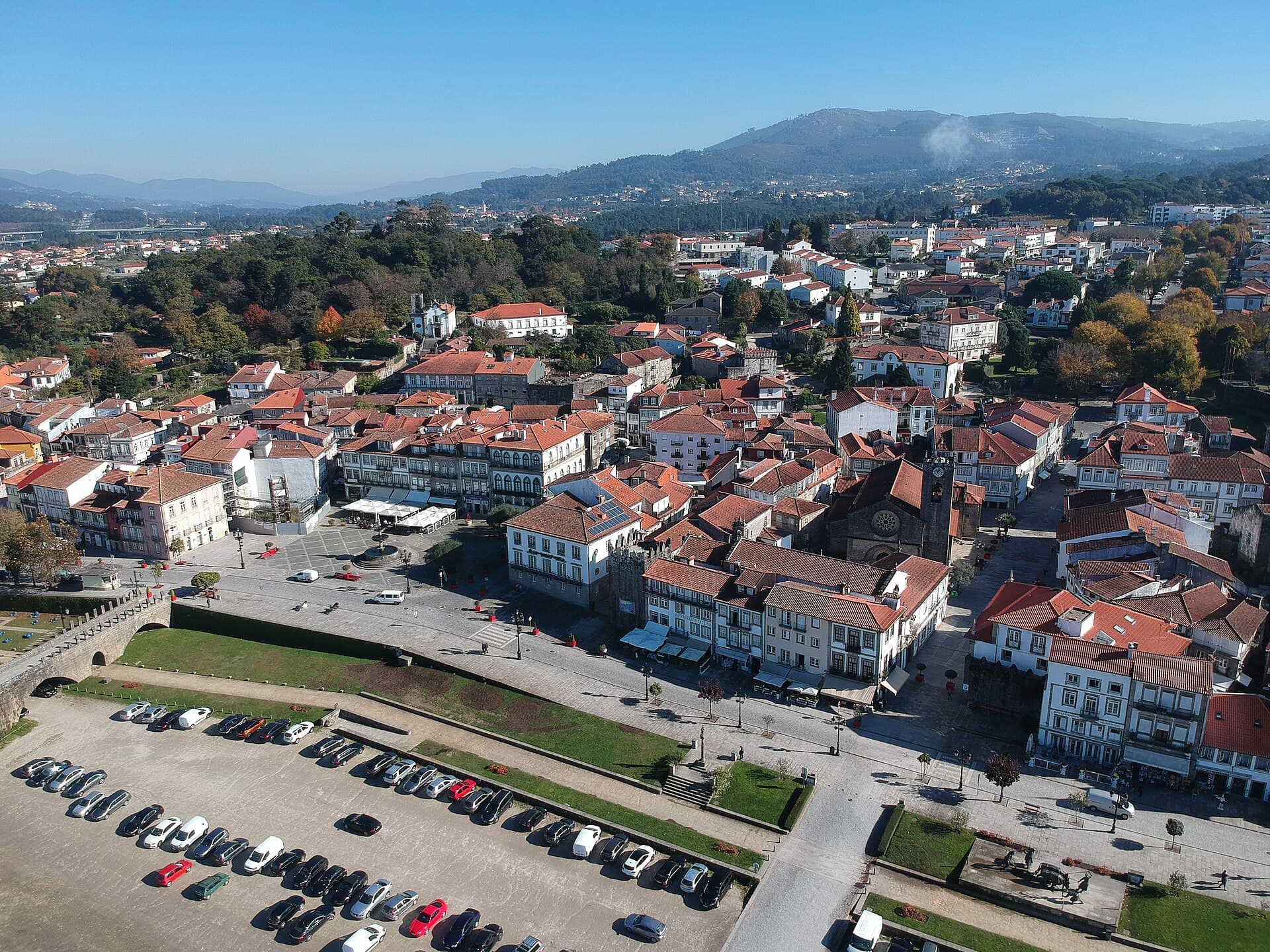 Joseolgon / CC BY-SA 4.0, via Wikimedia Commons
Tour de audio autoguiado de Ponte de Lima — ruta GPS a pie, reproducción offline, narración en 32 idiomas.
“Donde las leyendas antiguas se encuentran con viñedos verdes y un río de recuerdos olvidados.”
No las postales. Las historias que ni los locales conocen — al oído, justo donde ocurrieron.
El río que da nombre a Ponte de Lima tuvo una vez una temible reputación entre los soldados romanos.
Aunque a menudo se cita como la ciudad más antigua de Portugal, el año exacto de la fundación de Ponte de Lima puede ser un punto de discusión histórica.
El icónico puente de Ponte de Lima no es completamente romano, a pesar de su nombre.
Descubre todos los secretos de Ponte de Lima
Cada dirección, cada revelación al completo — a tu oído, justo donde ocurrió.
Eliges tus paradas. Caminas. La voz te revela lo que los demás ignoran.


Tu tour de audioguía por Ponte de Lima te espera — elige tus lugares, tu idioma y empieza al llegar.
ComprarLume incluye una guía de realidad aumentada. Levanta el móvil y su cámara muestra la calle que tienes delante, con una flecha luminosa sobre la imagen real que siempre apunta a tu próxima parada — sin mapas que descifrar, sin giros equivocados. Como todo en Lume, funciona completamente sin conexión.
Ponte de Lima, a menudo celebrada como la ciudad con carta foral más antigua de Portugal, es un lugar donde la historia respira junto al suave fluir del río Limia. Su propio nombre, 'Puente de Lima', apunta al icónico puente romano y medieval que ha cruzado el río durante dos milenios, sirviendo tanto como un cruce crucial como un símbolo del legado perdurable de la ciudad.
Esta atractiva ciudad en el corazón de la región del Miño cautiva con su centro histórico conservado, sus verdes jardines y un ritmo de vida relajado. Es una parada importante en el Camino Portugués de Santiago, atrayendo a peregrinos y viajeros por igual a sus antiguas calles y senderos ribereños. Más allá de su belleza arquitectónica, Ponte de Lima es famosa por sus vinos Vinho Verde y una rica tradición de animados mercados y festivales.
La historia de Ponte de Lima comienza mucho antes que la propia Portugal. La evidencia arqueológica sugiere asentamientos humanos en la zona desde hace más de 3.000 años, con castros de la Edad del Hierro salpicando el paisaje. La prominencia de la ciudad surgió verdaderamente durante la ocupación romana de la Península Ibérica, estratégicamente posicionada a lo largo de la Vía XIX del Itinerario Antonino, una carretera vital que conectaba Braga con Santiago de Compostela, Lugo y Astorga. Los romanos construyeron el primer puente sobre el río Limia, una estructura que se convertiría en el homónimo de la ciudad y un cruce crucial durante siglos.
La leyenda cuenta que en el 138 a.C., los soldados romanos bajo Décimo Junio Bruto dudaron en cruzar el Limia, creyendo que era el mítico río Leteo, que causaba el olvido. Bruto cruzó primero y llamó a sus soldados por su nombre para demostrar que el mito era falso, una historia que sigue resonando en la identidad de la ciudad.
El nacimiento oficial de Ponte de Lima como ciudad con carta foral está marcado por el 4 de marzo de 1125, cuando Teresa, Condesa de Portugal (y madre del primer rey), le concedió un foral o carta. Este acto, que precede al establecimiento del Reino de Portugal en 1143, solidificó su estatus como la vila más antigua del país. La carta no solo definió el territorio de la ciudad, sino que también proporcionó protección para su floreciente mercado, una tradición que continúa hasta el día de hoy.
Durante el período medieval, el puente romano fue reconstruido y ampliado, con la actual sección medieval completada en 1359. Ponte de Lima se convirtió en una ciudad fortificada, con murallas y torres defensivas, algunos de cuyos restos aún se pueden ver. Su ubicación estratégica también la convirtió en una parada importante en la ruta de peregrinación del Camino de Santiago, contribuyendo a su crecimiento e intercambio cultural. La ciudad ha mantenido sus raíces agrícolas, particularmente en el cultivo del vino Vinho Verde, y su centro histórico sigue siendo un testimonio de su larga y duradera herencia.
El Puente Romano y Medieval es el innegable punto focal de Ponte de Lima, ofreciendo vistas pintorescas y un vínculo tangible con su pasado ancestral. Pasee por sus arcos de granito desgastado, observando las distintas secciones romana y medieval. El centro histórico en sí mismo es una delicia para explorar a pie, con sus calles estrechas, arquitectura tradicional y atractivas plazas. Busque la Antigua Torre de la Cárcel, un vestigio de las fortificaciones del siglo XIV de la ciudad, que ahora alberga la oficina de turismo y exposiciones de arte. El Museu dos Terceiros, ubicado en un antiguo convento del siglo XVI, ofrece una importante colección de arte sacro y objetos históricos, proporcionando una visión de la identidad de la ciudad.
Ponte de Lima también es célebre por sus jardines. El Festival Internacional de Jardines, que se celebra de mayo a octubre, exhibe diseños creativos de jardines contemporáneos en la orilla opuesta del río. Más allá del festival, disfrute del Parque Temático Arnado, el Parque Monte da Madalena y varios jardines públicos por toda la ciudad. No pierda la oportunidad de experimentar el mercado tradicional, que se celebra cada segundo lunes a orillas del río, uno de los mercados rurales más antiguos y grandes de Portugal.
La mejor época para visitar Ponte de Lima para disfrutar de un clima agradable y actividades al aire libre es de mediados de junio a mediados de septiembre. Durante estos meses, los días son cálidos y soleados, con máximas promedio de alrededor de 26°C (79°F) en agosto. La primavera y principios del verano (mayo y junio) son particularmente encantadores, con los jardines y la orilla del río en plena floración. Si está interesado en el diseño de jardines contemporáneos, el Festival Internacional de Jardines se celebra de mayo a octubre. Septiembre es una época animada para experimentar el festival anual de las Feiras Novas, aunque el alojamiento se agota rápidamente debido a las multitudes. La temporada más húmeda es de septiembre a mayo, siendo diciembre el mes más nublado y lluvioso.
Ponte de Lima se explora mejor a pie, ya que muchas atracciones se concentran en el centro histórico. Aunque hay amplio estacionamiento, las conexiones de transporte público, especialmente desde Oporto, son limitadas, sin servicio ferroviario directo y rutas de autobús poco frecuentes. Si viaja en coche desde Oporto, tome la autopista A3 y salga en Ponte de Lima Sul. La oficina de turismo local, ubicada en la Antigua Torre de la Cárcel, es un recurso valioso para obtener información y mapas. Ponte de Lima es un destino popular, especialmente en verano, por lo que es aconsejable planificar su visita y reservar alojamiento con antelación para evitar aglomeraciones. Considere alojarse en una de las casas señoriales o solares bellamente restauradas en los alrededores para una experiencia histórica única.
Ponte de Lima en coreano, en chino o en hebreo — y 29 idiomas más, cada parada narrada por una voz nativa. La mayor variedad de idiomas de cualquier audioguía autoguiada.
Disponible en: