La Puebla Vieja
Más allá de las encantadoras calles medievales, un sorprendente estilo arquitectónico cuenta una historia de éxito transatlántico.
La historia completa se desbloquea en el tour
 Haresgod / CC BY-SA 4.0, via Wikimedia Commons
Tour de audio autoguiado de Laredo — ruta GPS a pie, reproducción offline, narración en 32 idiomas.
“Donde la realeza navegó, las flores florecen y las anchoas reinan.”
No las postales. Las historias que ni los locales conocen — al oído, justo donde ocurrieron.
Más allá de las encantadoras calles medievales, un sorprendente estilo arquitectónico cuenta una historia de éxito transatlántico.
Este bullicioso puerto desempeñó un papel fundamental en la vida de la realeza castellana, siendo testigo tanto de alegres partidas como de sombríos regresos.
Una residencia histórica en Laredo albergó a varios miembros de la familia real, incluyendo una reina y un emperador.
Descubre todos los secretos de Laredo
Cada dirección, cada revelación al completo — a tu oído, justo donde ocurrió.
Eliges tus paradas. Caminas. La voz te revela lo que los demás ignoran.


Tu tour de audioguía por Laredo te espera — elige tus lugares, tu idioma y empieza al llegar.
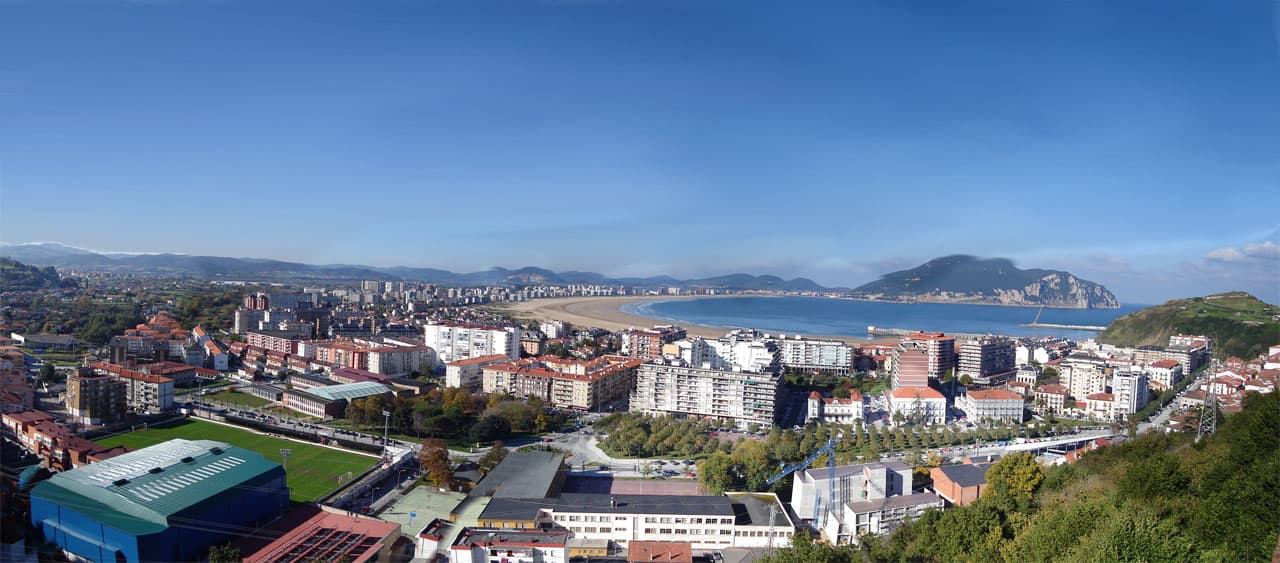
ComprarLaredo, una ciudad costera en el Mar Cantábrico de España, presenta una cautivadora mezcla de profundidad histórica y belleza natural. Es famosa por La Salvé, una extensa playa de cinco kilómetros de longitud que forma una elegante curva a lo largo de una ensenada protegida, ofreciendo vistas a las colinas cubiertas de árboles de Santoña. La ciudad misma se divide en áreas distintas: la medieval Puebla Vieja, el barrio del siglo XIV de El Arrabal y el más moderno El Ensanche, que se extiende hacia el puerto pesquero.
Más allá de sus orillas arenosas, Laredo es un lugar donde la historia resuena a través de calles empedradas y arquitectura antigua. Su ubicación estratégica entre las ciudades de Santander y Bilbao, junto con el cercano Parque Natural de las Marismas de Santoña, Victoria y Joyel, la convierte en un destino atractivo para aquellos que buscan tanto relajación como exploración. La duradera conexión de Laredo con el mar es evidente en su animada industria pesquera, su histórica cofradía y su aclamada producción de anchoas.
## De Pueblo Pesquero a Puerto Real La historia de Laredo se remonta al menos al siglo XI, con su existencia documentada como pueblo pesquero ya en el año 968. Los profundos lazos de la ciudad con el mar se destacan por el hecho de que su Cofradía de Pescadores, formada en el siglo XI, es considerada la asociación más antigua de este tipo en España. En 1200, el Rey Alfonso VIII concedió a Laredo un fuero, una carta real que estimuló sus industrias pesquera y comercial, marcando un paso significativo en su desarrollo.
Durante principios del siglo XIII, Laredo formó parte del Corregimiento de las Cuatro Villas de la Costa, junto con Castro Urdiales, Santander y San Vicente de la Barquera. Incluso sirvió como sede del corregidor de Cantabria hasta finales del siglo XV, ganándose el apodo de 'Bastón de Laredo', simbolizando el poder del corregidor. El puerto de Laredo se volvió estratégicamente importante, utilizado frecuentemente por la familia real castellana para sus viajes a Flandes. Fue desde aquí que la Princesa Juana de Castilla partió para casarse con Felipe I el Hermoso en 1496, y más tarde, en 1556, el Emperador Carlos V desembarcó en su camino hacia su retiro en Yuste. La participación de la ciudad en la conquista católica de Sevilla en 1248 incluso se conmemora en la veleta de su ayuntamiento.
## Conexiones Hanseáticas y Crecimiento Moderno En el siglo XIV, Laredo estableció conexiones con la Liga Hanseática, una poderosa red de puertos del norte de Europa, convirtiéndose en un punto de partida clave para productos españoles como trigo, lana y hierro con destino al norte. Esta inclusión en la Ruta Cultural Hanseática se celebra ahora con un itinerario dedicado. A finales del siglo XVI, el puerto de Laredo también albergó algunos de los barcos de la Armada Española después de su derrota por los ingleses.
Los siglos XIX y XX trajeron un nuevo impulso económico. La apertura de la primera fábrica de conservas de pescado de Laredo en 1863 impulsó la construcción de un nuevo puerto. En la década de 1930, la zona de Los Terreros de Laredo comenzó a atraer turistas, particularmente de Francia, lo que le valió a la ciudad el apodo de 'Costa Esmeralda'. La década de 1960 fue testigo de una mayor expansión urbana con el desarrollo de hoteles y viviendas a lo largo de la Playa de La Salvé, consolidando el estatus de Laredo como un popular centro turístico.
Comienza tu exploración en la Puebla Vieja, un conjunto histórico-artístico con seis calles medievales. Aquí descubrirás murallas defensivas originales, encantadoras casas de los siglos XVI y XVIII, y tradicionales viviendas cántabras con balcones. Asciende a la Iglesia de Santa María de la Asunción, un destacado ejemplo de arquitectura gótica en Cantabria, construida entre los siglos XIII y XVIII. En su interior, admira un magnífico retablo flamenco del siglo XV de la Virgen de Belén y una sacristía que alberga un museo de arte y objetos litúrgicos.
Pasea por El Arrabal, el barrio original del siglo XIV, para ver edificios históricos como la Casa de Zaráuz y la Casa de Los Puntales. La Plaza de la Constitución alberga el Ayuntamiento de 1562, notable por su singular veleta. Para disfrutar de amplias vistas panorámicas de la Bahía de Santoña, las marismas y el Monte Buciero, sube a La Atalaya, un volcán extinto coronado por el Fuerte del Rastrillar. También puedes caminar por el Túnel de la Atalaya hasta un mirador costero.
Laredo es sinónimo de sus playas, particularmente la Playa de La Salvé, una vasta extensión de arena dorada de más de cuatro kilómetros de longitud, ideal para nadar, pasear y practicar deportes acuáticos como kitesurf y windsurf. Junto a La Salvé, encontrarás la Playa del Regatón, que discurre paralela a la ría de Treto. No te pierdas el Parque Natural de las Marismas de Santoña, Victoria y Joyel, un tesoro ecológico perfecto para practicar senderismo y observar aves.
La mejor época para visitar Laredo y disfrutar de actividades de clima cálido y de la playa es desde finales de junio hasta principios de septiembre. Julio y agosto son los meses más cálidos, con temperaturas máximas promedio de alrededor de 23°C (74°F). Estos meses también ofrecen la mayor cantidad de sol y los días menos lluviosos. Sin embargo, el verano es también temporada alta, así que espera mayores aglomeraciones. La primavera y el otoño ofrecen temperaturas más suaves, menos gente y son ideales para practicar senderismo, surf y explorar la naturaleza. Los inviernos son generalmente templados, ofreciendo una visita tranquila con oportunidades para paseos costeros y disfrutar de la gastronomía local.
Laredo está bien conectado con los principales centros de transporte españoles. Puedes llegar a Laredo en autobús desde Bilbao (aproximadamente 1 hora al este) y Santander (unos 40 minutos al oeste). Madrid es un viaje en autobús más largo, de unas 5 horas. La principal estación de autobuses de Laredo se encuentra en la Calle Reconquista de Sevilla. Una vez en Laredo, los servicios de autobús locales proporcionan movilidad interna a diferentes zonas de la ciudad.
Para el alojamiento, Laredo ofrece una variedad de opciones, desde hoteles hasta apartamentos vacacionales. Las opciones populares incluyen Hotel Playamar Spa, Hotel Miramar Laredo y El Ancla, conocidos por su comodidad y ubicación. Si visitas en agosto, especialmente para la Batalla de Flores, llega temprano para aparcar en la Playa de La Salvé. La Puebla Vieja se explora mejor a pie, permitiendo una visita sin prisas. Para una auténtica cocina local, especialmente anchoas cántabras y pescado fresco, los bares del puerto son muy recomendables.
Laredo en coreano, en chino o en hebreo — y 29 idiomas más, cada parada narrada por una voz nativa. La mayor variedad de idiomas de cualquier audioguía autoguiada.
Disponible en: