Plage de Tazones
Au-delà du doux clapotis des vagues, le sable de Tazones recèle un secret primordial.
L'histoire complète se débloque dans le tour
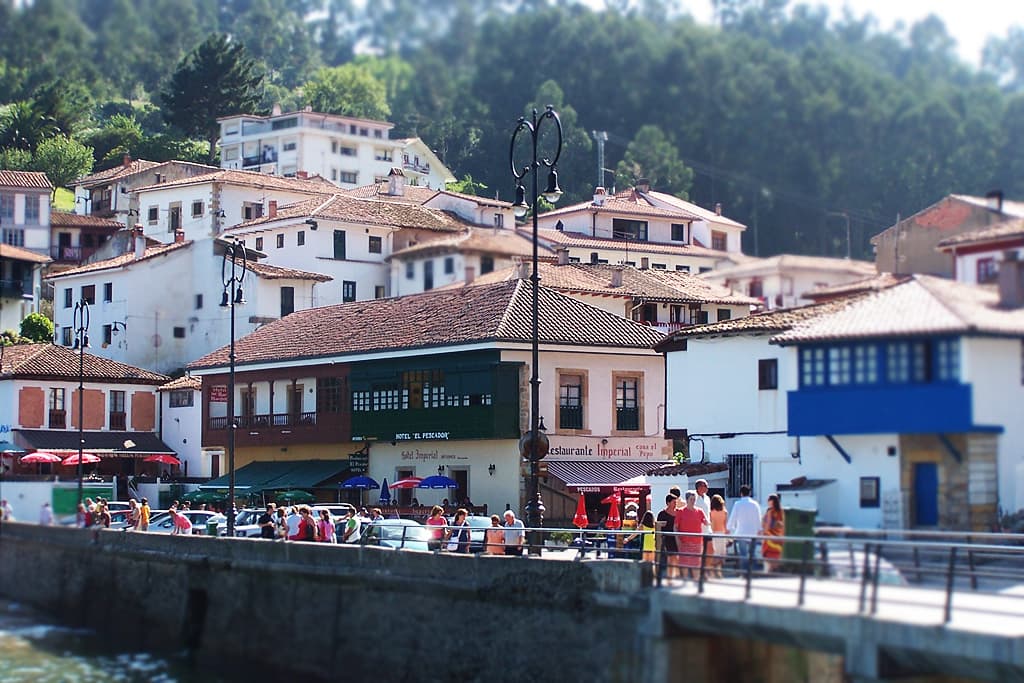 Pescados paco / CC BY-SA 3.0, via Wikimedia Commons
Visite audio autoguidée de Tazones — parcours GPS à pied, lecture hors ligne, narration en 32 langues.
“Là où la mer murmure d'anciennes histoires et où les empereurs ont jadis débarqué.”
Pas les cartes postales. Les histoires que même les habitants ignorent — soufflées à l'oreille, là où elles se sont passées.
Au-delà du doux clapotis des vagues, le sable de Tazones recèle un secret primordial.
Une habitation particulière à Tazones présente une façade unique, témoignage d'une dévotion artistique singulière.
Chaque mois d'août, le tranquille village de pêcheurs de Tazones se transforme en un tableau animé du XVIe siècle.
Découvrez tous les secrets de Tazones
Chaque adresse, chaque révélation en entier — dans ton oreille, là où elle s'est passée.
Tu choisis tes lieux. Tu marches. La voix te révèle ce que les autres ignorent.
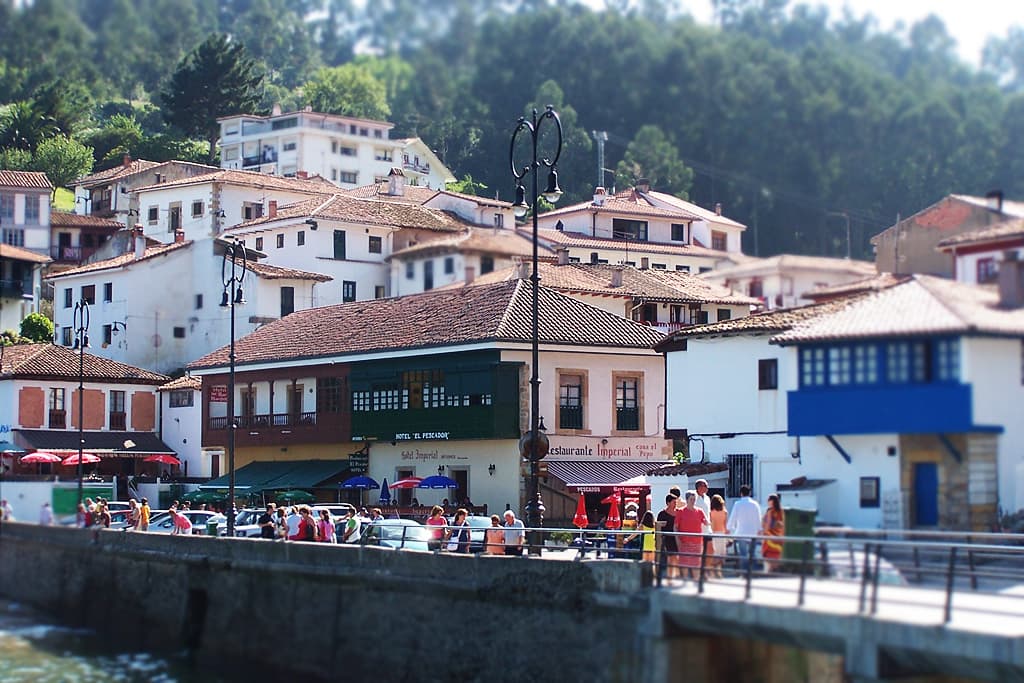
Votre visite audioguidée de Tazones vous attend — choisissez vos lieux, votre langue, et lancez-vous dès votre arrivée.
AcheterLume intègre un guide en réalité augmentée. Levez votre téléphone : sa caméra montre la rue devant vous, avec une flèche lumineuse posée sur l'image réelle qui pointe toujours vers votre prochain arrêt — aucune carte à déchiffrer, aucun mauvais virage. Comme tout dans Lume, ça fonctionne entièrement hors-ligne.
Tazones se déploie comme un petit village de pêcheurs le long de la côte cantabrique des Asturies, en Espagne. Ses maisons colorées se regroupent intimement autour d'un port animé, offrant une fenêtre sur un passé maritime, où des traditions séculaires s'entremêlent avec un présent vivant. Ses rues étroites et sinueuses et ses maisons de pêcheurs traditionnelles contribuent à sa désignation en tant que Site Historique-Artistique par la Principauté des Asturies.
Surplombant la mer Cantabrique, Tazones subsistait autrefois grâce à la chasse à la baleine, une pratique aujourd'hui remplacée par la pêche et le tourisme comme principales sources de revenus. Le village fait partie de la plus grande municipalité de Villaviciosa, une région célébrée pour sa splendeur naturelle et son patrimoine culinaire, en particulier sa production de cidre. Tazones lui-même est devenu un centre d'exploration gastronomique, attirant les visiteurs avec ses fruits de mer frais et ses plats asturiens traditionnels.
Tazones occupe une place singulière dans l'histoire espagnole en raison d'un événement imprévu en 1517. Charles Quint, alors prince de 17 ans né et élevé en Flandre, voyageait par mer vers l'Espagne pour son couronnement. Sa destination prévue était le port de Santander, mais une tempête dans le golfe de Gascogne a dérouté sa flotte de quarante navires. Par chance, le navire royal est arrivé dans le petit port de Tazones le 19 septembre 1517. Cela a marqué le premier pas de Charles Quint sur le sol espagnol, un événement qui a gravé le minuscule village dans les annales historiques.
Lors de son arrivée inattendue, le modeste village de pêcheurs a d'abord pris le jeune Flamand et sa cour pour des pirates, offrant un accueil mémorable. Après sa réception à Tazones, Charles Quint s'est rendu dans la ville voisine de Villaviciosa, où il a résidé pendant quatre jours à la Casa de los Hevia, avant de poursuivre son voyage vers Valladolid pour être intronisé roi le 9 février 1518. Cette route, reliant Tazones et Villaviciosa, forme désormais un chemin historique, permettant aux visiteurs de parcourir 11 kilomètres à travers des hameaux, des vergers et des paysages protégés, revivant l'aube d'un règne impérial.
Pendant des siècles, Tazones a tiré sa subsistance de la mer. Le village fonctionnait comme un port baleinier, la Plaza del Riveru servant de lieu où les baleines étaient ramenées à terre et traitées. À mesure que la chasse à la baleine diminuait, le village a réorienté son activité vers la pêche et, plus récemment, vers le tourisme. Les anciens quartiers de San Roque et San Miguel, avec leur architecture traditionnelle, ont été reconnus comme sites d'intérêt historique et artistique par la Principauté des Asturies le 17 juin 1991, renforçant ainsi l'attrait de Tazones pour les visiteurs. Aujourd'hui, le village est célébré pour ses offres culinaires, en particulier ses fruits de mer frais, livrés quotidiennement par les quelques bateaux qui s'aventurent encore en mer.
Commencez votre exploration dans les quartiers historiques de San Roque et San Miguel, reconnus pour leur passé et leur architecture uniques. Flânez dans les rues étroites et sinueuses et admirez les maisons de pêcheurs traditionnelles aux couleurs vives, souvent ornées de balcons en bois. Un site remarquable est la Casa de las Conchas, une maison privée du quartier de San Miguel dont la façade est entièrement recouverte de divers coquillages.
L'église paroissiale de Tazones, située dans le quartier de San Miguel, a été construite en 1950, remplaçant une église antérieure détruite en 1936 pendant la guerre civile espagnole. Elle abrite une image de l'Enfant Manolin et un crucifix, les seuls éléments conservés de l'église d'origine. Promenez-vous tranquillement le long de la plage de Tazones, une étendue de sable de 200 mètres à côté du port, que l'on croit être le lieu de débarquement de Charles Quint. À marée basse, explorez la plate-forme rocheuse à l'extrémité droite de la plage pour découvrir des empreintes de dinosaures. Pour des vues imprenables sur la côte accidentée, suivez le sentier côtier de Tazones, qui offre des points de vue idéaux pour les amoureux de la nature et les ornithologues. Le phare de Tazones, opérationnel depuis 1864, est un autre repère important.
Ne manquez pas l'occasion de savourer la cuisine locale dans l'un des restaurants du port du village, spécialisés dans les fruits de mer frais de Cantabrie, tels que les fritos de pixín (lotte frite) et l'arroz con bugre (riz au crabe royal).
Les périodes les plus agréables pour visiter Tazones sont le printemps (mars à mai) et le début de l'automne (septembre à novembre). Durant ces périodes, le temps est doux et le nombre de visiteurs modéré, ce qui permet des visites touristiques et des activités de plein air confortables. Le mois d'août offre une expérience particulièrement animée, car le village observe les Fêtes de San Roquín le 17 août, commémorant le débarquement de Charles Quint avec une reconstitution historique. Bien que l'été (juin à août) apporte des journées plus longues et des festivals, il peut aussi être la saison la plus chaude, surtout dans le centre et le sud de l'Espagne. Tazones connaît un climat humide, novembre étant généralement le mois le plus pluvieux et juillet le plus sec.
Tazones est un petit village de la municipalité de Villaviciosa, dans les Asturies, en Espagne. Pour ceux qui arrivent en voiture, le stationnement est obligatoire avant d'entrer dans le village et est gratuit. Le village lui-même est compact et peut être exploré en une demi-journée, bien que se laisser tenter par sa gastronomie et le cidre asturien puisse prolonger votre séjour. De nombreuses maisons de pêcheurs traditionnelles ont été transformées en restaurants ou en hébergements. Lors des repas, attendez-vous à une prédominance de fruits de mer frais, pierre angulaire de la cuisine asturienne. La coutume locale pour les tapas implique souvent de se déplacer entre plusieurs bars, généralement entre 13h30 et 15h00 ou entre 20h30 et 22h30. Il est d'usage de commander une boisson et d'attendre quelques minutes avant de commander de la nourriture, car certains établissements peuvent offrir une tapa gratuite.
Tazones en coréen, en chinois ou en hébreu — et dans 29 autres langues, chaque étape narrée par une voix native. La plus large gamme de langues de tous les audioguides autoguidés.
Disponible en :