Cueva de Tito Bustillo
La obra de arte más explícita de la cueva no es de animales ni de símbolos abstractos.
La historia completa se desbloquea en el tour
 D.Rovchak / CC BY-SA 4.0, via Wikimedia Commons
Tour de audio autoguiado de Ribadesella — ruta GPS a pie, reproducción offline, narración en 32 idiomas.
“Donde el arte ancestral se encuentra con el mar Cantábrico.”
No las postales. Las historias que ni los locales conocen — al oído, justo donde ocurrieron.
La obra de arte más explícita de la cueva no es de animales ni de símbolos abstractos.
Las grandes mansiones que bordean la playa esconden una historia de ambición y retorno.
El río Sella es famoso por sus salmones, pero hubo un tiempo en que los lugareños se quejaban de su abundancia.
Descubre todos los secretos de Ribadesella
Cada dirección, cada revelación al completo — a tu oído, justo donde ocurrió.
Eliges tus paradas. Caminas. La voz te revela lo que los demás ignoran.


Tu tour de audioguía por Ribadesella te espera — elige tus lugares, tu idioma y empieza al llegar.
ComprarLume incluye una guía de realidad aumentada. Levanta el móvil y su cámara muestra la calle que tienes delante, con una flecha luminosa sobre la imagen real que siempre apunta a tu próxima parada — sin mapas que descifrar, sin giros equivocados. Como todo en Lume, funciona completamente sin conexión.
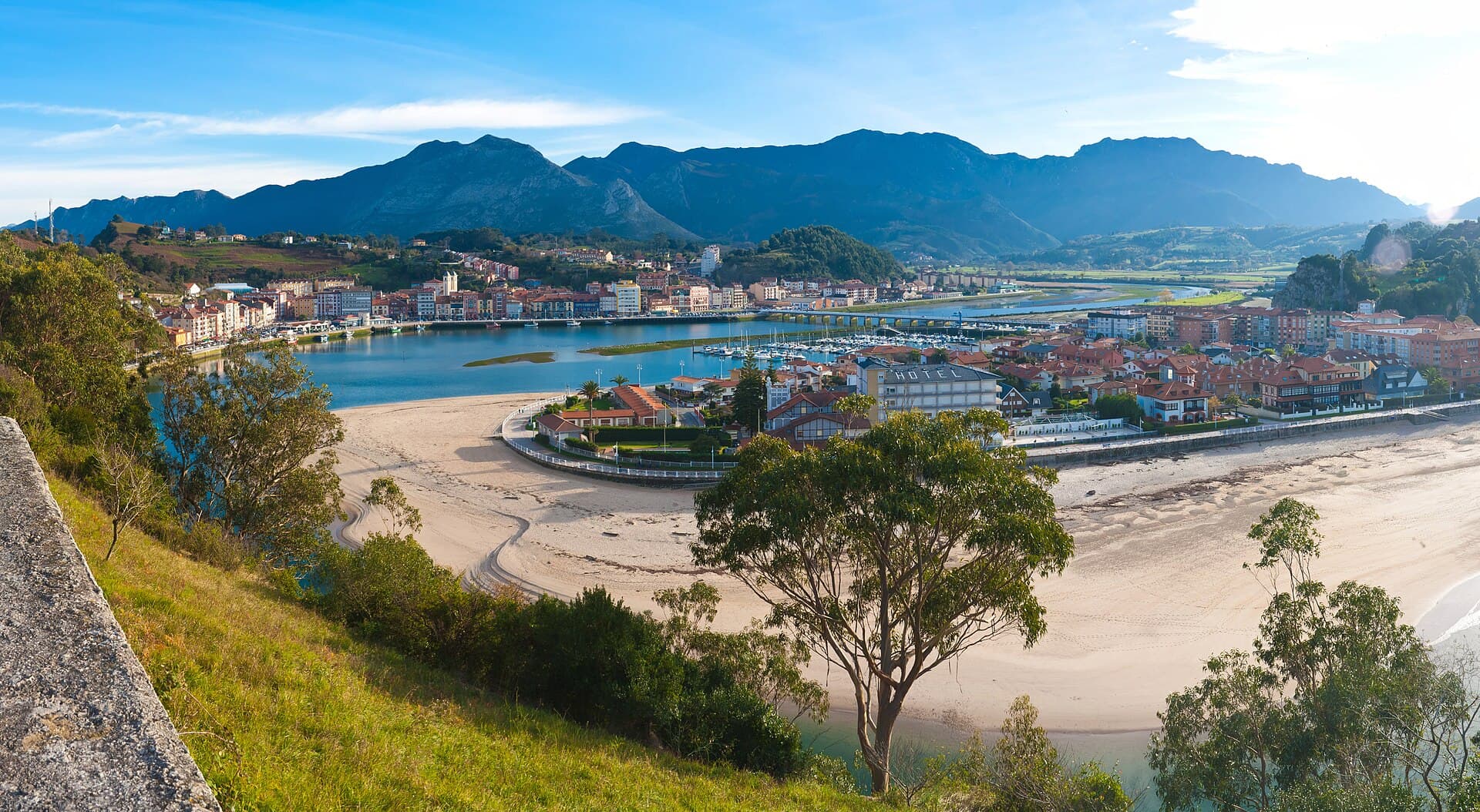
Ribadesella, o Ribeseya en asturiano, es una cautivadora villa costera en la región de Asturias, en el norte de España, donde el río Sella desemboca en el mar Cantábrico. Este municipio, reconocido como 'Municipio de Excelencia Turística' desde 1997, presenta un variado paisaje de montañas, playas y acantilados dramáticos. La villa está dividida en dos zonas distintas por el estuario del Sella, con el casco antiguo histórico en la orilla este y los desarrollos más nuevos, incluida la extensa playa de Santa Marina, en el lado oeste.
Ribadesella es un destino que entrelaza con gracia la historia antigua con la vida contemporánea. Desde sus cuevas prehistóricas Patrimonio de la Humanidad por la UNESCO hasta sus grandes mansiones 'indianas' y el internacionalmente celebrado Descenso del Sella, la villa ofrece una rica variedad de experiencias. Ya sea que le atraigan las maravillas arqueológicas, las aventuras al aire libre o simplemente el encanto de un pueblo pesquero asturiano tradicional, Ribadesella ofrece una visión única y auténtica del norte de España.
La historia humana en Ribadesella se remonta al Paleolítico Medio, con evidencia de asentamientos y significativo arte rupestre encontrado en la región. La Cueva de Tito Bustillo, declarada Patrimonio de la Humanidad por la UNESCO, es un testimonio de este pasado antiguo, exhibiendo arte paleolítico que data de hace más de 18.000 años. Esta área fue una cuna de la civilización paleolítica, con una habitación continua durante unos asombrosos 25.000 años.
Durante la época romana, Ribadesella fue un importante asentamiento costero, estratégicamente posicionado y conectado con otras partes de la Península Ibérica por calzadas y puentes romanos. Aunque gran parte de la presencia romana se ha desvanecido, su influencia aún se puede observar en el trazado de la villa.
Ribadesella comenzó a desarrollarse verdaderamente como un importante centro marítimo en el período medieval. El rey Alfonso X el Sabio fundó oficialmente la villa en el siglo XIII, otorgando derechos civiles y creando un gobierno bajo la corona. En los siglos XV y XVI, floreció como puerto pesquero y centro de construcción naval. Su posición estratégica y prosperidad la convirtieron en un territorio deseado, lo que llevó a disputas entre poderosas familias nobles como los Quiñones y los Trastámara. Los Reyes Católicos finalmente intervinieron en 1488, reincorporando Ribadesella a la Corona.
El Renacimiento vio a Ribadesella prosperar gracias a industrias como la pesca de salmón y la caza de ballenas, con su aceite de ballena incluso iluminando lámparas en toda Europa. La villa también sirvió como un puerto vital para el comercio, con bergantines que partían hacia las Indias. Un evento histórico significativo ocurrió el 24 de septiembre de 1517, cuando el rey Carlos I visitó la villa. El siglo XVIII trajo un declive en las capturas de salmón y ballenas, y una propuesta para unir el puerto con Castilla a través de una nueva carretera fue finalmente rechazada en favor de Gijón.
Los siglos XIX y principios del XX estuvieron marcados por el impacto de la emigración a América, particularmente a Cuba. Asturianos adinerados que regresaron, conocidos como 'Indianos', construyeron grandes villas modernistas y eclécticas a lo largo de la playa de Santa Marina, transformando su paisaje arquitectónico. El puente de la villa, una característica definitoria de su trazado urbano, posee su propia historia, con una estructura de madera construida en 1865, reemplazada por hierro en 1892, destruida en la Guerra Civil Española en 1937 y finalmente reconstruida en hormigón en 1940. Hoy en día, Ribadesella es una villa moderna donde conviven su profunda historia, tradiciones y turismo.
Comience su exploración en el casco histórico de Ribadesella, en la orilla este del río Sella. Esta zona peatonal, Bien de Interés Cultural, le invita a pasear por sus calles medievales, admirando maravillas arquitectónicas como la Casa de los Ardines, el Palacio de Prieto Cutre (actualmente el Ayuntamiento) y la Casona del Escudo. Observe los balcones en voladizo, las galerías acristaladas y las fachadas adornadas con escudos nobiliarios, algunos que datan de los siglos XVI, XVII, XVIII y XIX. No pase por alto la Iglesia de Santa María Magdalena, con su estética distintiva y frescos que representan una alegoría contra la guerra.
Cruza el puente hacia el lado oeste del estuario para descubrir la playa de Santa Marina, una curva de arena dorada bordeada por elegantes mansiones 'indianas' de principios del siglo XX. Estas grandes residencias, construidas por asturianos que encontraron prosperidad en América, ofrecen una visión de un estilo arquitectónico distintivo. En el extremo occidental de la playa, incluso puedes encontrar huellas de dinosaurios saurópodos incrustadas en la roca del acantilado.
Una visita al Centro de Arte Rupestre de Tito Bustillo es esencial para comprender la importancia prehistórica de la región. El centro proporciona contexto e información sobre la cercana Cueva de Tito Bustillo, declarada Patrimonio de la Humanidad por la UNESCO y célebre por su arte rupestre paleolítico, que incluye representaciones de caballos, ciervos, bisontes y raras figuras humanas. Si bien el acceso directo a las pinturas rupestres originales es limitado para su conservación, el centro ofrece una experiencia inmersiva con exposiciones y réplicas. Desde el pueblo de Ardines, cerca de la cueva, se pueden disfrutar de amplias vistas de Ribadesella y el estuario del Sella.
Para actividades de clima cálido y condiciones agradables, el momento ideal para visitar Ribadesella es desde finales de junio hasta principios de septiembre. Julio y agosto ofrecen el clima más favorable, con temperaturas diurnas promedio que alcanzan alrededor de 23°C (73°F) en agosto. Estos meses también traen la mayor cantidad de sol y la menor cantidad de días lluviosos. La temperatura del agua es más cálida de julio a finales de septiembre, con un promedio superior a 19°C (66°F). Ribadesella está particularmente animada durante la primavera y el verano, con numerosos conciertos, actividades culturales y eventos gastronómicos. El célebre Descenso Internacional del Sella se celebra el primer sábado de agosto.
Ribadesella es de fácil acceso, ya sea en coche o en transporte público. Desde Oviedo, la ruta más directa es por las autopistas A-64 y A-8, con una duración aproximada de 55-60 minutos. Desde Santander, tome la A-8 (Autovía del Cantábrico) durante aproximadamente 1 hora y 15 minutos. La villa también está conectada por autobús con otras ciudades asturianas y algunas ciudades españolas, y Renfe opera servicios de tren.
Una vez en Ribadesella, hay aparcamiento disponible, incluso en la estación de autobuses. El centro histórico es peatonal, lo que lo hace ideal para caminar. Para explorar más lejos, hay taxis y minibuses disponibles. Al visitar la Cueva de Tito Bustillo, es aconsejable llegar temprano, especialmente en verano, para asegurar la entrada, y tenga en cuenta que la cueva suele estar cerrada de noviembre a marzo para su conservación. Las licencias de pesca para el río Sella se pueden obtener en la Oficina de Medio Ambiente del Principado de Asturias en Arriondas.
Ribadesella en coreano, en chino o en hebreo — y 29 idiomas más, cada parada narrada por una voz nativa. La mayor variedad de idiomas de cualquier audioguía autoguiada.
Disponible en: