Iglesia de Agia Triada
La gran iglesia de mármol en Lefkes guarda un secreto no inmediatamente visible a simple vista.
La historia completa se desbloquea en el tour
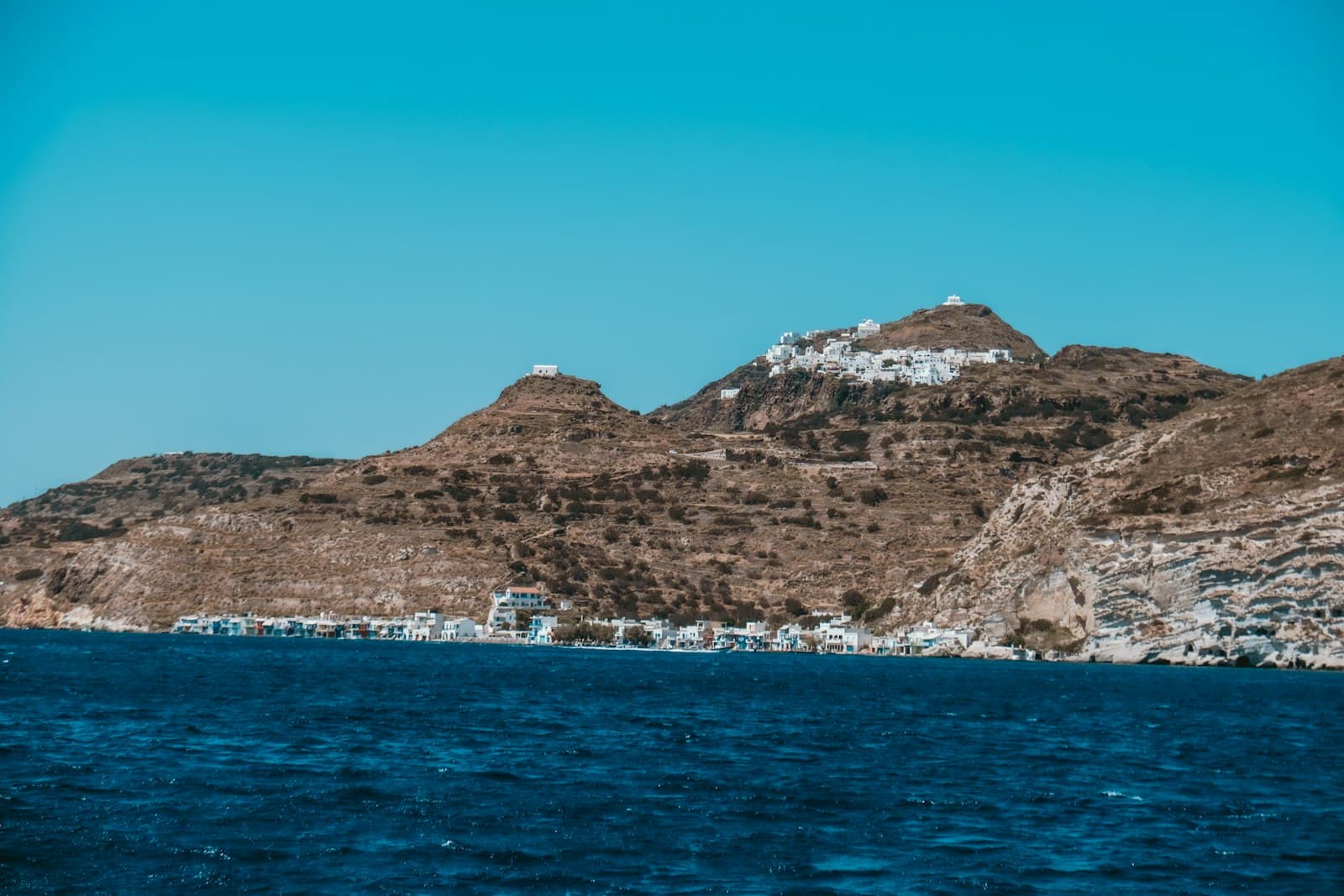 Photo: Johnny Africa / Unsplash
Tour de audio autoguiado de Lefkes — ruta GPS a pie, reproducción offline, narración en 32 idiomas.
“Donde el tiempo se ralentiza y el mármol brilla bajo el sol del Egeo.”
No las postales. Las historias que ni los locales conocen — al oído, justo donde ocurrieron.
La gran iglesia de mármol en Lefkes guarda un secreto no inmediatamente visible a simple vista.
Este antiguo sendero que conecta pueblos en Paros tiene un detalle sorprendente bajo tus pies.
La posición elevada del pueblo no era solo para vistas panorámicas; sirvió un propósito crucial en sus primeros días.
Descubre todos los secretos de Lefkes
Cada dirección, cada revelación al completo — a tu oído, justo donde ocurrió.
Eliges tus paradas. Caminas. La voz te revela lo que los demás ignoran.


Lume incluye una guía de realidad aumentada. Levanta el móvil y su cámara muestra la calle que tienes delante, con una flecha luminosa sobre la imagen real que siempre apunta a tu próxima parada — sin mapas que descifrar, sin giros equivocados. Como todo en Lume, funciona completamente sin conexión.
Lefkes, un pueblo en la isla de Paros, ofrece un vistazo a la vida tradicional griega lejos de las activas ciudades costeras. Ubicado en el interior montañoso, aproximadamente a 11 kilómetros al sureste de Parikia, la capital de Paros, Lefkes se encuentra a una altitud de 300 metros, ofreciendo vistas expansivas de la isla y el mar Egeo. El pueblo se caracteriza por su arquitectura tradicional bien conservada, sus estrechas calles pavimentadas de mármol y sus casas adornadas con brillantes buganvillas.
Este pueblo se siente sin prisas, genuino y distinto. Una visita puede implicar pasear por sus intrincados callejones, disfrutar de un café bajo las buganvillas o explorar edificios históricos. Lefkes ha mantenido una sensación de isla tranquila, con calles a menudo fragantes con jazmín y madreselva.
Los orígenes de Lefkes se remontan al siglo XVII, cuando su estratégica ubicación interior se convirtió en un refugio de las frecuentes invasiones piratas que asolaban las islas del Egeo. Esta ventaja defensiva llevó a que Lefkes se convirtiera en la primera capital de Paros. La prosperidad de esta época aún es visible en la arquitectura del pueblo, que muestra una mezcla de influencias cicládicas y venecianas.
Muchos de los primeros colonos eran inmigrantes de Creta, quienes eligieron la ubicación montañosa para protegerse. El pueblo creció hasta convertirse en el corazón agrícola de la isla debido a su posición resguardada. Aunque el turismo ha traído nueva energía e inversión en los últimos años, con algunos habitantes regresando para regenerar el pueblo, su carácter fundamental permanece.
La historia de Lefkes se refleja en su diseño y edificios. El pueblo es conocido por sus mansiones neoclásicas, calles empedradas y iglesias bizantinas. Algunas iglesias en Lefkes datan del siglo XV, y molinos de viento tradicionales están dispersos por toda la zona. La iglesia principal, Agia Triada (Santísima Trinidad), es una prominente estructura bizantina construida entre 1830 y 1835 con fino mármol blanco de Paros. Es la segunda iglesia más grande de Paros y alberga valiosos iconos, con su impresionante arquitectura como testimonio del patrimonio religioso del pueblo.
El Museo Folclórico, gestionado por la Asociación Cultural "Yria", exhibe una colección de herramientas, textiles y artefactos que ofrecen una visión del estilo de vida tradicional de los residentes de Paros. Fue el primer museo folclórico establecido en Paros y tiene como objetivo mantener vivo el carácter cultural y la historia de Lefkes a través de objetos cotidianos donados. El Museo de la Cultura Popular del Egeo también proporciona una comprensión más profunda de cómo la gente vivía en armonía con su entorno a pesar de las condiciones desafiantes.
Pasea por el laberinto peatonal de casas encaladas, estrechas calles pavimentadas de mármol y plazas adornadas con brillantes buganvillas. El pueblo es ideal para una exploración pausada, permitiéndote descubrir encantadoras boutiques y tabernas tradicionales.
La Iglesia de Agia Triada (Santísima Trinidad) es un punto de referencia central, visible desde varias partes del pueblo con sus dos campanarios de mármol. Esta iglesia bizantina, construida con mármol de Paros entre 1830 y 1835, es la segunda más grande de Paros y contiene iconos raros.
Para echar un vistazo a la vida local, visita el Museo Folclórico, que exhibe una colección de herramientas, textiles y artefactos que reflejan el estilo de vida tradicional de Paros. El Museo de la Cultura Popular del Egeo también ofrece exposiciones sobre la vida diaria y las tradiciones de los residentes del Egeo.
Más allá del pueblo, el antiguo Camino Bizantino ofrece una gratificante caminata. Este sendero pavimentado de mármol, de más de 1.000 años de antigüedad, conecta Lefkes con los pueblos vecinos de Prodromos y Marpissa, serpenteando a través de olivares y ofreciendo vistas del mar Egeo y Naxos. Incluso un corto tramo de este sendero histórico proporciona tranquilas vistas del campo.
Las temporadas intermedias de primavera (abril-junio) y otoño (septiembre-octubre) son ideales para visitar Lefkes. Durante estos meses, el clima es templado, las flores están en flor y hay menos multitudes. Mayo y septiembre, en particular, ofrecen clima cálido, mares aptos para nadar y precios más bajos para alojamiento y comida. Aunque julio y agosto traen festivales animados y un ambiente bullicioso, también son los meses más concurridos y calurosos. Para experimentar el pueblo en su momento más tranquilo, visita temprano por la mañana o al final de la tarde, ya que los autobuses turísticos suelen llegar alrededor de las 11 a.m.
Lefkes se encuentra en el interior montañoso de Paros, a unos 20 minutos en coche tanto de Parikia como de Naoussa. Se recomienda alquilar un coche o una moto para explorar la isla, con tarifas de alquiler que varían según la temporada. La carretera a Lefkes está bien pavimentada y señalizada. Los autobuses públicos también conectan Lefkes con las principales ciudades como Parikia y Naoussa; consulta los horarios locales, ya que cambian según la temporada.
El pueblo en sí es solo peatonal, así que planea estacionar en el aparcamiento principal a la entrada y explorar a pie. La mayoría de los cafés, tabernas y tiendas abren alrededor de las 9 a.m. Considera reservar alojamiento en Lefkes para una experiencia más tranquila y auténtica, especialmente por las noches después de que los visitantes de un día se marchen.
Lefkes en coreano, en chino o en hebreo — y 29 idiomas más, cada parada narrada por una voz nativa. La mayor variedad de idiomas de cualquier audioguía autoguiada.
Disponible en: