Plaza Mayor
Examina las farolas de la Plaza Mayor y descubrirás un sutil reconocimiento de su dramático pasado.
La historia completa se desbloquea en el tour
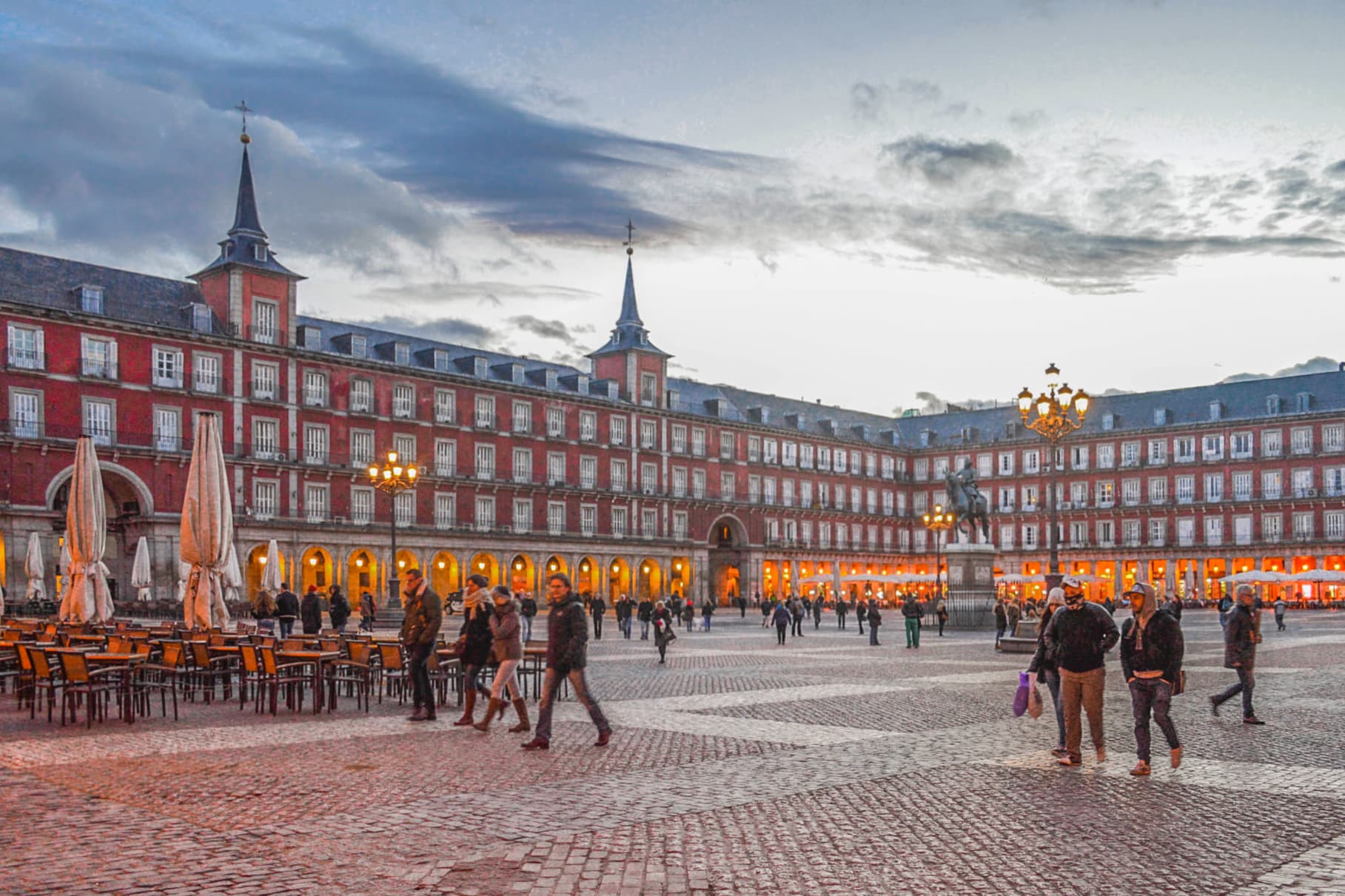 Francisco Anzola / CC BY 3.0, via Wikimedia Commons
Tour de audio autoguiado de Madrid — ruta GPS a pie, reproducción offline, narración en 32 idiomas.
“Madrid: Donde la gran historia y los momentos íntimos y vibrantes se entrelazan.”
No las postales. Las historias que ni los locales conocen — al oído, justo donde ocurrieron.
Examina las farolas de la Plaza Mayor y descubrirás un sutil reconocimiento de su dramático pasado.
Bajo la belleza tranquila del Parque del Retiro, un espacio oculto narra una historia de supervivencia.
La distintiva estatua del Oso y el Madroño en la Puerta del Sol es más que un encantador emblema; representa una resolución centenaria a una disputa de tierras.
Descubre todos los secretos de Madrid
Cada dirección, cada revelación al completo — a tu oído, justo donde ocurrió.
Eliges tus paradas. Caminas. La voz te revela lo que los demás ignoran.
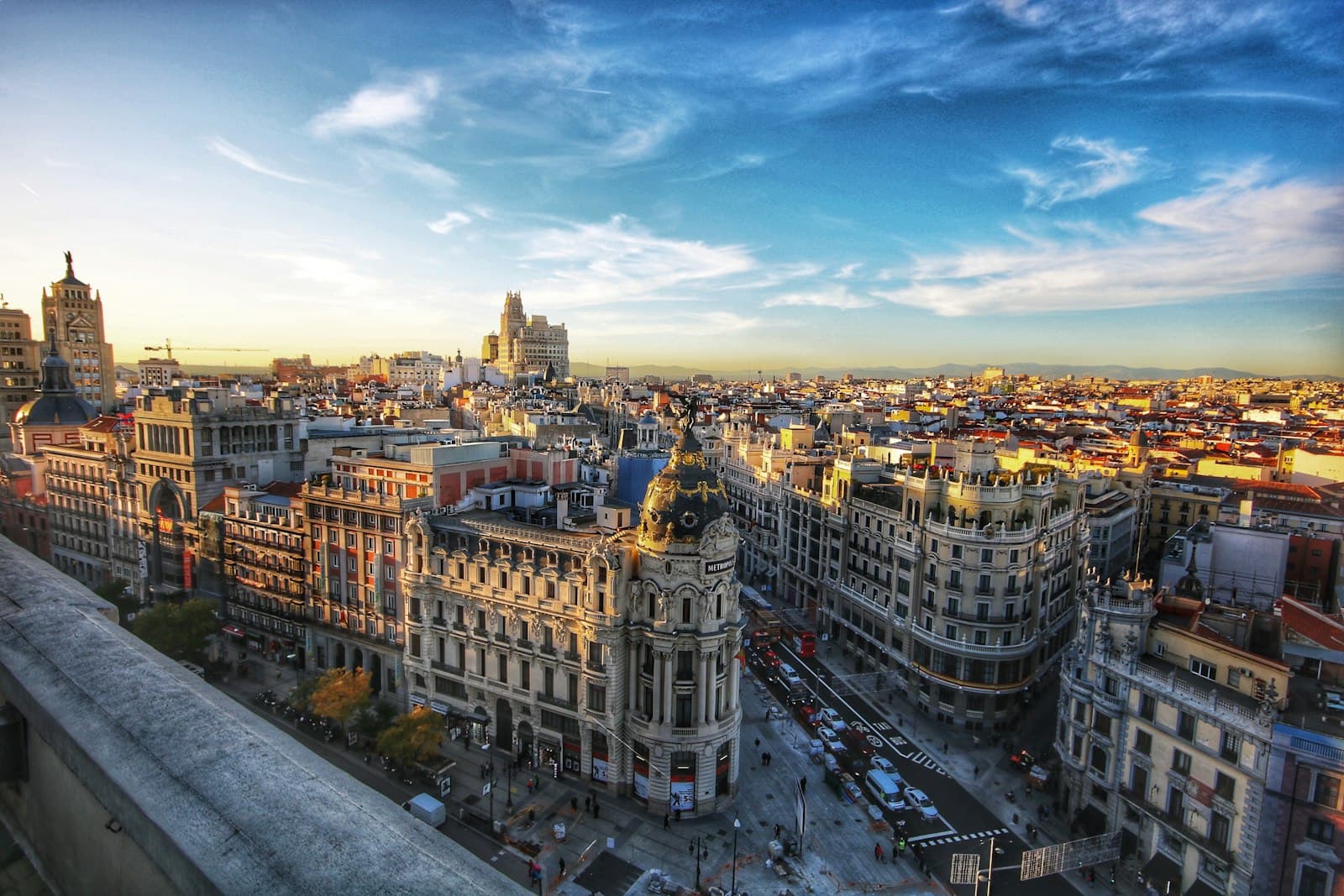
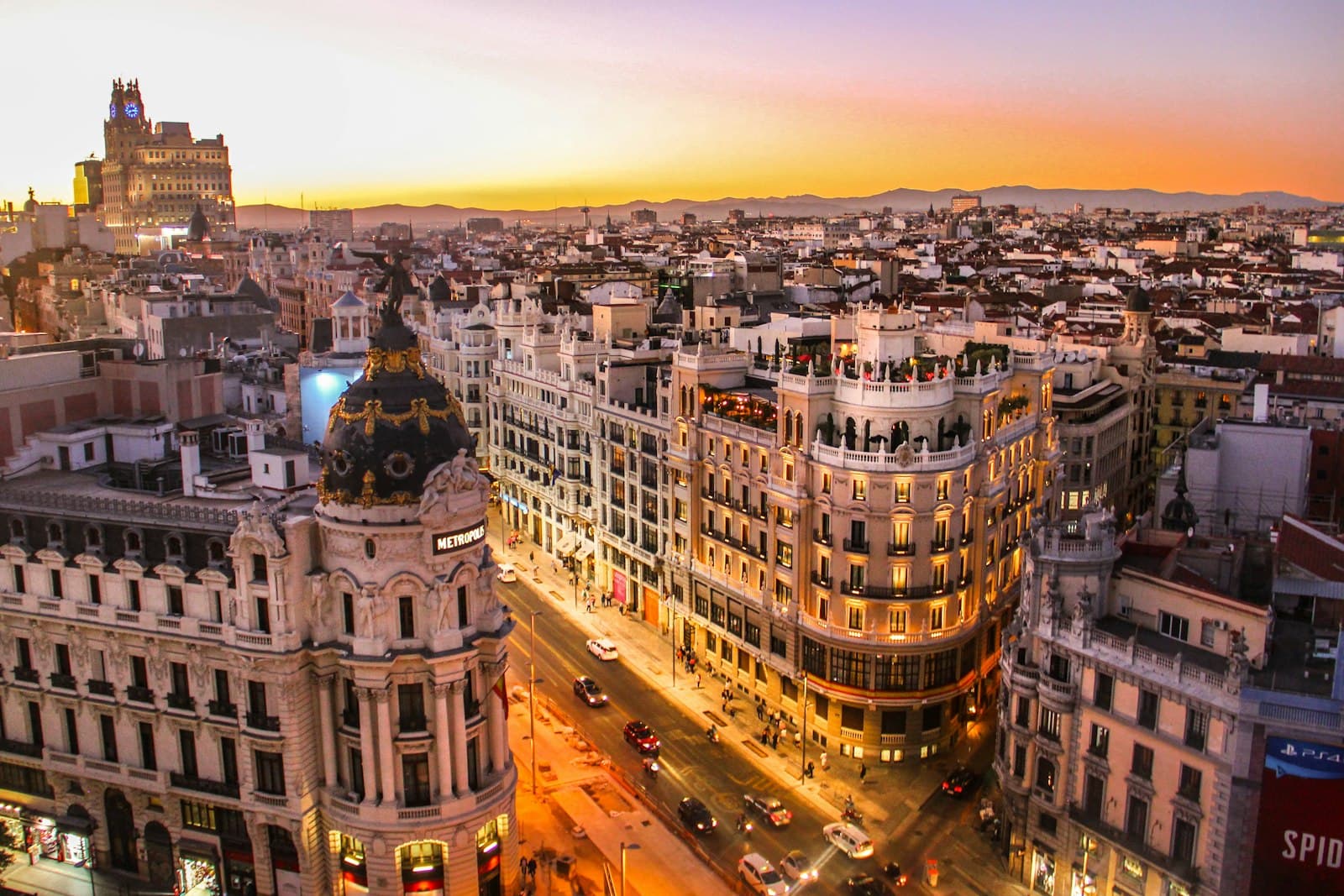
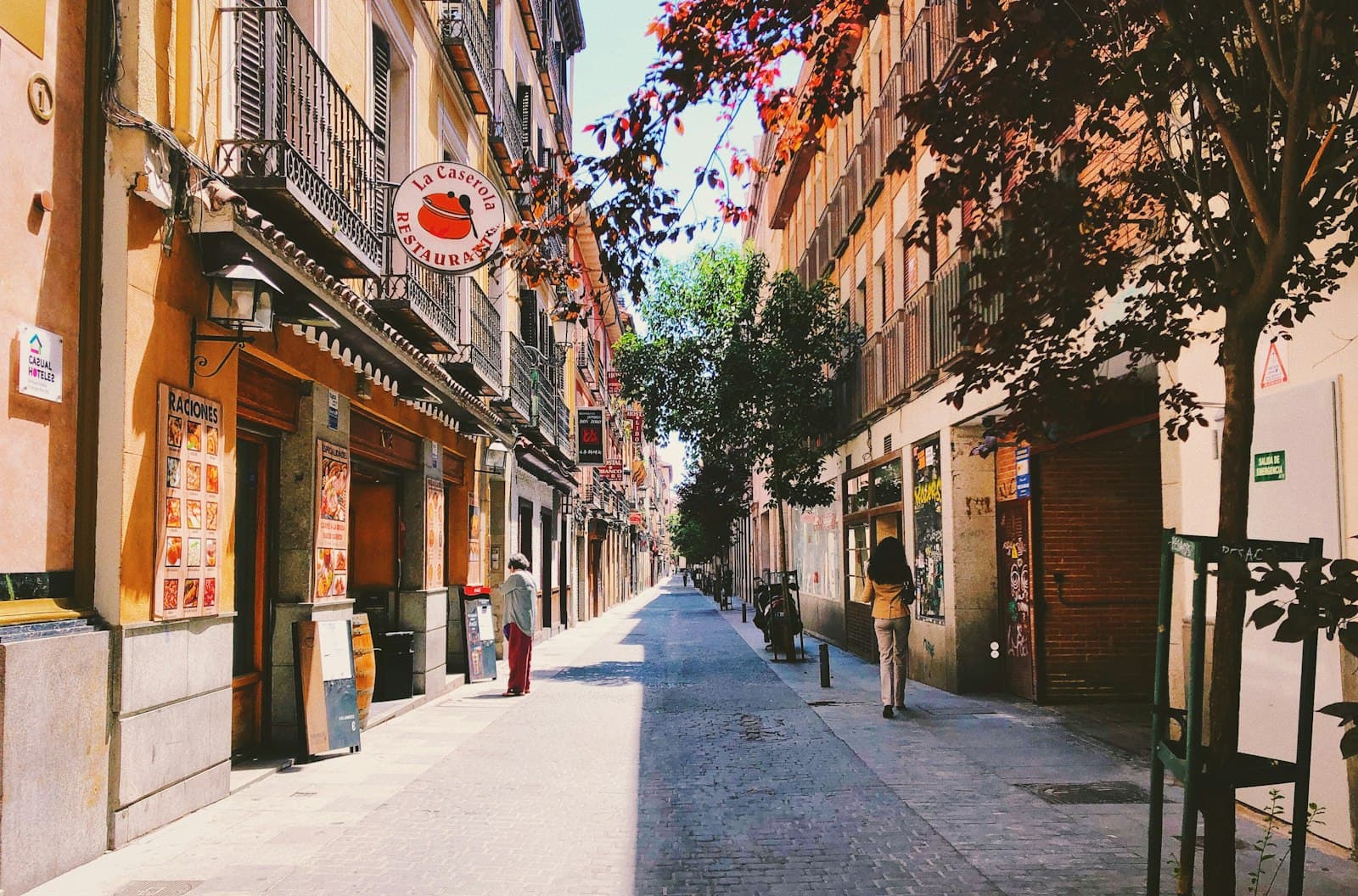
Tu tour de audioguía por Madrid te espera — elige tus lugares, tu idioma y empieza al llegar.
ComprarLume incluye una guía de realidad aumentada. Levanta el móvil y su cámara muestra la calle que tienes delante, con una flecha luminosa sobre la imagen real que siempre apunta a tu próxima parada — sin mapas que descifrar, sin giros equivocados. Como todo en Lume, funciona completamente sin conexión.
Madrid, la capital central de España, es una ciudad que prospera con una energía contagiosa. Amplios bulevares y extensos parques, como el verde El Retiro, ofrecen un respiro en medio del bullicio urbano. El corazón de la ciudad, la Puerta del Sol, es un constante torbellino de actividad, sirviendo como el centro simbólico de España y un popular punto de encuentro para locales y visitantes por igual. Desde la grandiosa arquitectura de su pasado real hasta los rincones íntimos de sus bares de tapas, Madrid invita a la exploración y promete una rica experiencia cultural.
Más allá de sus maravillas arquitectónicas, Madrid es una ciudad que vive al aire libre. Las terrazas se desbordan en las aceras, invitando a largas conversaciones sobre pequeños platos y bebidas. El flamenco, aunque arraigado en Andalucía, ha encontrado un hogar significativo y un público dedicado en Madrid, con numerosos tablaos que ofrecen actuaciones apasionadas. Ya sea que te atraiga el arte de talla mundial, las plazas históricas o el simple placer de una comida compartida, Madrid ofrece una cautivadora mezcla de tradición y vida contemporánea.
Los orígenes de Madrid se remontan al siglo IX, cuando se construyó un Alcázar (fortaleza) en el emplazamiento del actual Palacio Real, aunque algunas fuentes sugieren asentamientos romanos anteriores. La ubicación estratégica de la ciudad a lo largo del río Manzanares la convirtió en una zona disputada entre fuerzas cristianas y musulmanas durante siglos. Madrid se convirtió oficialmente en la capital de España en 1561 bajo el rey Felipe II, una decisión que moldeó profundamente su desarrollo y elevó su estatus dentro del Imperio Español.
Hitos clave como la Plaza Mayor, terminada en 1619, reflejan la transformación de Madrid en una gran capital europea. Originalmente un bullicioso mercado conocido como "Plaza del Arrabal", fue rediseñada por el rey Felipe III y diseñada por Juan Gómez de Mora, convirtiéndose en un lugar para ceremonias reales, corridas de toros y eventos públicos. La Puerta del Sol, otra plaza central, comenzó como una de las puertas de la muralla de la ciudad durante el siglo XV. Su nombre, que significa "Puerta del Sol", proviene de su orientación hacia el este y un sol tallado que adornaba su entrada, simbolizando el amanecer.
Los siglos XVIII y XIX vieron importantes reformas urbanas, particularmente bajo el rey Carlos III, a menudo conocido como el "mejor alcalde de Madrid" por sus esfuerzos de modernización. La ciudad también ha sido testigo de momentos históricos cruciales, incluyendo el levantamiento contra la ocupación francesa el 2 de mayo de 1808, y la proclamación de la Segunda República en 1931, ambos en la Puerta del Sol. La resiliencia de Madrid es evidente en su capacidad para reconstruir y evolucionar, como se vio con la Plaza Mayor sobreviviendo a dos grandes incendios en 1631 y 1670, siendo reconstruida cada vez. Hoy, Madrid continúa honrando su pasado mientras abraza su papel como una capital europea dinámica y moderna.
Comienza tu exploración en la Puerta del Sol, el corazón simbólico de España, marcada por la placa del Kilómetro Cero y la icónica estatua del Oso y el Madroño. Desde aquí, pasea hasta la Plaza Mayor, una grandiosa plaza porticada que ha albergado siglos de eventos, desde mercados hasta festividades reales. Admira los frescos de la Casa de la Panadería y la estatua ecuestre de Felipe III.
Deléitate con el arte en el "Triángulo de Oro del Arte": el Museo del Prado, el Museo Reina Sofía y el Museo Thyssen-Bornemisza. El Prado alberga obras maestras de Goya, Velázquez y El Greco, mientras que el Reina Sofía es el hogar del 'Guernica' de Picasso.
Busca un respiro en el Parque del Retiro, un vasto oasis verde donde puedes alquilar una barca en el estanque central, visitar el Palacio de Cristal o simplemente pasear por sus jardines formales. Para probar el Madrid tradicional, explora las estrechas calles de La Latina y Lavapiés, conocidas por sus auténticos bares de tapas. No pases por alto el Palacio Real de Madrid, la residencia oficial de la Familia Real Española, que ofrece interiores opulentos e impresionantes jardines.
Los momentos ideales para visitar Madrid son durante los meses de primavera (marzo a mayo) y otoño (septiembre a noviembre). Estas temporadas intermedias ofrecen temperaturas suaves y agradables, perfectas para caminar y realizar actividades al aire libre, con menos multitudes que los meses pico de verano. La primavera trae parques florecientes y un ambiente animado, mientras que el otoño ofrece cielos azules claros y hermoso follaje otoñal, particularmente en el Parque del Retiro. Los veranos son cálidos y los inviernos son frescos, pero ofrecen una experiencia más tranquila con los mercados navideños.
El sistema de transporte público de Madrid es eficiente y fácil de navegar, siendo el metro la forma más rápida de moverse. Las líneas de metro están codificadas por colores y la señalización está tanto en español como en inglés. Puedes comprar una tarjeta Tarjeta Multi reutilizable y cargarla con viajes individuales o un billete Metrobús de 10 viajes, que se puede compartir. Los autobuses también son extensos, con autobuses nocturnos (búhos) que operan cuando el metro cierra. Los taxis están fácilmente disponibles, y las aplicaciones de viajes compartidos como Uber también son populares.
Desde el Aeropuerto de Madrid-Barajas (MAD), puedes llegar al centro de la ciudad a través de los trenes de Renfe Cercanías (líneas C1 y C10) desde la Terminal 4, tardando unos 30 minutos hasta la estación de Atocha. El autobús Express del Aeropuerto (ruta 203) funciona las 24 horas del día, los 7 días de la semana, conectando todas las terminales con la estación de tren de Atocha durante el día y la Plaza de Cibeles por la noche. Los billetes para el Express del Aeropuerto cuestan 5,10 €. Hay autobuses lanzadera gratuitos que conectan todas las terminales del aeropuerto.
Madrid en coreano, en chino o en hebreo — y 29 idiomas más, cada parada narrada por una voz nativa. La mayor variedad de idiomas de cualquier audioguía autoguiada.
Disponible en: