Paso Ma Pi Leng
Este célebre paso es a menudo llamado el 'Rey de los Pasos', pero su nombre en hmong tiene un origen más terrenal, casi poético.
La historia completa se desbloquea en el tour
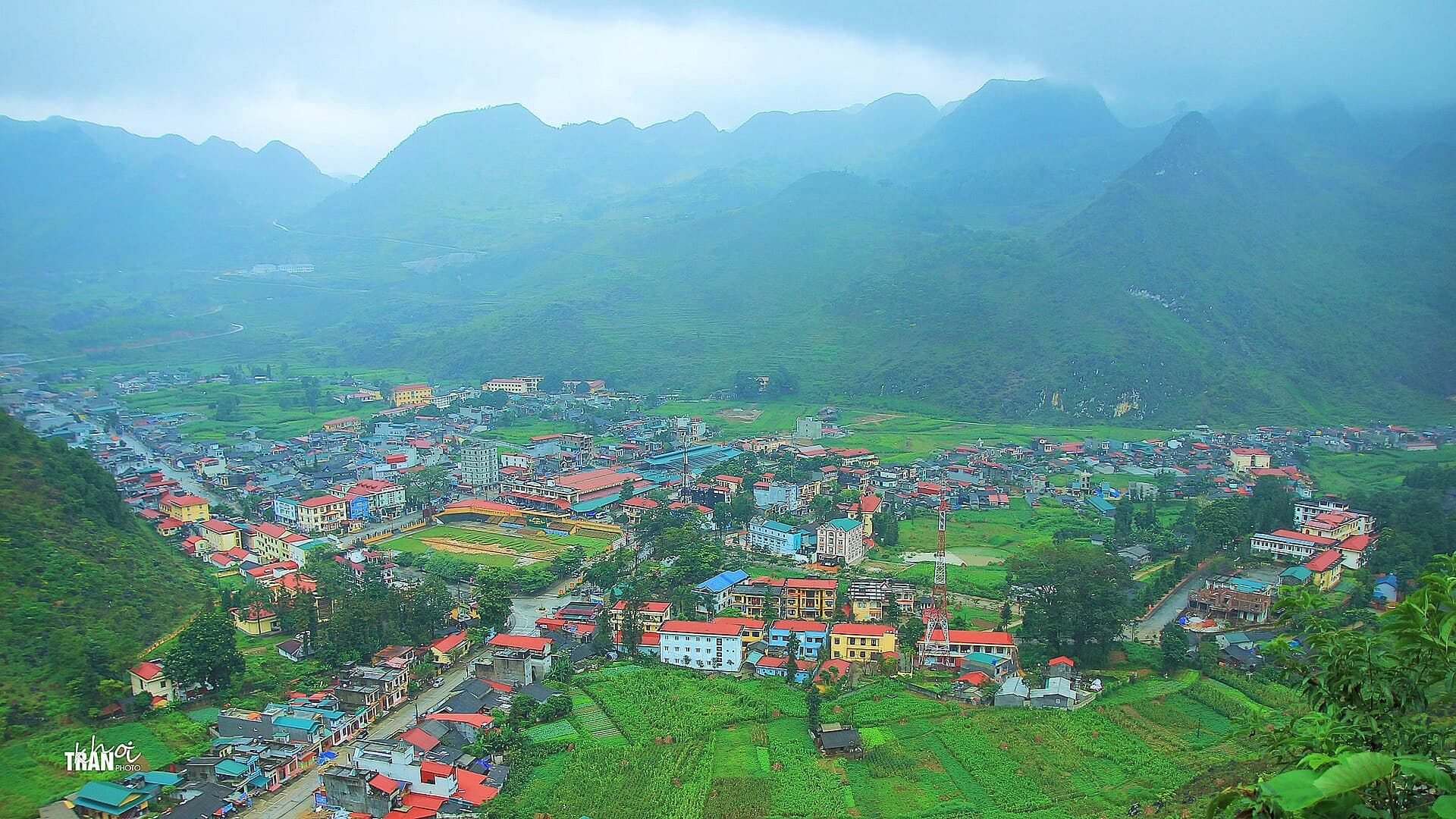 Khoitran1957 / CC BY-SA 4.0, via Wikimedia Commons
Tour de audio autoguiado de Mèo Vạc — ruta GPS a pie, reproducción offline, narración en 32 idiomas.
“Donde picos ancestrales se encuentran con culturas perdurables y ríos esmeralda.”
No las postales. Las historias que ni los locales conocen — al oído, justo donde ocurrieron.
Este célebre paso es a menudo llamado el 'Rey de los Pasos', pero su nombre en hmong tiene un origen más terrenal, casi poético.
El llamativo color verde esmeralda del río Nho Que no es solo un truco de la luz; hay una razón geológica para su distintivo tono.
Este mercado anual no es para compras diarias; es una reunión única con una tradición romántica y ligeramente melancólica.
Descubre todos los secretos de Mèo Vạc
Cada dirección, cada revelación al completo — a tu oído, justo donde ocurrió.
Eliges tus paradas. Caminas. La voz te revela lo que los demás ignoran.

Tu tour de audioguía por Mèo Vạc te espera — elige tus lugares, tu idioma y empieza al llegar.
ComprarMèo Vạc, un distrito remoto en la provincia de Ha Giang, al norte de Vietnam, presenta un paisaje dramático de imponentes montañas de piedra caliza, valles profundos y ríos sinuosos. Parte del Geoparque de la Meseta Kárstica de Dong Van, declarado Patrimonio de la Humanidad por la UNESCO, esta región es un testimonio tanto de la grandeza geológica como del patrimonio cultural perdurable. Su terreno accidentado, caracterizado por afilados picos kársticos y valles estrechos, crea una sensación de enorme escala y belleza salvaje.
Más allá de su sorprendente paisaje, Mèo Vạc es una muestra dinámica de culturas de minorías étnicas. Hogar de más de 17 grupos distintos, incluidos los hmong, dao, tay y lo lo, el distrito ofrece una visión auténtica de las formas de vida tradicionales. Su colorida vestimenta tradicional, costumbres únicas y animados mercados semanales infunden el paisaje con una presencia humana dinámica, haciendo de Mèo Vạc un destino cautivador para viajeros aventureros que buscan tanto la naturaleza virgen como experiencias culturales enriquecedoras.
La historia de Mèo Vạc está profundamente entrelazada con su desafiante geografía. Durante siglos, los dramáticos y dentados picos de piedra caliza de la Meseta Kárstica de Dong Van crearon una fortaleza natural, lo que llevó a un aislamiento significativo para las comunidades de la región. Este aislamiento permitió a los diversos grupos étnicos minoritarios, particularmente los hmong, que son la población dominante, preservar sus tradiciones y estilo de vida ancestrales, en gran parte intactos por influencias externas.
El Geoparque de la Meseta Kárstica de Dong Van en sí mismo tiene una historia geológica que abarca más de 550 millones de años, con formaciones rocosas y fósiles que proporcionan evidencia de antigua vida marina e incluso dos importantes eventos de extinción masiva. Las excavaciones arqueológicas en distritos cercanos también han desenterrado herramientas de piedra de la Civilización Son Vi, que datan de hace 10.000 a 30.000 años, lo que indica que humanos prehistóricos residieron en esta meseta rocosa.
Administrativamente, el Distrito de Mèo Vạc fue establecido el 15 de diciembre de 1962, separando 16 comunas del Distrito de Đồng Văn. Desde entonces ha sufrido varios cambios administrativos, incluyendo ser parte de la Provincia de Hà Tuyên antes de que la Provincia de Hà Giang fuera redividida en 1991. Históricamente, Mèo Vạc ha sido uno de los distritos más pobres de la provincia de Hà Giang, en parte debido a los impactos de la guerra de Vietnam-China.
En los últimos años, Mèo Vạc ha comenzado una transformación. El desarrollo de infraestructura crucial, especialmente la legendaria red de carreteras 'Ha Giang Loop', ha conectado estas comunidades remotas con el mundo exterior. Esto ha fomentado un creciente sector turístico, que, junto con la agricultura y la ganadería, ahora forma una parte significativa de la economía local. A pesar de estos desarrollos modernos, Mèo Vạc mantiene con orgullo su papel como un puesto comercial vital y un museo viviente de la historia de la Tierra y la diversa herencia cultural.
Mèo Vạc ofrece una variedad de vistas y experiencias cautivadoras. El Paso Ma Pi Leng es un destino memorable, celebrado como uno de los pasos de montaña más espectaculares de Vietnam, que ofrece vistas panorámicas de imponentes acantilados de piedra caliza y el sinuoso río Nho Que que serpentea abajo. Puede explorarlo en moto, o para una experiencia emocionante, caminar por el sendero del acantilado del Ma Pi Leng Skywalk.
Se recomienda encarecidamente un paseo en barco por el río Nho Que a través del Cañón Tu San. Las aguas de color verde esmeralda que serpentean entre dramáticos acantilados, a menudo llamado el desfiladero más profundo del sudeste asiático, ofrecen oportunidades fotográficas únicas. Los viajes temprano por la mañana son ideales para la mejor luz y menos multitudes.
El Mercado Dominical de Mèo Vạc es un animado centro cultural que atrae a grupos étnicos minoritarios con coloridos trajes tradicionales de las aldeas circundantes. Llegue temprano (de 7 a 11 AM es el pico) para presenciar el bullicioso comercio de ganado, productos frescos, artesanías y para probar platos locales. Para una inmersión cultural más profunda, considere alojarse en la Aldea Pa Vi, donde las familias hmong ofrecen alojamientos tradicionales, lo que le permite experimentar las costumbres locales, la cocina y la vida diaria. Las atracciones cercanas como el Casco Antiguo de Dong Van y la Torre de la Bandera de Lung Cu también son adiciones populares a un itinerario del Ha Giang Loop.
Mèo Vạc recibe visitantes durante todo el año, y cada estación ofrece un encanto distinto. Sin embargo, la mejor época para visitar es generalmente de septiembre a marzo. Durante esta estación seca, el clima es agradable con temperaturas más frescas, ideal para actividades al aire libre y visitas turísticas. De septiembre a noviembre trae campos de arroz maduros y distintivas flores de trigo sarraceno, mientras que de marzo a abril exhibe flores de durazno y ciruelo. Principios de noviembre es particularmente recomendado para ver el río Nho Que en su verde esmeralda más claro. Evite julio y agosto debido a las fuertes lluvias y las carreteras potencialmente resbaladizas.
Mèo Vạc se encuentra aproximadamente a 160-164 km de la ciudad de Ha Giang y a unos 30 km al sur de la ciudad de Dong Van. La forma más común de llegar a Mèo Vạc es en moto, a menudo como parte del Ha Giang Loop, o contratando un coche desde la ciudad de Ha Giang. El viaje en sí es pintoresco, pero las carreteras pueden ser sinuosas y desafiantes, por lo que es esencial conducir con cuidado.
Las opciones de alojamiento en Mèo Vạc incluyen hoteles, moteles y casas de familia, particularmente en la aldea de Pa Vi, que ofrecen auténticas experiencias culturales. Se recomienda reservar con antelación, especialmente durante la temporada alta. El efectivo es esencial en Mèo Vạc, especialmente en los mercados locales, así que asegúrese de tener suficientes dongs vietnamitas para compras y servicios. La señal de telefonía móvil puede ser poco fiable en ciertos tramos del Ha Giang Loop. Respete las costumbres locales, vístase con modestia y evite tirar basura para garantizar una experiencia positiva tanto para los visitantes como para los residentes.
Mèo Vạc en coreano, en chino o en hebreo — y 29 idiomas más, cada parada narrada por una voz nativa. La mayor variedad de idiomas de cualquier audioguía autoguiada.
Disponible en: